Our People
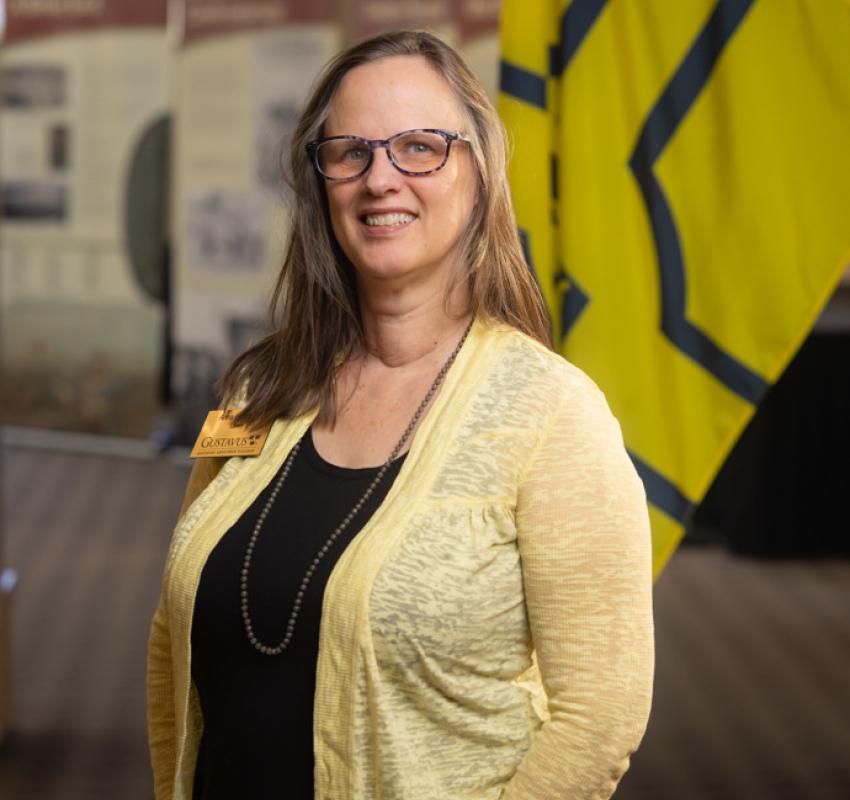
Daniel Moos
Daniel C. Moos (PhD) is a professor of Education where he teaches courses in developmental and educational psychology, educational technology, and the supervision of student teachers. His work centers on understanding how students learn, particularly through the lenses of motivation, metacognition, and self-regulated learning, and how these processes can be intentionally supported through instruction and assessment.
Dr. Moos’s scholarship focuses on self-regulated learning in classroom and technology-rich environments. His research examines how learners plan, monitor, and evaluate their thinking, and how instructional design, feedback, and classroom technology can foster deeper learning. He has published extensively in leading journals and edited volumes in educational psychology, learning sciences, and educational technology, and he has collaborated frequently with undergraduate students as research co-authors. His work is nationally and internationally recognized, including invited keynote and symposium presentations and service in leadership roles within professional organizations focused on self-regulated learning.
At Gustavus, he is deeply committed to teacher preparation and evidence-based teaching. He works closely with pre-service teachers as they learn to design instruction, integrate technology meaningfully, and use assessment to support student learning. His teaching philosophy emphasizes helping future educators become reflective practitioners who understand how students learn and who can adapt instruction to meet diverse learner needs. He is particularly interested in bridging theory and practice, ensuring that research on learning, motivation, and assessment is accessible and useful for teachers in real classrooms.
In addition to his teaching and research, Dr. Moos has held several institution-wide leadership and service roles at Gustavus. These include serving as department chair, college assessment director, faculty associate for teaching excellence, and assessment coordinator for the Education Department. Through this work, he has supported faculty development, program assessment, accreditation efforts, and conversations about effective teaching and learning across the college.
Dr. Moos also contributes extensively to the broader field of education through editorial board service, grant advisory work, external reviews, and mentoring early-career scholars. He is regularly involved in reviewing research for major journals and supporting national initiatives related to self-regulated learning and teacher education. Before entering higher education, Dr. Moos was an elementary and middle school teacher, an experience that continues to shape his teaching, research, and commitment to teacher education. Outside of Gustavus, he enjoys staying active, following youth and collegiate athletics, and spending time with his family. He values the close-knit academic community at Gustavus and especially enjoys working with students as they develop into thoughtful educators and lifelong learners.
Our People
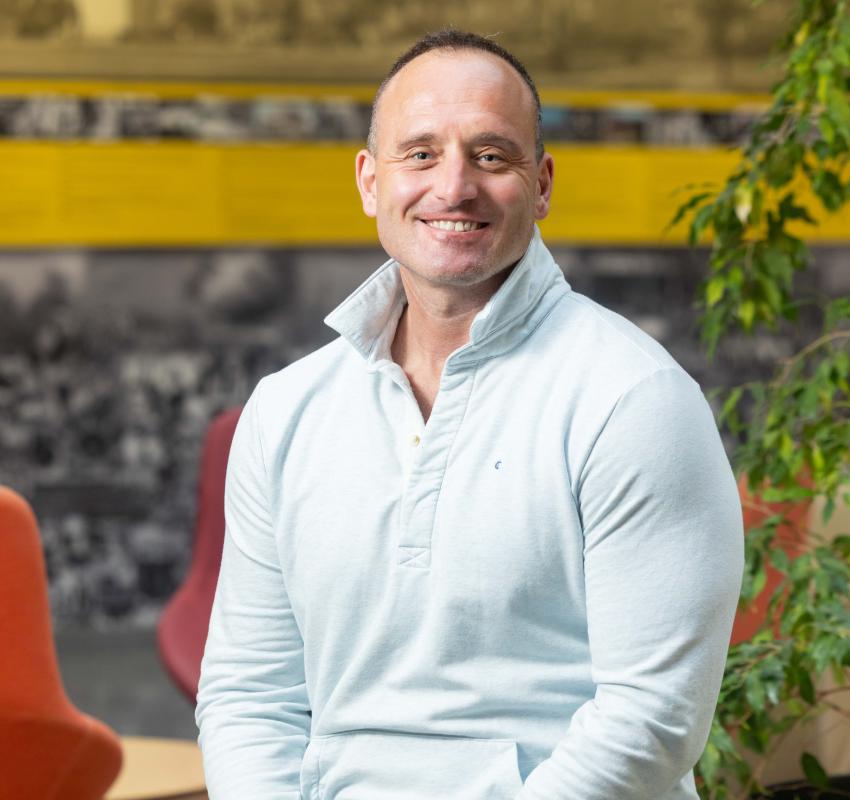
Marcia Bunge
Marcia J. Bunge, PhD, is Professor of Religion and holds the Drell and Adeline Bernhardson Distinguished Endowed Chair of Lutheran Studies. Bunge earned her BA in Music and English from St. Olaf College (Phi Beta Kappa) and her MA and PhD.in Theology from the University of Chicago. She also studied at the University of Tübingen and conducted research in Germany as a Charlotte W. Newcombe Doctoral Dissertation Fellow. Before coming to Gustavus in 2013, she was Professor of Humanities and Theology at the Honors College of Valparaiso University. Since 2014, she has served as an Extraordinary Research Professor at North-West University in South Africa.
Bunge’s teaching and scholarship have addressed issues in theology, social and environmental ethics, women’s studies, childhood studies, and inter-religious studies. A central focus of her scholarship is conceptions of and commitments to children in diverse religious traditions. She has published numerous articles and six books on the subject, including The Child in Christian Thought (Eerdmans, 2001) and Children, Adults, and Shared Responsibilities: Jewish, Christian, and Muslim Perspectives (Cambridge University Press, 2012). From 2013–2017, she served as a core collaborator in the interdisciplinary “European Childhoods” project at the University of Oslo and co-edited one of its volumes, Nordic Childhoods 1750–1960: From Folk Beliefs to Pippi Longstocking (Routledge, 2018).
Related to her scholarship on children, Bunge has also written extensively on moral and spiritual formation and Lutheran perspectives on education and vocation. She is co-editor of So that All May Flourish: The Aims of Lutheran Higher Education (Fortress, 2023), translator of selected writings by the German theologian and educator Johann Gottfried Herder, and co-founder of the Gustavus Academy for Faith, Science, and Ethics. From 2023–2025, she contributed to the “Character Development, Ethical Education, and Value Transmission” project co-hosted by Emory University and Heidelberg University.
Drawing on her areas of expertise, Bunge has contributed to academic and advocacy initiatives around the world and secured more than $4.5 million in research, institutional, and civic engagement grants. She lectures widely, has served on international editorial boards and academic committees, and co-founded the Childhood Studies and Religion Program Unit of the American Academy of Religion. Her advocacy work includes child-focused projects, such as Georgetown University’s “Collaborative on Global Children's Issues,” and justice-related initiatives of the Evangelical Lutheran Church in America (ELCA), the World Council of Churches, and faith-based organizations. As a Lutheran theologian and holder of the Bernhardson Chair, she also cultivates relationships between Gustavus and other ELCA-affiliated institutions in the United States and abroad.
Bunge’s collaborations have connected her with colleagues and initiatives across six continents and reflect her enduring commitments to interdisciplinary inquiry, inter-religious engagement, and the flourishing of people and the planet.
Our People
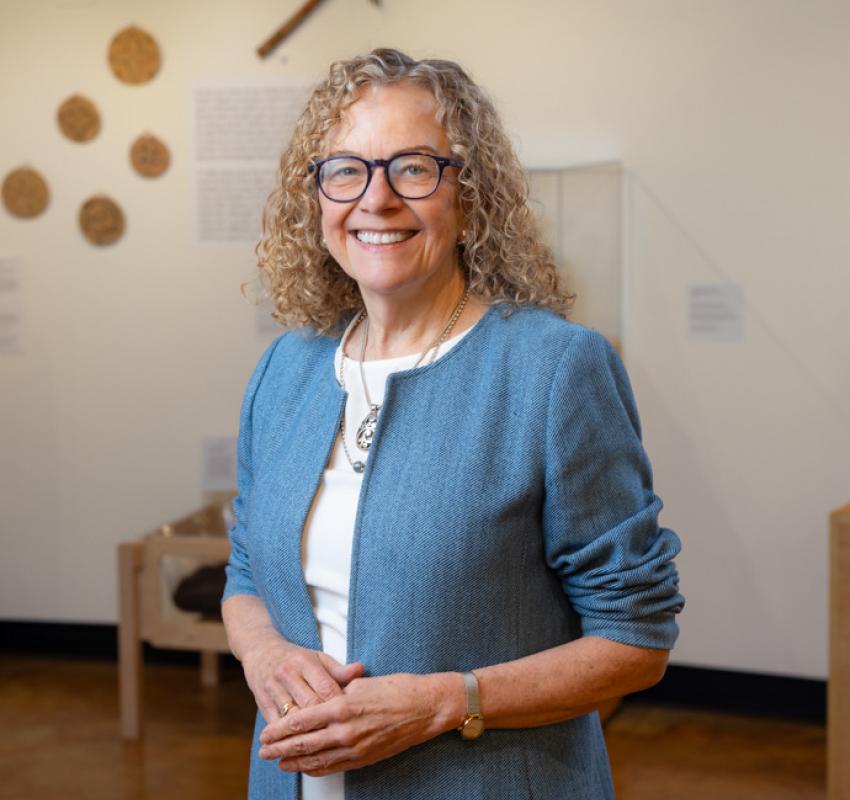
Maria Isabel Kalbermatten
Maria Kalbermatten is a scholar and educator in Hispanic Studies. She teaches courses in Spanish language, culture, and linguistics. Her work centers on the study of humor in discourse, with a particular focus on verbal irony, political humor, and the ways humor operates in contexts of power, ideology, and social interaction. Drawing on approaches from pragmatics, discourse analysis, and critical literacy, her research examines how humor functions not only as entertainment but also as a tool for critique, affiliation, and meaning-making in everyday communication.
Her scholarship includes analyses of spontaneous conversations and media texts, exploring how speakers use irony and humor to negotiate relationships, express stance, and challenge dominant narratives. She has a particular interest in humor in Spanish-speaking contexts, including Latin America, and her recent work engages with questions of political discourse, manipulation, and the role of humor in shaping public opinion. Her research has been presented at national and international conferences and contributes to ongoing interdisciplinary conversations about language, culture, and society.
Kalbermatten is deeply committed to student-centered teaching and to creating an engaging, inclusive classroom environment. Her teaching philosophy emphasizes active learning, critical thinking, and the development of interpretive skills that allow students to analyze language and culture in meaningful ways. She frequently integrates her research into her courses, designing classes that invite students to explore authentic materials such as political cartoons, media discourse, and everyday interactions. In courses like Political Humor and Manipulation, she applies a critical literacy framework to help students examine how humor can both reinforce and challenge systems of power.
Kalbermatten teaches across the Spanish curriculum, from introductory language courses to advanced content courses, and contributes to interdisciplinary programs that engage with global perspectives, media, and cultural studies. She values mentoring students at all levels and enjoys supporting them in developing linguistic proficiency alongside cultural awareness and analytical skills.
In addition to her teaching and research, Kalbermatten is actively involved in service at the College and within the broader academic community. She contributes to curriculum development, participates in collaborative initiatives, and engages in professional activities that connect her work to wider scholarly and educational networks.
One of her favorite aspects of teaching at Gustavus is the opportunity to work closely with students in a liberal arts setting, where discussion, curiosity, and intellectual exploration are central. She values the strong sense of community on campus and the ways in which students bring diverse perspectives into the classroom.
Outside of her academic work, Kalbermatten enjoys creative and cultural activities that complement her scholarly interests, including drawing, exploring global cuisines, and engaging with music and the arts. These interests often inform her teaching and contribute to the dynamic, culturally rich learning experiences she fosters in her courses.
Academic Department
History
The History Department at Gustavus focuses its majors and minors on inclusive, discussion-based learning about how the past has shaped society today. Students leave equipped with powerful tools to guide their future and the future of the world.
Academic Department
Mathematics, Computer Science, and Statistics
Gustavus MCS Department offers majors/minors in Math, Computer Science, and Statistics. Expect small classes, collaborative research, hands-on learning, and strong career prep.
Academic Department
Modern Languages, Literatures, and Cultures
The Gustavus Department of Modern Languages, Literatures, and Cultures offers the opportunity to learn Spanish, French, German, Japanese, and Russian through immersive language, culture, and study abroad opportunities.
Academic Department
Music
Gustavus Music Department offers musical experiences for any level, including rigorous, conservatory-like training. There are 240+ performances yearly with diverse ensembles, plus career prep in performance, teaching, and composition.
Our People
Kathy Lund Dean
Kathy Lund Dean holds the Board of Trustees Distinguished Chair in Leadership and Ethics, a position uniquely designed to engage external stakeholders with students, faculty, and program opportunities. This role supports three main strategic focus areas:
- Increase Gustavus’ national and international footprint through scholarship and high profile recognitions
- Increase and broaden career readiness through alumni engagement
- Increase and deepen opportunities for experiential learning for students across campus
Kathy explores experiential education’s impacts on students, learning outcomes, and teaching practice, especially links between student mental health and experiential learning. In managerial practice, she examines remote work and why managers and executives resist remote work so strongly. Last, her partnership with the City of St. Peter and City Council allows her research insights into how municipal leaders prioritize very different constituent issues and resolve serious conflict.
Her scholarship encompasses more than 100 journal articles, book chapters, and books. Books include “The Ethical Professor: A Practical Guide to Research, Teaching and Professional Life” (published both in English and Chinese); "Course Design and Assessment" (2022, Edward Elgar) and "How to Become an Effective Journal Editor in Business and Management A Guide to Developing Authors" (2024, Edward Elgar).
Getting Gustavus' brand recognized outside the United States is a key focus. She won a Fulbright Specialist role to assist institutions under-represented in academic scholarship, an editorial role she will be continuing with the Journal of Management Inquiry. She has worked with business school colleagues at Rikkyo University supported by a Fulbright award, creating an exchange agreement between Rikkyo College of Business and Gustavus. Kathy holds joint appointments at the University of Canterbury, New Zealand, and University of St. Andrews in Scotland.
Kathy is passionate about engaging students in learning about investing and markets. She advises student members on the Board of Trustees Investment Committee as well as the E. Terry Skone Investment Club on campus, where students work with large endowments and portfolios and make important decisions. The Skone Club won a Magnuson Leadership & Service Award for its long-term positive impact on learning, outreach, and philanthropy, donating more than $135,000 in scholarship money back to the College.
Her conflict resolution practice takes many forms. As a certified mediator, a Minnesota Rule 114 qualified neutral, and faculty Ombuds, she helps others talk through and resolve complex issues from an impartial and non-judgmental perspective. At the Academy of Management, Kathy supports ethical practice and manages difficult situations as a member of the Ethics Adjudication Committee and the Ethics Education Committee.
She is a Chicago native and has lived in seven U.S. states and two countries. Prior to joining the Gustavus faculty, Kathy was Professor of Management at Idaho State University for ten years.
Academic Department
Philosophy
Through the Gustavus Philosophy department, expect small, discussion-based classes in ethics, critical thinking, and global perspectives, with focused research, dialogue, study away opportunities, and faculty mentorship.
Our People
Anna Hulseberg
Anna Hulseberg has more than 20 years of experience teaching Gustavus students information literacy, which the Association of College & Research Libraries defines as “the set of integrated abilities encompassing the reflective discovery of information, the understanding of how information is produced and valued, and the use of information in creating new knowledge and participating ethically in communities of learning” (Framework for Information Literacy for Higher Education). Anna’s teaching ranges from course-integrated library instruction sessions to individual and group research consultations. She works with students in a variety of disciplines over their time at Gustavus, from First Term Seminars to upper level courses in the majors. Anna’s work also includes building a library collection that reflects the range of liberal arts scholarship and supports student research within the College curriculum. Over the years, she has enjoyed helping Gustavus students work to attain their full potential, with a special emphasis on facilitating their dispositions as lifelong learners and ethical consumers and creators of information.
Anna’s areas of research include information literacy, librarians in mentoring and advising, and librarianship as a profession (with an emphasis on electronic resources management). Her research has been published in journals such as College & Undergraduate Libraries, the Journal of Electronic Resources Librarianship, and College & Research Libraries News, and presented at venues including the American Library Association Annual Conference, Minnesota Library Association Annual Conference, and the Brick & Click Academic Library Conference. Anna is active in library science professional associations, having served on the boards of the Minnesota Library Association and its Academic and Research Libraries Division.
Anna’s involvement in the College has included service on a number of faculty committees, including the Faculty Personnel Committee, Faculty Development Committee (past chair), and Academic Operations Committee (past co-chair). She participates in collegial management of the Library and Archives department as co-Program Assessment Liaison (PAL) and on departmental committees. Anna works to celebrate Gustavus students’ achievements in the liberal arts as a past officer and active member of the Phi Beta Kappa honor society.