

Our People
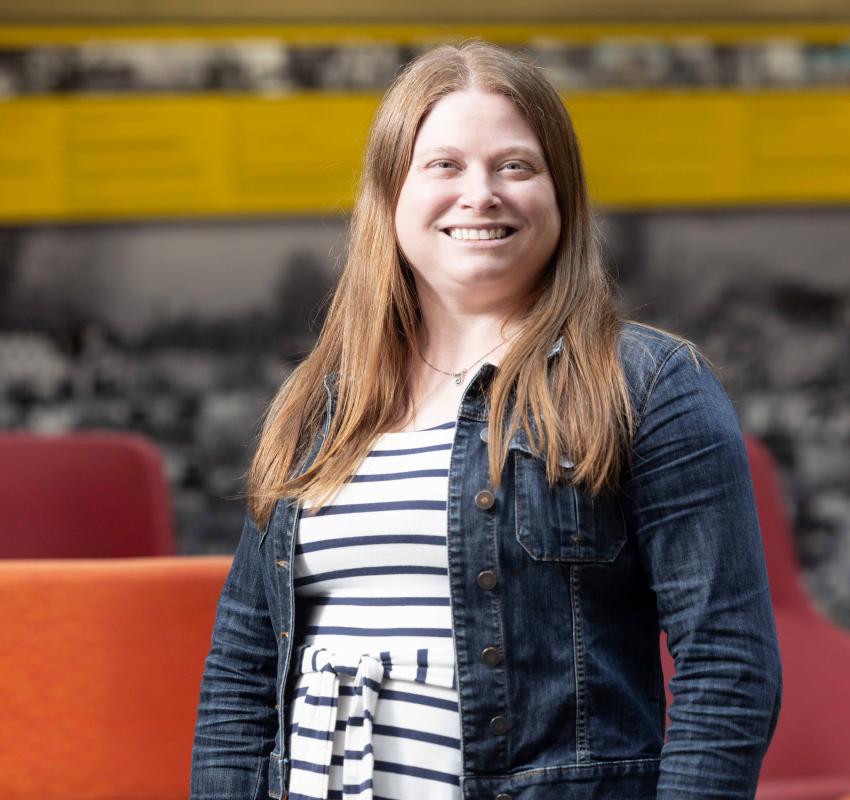
Mary Westby
Mary Westby is the Program Director for the Master of Athletic Training (MAT) program. She is responsible for the oversight of MAT, including working with the Clinical Education Coordinator and Research Coordinator to ensure curricular and clinical development, and implementation of the Commission on Accreditation of Athletic Training Education (CAATE) standards and ensuring the preparedness of students to practice independently upon graduation. She serves as one of the primary advisors for MAT current students and prospective students interested in athletic training. She teaches Foundations in Athletic Training (ATP 500), Clinical Pharmacology (NUR 337 and ATP 537 – a joint course between MAT and Nursing students), and Therapeutic Interventions in Athletic Training I and II (ATP 511 and 512). Her favorite topic to teach is therapeutic modalities – the application of physical agents and manual therapy to treat musculoskeletal injuries. This is also a research interest of hers along with assessment of student learning in athletic training programs.
She is also an Instructor and Instructor Trainer for the American Red Cross, regularly certifying current MAT students, undergraduate students, and campus faculty and staff in various levels of CPR training. As the advisor for the Gustavus Athletic Trainers' Association and Iota Tau Alpha, the national honor society for athletic training, Mary gets the opportunity to encourage community and professional service among the students in the ATP. She enjoys her opportunities to interact with students and other faculty inside and out of the classroom.
Mary is originally from Waconia, MN. She enjoys spending time with her family who are still in the area, including her niece and twin nephews. Mary, her husband and their son enjoy spending summers up north, fishing, and boating. During the long winter months Mary enjoys snowshoeing.
She is a BOC-certified athletic trainer, licensed in the state of Minnesota and a member of the National Athletic Training Association. She is involved in the athletic training profession at the national and state level as a peer reviewer for the CAATE and a member of the Minnesota Athletic Trainers Association (MATA) Governmental Affairs Committee. She is also the co-advisor of the MATA student senate.
Our People
Hannah Drea
Hannah Drea, MS, BSN, PHN is Nursing Faculty, a Clinical Instructor, and the Clinical Coordinator within the Gustavus Nursing Program. She has taught a variety of courses across the nursing curriculum, including Medical–Surgical Clinical, Pre-Health Professions, Public Health, and Public Health Clinical. Through these diverse teaching experiences, she supports students at different stages of their academic and professional development. She is committed to the College’s liberal arts mission, striving to help students reach their full potential, foster a passion for lifelong learning, and prepare them for lives of leadership and service. Her teaching pedagogy emphasizes student-centered and collaborative learning, encouraging students to actively construct knowledge through experiential learning while adapting to diverse learning styles.
In her role as Clinical Coordinator, Hannah facilitates high-quality clinical learning experiences by securing, scheduling, and managing student placements across healthcare settings while ensuring compliance with accreditation and regulatory standards. She serves as a liaison between the nursing program and clinical partners, overseeing site contracts, coordinating student and faculty orientations, and tracking required clinical hours. Her responsibilities include clinical placement management, partnership development with healthcare organizations, and comprehensive compliance and documentation oversight—such as immunizations, CPR certification, background checks, HIPAA training, and adherence to site-specific policies. She also monitors and evaluates the quality and effectiveness of clinical experiences to support continuous improvement and student success.
Hannah brings clinical expertise to her teaching, with a strong background in medical–surgical and endoscopy nursing. Her experience in the Endoscopy Unit includes colonoscopies, esophagogastroduodenoscopies (EGDs), endoscopic retrograde cholangiopancreatography (ERCPs), BRAVO placements, dilations, pre-operative EGDs for bariatric surgery, and bronchoscopies. She has also been involved in the implementation of robotic bronchoscopies, reflecting her engagement with advancing clinical technologies.
In her medical–surgical nursing practice, Hannah specialized in the care of patients with gastrointestinal and urinary conditions, hospice and end-of-life needs, cancer-related complications, post-surgical recovery, withdrawal management, and a wide range of other medical and surgical conditions. This breadth of experience informs her ability to connect theory to practice and prepare students for the complexities of clinical care.
In addition to her clinical coordination and teaching responsibilities, Hannah is actively engaged in professional service and collaboration through the Gustavus Nursing Program Local Advisory Board, the Minnesota Nursing Student Internship Consortium, and the MN Academic Networking Group. These collaborative groups provide guidance and direction to support best student outcomes by strengthening the connection between didactic course knowledge and clinical practice.
She actively participates in ongoing continuing education to remain current in nursing practice and education. Her professional memberships include the National League for Nursing and the National Center for Faculty Development and Diversity, through which she stays connected to best practices in nursing education and clinical coordination, further enriching her work with students and colleagues.
Our People
Denis Crnkovic
Dr Crnković is an internationally recognized scholar in the field of Slavic and Comparative literatures. Although he retired from teaching in 2019 he maintains an active research program and continues to publish in scholarly journals. He is also a published poet and a recognized expert in the history and practice of letterpress printing.
Our People
Jaren Crist
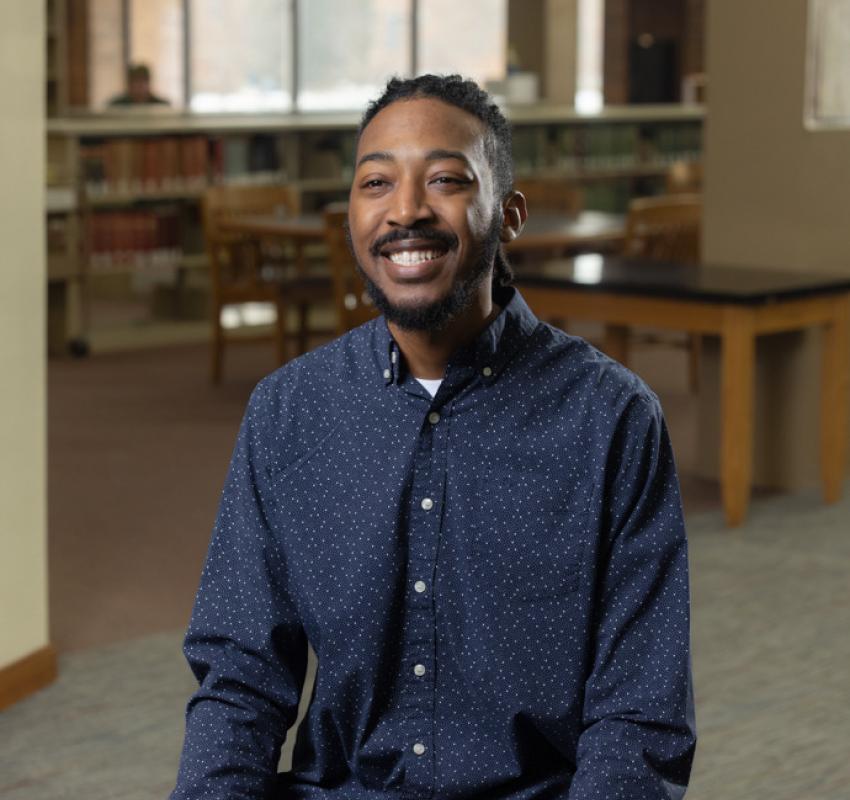
Jaren Crist is a professor of Psychology. His work and research focus on understanding race and racism in America. He uses critical race theory to study the systemic nature and impact of racism. His approach is interdisciplinary, and he is part of the Peace, Justice, and Conflict Studies program. As a teacher, he believes that learning should be fun and engaging. He challenges students to think critically about the topics covered in class. He also wants students to understand how these concepts relate to their everyday lives. Jaren is also involved with the psychology department's Social Justice Club. This club is a place for students to meet and discuss psychological research that addresses various social issues in the world. The club is open to all students and is a great chance to discuss social issues. Outside of Gustavus, Jaren is an avid gamer and enjoys listening to music.
Our People
Pamela Kittelson
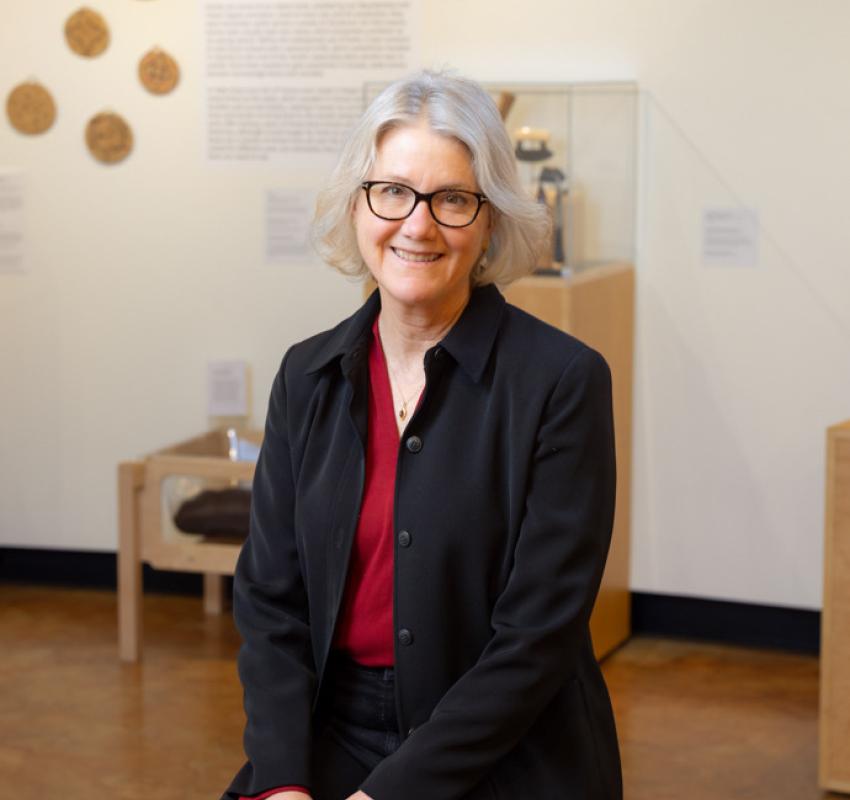
Professor Pamela Kittelson enjoys collaborating with students and colleagues. Her teaching has focused on ecology, plant physiology, evolution and general biology. Over 35 undergraduates from her lab have examined how habitat fragmentation affects plant populations, specifically how genetic variation, herbivory and plant traits change with population size and isolation. Students in her lab have published or presented this work and built scientific skills in writing, experimental design and analysis. After graduation, her advisees and former research students excel in careers ranging from natural resource management to education, research, medicine, biotechnology, law, and scientific writing.
Dr. Kittelson is the director of the Gustavus Fellowships Office. She supports and encourages all undergraduates by helping them identify and apply for nationally competitive funding which furthers their goals while in college or as alumni. These organizations include the Fulbright U.S. Student Program, Critical Language Scholarship, National Science Foundation, and the Goldwater, Truman, Udall and Boren Scholarships.
She also serves as the Director of the Midstates Consortium for Math and Science, which is an organization that promotes excellence in STEM research and teaching. She organizes professional development programs for faculty and undergraduate students from ten liberal arts colleges and two research universities. Each year, she runs two undergraduate research conferences where Gustavus and other Consortium students present their research at the University of Chicago or Washington University in St. Louis.
As a first generation college graduate, Dr. Kittelson understands the importance of having a good mentor who encourages one’s education. She enjoys the advising and mentoring relationships she has built with Gusties over the years.
Pamela relishes opportunities to be in natural areas with students; she has led students on several travel and wilderness courses. In her spare time, she enjoys hiking, canoeing, going fast downhill on skis or a bike, and camping. She putters around in gardens, museums or while watching birds. Travel near and wide is treasured. She relaxes with good books or music and the company of friends.
Our People
Lisa Heldke
Lisa Heldke teaches in the philosophy department and the gender, women and sexuality studies program, of which she was a founding faculty member. Among her favorite courses to teach are modern philosophy (which, believe it or not, focuses on the eighteenth century); aesthetics; and gender, knowledge and reality. But her real passion is the philosophy of food, which she holds in the teaching kitchen of the Nobel Hall of Science, where students can cook together each week.
The philosophy of food is not only a teaching passion, it has also been a focus of much of her service work on campus. She is the co-founder of the Kitchen Cabinet, an advisory committee to the Gustavus Dining Service that works to enhance the ways it serves the mission of the College. The committee includes representation from all the campus constituencies, including students.
Food is also the focus of Heldke’s scholarly research; she is one of the first contemporary philosophers to treat food as a serious philosophical topic. She is the author or editor of a number of books in the field, including Philosophers at Table: On Food and Being Human; Exotic Appetites: Ruminations of a Food Adventurer; Cooking, Eating Thinking: Transformative Philosophies of Food; and (most recently) Parasitic Personhood and the Ontology of Eating. Her research has led to her being invited to teach each year in a master’s program at the University of Gastronomic Sciences in Pollenzo, Italy, a kind of “liberal arts college of food” founded by the Slow Food founder Carlo Petrini. Her scholarly work has also garnered her awards from the Agriculture, Food and Human Values Society and the John Dewey Society.
For ten years, she served as director of Gustavus’s Nobel Conference, a role she described as being the “chief learner” for this science-and-ethics extravaganza which is a highlight of the Gustavus academic year, and has brought more than 100 Nobel laureates to campus.
Her newest book project bears the working title “Yurtitude is Experience”; it’s a philosophical exploration of her summertime life in a yurt on the coast of Maine where she lives (mostly) off the grid with her Siberian husky, writing, baking bread in a wood-fired brick oven, and kayaking and sailing in Eggemoggin Reach. Winter finds her and her husky skijoring in the Gustavus Arboretum whenever the snow cover allows.
Our People
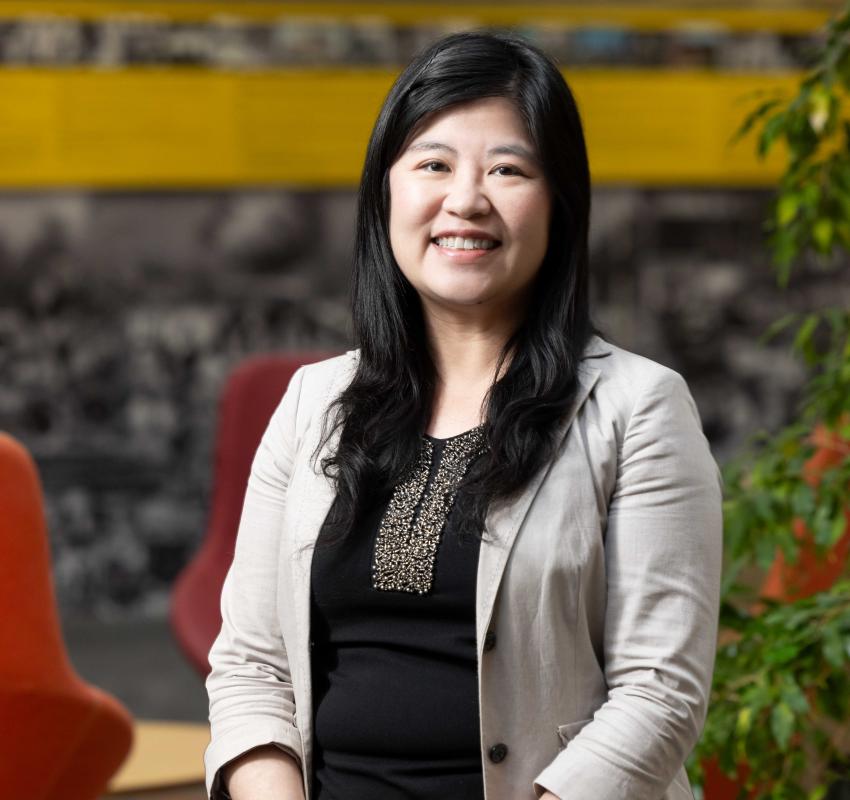
Shu-Ling Wang
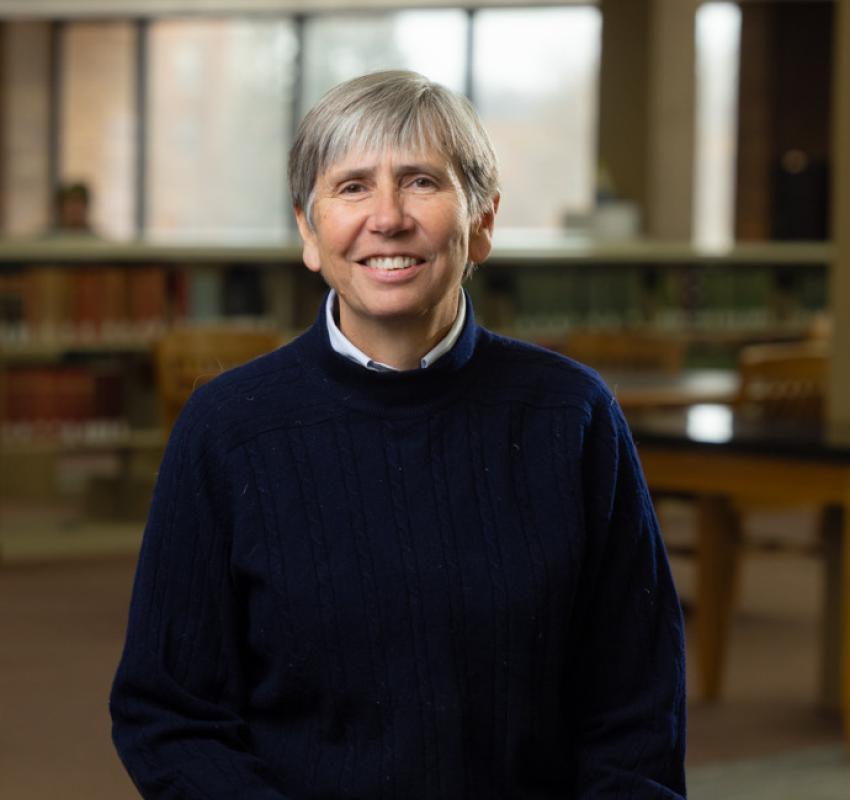
Dr. Shu-Ling Wang is an associate professor of Economics. She joined Gustavus in 2016 after a two-year appointment at The College of Wooster. Her teaching interests include Intermediate Macroeconomics, Money and Banking, International Finance, Public Finance, and Principles of Economics. As an active instructor in an interactive and interdisciplinary liberal arts environment, she enjoys developing and experimenting with innovative pedagogies to enrich students’ learning experiences. She also values mentoring undergraduate research that fosters critical and independent thinking. At Wooster, she advised several year-long senior independent studies, and at Gustavus, she offers writing-in-the-discipline courses in economics and mentors class-based research projects. In October 2023, her Money and Banking students’ paper titled “The Asian Crisis of 1997” won third place in the Economic Communication category of the Minnesota Economic Association (MEA) Undergraduate Paper Contest. In 2025, Dr. Wang served as a faculty panelist at the MAYDAY! Peace Conference at Gustavus, participating in the teach-in model addressing issues of peace, human rights, and social justice. More recently, she served on the Nobel Conference '63 Planning Committee (theme: AI and Human Agency).
Dr. Wang’s research focuses on Macroeconomics, Monetary Economics, and International Finance. She studies fiscal and monetary policy issues—such as fiscal stimulus, public debt, tax policy, income distributional effects, and monetary policy, using dynamic stochastic general equilibrium (DSGE) models with representative or heterogeneous agents. Her papers have been published in the Journal of Macroeconomics, Review of International Economics, and Economic Modelling. She received the Mansergh Faculty Scientific Research Award at Gustavus in both 2022 and 2025. Her recent project examines the debt-financed stimulus effects in a high-debt economy without monetary independence, considering different schemes and speeds of debt adjustment in a two-sector New Keynesian model. Future projects will examine the redistribution effects between savers and hand-to-mouth agents of debt-financing policies. She regularly presents her work at the The Midwest Economics Association, Canadian Economics Association, Western Economics Association, and Liberal Arts Macroeconomics conferences.
In addition to her research, Dr. Wang actively contributes to professional service. She serves as a reviewer for the Journal of Macroeconomics, Economic Modelling, Contemporary Economic Policy, Cambridge University Press, and the Bulletin of Economic Research. She has also served on the steering and program committees for the Liberal Arts Macroeconomics Conference and was a member of the Board of the Minnesota Economic Association. In 2025 she served as a mentor and a panelist for junior women economists at the CeMENT workshop sponsored by the AEA at the Federal Reserve Bank of Chicago.
Beyond academia, Dr. Wang is a mother of three children. She enjoys architecture, art, photography, and music. Her favorite architects include Frank Lloyd Wright, Louis Sullivan, and Zaha Hadid. She is also inspired by the works of Georgia O’Keeffe, Edward Hopper, and Claude Monet. A musician herself, she plays the piano, violin, and pipa (a Chinese lute). Her favorite composer is Johann Sebastian Bach of the Baroque period.
Our People
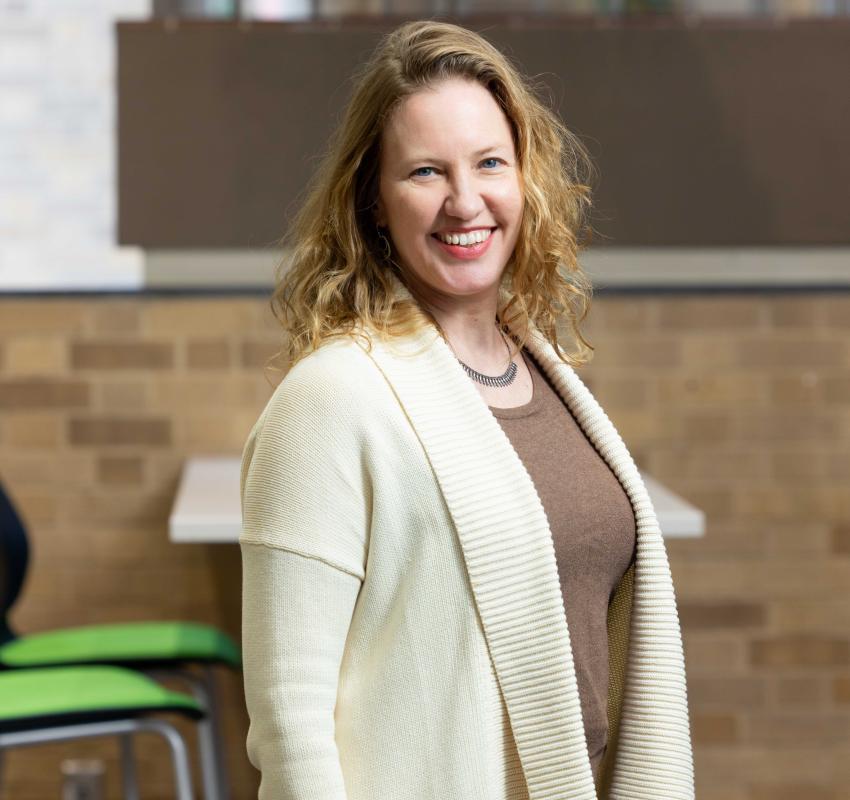
Anna Versluis
Dr. Anna Versluis is Professor of Geography and Environmental Studies and teaches in the Latin America, Latinx, and Caribbean Studies (LALACS) Program as well. She is a geographer interested in how societies imagine and engage in relationships with the land. Her studies span responses to natural disaster, land cover change, absentee farmland ownership, farm consolidation, the Haitian counter-plantation, and decolonial land ethics. She teaches Environmental Geography, Nature & Society, and Political Ecology, among other courses.
Our People
Ursula Lindqvist
Ursula Lindqvist, PhD, is Thorstensson, McKnight, Nordstrom Endowed Chair and Professor in Scandinavian Studies and a founder of the interdisciplinary minor in Comparative Literature. She is known for her research in Nordic global cinema and in postcolonial studies, commitment to undergraduate teaching and mentorship, and her leadership within the College and in her field. Before coming to Gustavus in 2013, Dr. Lindqvist directed the undergraduate program in Scandinavian Studies and founded the Scandinavian Languages Program at Harvard University.
A passion for interdisciplinary teaching and research brought her to Gustavus, where she contributes to programs in Gender, Women, & Sexuality Studies; Peace, Justice, & Conflict Studies; African & African Diaspora Studies; Film & Media Studies; Latin American, Latinx & Caribbean Studies; and Comparative Literature. She leads a college-wide grant project, “Storytelling and Sensemaking at a Settler Institution: Walking a Shared Path with Dakota Neighbors,” funded by the Council of Independent Colleges/the Lilly Endowment.
Dr. Lindqvist’s research has focused on Nordic cinema, global literatures, and unsettling colonial narratives. Her first book, Roy Andersson’s Songs from the Second Floor: Contemplating the Art of Existence, was published in the University of Washington Press’ Nordic Film Classics series. She also co-edited two global anthologies: A Companion to Nordic Cinema (Wiley-Blackwell) with Mette Hjort, and New Dimensions of Diversity in Nordic Culture and Society (Cambridge Scholars) with Jenny Björklund. She has published articles in peer-reviewed journals including PMLA, Modernism/Modernity, and African and Black Diaspora. Her most influential work, “The Cultural Archive of the IKEA Store” (Space and Culture, 2009), has been taught at colleges worldwide. Her expertise as a Nordic film scholar has been sought by media outlets such as the New York Times and National Public Radio as well as film festivals and retrospectives.
In recent years, Dr. Lindqvist’s research has pivoted toward settler history, culture, and decolonization. Her current monograph in progress, Unsettling the Settler Archive, includes a critical examination of the founding story of Gustavus Adolphus College on Dakota lands. She has involved Gustavus students in her research since it began in 2021 and sponsored a student advisee to present at a national scholarly conference in 2023. Dr. Lindqvist recently received external grants to support additional archival work at the Swenson Center for Swedish Immigration Research at Augustana College in Illinois and at the House of Emigrants in Växjö, Sweden, where she gave an invited public lecture in 2024. From this work she developed the college’s first approved Signature Experience (SigX) research course, SCA-290 Unsettling the Archive, to immerse students in archival research and to train them to carry out sensitive, intercultural interviews with Indigenous people, bringing their stories in dialogue with settler archives.
Dr. Lindqvist spent five years as news writer and investigative reporter in the Arabian Gulf, India, and Florida prior to earning her PhD. Her roots are in Finland’s Swedish-speaking minority, and she is bilingual in Swedish and English.
Our People
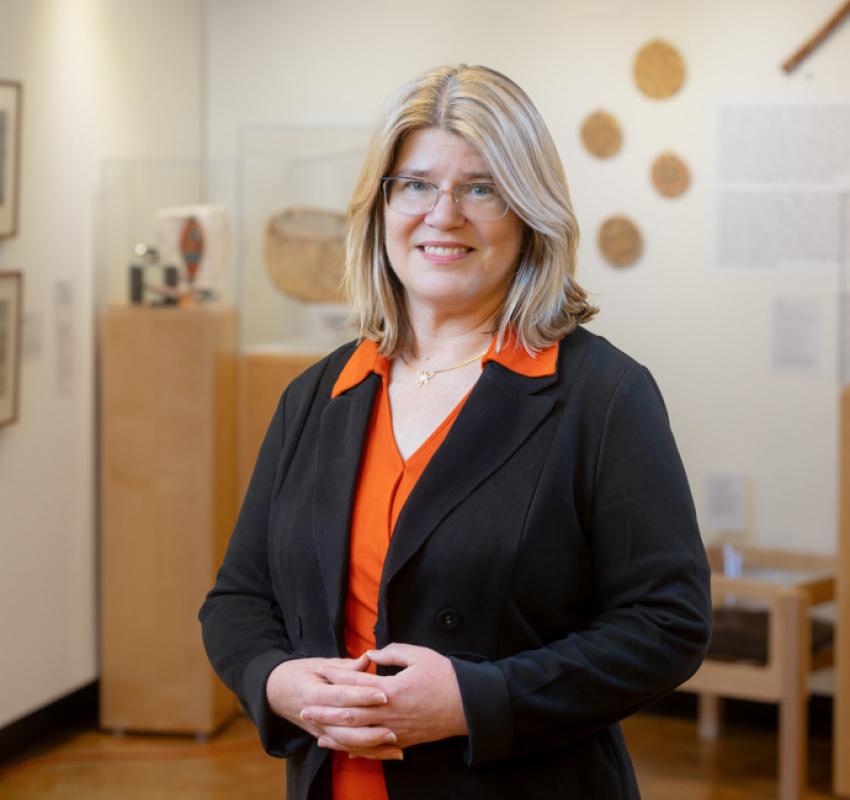
Jessie Helget
Jessica Helget, MS, RN, PHN is Senior Continuing Faculty in the Department of Nursing, where she serves as Simulation Faculty and teaches across the undergraduate nursing curriculum. She earned her Master of Science in Nursing Education from Saint Catherine University and her Bachelor of Arts in Nursing from Gustavus Adolphus College.
At Gustavus, Jessica leads the design, integration, and evaluation of simulation-based education across all levels of the program. Her expertise centers on high-quality clinical simulation aligned with the AACN Essentials and the International Nursing Association for Clinical Simulation and Learning (INACSL) Standards of Best Practice. She has developed a comprehensive simulation curriculum map that scaffolds student learning from foundational skills to complex clinical judgment, ensuring students graduate practice-ready and confident. In addition to simulation, she teaches medical-surgical nursing, and pre-health professions courses, blending didactic and experiential learning.
Helget’s teaching philosophy is deeply student-centered and grounded in experiential learning theory. She intentionally creates space for reflection, critical thinking, and application, often integrating mannequins and real-time clinical decision-making into classroom case studies. Her simulations follow structured pre-briefing and debriefing models such as PEARLS and Debriefing for Meaningful Learning, fostering psychological safety while challenging students to grow. Students frequently describe her courses as engaging, rigorous, and inspiring, reflecting her commitment to excellence and enthusiasm for the profession.
Her scholarly work focuses on simulation effectiveness, debriefing methodology, and NCLEX preparation. She has published in the Journal of Nursing Education and has presented regionally on innovative simulation practices. She currently collaborates with statistics students on research examining the impact of simulation on student outcomes and clinical readiness. She is actively involved in professional organizations including the National League for Nursing and INACSL, and she is pursuing Certified Healthcare Simulation Educator (CHSE) credentialing to further advance simulation scholarship and mentorship at Gustavus.
Within the College, Jessica serves on the Institutional Review Board, Nobel Committee, advises the Gustavus Student Nurses Association, participates in faculty mentoring and search committees, and contributes to campus initiatives such as Wellness as a Community. She is passionate about embedding equity, inclusion, and belonging principles into simulation scenarios, preparing students to provide culturally responsive care and address health disparities.
Beyond Gustavus, Helget continues to practice as a Registered Nurse at Mayo Clinic Health System in a progressive care setting, ensuring her teaching remains grounded in current clinical practice. She is also deeply engaged in community service, including board membership with the St. Peter Free Clinic and youth mentorship through local athletics and church programs.
Jessica believes nursing education is both an art and a science. She is committed to forming compassionate, competent leaders who will serve their communities with integrity, faith, and excellence—hallmarks of a Gustavus education.
Our People
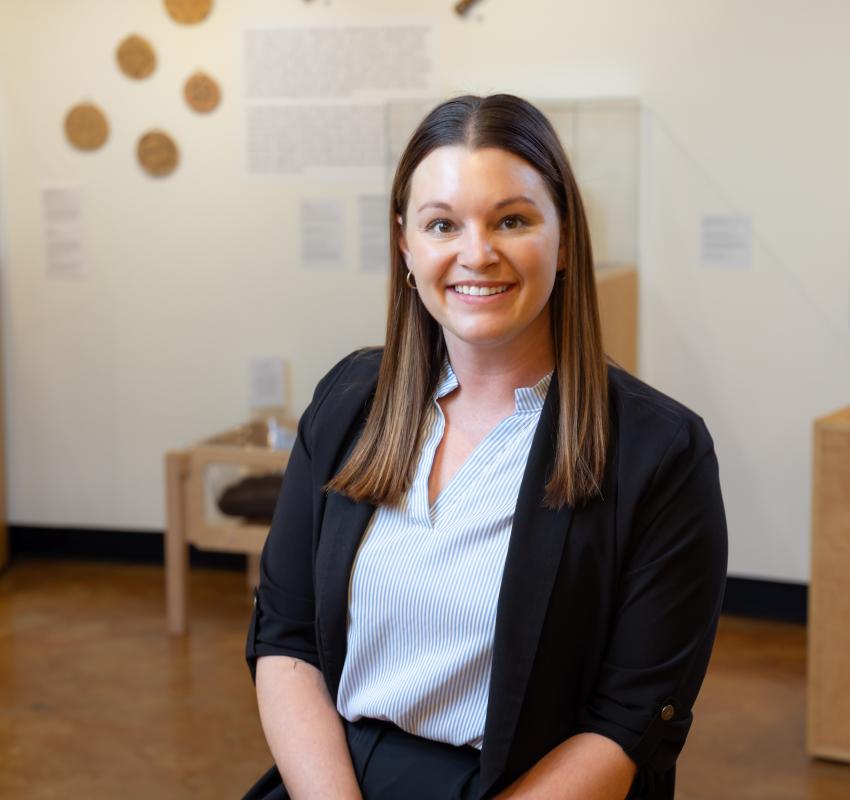
John Volin
John C. Volin, PhD serves as the 18th President of Gustavus.
Following a postdoctoral fellowship in plant physiological ecology at the University of Wisconsin-Madison, Volin accepted a faculty position at Florida Atlantic University, where he rose to the rank of full professor in the Department of Biological Sciences and served as the director of the Environmental Sciences graduate program. Volin joined the University of Connecticut in 2007 to head the Department of Natural Resources and the Environment, advancing to serve as Vice Provost of Academic Affairs. From 2020-2025, Volin served as the Executive Vice President for Academic Affairs and Provost at the University of Maine, where his portfolio included oversight of more than 1,000 faculty and staff and a budget of over $250 million. Volin is recognized as a national leader in using evidence-based practices to support holistic student wellbeing. He serves on the Executive Committee of the LearningWell Coalition and is a co-founder and senior advisor of LearningWell magazine.
Born and raised in Sioux Falls, South Dakota, Volin holds a BS in botany and biology and an MS in agronomy from the South Dakota State University, and a PhD in forestry from the University of Wisconsin-Madison. Volin and his wife, Valeria, have five children and six grandchildren.
Our People
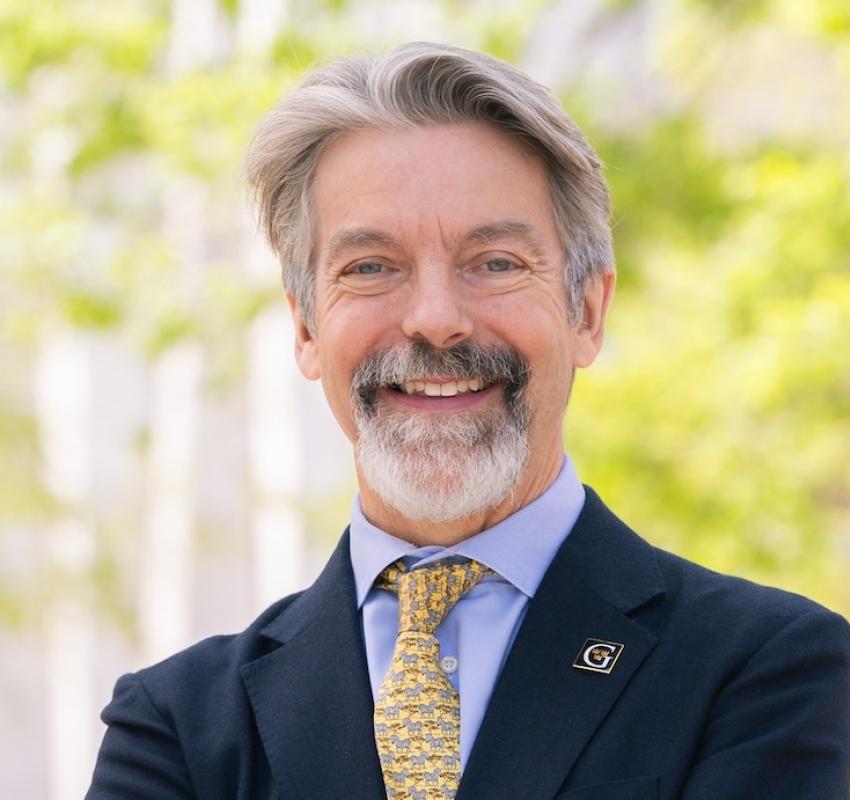
Kyle Chambers
Kyle E. Chambers is the Associate Provost for Institutional Research & Analytics. He leads a team focused on leveraging data to support strategic decision-making across the institution. Kyle oversees the development of data dashboards, research reports, and surveys that inform key areas such as student success, resource allocation, and program development. By collaborating with academic and administrative departments, he helps the college use data insights to enhance institutional effectiveness and foster a culture of informed decision-making that benefits the entire Gustavus community.
Kyle also serves chair of the Gustavus IRB (2020-present), and prior to joining the Provost's Office, he was the chair of the Department of Psychological Science (2017-2020). His research interests have been in cognitive development, typically focusing on issues related to language learning.