

Our People
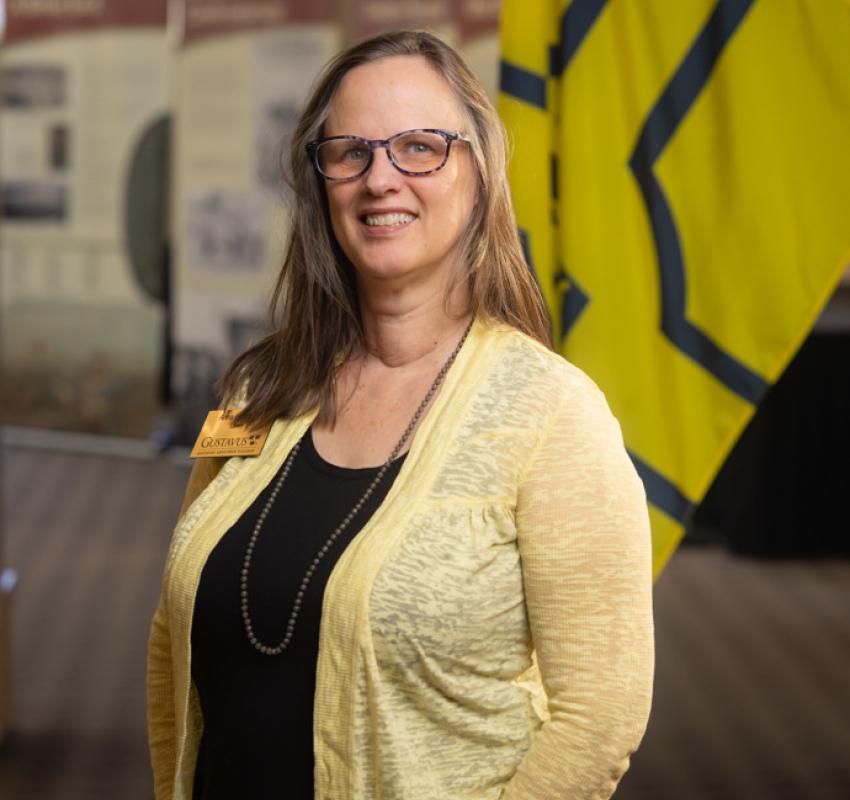
Anna Hulseberg
Anna Hulseberg has more than 20 years of experience teaching Gustavus students information literacy, which the Association of College & Research Libraries defines as “the set of integrated abilities encompassing the reflective discovery of information, the understanding of how information is produced and valued, and the use of information in creating new knowledge and participating ethically in communities of learning” (Framework for Information Literacy for Higher Education). Anna’s teaching ranges from course-integrated library instruction sessions to individual and group research consultations. She works with students in a variety of disciplines over their time at Gustavus, from First Term Seminars to upper level courses in the majors. Anna’s work also includes building a library collection that reflects the range of liberal arts scholarship and supports student research within the College curriculum. Over the years, she has enjoyed helping Gustavus students work to attain their full potential, with a special emphasis on facilitating their dispositions as lifelong learners and ethical consumers and creators of information.
Anna’s areas of research include information literacy, librarians in mentoring and advising, and librarianship as a profession (with an emphasis on electronic resources management). Her research has been published in journals such as College & Undergraduate Libraries, the Journal of Electronic Resources Librarianship, and College & Research Libraries News, and presented at venues including the American Library Association Annual Conference, Minnesota Library Association Annual Conference, and the Brick & Click Academic Library Conference. Anna is active in library science professional associations, having served on the boards of the Minnesota Library Association and its Academic and Research Libraries Division.
Anna’s involvement in the College has included service on a number of faculty committees, including the Faculty Personnel Committee, Faculty Development Committee (past chair), and Academic Operations Committee (past co-chair). She participates in collegial management of the Library and Archives department as co-Program Assessment Liaison (PAL) and on departmental committees. Anna works to celebrate Gustavus students’ achievements in the liberal arts as a past officer and active member of the Phi Beta Kappa honor society.
Our People
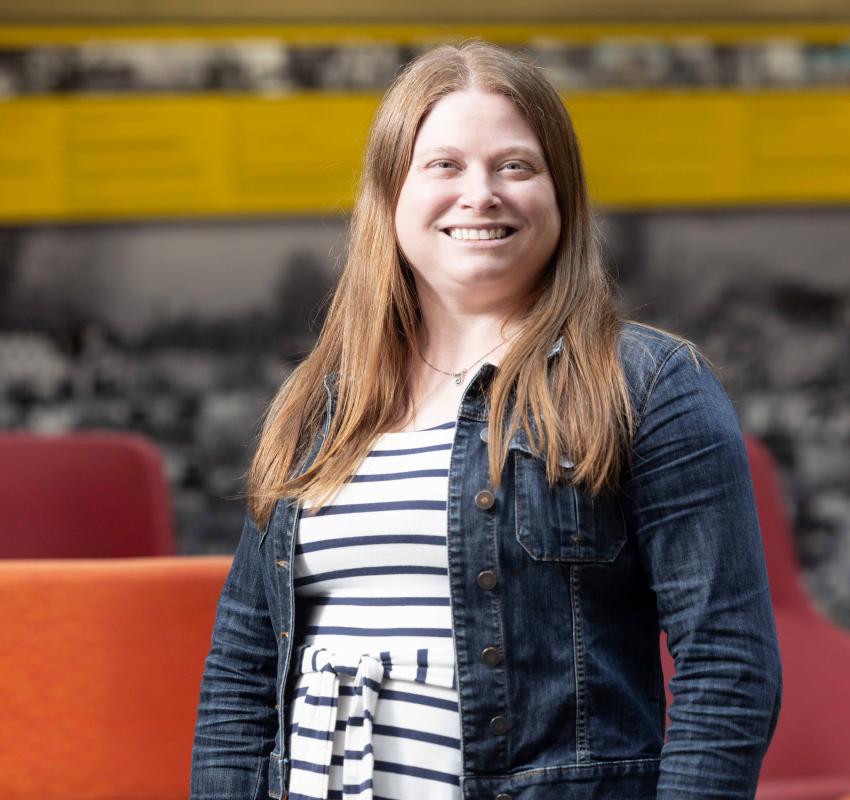
Mary Westby
Mary Westby is the Program Director for the Master of Athletic Training (MAT) program. She is responsible for the oversight of MAT, including working with the Clinical Education Coordinator and Research Coordinator to ensure curricular and clinical development, and implementation of the Commission on Accreditation of Athletic Training Education (CAATE) standards and ensuring the preparedness of students to practice independently upon graduation. She serves as one of the primary advisors for MAT current students and prospective students interested in athletic training. She teaches Foundations in Athletic Training (ATP 500), Clinical Pharmacology (NUR 337 and ATP 537 – a joint course between MAT and Nursing students), and Therapeutic Interventions in Athletic Training I and II (ATP 511 and 512). Her favorite topic to teach is therapeutic modalities – the application of physical agents and manual therapy to treat musculoskeletal injuries. This is also a research interest of hers along with assessment of student learning in athletic training programs.
She is also an Instructor and Instructor Trainer for the American Red Cross, regularly certifying current MAT students, undergraduate students, and campus faculty and staff in various levels of CPR training. As the advisor for the Gustavus Athletic Trainers' Association and Iota Tau Alpha, the national honor society for athletic training, Mary gets the opportunity to encourage community and professional service among the students in the ATP. She enjoys her opportunities to interact with students and other faculty inside and out of the classroom.
Mary is originally from Waconia, MN. She enjoys spending time with her family who are still in the area, including her niece and twin nephews. Mary, her husband and their son enjoy spending summers up north, fishing, and boating. During the long winter months Mary enjoys snowshoeing.
She is a BOC-certified athletic trainer, licensed in the state of Minnesota and a member of the National Athletic Training Association. She is involved in the athletic training profession at the national and state level as a peer reviewer for the CAATE and a member of the Minnesota Athletic Trainers Association (MATA) Governmental Affairs Committee. She is also the co-advisor of the MATA student senate.
Our People
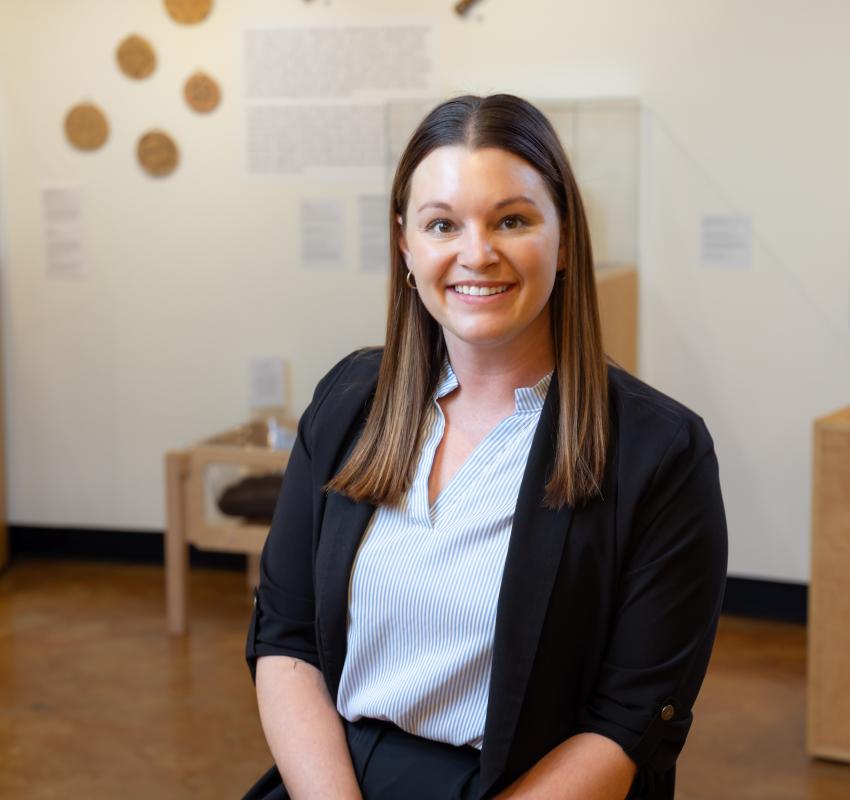
Jessie Helget
Jessica Helget, MS, RN, PHN is Senior Continuing Faculty in the Department of Nursing, where she serves as Simulation Faculty and teaches across the undergraduate nursing curriculum. She earned her Master of Science in Nursing Education from Saint Catherine University and her Bachelor of Arts in Nursing from Gustavus Adolphus College.
At Gustavus, Jessica leads the design, integration, and evaluation of simulation-based education across all levels of the program. Her expertise centers on high-quality clinical simulation aligned with the AACN Essentials and the International Nursing Association for Clinical Simulation and Learning (INACSL) Standards of Best Practice. She has developed a comprehensive simulation curriculum map that scaffolds student learning from foundational skills to complex clinical judgment, ensuring students graduate practice-ready and confident. In addition to simulation, she teaches medical-surgical nursing, and pre-health professions courses, blending didactic and experiential learning.
Helget’s teaching philosophy is deeply student-centered and grounded in experiential learning theory. She intentionally creates space for reflection, critical thinking, and application, often integrating mannequins and real-time clinical decision-making into classroom case studies. Her simulations follow structured pre-briefing and debriefing models such as PEARLS and Debriefing for Meaningful Learning, fostering psychological safety while challenging students to grow. Students frequently describe her courses as engaging, rigorous, and inspiring, reflecting her commitment to excellence and enthusiasm for the profession.
Her scholarly work focuses on simulation effectiveness, debriefing methodology, and NCLEX preparation. She has published in the Journal of Nursing Education and has presented regionally on innovative simulation practices. She currently collaborates with statistics students on research examining the impact of simulation on student outcomes and clinical readiness. She is actively involved in professional organizations including the National League for Nursing and INACSL, and she is pursuing Certified Healthcare Simulation Educator (CHSE) credentialing to further advance simulation scholarship and mentorship at Gustavus.
Within the College, Jessica serves on the Institutional Review Board, Nobel Committee, advises the Gustavus Student Nurses Association, participates in faculty mentoring and search committees, and contributes to campus initiatives such as Wellness as a Community. She is passionate about embedding equity, inclusion, and belonging principles into simulation scenarios, preparing students to provide culturally responsive care and address health disparities.
Beyond Gustavus, Helget continues to practice as a Registered Nurse at Mayo Clinic Health System in a progressive care setting, ensuring her teaching remains grounded in current clinical practice. She is also deeply engaged in community service, including board membership with the St. Peter Free Clinic and youth mentorship through local athletics and church programs.
Jessica believes nursing education is both an art and a science. She is committed to forming compassionate, competent leaders who will serve their communities with integrity, faith, and excellence—hallmarks of a Gustavus education.
Our People
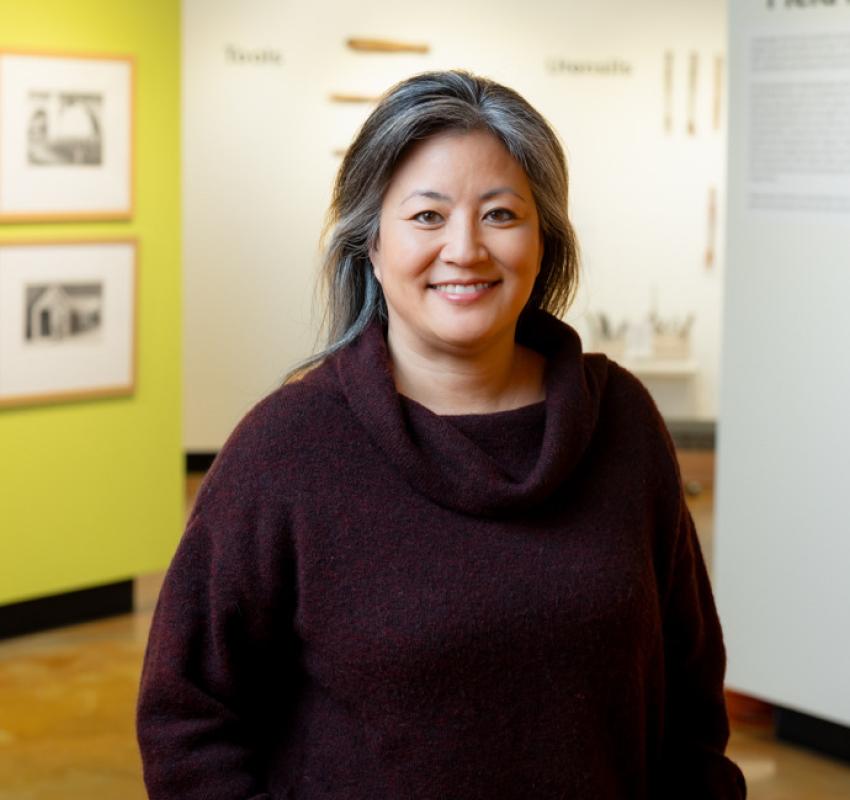
Yurie Hong
Yurie Hong is Professor of Greek, Latin, and Classical Studies and affiliated faculty in the Gender, Women, and Sexuality Studies program. Her teaching and research explore how stories, myths, and social structures from ancient Greece can help us think more deeply about ourselves, our relationships, and the world we live in. She regularly teaches ancient Greek language at all levels, courses on ancient Greek myth, culture, and society, and courses connecting the ancient world to contemporary questions and experiences.
Hong’s research centers on women, gender, and representations of pregnancy and childbirth in ancient Greece—especially the ways ancient people understood reproduction, family relationships, and social roles. Her scholarship examines topics such as the maternal-fetal relationship in ancient medical texts, the use of pregnancy and birth as metaphors for creativity and critical thinking, and the experiences of citizen, immigrant, and enslaved mothers in classical Athens. She has also published and presented widely on inclusive pedagogy, teaching about sensitive subjects such as race and gender violence in antiquity, and the personal and political relevance of classical studies today.
More recently, her work has explored connections between ancient and modern experiences, including reflections on identity, family history, democracy, and civic life. For example, she has written about arranged marriage and the myth of Persephone through the lens of her Korean grandmother’s experience as well as about political structures and crises in both American and Athenian democracy.
Across her scholarship and teaching, Hong encourages students to ask difficult questions: How do narratives shape the ways people understand themselves and others? Which perspectives are included or excluded from the stories societies tell? What can ancient cultures reveal about contemporary communities and institutions? In her classes, students are encouraged to bring their own experiences and perspectives into conversation with the ancient world to cultivate intellectual curiosity, ethical reflection, personal growth, and a deeper sense of connection to their communities and the wider world.
Hong has received the Society for Classical Studies Award for Excellence in the Teaching of Classics at the College Level, the Gustavus Faculty Service Award for work on the Faculty Task Force to revise the academic program, and the Mankato YWCA Woman of Distinction Award for leadership and community engagement.
Outside the classroom, Hong enjoys finding unexpected ways to connect popular culture and the ancient world. She is known for occasionally developing mini-obsessions with a film, television series, book, or Broadway musical—and then finding creative ways to bring those interests into her teaching.
Our People
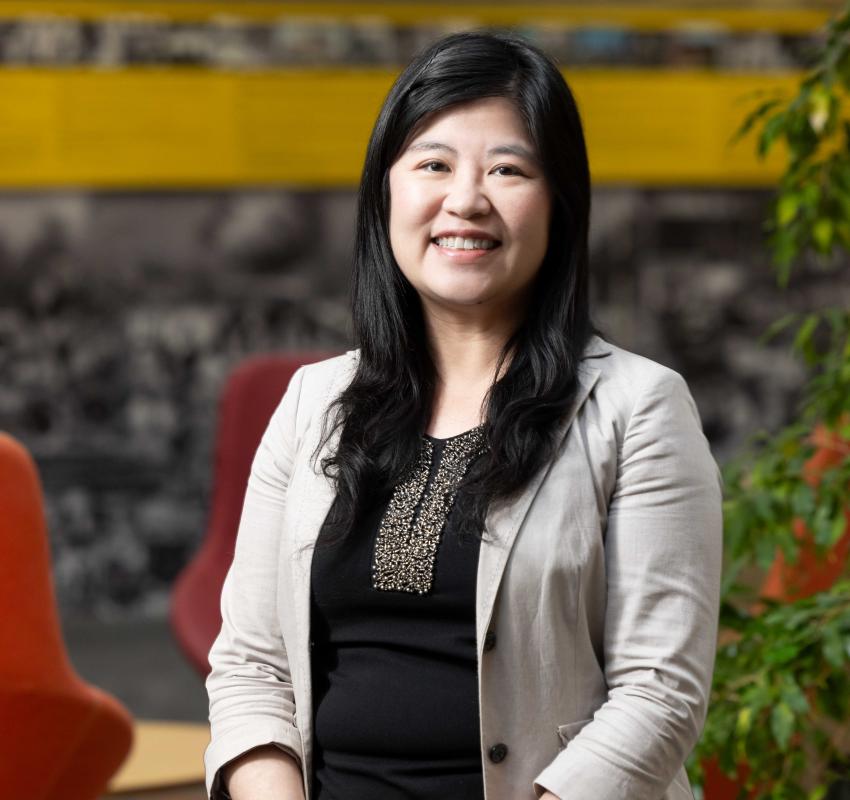
Shu-Ling Wang
Dr. Shu-Ling Wang is an associate professor of Economics. She joined Gustavus in 2016 after a two-year appointment at The College of Wooster. Her teaching interests include Intermediate Macroeconomics, Money and Banking, International Finance, Public Finance, and Principles of Economics. As an active instructor in an interactive and interdisciplinary liberal arts environment, she enjoys developing and experimenting with innovative pedagogies to enrich students’ learning experiences. She also values mentoring undergraduate research that fosters critical and independent thinking. At Wooster, she advised several year-long senior independent studies, and at Gustavus, she offers writing-in-the-discipline courses in economics and mentors class-based research projects. In October 2023, her Money and Banking students’ paper titled “The Asian Crisis of 1997” won third place in the Economic Communication category of the Minnesota Economic Association (MEA) Undergraduate Paper Contest. In 2025, Dr. Wang served as a faculty panelist at the MAYDAY! Peace Conference at Gustavus, participating in the teach-in model addressing issues of peace, human rights, and social justice. More recently, she served on the Nobel Conference '63 Planning Committee (theme: AI and Human Agency).
Dr. Wang’s research focuses on Macroeconomics, Monetary Economics, and International Finance. She studies fiscal and monetary policy issues—such as fiscal stimulus, public debt, tax policy, income distributional effects, and monetary policy, using dynamic stochastic general equilibrium (DSGE) models with representative or heterogeneous agents. Her papers have been published in the Journal of Macroeconomics, Review of International Economics, and Economic Modelling. She received the Mansergh Faculty Scientific Research Award at Gustavus in both 2022 and 2025. Her recent project examines the debt-financed stimulus effects in a high-debt economy without monetary independence, considering different schemes and speeds of debt adjustment in a two-sector New Keynesian model. Future projects will examine the redistribution effects between savers and hand-to-mouth agents of debt-financing policies. She regularly presents her work at the The Midwest Economics Association, Canadian Economics Association, Western Economics Association, and Liberal Arts Macroeconomics conferences.
In addition to her research, Dr. Wang actively contributes to professional service. She serves as a reviewer for the Journal of Macroeconomics, Economic Modelling, Contemporary Economic Policy, Cambridge University Press, and the Bulletin of Economic Research. She has also served on the steering and program committees for the Liberal Arts Macroeconomics Conference and was a member of the Board of the Minnesota Economic Association. In 2025 she served as a mentor and a panelist for junior women economists at the CeMENT workshop sponsored by the AEA at the Federal Reserve Bank of Chicago.
Beyond academia, Dr. Wang is a mother of three children. She enjoys architecture, art, photography, and music. Her favorite architects include Frank Lloyd Wright, Louis Sullivan, and Zaha Hadid. She is also inspired by the works of Georgia O’Keeffe, Edward Hopper, and Claude Monet. A musician herself, she plays the piano, violin, and pipa (a Chinese lute). Her favorite composer is Johann Sebastian Bach of the Baroque period.
Our People
Maria Isabel Kalbermatten
Maria Kalbermatten is a scholar and educator in Hispanic Studies. She teaches courses in Spanish language, culture, and linguistics. Her work centers on the study of humor in discourse, with a particular focus on verbal irony, political humor, and the ways humor operates in contexts of power, ideology, and social interaction. Drawing on approaches from pragmatics, discourse analysis, and critical literacy, her research examines how humor functions not only as entertainment but also as a tool for critique, affiliation, and meaning-making in everyday communication.
Her scholarship includes analyses of spontaneous conversations and media texts, exploring how speakers use irony and humor to negotiate relationships, express stance, and challenge dominant narratives. She has a particular interest in humor in Spanish-speaking contexts, including Latin America, and her recent work engages with questions of political discourse, manipulation, and the role of humor in shaping public opinion. Her research has been presented at national and international conferences and contributes to ongoing interdisciplinary conversations about language, culture, and society.
Kalbermatten is deeply committed to student-centered teaching and to creating an engaging, inclusive classroom environment. Her teaching philosophy emphasizes active learning, critical thinking, and the development of interpretive skills that allow students to analyze language and culture in meaningful ways. She frequently integrates her research into her courses, designing classes that invite students to explore authentic materials such as political cartoons, media discourse, and everyday interactions. In courses like Political Humor and Manipulation, she applies a critical literacy framework to help students examine how humor can both reinforce and challenge systems of power.
Kalbermatten teaches across the Spanish curriculum, from introductory language courses to advanced content courses, and contributes to interdisciplinary programs that engage with global perspectives, media, and cultural studies. She values mentoring students at all levels and enjoys supporting them in developing linguistic proficiency alongside cultural awareness and analytical skills.
In addition to her teaching and research, Kalbermatten is actively involved in service at the College and within the broader academic community. She contributes to curriculum development, participates in collaborative initiatives, and engages in professional activities that connect her work to wider scholarly and educational networks.
One of her favorite aspects of teaching at Gustavus is the opportunity to work closely with students in a liberal arts setting, where discussion, curiosity, and intellectual exploration are central. She values the strong sense of community on campus and the ways in which students bring diverse perspectives into the classroom.
Outside of her academic work, Kalbermatten enjoys creative and cultural activities that complement her scholarly interests, including drawing, exploring global cuisines, and engaging with music and the arts. These interests often inform her teaching and contribute to the dynamic, culturally rich learning experiences she fosters in her courses.
Our People
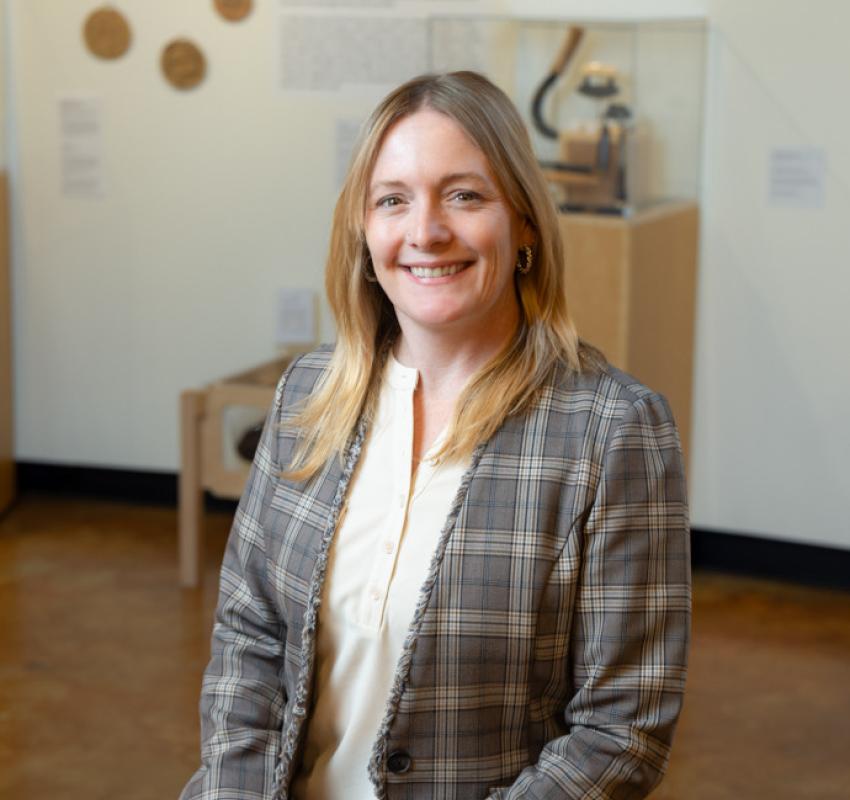
Lisa Ortmann
Lisa Ortmann, PhD is the Grace and Bertil Pehrson Endowed Professor and Associate Professor of Education at Gustavus. Dr. Ortmann’s education courses prepare future teachers across the grade levels and content areas to build a deep understanding of how children and adolescents learn to read and write, and the research-based methods of teaching literacy for all students. She was awarded the Innovation in Teaching Award from the Kendall Center for Engaged Learning for her “Literacy Histories” project, where education majors critically examine their own experiences of learning to read, write, and use language, identifying the ways their history shapes their teaching. She teaches a First Term Seminar course called “For the Love of Books!” where first-year students follow their curiosity as readers, reflecting on the value of literacy in their lives as citizens of a free and democratic society. Together, students build a reading community that sustains their values, shapes their identities, and expands their worldviews.
Dr. Ortmann’s scholarly work informs, and is informed by, her teaching and professional activities at the College and in the state. Her research areas include teachers’ uses of culturally responsive teaching practices and diverse literature, the instructional methods that support literacies of multilingual adolescent learners, and the impact of instructional coaching models to enhance teaching. Recent peer-reviewed publications include a co-authored study with a former Gustie student, “Developing Responsive Disciplinary Literacies for Student Teaching in Social Studies” in The Journal of Adolescent and Adult Literacy, and a state-wide study, "Surveying the Landscape: Minnesota's English Language Arts Teachers' Perspectives on Intellectual Freedom" in The Minnesota English Journal.
Dr. Ortmann’s professional service is in partnership with teachers and schools both locally and nationally. She is an engaged collaborator with Saint Peter and Mankato educators to design and facilitate real-world teaching opportunities for Gustie education majors at all stages of the four-year program. She serves the state of Minnesota as the Intellectual Freedom Chair for the board of the Minnesota Council of Teachers of English where she provides professional development to English Language Arts teachers across the state. She was selected to serve as a This Story Matters Teacher Corp Member on the National Council of Teachers of English to develop book rationales for teaching diverse literature. She consults and provides guidance on statewide reading initiatives for the Minnesota Association of Colleges of Teacher Education, and for the English Language Arts 2020 Standards development project with the Minnesota Department of Education.
In her moments of free time, you can find Dr. Ortmann outdoors at the lake or in her garden, reading a novel, running with her yellow lab Harley, or cheering loudly at her daughter’s performances and games. She is a passionate educator, who has found a home at Gustavus due to the life-long relationships that are built on campus. Mentoring new teachers into the profession is one of the greatest gifts of her career, especially when they return to campus with their own students.
Our People
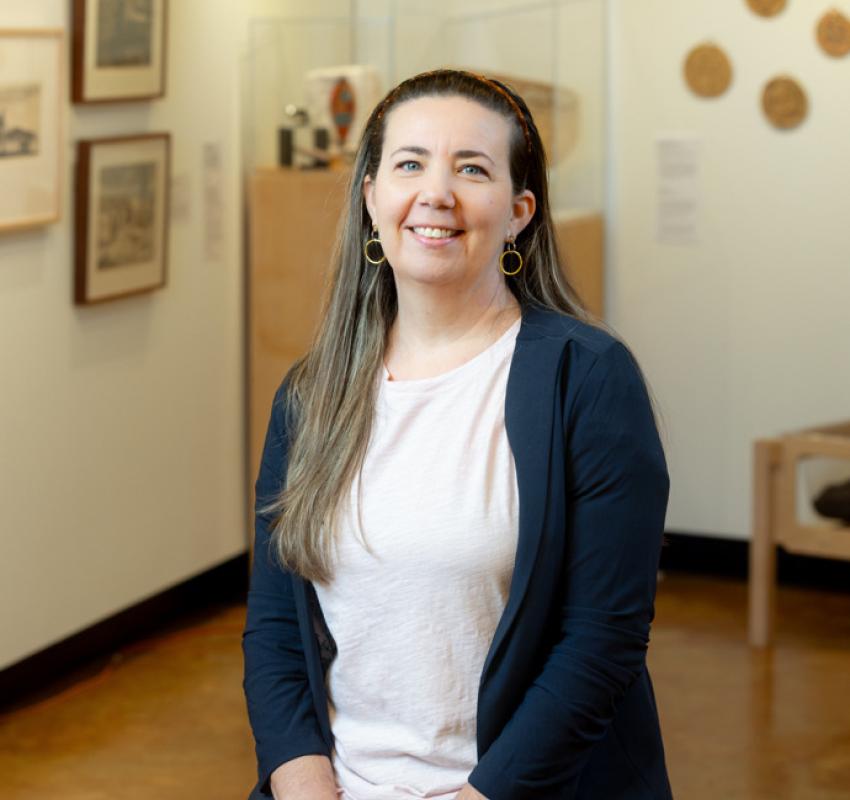
Angelique Dwyer
K. Angelique Dwyer is an Associate Professor of Spanish and the Program Director of Latin American, Latinx and Caribbean Studies (LALACS). She specializes in Mexico/U.S. Intercultural Studies and teaches courses on film, border studies, Latina/x/o literature, Spanish language, and Latin American culture. Dwyer is an engaged scholar who created the student organization "Language Buddies" that works in partnership with the St. Peter Public Schools, Free Clinic, and Food Pantry. Her courses co-embed service-learning and community engagement with the goal of broadening student's intercultural skills. She has published in the fields of Chicana/Latina Studies, creative nonfiction, and pedagogy. She is particularly interested in Latin@/Latin American pop culture through the lens of Performance Theory. She has a podcast called “Gringos Mexicanos,” which broadens the dialogue on Mexican American identity that features her short stories written in Spanglish. She has a forthcoming article on the assessment of intercultural skills gained by students via community engagement learning. Dwyer also enjoys dancing, trying new foods, and photography.
Our People
Karl Larson
Karl Larson, PhD, MCHES, is a Professor of Public Health and is dually appointed to the Master’s in Athletic Training program. Dr. Larson has lead the effort to build a presence for public health on the Gustavus campus and has served as the Program Director for the interdisciplinary program in public health since the program’s inception in 2018. Since his arrival at Gustavus in 2005, he has taught more than 20 different courses focusing on individual and population health including offerings such as stress management, sexuality, tai chi, youth coaching, as well as courses in public health programming, global health, behavioral theory, and epidemiology. Dr. Larson has served the campus community on numerous health related efforts and programs.
Professionally, Dr. Larson is nationally recognized as the “case study guy,” after designing and leading the National Case Study Competition in Health Education (NCSCHE), a role he has served in since 2006. He also has served as the president of the Minnesota Society for Public Health Education from 2015-2018, and has been the recipient of the Karen Denard Goldman Mentor Award (SOPHE), the Dean’s Distinguished Lecturer (New York Medical College), and has received the W.E Schaller Presidential Citation from Eta Sigma Gamma for his professional development work with college students. He is the author of four books including Consumer Health and Integrative Medicine and The Truth About Violence.
Our People
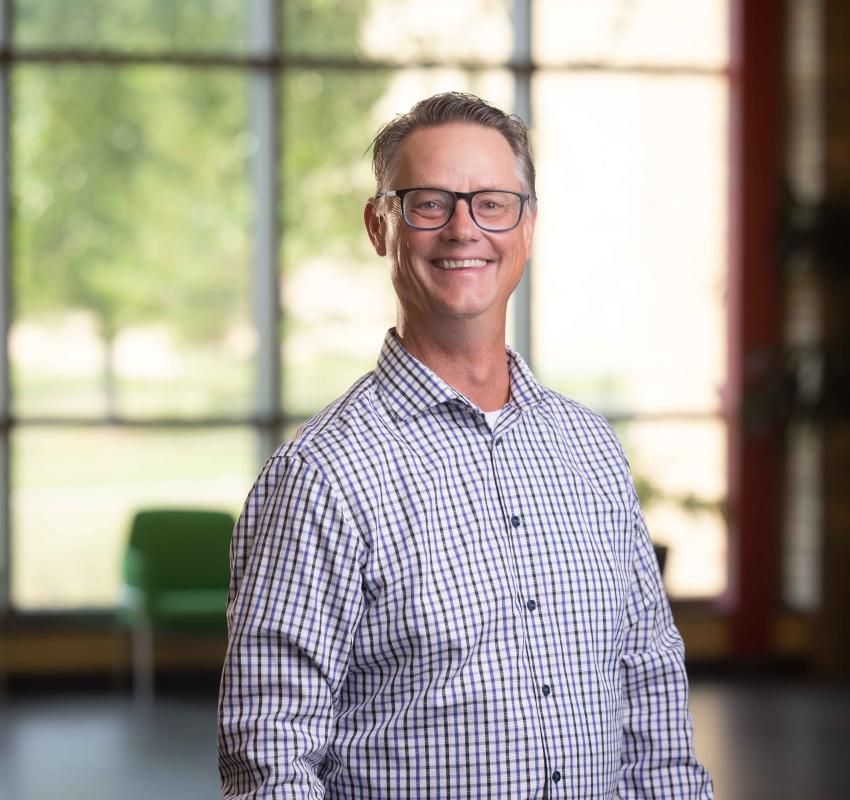
John Volin
John C. Volin, PhD serves as the 18th President of Gustavus.
Following a postdoctoral fellowship in plant physiological ecology at the University of Wisconsin-Madison, Volin accepted a faculty position at Florida Atlantic University, where he rose to the rank of full professor in the Department of Biological Sciences and served as the director of the Environmental Sciences graduate program. Volin joined the University of Connecticut in 2007 to head the Department of Natural Resources and the Environment, advancing to serve as Vice Provost of Academic Affairs. From 2020-2025, Volin served as the Executive Vice President for Academic Affairs and Provost at the University of Maine, where his portfolio included oversight of more than 1,000 faculty and staff and a budget of over $250 million. Volin is recognized as a national leader in using evidence-based practices to support holistic student wellbeing. He serves on the Executive Committee of the LearningWell Coalition and is a co-founder and senior advisor of LearningWell magazine.
Born and raised in Sioux Falls, South Dakota, Volin holds a BS in botany and biology and an MS in agronomy from the South Dakota State University, and a PhD in forestry from the University of Wisconsin-Madison. Volin and his wife, Valeria, have five children and six grandchildren.