

Our People
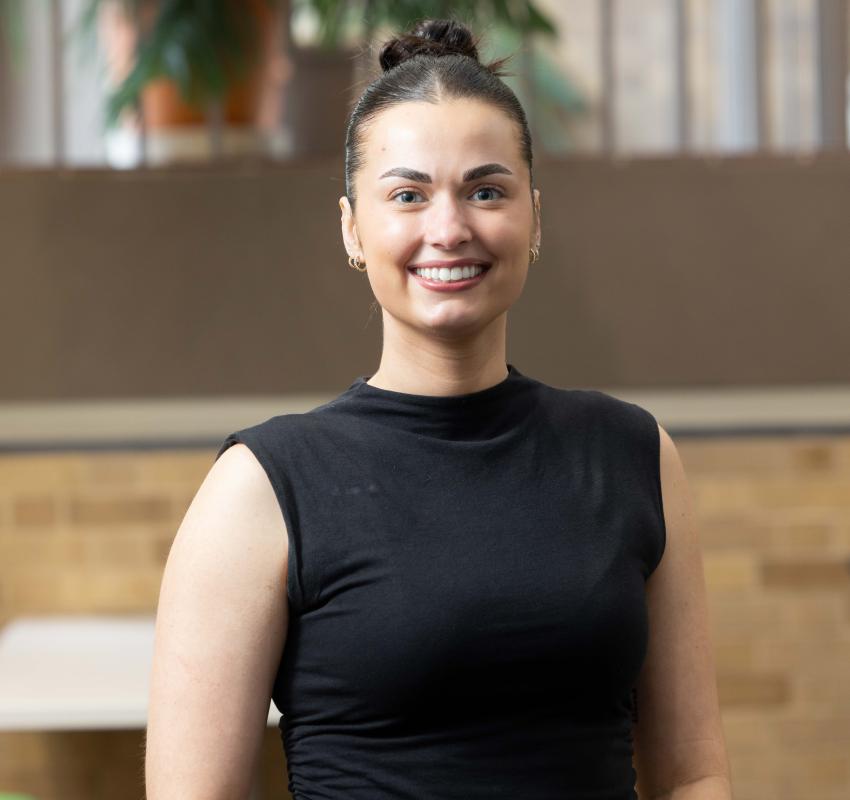
Emma Brunton
Emma Brunton ’19 is an instructor in the Health and Exercise Science Department. She recently returned to her alma mater after receiving her master's in Community Health Education from Minnesota State University, Mankato. Her professional expertise centers on preparing future health and physical education teachers and coaches through evidence-based, purpose-driven practices. Currently, her work focuses on athlete development, leadership training, and incorporating mental health and functional movement into sport. She has led important cross-divisional service initiatives, including the Mental Health Club and Hope Squad, to promote student well-being and support. Brunton received the Golden Apple Award in 2021 and the Section 1A Assistant Coach of the Year award in 2021 and 2025. Outside of academic work, she enjoys weight lifting, painting, reading, and spending time with her husband, family, friends, and dog.
Our People
John Volin
John C. Volin, PhD serves as the 18th President of Gustavus.
Following a postdoctoral fellowship in plant physiological ecology at the University of Wisconsin-Madison, Volin accepted a faculty position at Florida Atlantic University, where he rose to the rank of full professor in the Department of Biological Sciences and served as the director of the Environmental Sciences graduate program. Volin joined the University of Connecticut in 2007 to head the Department of Natural Resources and the Environment, advancing to serve as Vice Provost of Academic Affairs. From 2020-2025, Volin served as the Executive Vice President for Academic Affairs and Provost at the University of Maine, where his portfolio included oversight of more than 1,000 faculty and staff and a budget of over $250 million. Volin is recognized as a national leader in using evidence-based practices to support holistic student wellbeing. He serves on the Executive Committee of the LearningWell Coalition and is a co-founder and senior advisor of LearningWell magazine.
Born and raised in Sioux Falls, South Dakota, Volin holds a BS in botany and biology and an MS in agronomy from the South Dakota State University, and a PhD in forestry from the University of Wisconsin-Madison. Volin and his wife, Valeria, have five children and six grandchildren.
Our People
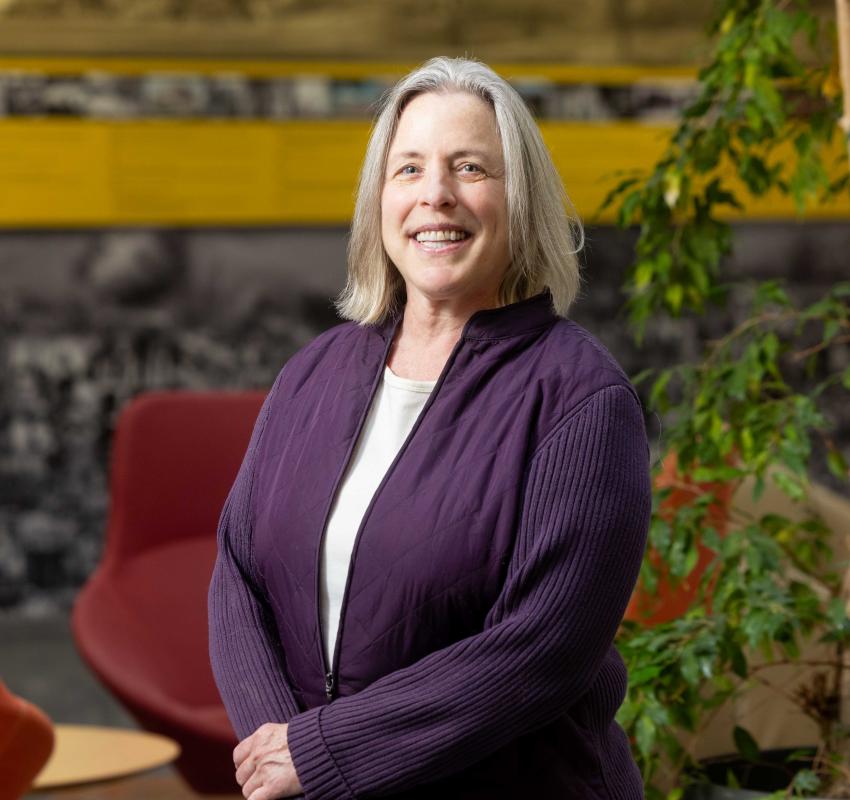
Lisa Dembouski
Lisa "LD" Dembouski, Ph.D., has been a mental health worker, Peace Corps Volunteer, and wilderness survival counselor before beginning work in her true passion and profession: education. She taught for 15 years in public K-12 schools before finding her next true love in teacher preparation at Gustavus, where she instructs a variety of courses and supervises teacher candidates in field placements. LD also devotes a great deal of her time and energy supporting Global Educators, a highly unique opportunity for Gusties to complete part of their student teaching semester in "away" destinations.
Our People
Kyle Chambers
Kyle E. Chambers is the Associate Provost for Institutional Research & Analytics. He leads a team focused on leveraging data to support strategic decision-making across the institution. Kyle oversees the development of data dashboards, research reports, and surveys that inform key areas such as student success, resource allocation, and program development. By collaborating with academic and administrative departments, he helps the college use data insights to enhance institutional effectiveness and foster a culture of informed decision-making that benefits the entire Gustavus community.
Kyle also serves chair of the Gustavus IRB (2020-present), and prior to joining the Provost's Office, he was the chair of the Department of Psychological Science (2017-2020). His research interests have been in cognitive development, typically focusing on issues related to language learning.
Our People
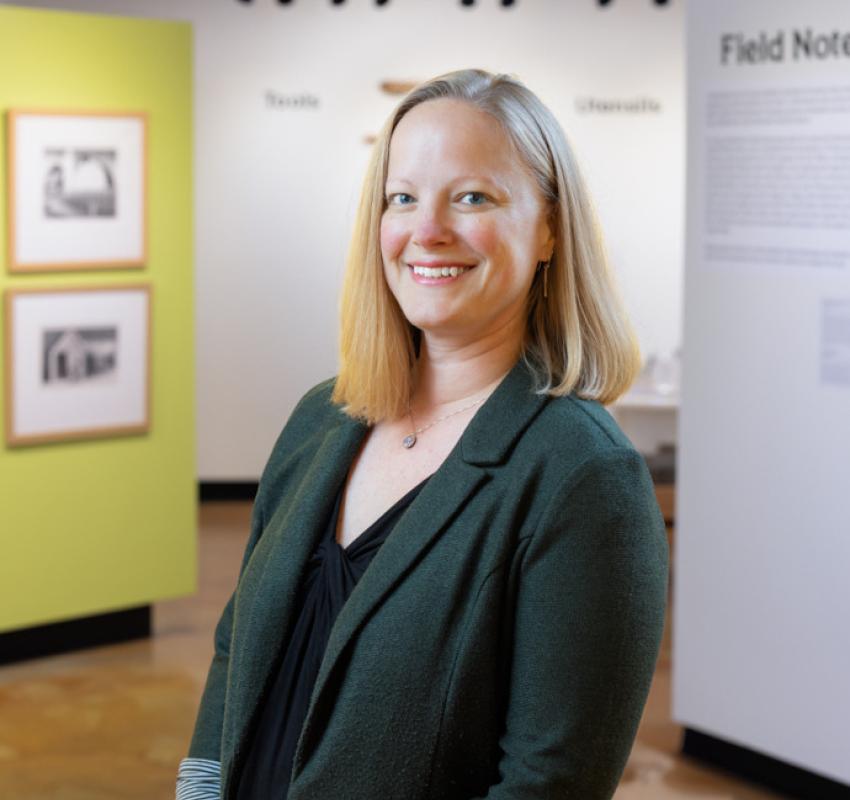
Lauren Hecht
Dr. Lauren Hecht is the Richard Martin, Timothy Robinson, and Barbara Simpson Endowed Professor of Psychological Science. She joined the faculty in 2010 and was the 2022 recipient of Gustavus’ Edgar M. Carlson Award for Distinguished Teaching. She is a cognitive psychologist whose primary research focuses on perception and attention, how they interact, and their influence on other cognitive processes. Her student-faculty collaborations have secured grant funding and resulted in presentations at regional and international conferences. As a First-Generation faculty who directed the First Term Seminar (FTS) Program and co-founded the Peer Mentor, Academic Leader, and Teacher (Peer MALT) Program, she regularly offers an FTS and supports students through their transition to college.
Our People
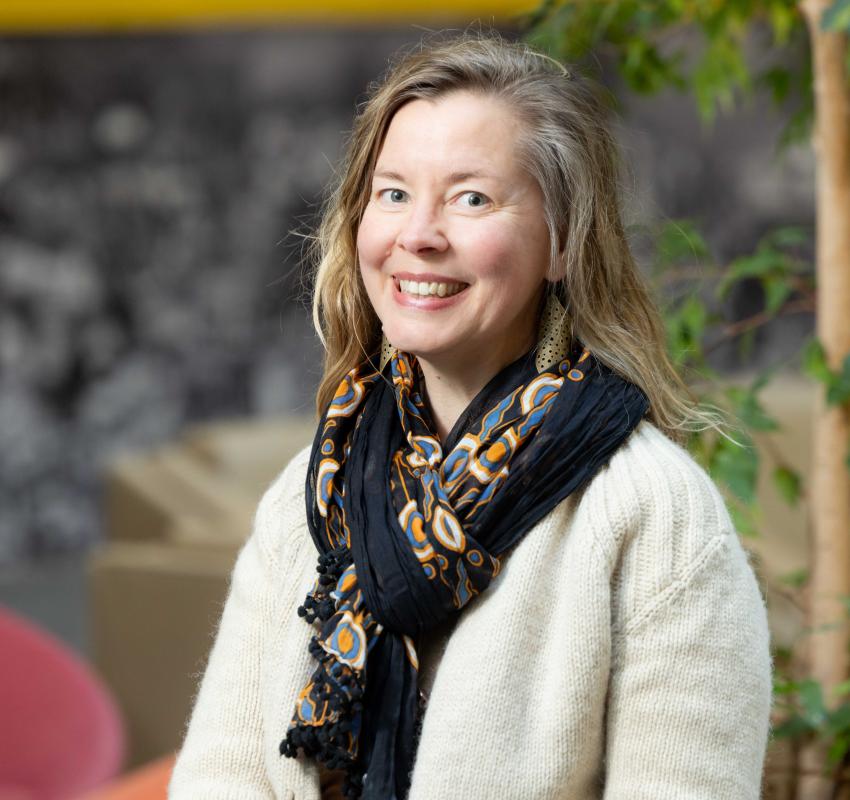
Kjerstin Moody
Kjerstin Moody (PhD) is an associate professor and chair of the Department of Scandinavian Studies. She teaches courses in English on contemporary Nordic society, politics, cultures, literature, film, and art, as well as beginning through advanced courses in Swedish. Her published scholarship and current research includes: 20th century and contemporary Nordic poetry, literatures of migration and the environment, women’s writing, and Nordic film. Service at the national level includes the Modern Language Association's CLCS Nordic Forum, Fulbright National Selection Committee, and American Literary Translators Association, as well as peer reviewer for numerous international and national scholarly journals. Affiliate faculty in Comparative Literature, Environmental Studies, and Gender, Women, and Sexuality Studies at Gustavus. Her work has been supported by the National Endowment for the Humanities, Fulbright, American Scandinavian Foundation, and U.S. Department of Education.
Our People
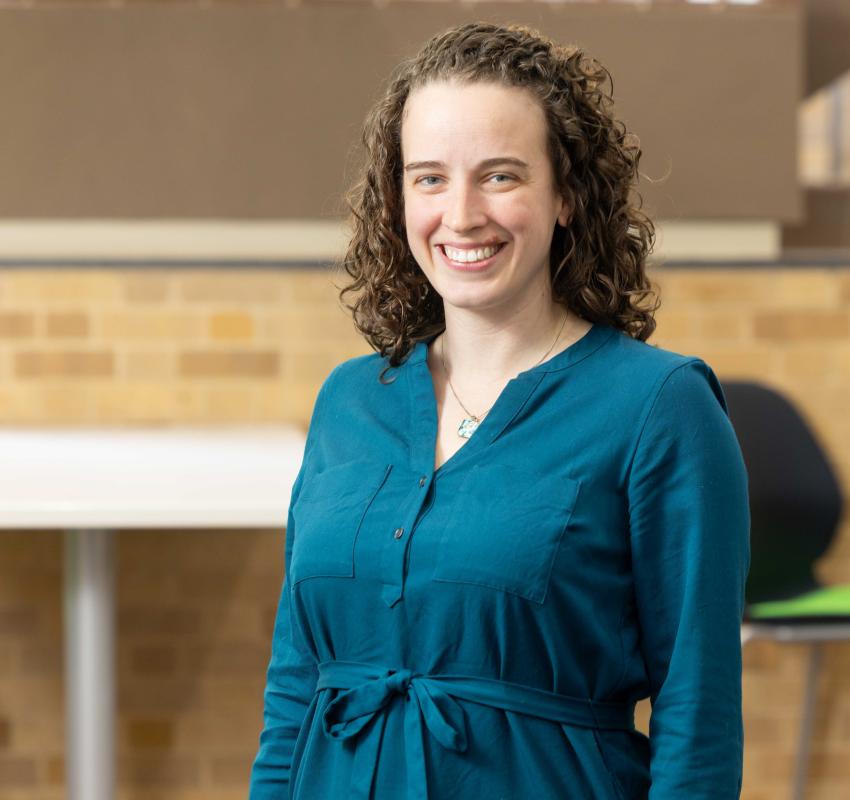
Janie Frandsen
Dr. Janie Frandsen is the Arthur Glass, Charles Hamrum, and Arne Langsjoen Endowed Professor of Biochemistry. Holding a joint appointment in the departments of Biology and Chemistry, she teaches and advises students in the interdisciplinary Biochemistry and Molecular Biology (BMB) program. In her courses, students explore the intersection of the biological and chemical worlds while developing a scientific mindset, essential skills for careers in research or medicine. More importantly, within a liberal arts context, she guides students to become sophisticated thinkers, problem-solvers, and communicators who possess a deep sense of identity, meaning, and purpose — skills that prepare them for lives of leadership and service, no matter what their future holds.
Dr. Frandsen’s research focuses on studying the structure-function relationship of non-coding regulatory RNAs in bacteria, such as riboswitches and small RNAs. Using Escherichia coli as a model organism, her lab combines computational, biochemical, and genetic techniques to understand these molecular mechanisms, with the long-term goal of aiding the development of novel antibiotics to combat antibiotic resistance. Undergraduate researchers engage in high-impact, hands-on discovery, executing experiments ranging from cell culture-based reporter assays to in vitro binding assays with transcribed RNAs and purified proteins. Dr. Frandsen and her students routinely present their work on and off campus and seek support through internal and external grants.
In the classroom, Dr. Frandsen creates structured, inclusive spaces where every student can thrive. Recognizing that students enter college with unique paths and positionalities, she pairs high expectations with robust, equitable support frameworks. To shift focus from stressful numeric grades to deep, formative learning, she implements innovative alternative grading practices, including “ungrading” and contract grading, in her courses. Whether analyzing real-world case studies, developing a growth mindset, or exploring vocation, students are challenged to see themselves as fully capable scientists and multifaceted humans.
Dr. Frandsen’s dedication to excellence extends to her service and leadership on campus. Notably, she has collaborated with her BMB colleagues to complete a comprehensive program review and secure accreditation from the American Society for Biochemistry and Molecular Biology (ASBMB) for the Gustavus BMB program. This prestigious distinction ensures that Gustavus BMB majors graduate from a program validated at the highest national level, opening doors to future careers in academic research, scientific industries, and health professions.
Outside of the classroom and laboratory, Dr. Frandsen claims the title of adventurer. Her adventures range from the local, such as exploring regional hiking trails with her dog, trying out new recipes, or learning a new fiber art, to the momentous, including international hiking trips and family trips to America’s National Parks.
Our People
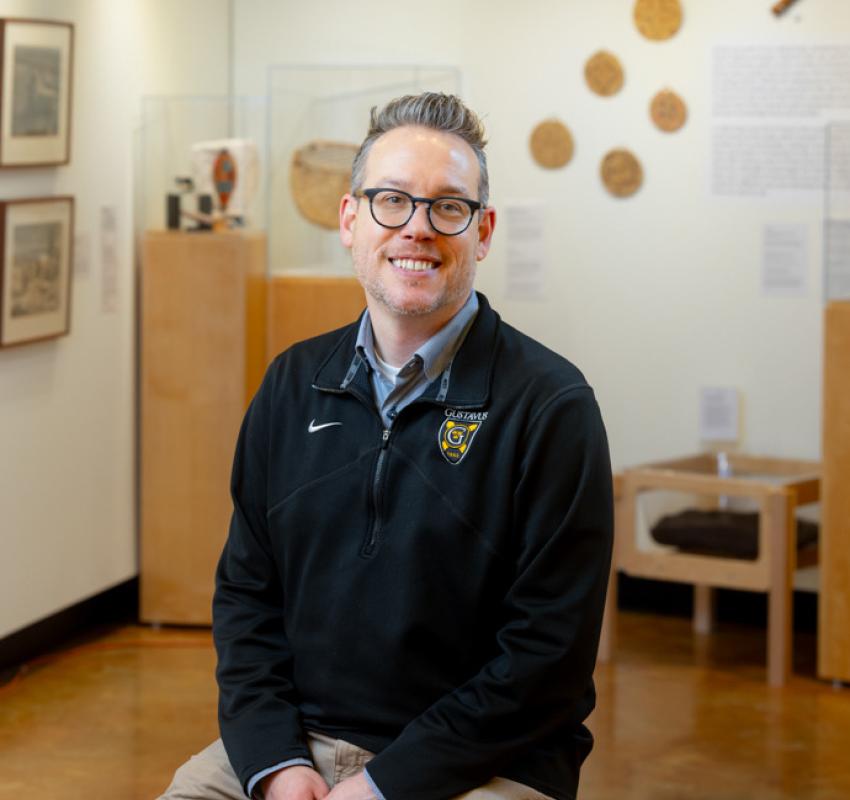
David Stamps
Dr. David Stamps anchors his career in the deliberate synthesis of creative practice, academic inquiry, and institutional leadership. As a multi-faceted educator and administrator, he serves as the Assistant Provost of Faculty Development and Support, the Director of the John S. Kendall Center for Engaged Learning, and an Associate Professor of Music and Arts Entrepreneurship. Across all his roles, Dave is dedicated to cultivating environments where both faculty and students can thrive creatively, pedagogically, and professionally.
With a deep-rooted passion for music and the creative economy, Dave’s academic expertise encompasses jazz composition and arranging, music business and industry, recording technology, and jazz ensemble direction. His work as a composer and performer is recognized globally; his music has been performed on stages across five continents, spanning Asia, Australia, Europe, North America, and South America. Extending the reach of the classroom onto the world stage, Dave’s international footprint includes significant time spent in Romania as a visiting artist and scholar.
In his administrative capacities, Dave is a collaborative leader championing the future of higher education. His primary focus areas include faculty development, inclusive mentoring, arts administration, and the strategic, ethical engagement with artificial intelligence (AI) in learning environments. Whether navigating the impact of emerging technologies in the classroom or building equitable mentoring frameworks, Dave focuses on empowering educators to excel in an ever-changing academic landscape.
Beyond his campus responsibilities, Dave is the co-founder and Past President of the International Society of Jazz Arrangers & Composers (ISJAC), an organization dedicated to fostering advocacy, community, and the appreciation of new works among jazz creators worldwide.
Our People
Melanie VanRoekel
Melanie VanRoekel serves as adjunct faculty in the Business and Economics Department. She brings extensive experience as an executive and accounting professional to her teaching, helping students connect technical accounting concepts to real-world decision making.
With a background in financial leadership, VanRoekel is passionate about preparing students for careers in accounting and finance. Her professional experience informs her approach in the classroom, where she emphasizes not only how accounting standards are applied, but why they matter in practice. She believes students learn best when they understand the underlying concepts and develop the ability to think critically about financial information.
Melanie's teaching philosophy centers on clarity, structure, and professional readiness. She challenges students to move beyond memorization and instead build the analytical skills and judgment necessary for success in public accounting, corporate finance, and other business roles. She is especially committed to helping students gain confidence with complex topics and preparing them for the rigor of the CPA exam and professional practice.
VanRoekel values an engaged and supportive classroom environment. She incorporates factual scenarios to mirror the types of issues graduates will encounter in their careers. Outside the classroom, she remains active in business leadership and professional development. She considers it a privilege to teach at Gustavus and is dedicated to helping students leave the program well prepared for their next steps.
Our People
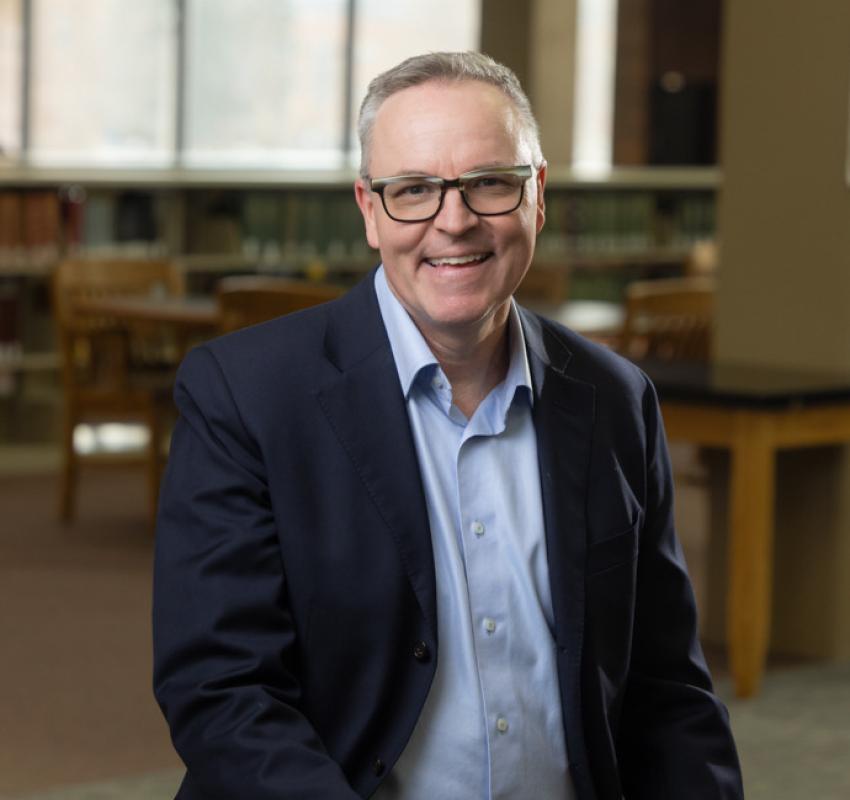
John Hake
Jay Hake is a faculty member in the Business and Economics Department, where he teaches Business Law, Conflict Management, Entrepreneurship, and Social Entrepreneurship. Jay brings an integrated perspective to his faculty role: that of a licensed attorney, seasoned executive, and entrepreneur who has built companies, closed venture financings, and advised startup founders navigating the full arc of early-stage growth.
Jay's teaching philosophy centers on experiential, student-led inquiry. He believes that rigorous frameworks become meaningful only when students apply them to real decisions, and his courses are designed to support this approach, incorporating active discussion, case-based reasoning, and real world application. Whether working through contract disputes, conflict resolution scenarios, or the design of ventures built to generate both economic and social value, his students engage with material that mirrors the complexity of professional life.
Jay’s professional background spans roles as Chief Executive Officer, Chief Operating Officer, and General Counsel across technology, software, and consumer products companies. He has structured equity financings, negotiated complex commercial agreements, managed board and investor relations, and guided organizations through periods of rapid scaling. That operational and legal experience informs his approach to teaching at every stage: from identifying opportunity and building teams, to navigating the legal, ethical, and strategic challenges that define a business’s trajectory.
In addition to his work at Gustavus, Jay leads a boutique consulting firm, serving executives and startup leaders on strategic planning, leadership development, and organizational growth.
Outside of the classroom, Jay is an avid fly fisherman, hiker, lover of the outdoors, and a reader.
Our People
Sarah Erickson-Lume
Sarah Erickson Lume grew up near Ann Arbor, MI and had the privilege of spending summers at the international music camp, Interlochen Center for the Arts. This experience instilled in her the love of music making and she began to cultivate the artistic discipline of practicing, rehearsing, and performing within the context of a supportive community. Valuing a liberal arts education, she attended Sarah Lawrence College, outside of New York City while continuing to study oboe with Laura Ahlbeck (Metropolitan Opera) and Randall Wolfgang (New York City Ballet).
Sarah worked at NYC’s Carnegie Hall before entering graduate school at Carnegie Mellon University, where she was the student of her most influential teacher, Cynthia Koledo DeAlmeida (Principal Oboist of the Pittsburgh Symphony). While pursuing a master’s degree in music performance, her momentum flourished both as a musician and as a reed maker. The Philadelphia style of reed making, and the resulting benefits to the oboist, is a specialty she now passes on to her own students. During this time, Sarah also attended Aspen Music Festival in Colorado, and Orford Music Festival, in Quebec.
Her work in the Twin Cities includes chamber music and freelance performances as well as previous work with the Duluth Symphony Orchestra, South Dakota Symphony Orchestra, and Minnesota Waldorf School. Having been an oboe instructor at Gustavus Adolphus College for more than twenty years, Sarah has found teaching to be one of the most fulfilling jobs of her career. She maintains a private home studio and teaches as an adjunct faculty member at other area colleges. Her interests include Alexander Technique, optimal performance psychology, practicing the piano, and recorder, as well as running. Sarah and her husband, a visual artist and professor, have two daughters.
Our People
Sarah Wolter
Dr. Sarah Wolter serves as an Associate Professor and Chair of Communication Studies as well as an Assistant Women’s Golf Coach at Gustavus Adolphus College.
Dr. Wolter teaches a diverse range of courses, most notably Introduction to Critical Media Studies (COM 115), Public Discourse (COM 120), and the Sport Management cross-listed Communication and Sport (COM 373). Driven by a commitment to critical pedagogy, she utilizes evidence-based, high-impact practices and systematic assessment to elevate student learning. Her dedication to the classroom has earned her several honors, including the Gustavus Innovative Teaching Award, the Gustavus Provost’s Award for Teaching Excellence, and the Minnesota Campus Compact President’s Civic Engagement Steward Award.
Dr. Wolter’s scholarship spans two distinct areas of inquiry: the impact of sport media on culture and institutions and civic engagement and media literacy in communication pedagogy. Dr. Wolter’s scholarship is published in leading journals such as the International Journal of Sport Communication, Communication and Sport, the Journal of Issues in Intercollegiate Athletics, and the Journal of Community Engagement in Higher Education.
Beyond the classroom, Dr. Wolter serves in a variety of institutional service roles. As an assistant coach for the Gustavus women’s golf team, she helps manage practices and team travel for regional and national tournaments, where she intentionally infuses liberal arts values to bridge the gap between student athletes’ academic and athletic pursuits. Beyond athletics, in addition to her role as Department Chair and Program Assessment Liaison for Communication Studies, she is a Title IX Adjudicator and has served as Co-Program Director of Sport Management. She also actively supports the campus community through new faculty mentoring and serving on various faculty and administrative search committees.
Outside of her professional roles, Dr. Wolter enjoys golfing, hiking, traveling, and spending time with her family and friends.
Dr. Sarah Wolter CV