Our People
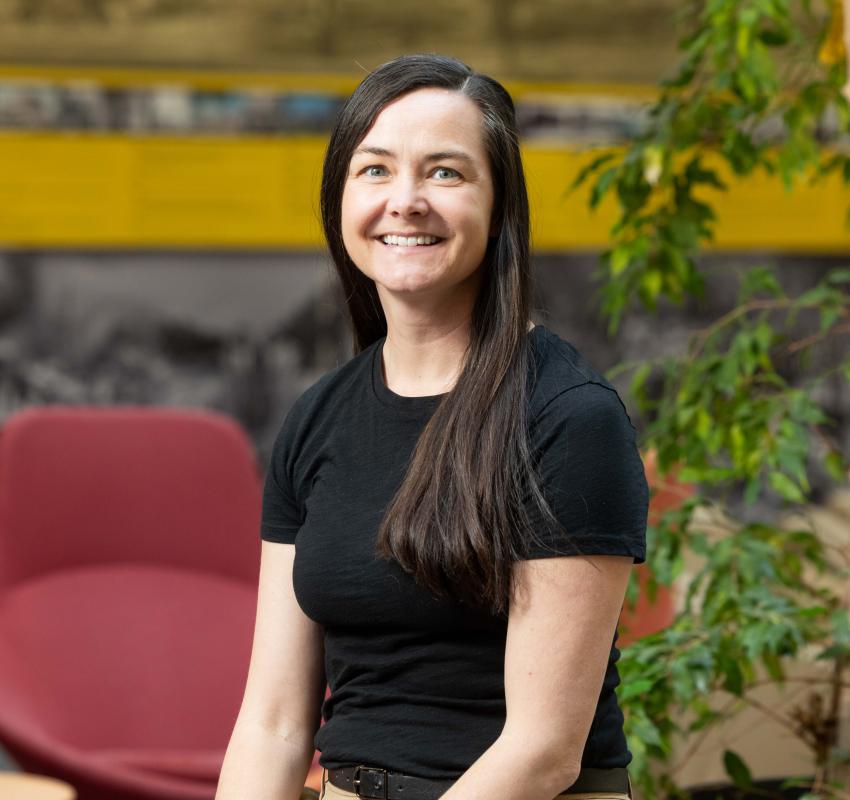
Sean Easton
Seán Easton is a professor of Greek, Latin and Classical Studies (GLCS). His research and teaching are focused on three main areas: Representations of Ancient Greece and Rome in visual media, especially movies and television; epic poetry and later writers who adapt it from it (especially Shakespeare); and environmental thought, peacemaking and the conflict emotions in ancient Greece and Rome. He teaches courses in the following interdisciplinary programs: Peace, Justice, and Conflict Studies (PJCS); Comparative Literature; Environmental Studies; Film Studies; and Sports Management. He has published articles and chapters on the Roman epic poet Lucan and the representations of Alexander the Great in Sohrab Modi’s film 'Sikandar' (India, 1941) and Oliver Stone’s 'Alexander' (USA, 2004), the Greco-Persian Wars in the '300' franchise films, Greek and Roman myth in John Frankenheimer’s classic 'Seconds' (1966), Terrence Malick’s epic 'New World' (2005), and George Nolfi’s adventure-romance 'The Adjustment Bureau' (2011).
Our People
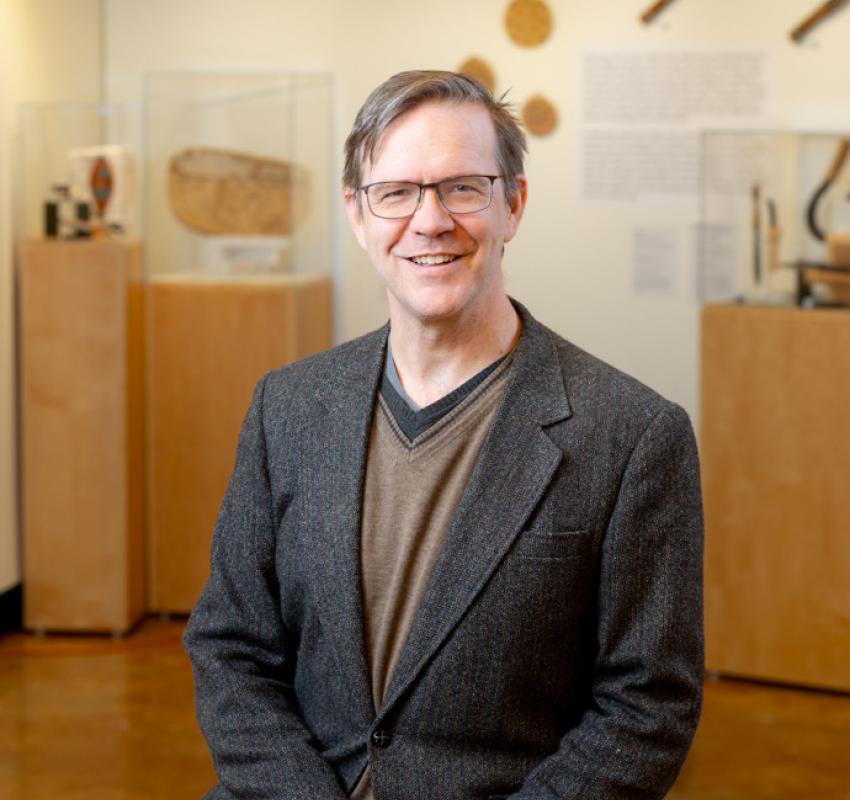
Angelique Dwyer
K. Angelique Dwyer is an Associate Professor of Spanish and the Program Director of Latin American, Latinx and Caribbean Studies (LALACS). She specializes in Mexico/U.S. Intercultural Studies and teaches courses on film, border studies, Latina/x/o literature, Spanish language, and Latin American culture. Dwyer is an engaged scholar who created the student organization "Language Buddies" that works in partnership with the St. Peter Public Schools, Free Clinic, and Food Pantry. Her courses co-embed service-learning and community engagement with the goal of broadening student's intercultural skills. She has published in the fields of Chicana/Latina Studies, creative nonfiction, and pedagogy. She is particularly interested in Latin@/Latin American pop culture through the lens of Performance Theory. She has a podcast called “Gringos Mexicanos,” which broadens the dialogue on Mexican American identity that features her short stories written in Spanglish. She has a forthcoming article on the assessment of intercultural skills gained by students via community engagement learning. Dwyer also enjoys dancing, trying new foods, and photography.
Our People
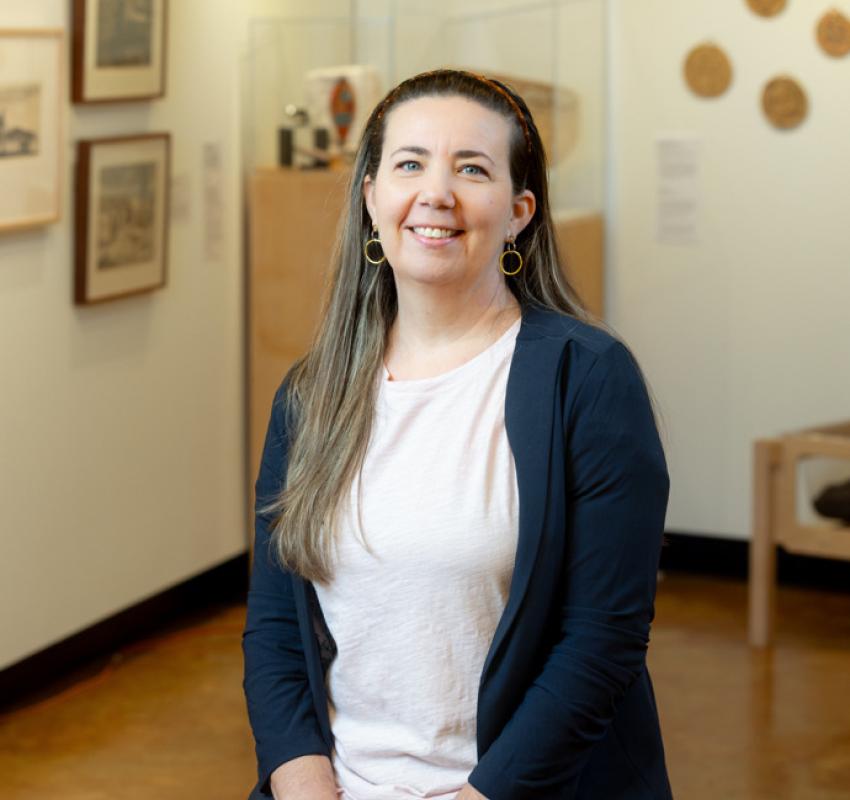
Chris Nolting
Chris Nolting has been a Visiting Assistant Professor of Physics at Gustavus since 2023. In his classes, he focuses on including many worked example problems and opportunities for hands on learning in groups, and as many physics demonstrations as possible. As a computational astrophysicist, he enjoys showcasing examples related to astronomy whenever possible. His research focuses on the study of galaxy cluster environments and powerful jets from active galactic nuclei, supermassive black holes at the centers of galaxies that accrete matter and power some of the brightest objects in the universe. This work is mainly done through numerical simulations on compute clusters and supercomputers using up to tens of thousands of processors simultaneously. Gustavus students working on research with Chris learn coding languages and data visualization techniques, and even 3D print some of the structures they simulate.
Chris is the faculty advisor to the Society of Physics Students and the Gustavus Engineering Club.
Outside of Gustavus, Chris a self-identifying nerd. He is a lover of board games, magic the gathering, Marvel movies, anime, and going on walks with his dog.
Our People
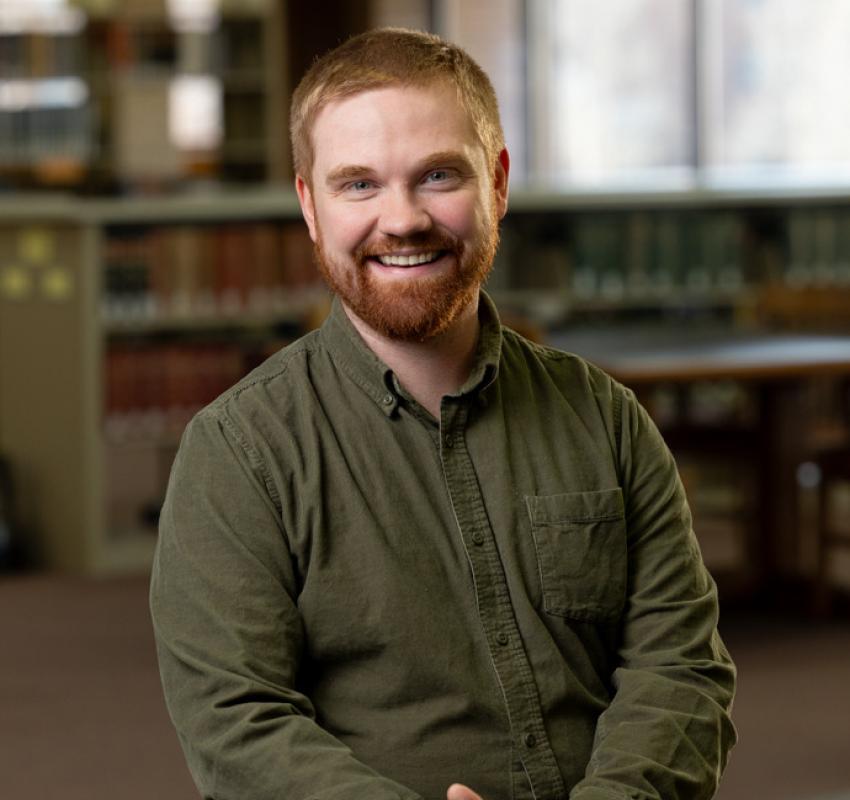
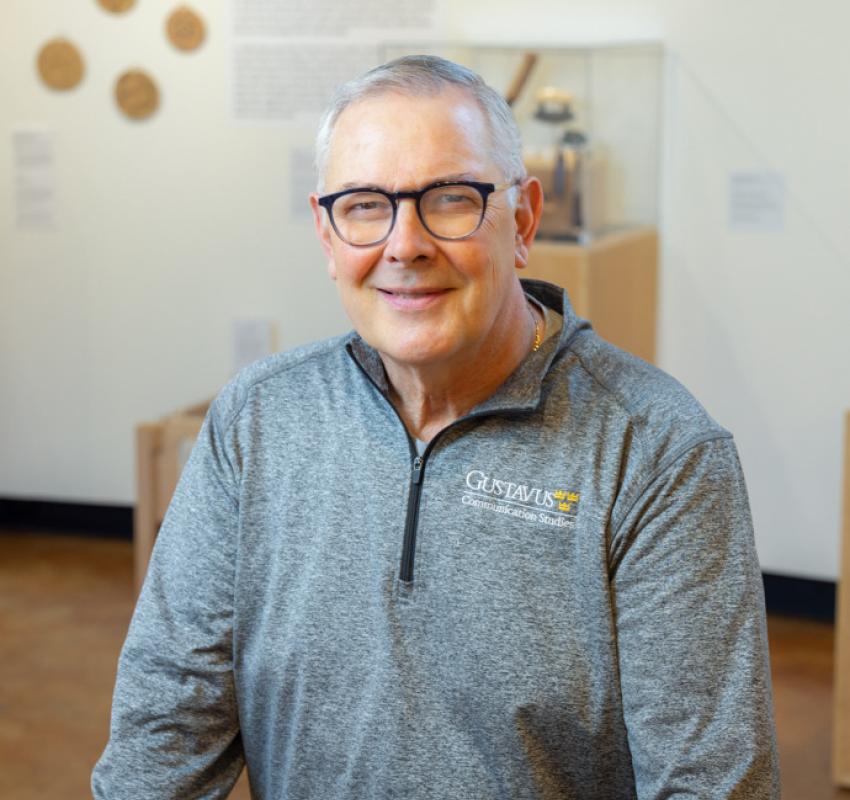
Mark Braun
Prior to joining the Gustavus faculty in 1990, Mark worked in broadcasting. He brings extensive administrative experience spanning more than 15 years, including nine years as Chief Academic Officer—serving as Provost at Gustavus Adolphus College and Senior Vice President for Academic Affairs at Augustana University. He previously held the position of Associate Dean of the College at Gustavus for seven years.
Mark has an extensive record of service to the field of higher education and was recognized nationally by the Council of Independent Colleges with its Chief Academic Officer Award. He served on the executive committee of the board of directors for the American Conference of Academic Deans, on assessment and planning teams for the Association of American Colleges and Universities, and on the board of directors for the Broadcast Education Association in Washington DC. He also chaired the board of directors of The Collaboration for the Advancement of College Teaching and Learning, and was on the executive committee of the board for the Communication and Theater Association of Minnesota. He was awarded the Outstanding Citizen Award from the City of Mankato for his work with the Department of Public Safety.
Our People
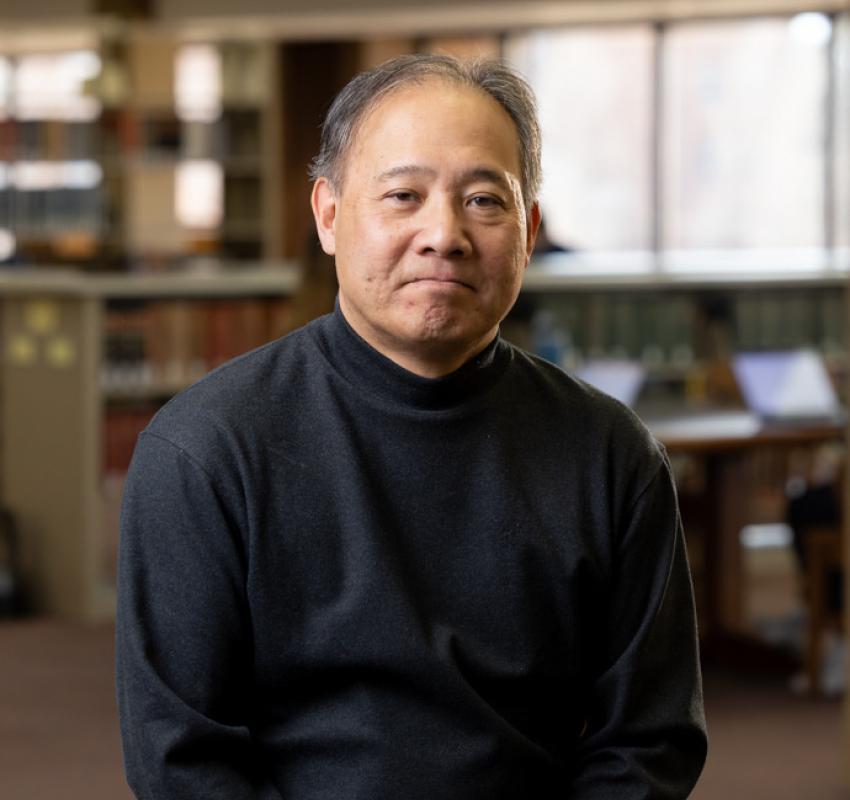
Richard Leitch
Dr. Richard Leitch earned his BA in East Asian Studies from Colby College in 1985, and went on to earn an MA in Asian Studies from the University of Illinois, Urbana-Champaign after a two-year career on Wall Street. He earned his Ph.D. in Political Science from Illinois in 1995, where he was the recipient of the Harriet and Charles Luckman Award for Distinguished Undergraduate Teaching, and the College of Liberal Arts Award for Distinguished Teaching by a Graduate Assistant. He has been a member of the Political Science Department since 1996, where he teaches courses in International Relations, Comparative Politics, Asian Politics, Environmental Politics, and the Politics of Poverty. In 2000 he received the Swenson-Bunn Award for Teaching Excellence at Gustavus, and in 2008 the Edgar M. Carlson Award for Distinguished Teaching. In 2012 he was included in The Princeton Review's The Best 300 Professors. He was recognized as an Honorary Gustie by the Gustavus Alumni Association in 2024. His research interests include Japanese domestic politics and foreign policy, and he is the co-author of Japan's Role in the Post-Cold War World. A frequent speaker to off-campus groups, Leitch has given numerous presentations focused on US foreign policy, US-China relations, and geopolitical issues.
Our People
Toshiyuki Sakuragi
Toshiyuki Sakuragi is a professor of Japanese language and culture whose expertise draws from intercultural communication and cognitive linguistics. His research examines cultural influences on communication and language learning, addressing topics such as the relationship between attitudes toward language study and cross-cultural attitudes, the cognitive processes underlying classifier choice, and cultural influences on shyness. His research articles have appeared in journals such as the Journal of Psycholinguistic Research and the International Journal of Intercultural Relations.
Among his Japanese-language publications are two books. His single-authored book, 映画で異文化体験 (Experiencing Cultures Through Film), explores the use of film to promote intercultural learning. His co-authored college textbook, はじめて学ぶ異文化コミュニケーション (Introduction to Intercultural Communication), has been widely adopted in Japan and has gone through multiple printings.
Professor Sakuragi teaches Japanese language as well as courses on Japanese cinema and intercultural film. He has also led numerous travel courses to Japan and has taught in the Summer and Winter Japanese Language and Culture Program at Hosei University in Tokyo.
Our People
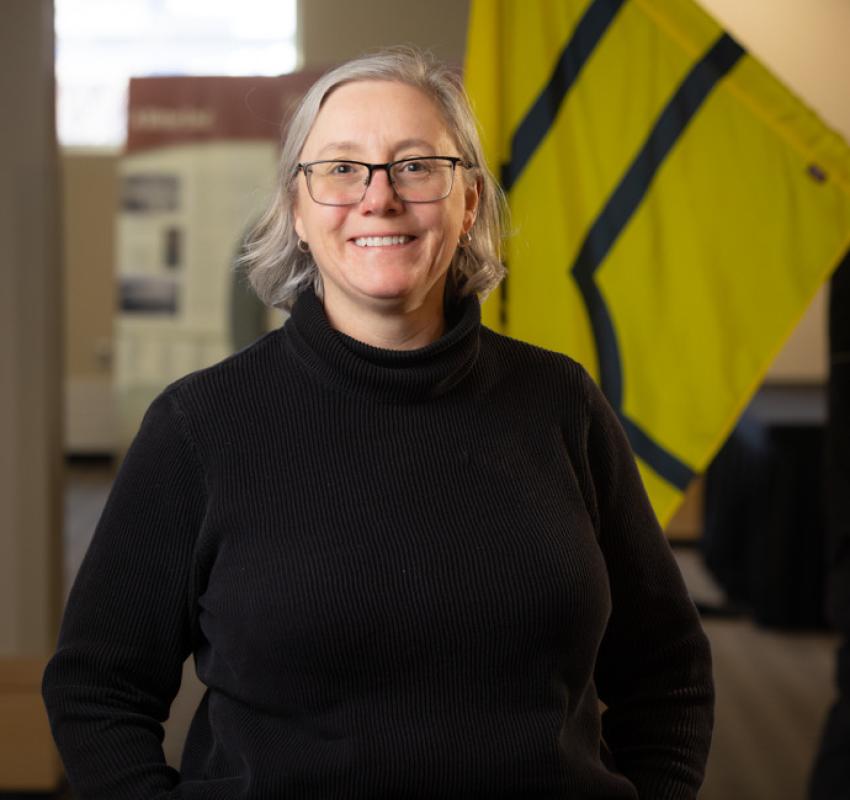
Valerie Walker
Valerie Struthers Walker, PhD, is a teacher educator with a passion for children’s literature, inquiry-based learning and working alongside beginning and experienced teachers. She began her career as an elementary and middle school teacher in two international schools: the American International School in Bamako, Mali and the American International School of Vienna, Austria. Dr. Walker joined the Gustavus Education Department in 2010 and currently teaches elementary language arts and social studies methods and supervises practicum and student teachers.
Dr. Walker is active in both local and national professional organizations such as the National Council for the Social Studies, the Minnesota Council of Social Studies, and the Minnesota Council of Economic Education. Highlights of her career include serving on the Notable Social Studies Trade Book Award committee, collaborating with K-8 teachers to publish social studies curricula, and leading professional development workshops on reading and teaching with diverse children’s literature.
In her spare time, Dr. Walker enjoys strengthening her French skills, hiking with her family, and binging the newest Netflix shows with her kids.
Our People
Jon Grinnell
Jon Grinnell is the Francis Morey Uhler Chair in Biology. He spent his youth roaming the hills of coastal California watching the hawks and admiring alligator lizards and rattlesnakes. From the time of his first borrowed binoculars he has been fascinated with wild creatures and places, and now is excited to share those with students.
As an undergraduate he worked with the last wild California Condors before they were taken into captive breeding programs, and as a graduate student he studied the social and communication behavior of African lions in Tanzania. For years, he worked on lions in South Africa before transitioning to American bison in South Dakota. In each of these projects he eagerly involved research students, as one of his great loves is taking students out into the field to get hands-on experience with animals and ecosystems.
Recently his attention has shifted to the plight of shallow marine habitats and regularly takes students to study the Mesoamerican coral reef in Belize. Jon feels privileged to have the chance to teach animal behavior, aquatic biology, vertebrate zoology, and other field-based courses at Gustavus, as well as the many travel courses he has led throughout South and Central America and the Caribbean.
Jon is an avid cyclist, scuba diver, hiker, animal watcher, and bow hunter.
Our People
Melanie VanRoekel
Melanie VanRoekel serves as adjunct faculty in the Business and Economics Department. She brings extensive experience as an executive and accounting professional to her teaching, helping students connect technical accounting concepts to real-world decision making.
With a background in financial leadership, VanRoekel is passionate about preparing students for careers in accounting and finance. Her professional experience informs her approach in the classroom, where she emphasizes not only how accounting standards are applied, but why they matter in practice. She believes students learn best when they understand the underlying concepts and develop the ability to think critically about financial information.
Melanie's teaching philosophy centers on clarity, structure, and professional readiness. She challenges students to move beyond memorization and instead build the analytical skills and judgment necessary for success in public accounting, corporate finance, and other business roles. She is especially committed to helping students gain confidence with complex topics and preparing them for the rigor of the CPA exam and professional practice.
VanRoekel values an engaged and supportive classroom environment. She incorporates factual scenarios to mirror the types of issues graduates will encounter in their careers. Outside the classroom, she remains active in business leadership and professional development. She considers it a privilege to teach at Gustavus and is dedicated to helping students leave the program well prepared for their next steps.
Our People
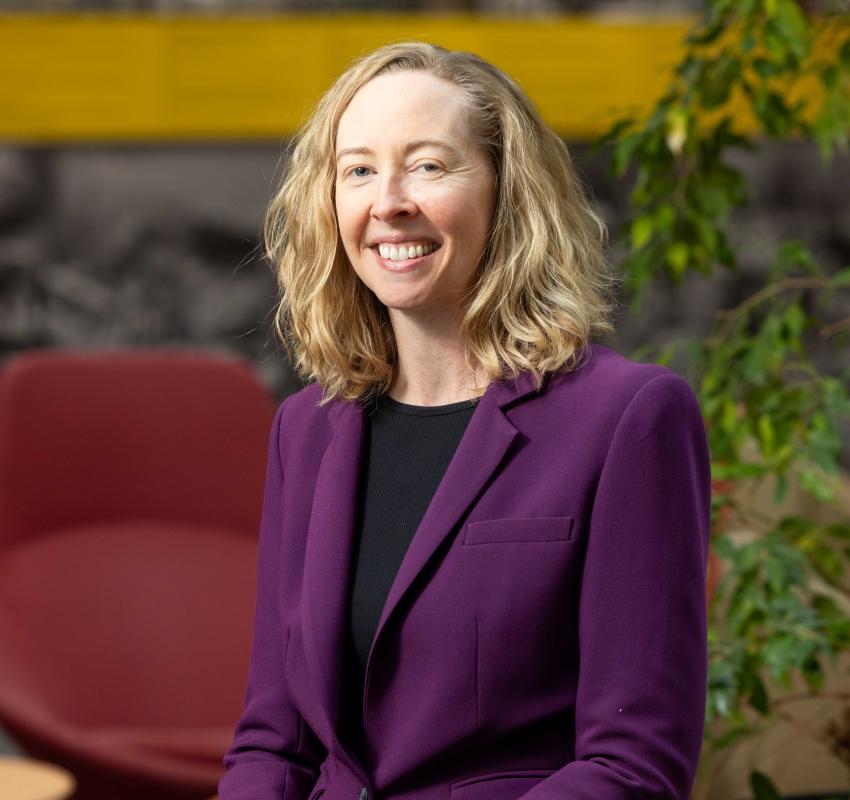
Pamela Conners
Pamela K. Conners, PhD serves as interim Provost and Dean of the College. In this role, she collaborates with faculty and staff to ensure a transformative student experience defined by academic excellence and a vibrant campus life.
A member of the Gustavus community since 2011, Dr. Conners is Professor of Communication Studies, with a scholarly focus on rhetoric and public policy. She has taught courses such as Public Discourse, Community Advocacy, and Rhetorical Criticism. Her research examining how public discourse and deliberation function in a democracy has been published in Rhetoric & Public Affairs and Western Journal of Communication.
Dr. Conners has been recognized for her interdisciplinary work, such as integrating deliberative pedagogy into science courses, a project featured in the Journal of Chemical Education. Connecting theory to practice for students, she helped launch the Gustavus Public Deliberation & Dialogue program in 2018, through which students across campus engage in thoughtful discussion about critical issues of common concern.
Dr. Conners has held numerous leadership roles at Gustavus, including Vice Provost for Academic Affairs, Dean of Faculty Development, Director of the John S. Kendall Center for Engaged Learning, and Director of Undergraduate Research, Scholarship, Creativity, and Dialogue.
Our People
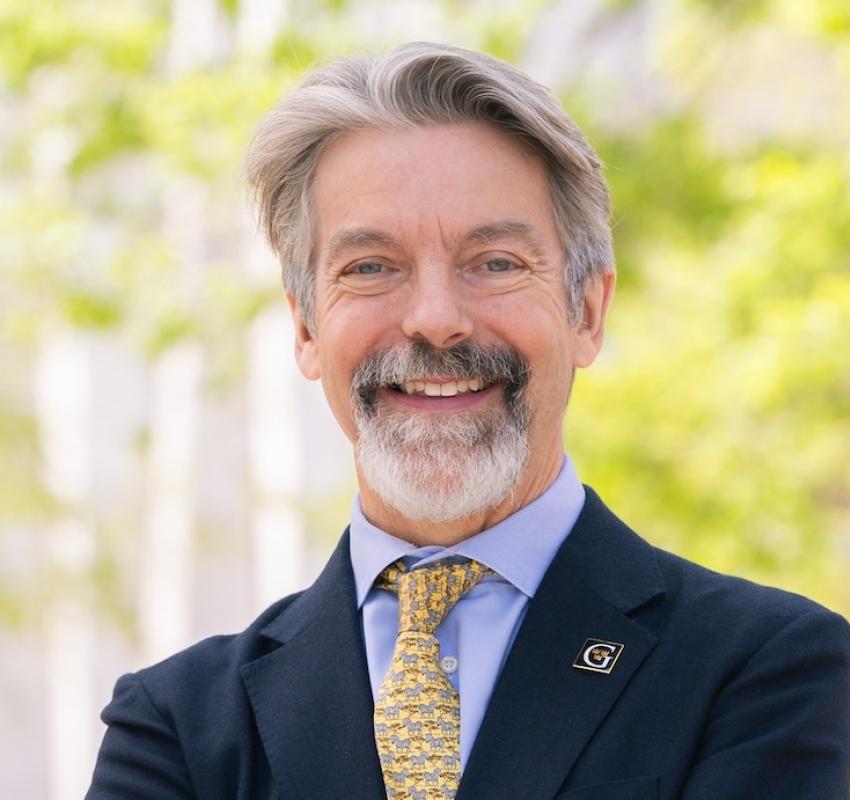
John Volin
John C. Volin, PhD serves as the 18th President of Gustavus.
Following a postdoctoral fellowship in plant physiological ecology at the University of Wisconsin-Madison, Volin accepted a faculty position at Florida Atlantic University, where he rose to the rank of full professor in the Department of Biological Sciences and served as the director of the Environmental Sciences graduate program. Volin joined the University of Connecticut in 2007 to head the Department of Natural Resources and the Environment, advancing to serve as Vice Provost of Academic Affairs. From 2020-2025, Volin served as the Executive Vice President for Academic Affairs and Provost at the University of Maine, where his portfolio included oversight of more than 1,000 faculty and staff and a budget of over $250 million. Volin is recognized as a national leader in using evidence-based practices to support holistic student wellbeing. He serves on the Executive Committee of the LearningWell Coalition and is a co-founder and senior advisor of LearningWell magazine.
Born and raised in Sioux Falls, South Dakota, Volin holds a BS in botany and biology and an MS in agronomy from the South Dakota State University, and a PhD in forestry from the University of Wisconsin-Madison. Volin and his wife, Valeria, have five children and six grandchildren.
Our People
Stephanie Otto
A graduate of Gustavus Adolphus College herself, Stephanie was delighted to return to her undergraduate alma mater as a professor. Stephanie teaches courses both within and beyond the Exercise Physiology major, and she finds student mentorship to be among the most rewarding aspects of her work. Her teaching philosophy is grounded in the concept of vocation, emphasizing the integration of academic learning with personal purpose. She is committed to helping students discern how their skills, values, and passions can be meaningfully applied in service to others, preparing them not only for professional success but also for lives of purpose and engagement. Research is intentionally embedded within the Exercise Physiology curriculum at Gustavus, and she regularly serves as a faculty mentor for multiple student-led, independent research projects. These projects are frequently presented at local, regional, and national conferences across the country.
Her scholarly interests focus on the relationship between physical activity and bone mineral density. Most recently, she published an article in the International Journal of Fitness titled “Step Count, Calcium Intake, and Bone Mineral Density Among Women Using Depo-Provera.”
Stephanie is an active presenter and attendee at national meetings of the American College of Sports Medicine (ACSM), where she has earned Fellow status. She has also served on the ACSM Women, Sport, and Physical Activity Committee.