Our People
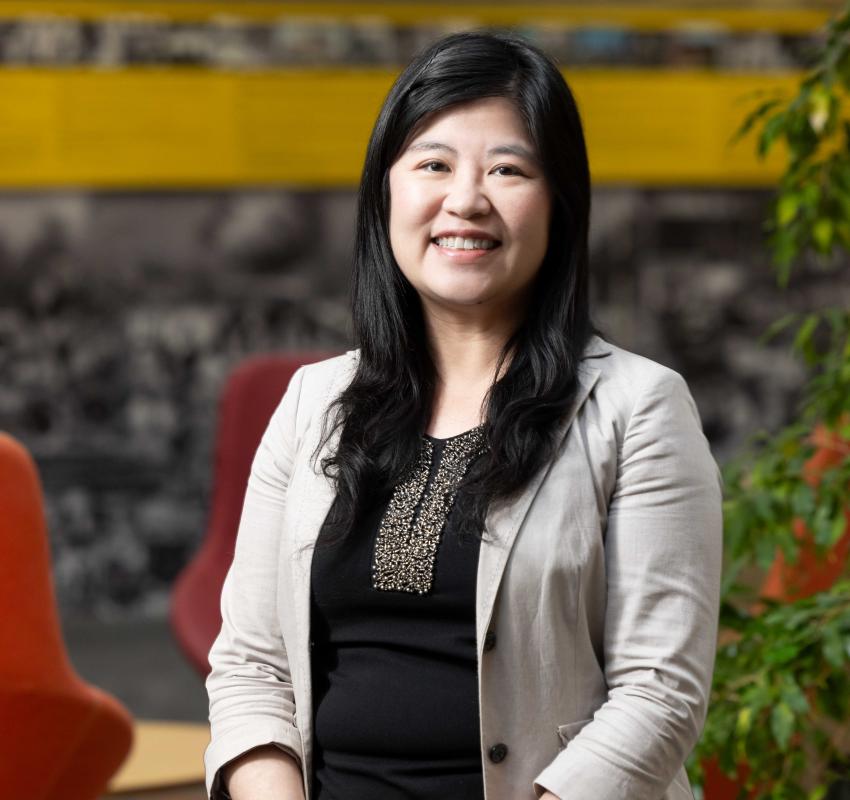
Mary Westby
Mary Westby is the Program Director for the Master of Athletic Training (MAT) program. She is responsible for the oversight of MAT, including working with the Clinical Education Coordinator and Research Coordinator to ensure curricular and clinical development, and implementation of the Commission on Accreditation of Athletic Training Education (CAATE) standards and ensuring the preparedness of students to practice independently upon graduation. She serves as one of the primary advisors for MAT current students and prospective students interested in athletic training. She teaches Foundations in Athletic Training (ATP 500), Clinical Pharmacology (NUR 337 and ATP 537 – a joint course between MAT and Nursing students), and Therapeutic Interventions in Athletic Training I and II (ATP 511 and 512). Her favorite topic to teach is therapeutic modalities – the application of physical agents and manual therapy to treat musculoskeletal injuries. This is also a research interest of hers along with assessment of student learning in athletic training programs.
She is also an Instructor and Instructor Trainer for the American Red Cross, regularly certifying current MAT students, undergraduate students, and campus faculty and staff in various levels of CPR training. As the advisor for the Gustavus Athletic Trainers' Association and Iota Tau Alpha, the national honor society for athletic training, Mary gets the opportunity to encourage community and professional service among the students in the ATP. She enjoys her opportunities to interact with students and other faculty inside and out of the classroom.
Mary is originally from Waconia, MN. She enjoys spending time with her family who are still in the area, including her niece and twin nephews. Mary, her husband and their son enjoy spending summers up north, fishing, and boating. During the long winter months Mary enjoys snowshoeing.
She is a BOC-certified athletic trainer, licensed in the state of Minnesota and a member of the National Athletic Training Association. She is involved in the athletic training profession at the national and state level as a peer reviewer for the CAATE and a member of the Minnesota Athletic Trainers Association (MATA) Governmental Affairs Committee. She is also the co-advisor of the MATA student senate.
Our People
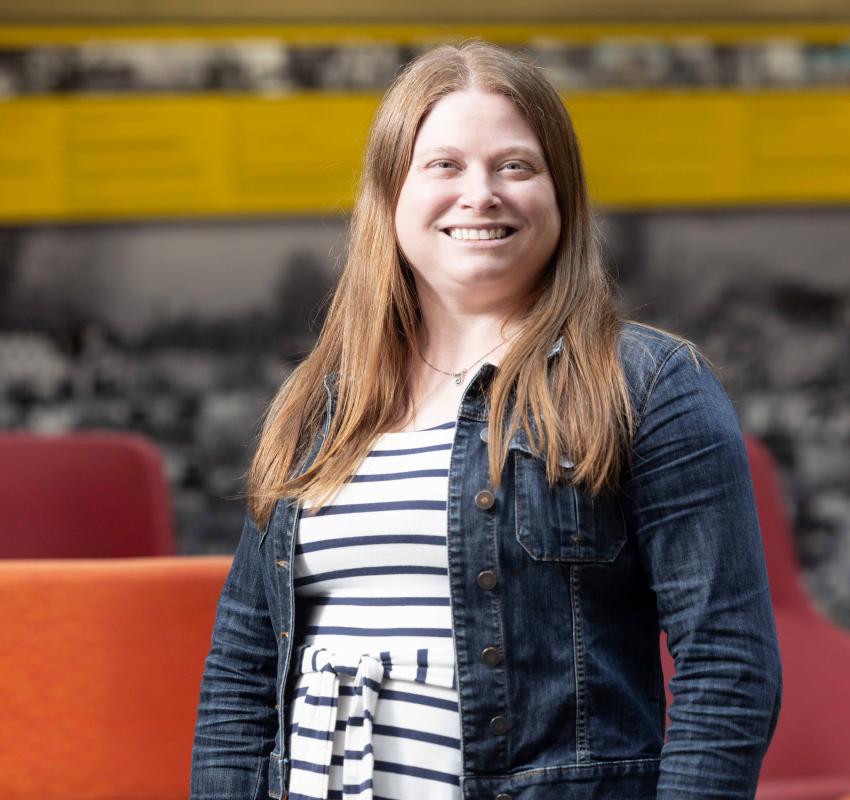
Sarah Erickson-Lume
Sarah Erickson Lume grew up near Ann Arbor, MI and had the privilege of spending summers at the international music camp, Interlochen Center for the Arts. This experience instilled in her the love of music making and she began to cultivate the artistic discipline of practicing, rehearsing, and performing within the context of a supportive community. Valuing a liberal arts education, she attended Sarah Lawrence College, outside of New York City while continuing to study oboe with Laura Ahlbeck (Metropolitan Opera) and Randall Wolfgang (New York City Ballet).
Sarah worked at NYC’s Carnegie Hall before entering graduate school at Carnegie Mellon University, where she was the student of her most influential teacher, Cynthia Koledo DeAlmeida (Principal Oboist of the Pittsburgh Symphony). While pursuing a master’s degree in music performance, her momentum flourished both as a musician and as a reed maker. The Philadelphia style of reed making, and the resulting benefits to the oboist, is a specialty she now passes on to her own students. During this time, Sarah also attended Aspen Music Festival in Colorado, and Orford Music Festival, in Quebec.
Her work in the Twin Cities includes chamber music and freelance performances as well as previous work with the Duluth Symphony Orchestra, South Dakota Symphony Orchestra, and Minnesota Waldorf School. Having been an oboe instructor at Gustavus Adolphus College for more than twenty years, Sarah has found teaching to be one of the most fulfilling jobs of her career. She maintains a private home studio and teaches as an adjunct faculty member at other area colleges. Her interests include Alexander Technique, optimal performance psychology, practicing the piano, and recorder, as well as running. Sarah and her husband, a visual artist and professor, have two daughters.
Our People
Sarah Wolter
Dr. Sarah Wolter serves as an Associate Professor and Chair of Communication Studies as well as an Assistant Women’s Golf Coach at Gustavus Adolphus College.
Dr. Wolter teaches a diverse range of courses, most notably Introduction to Critical Media Studies (COM 115), Public Discourse (COM 120), and the Sport Management cross-listed Communication and Sport (COM 373). Driven by a commitment to critical pedagogy, she utilizes evidence-based, high-impact practices and systematic assessment to elevate student learning. Her dedication to the classroom has earned her several honors, including the Gustavus Innovative Teaching Award, the Gustavus Provost’s Award for Teaching Excellence, and the Minnesota Campus Compact President’s Civic Engagement Steward Award.
Dr. Wolter’s scholarship spans two distinct areas of inquiry: the impact of sport media on culture and institutions and civic engagement and media literacy in communication pedagogy. Dr. Wolter’s scholarship is published in leading journals such as the International Journal of Sport Communication, Communication and Sport, the Journal of Issues in Intercollegiate Athletics, and the Journal of Community Engagement in Higher Education.
Beyond the classroom, Dr. Wolter serves in a variety of institutional service roles. As an assistant coach for the Gustavus women’s golf team, she helps manage practices and team travel for regional and national tournaments, where she intentionally infuses liberal arts values to bridge the gap between student athletes’ academic and athletic pursuits. Beyond athletics, in addition to her role as Department Chair and Program Assessment Liaison for Communication Studies, she is a Title IX Adjudicator and has served as Co-Program Director of Sport Management. She also actively supports the campus community through new faculty mentoring and serving on various faculty and administrative search committees.
Outside of her professional roles, Dr. Wolter enjoys golfing, hiking, traveling, and spending time with her family and friends.
Dr. Sarah Wolter CV
Our People
Anna Hulseberg
Anna Hulseberg has more than 20 years of experience teaching Gustavus students information literacy, which the Association of College & Research Libraries defines as “the set of integrated abilities encompassing the reflective discovery of information, the understanding of how information is produced and valued, and the use of information in creating new knowledge and participating ethically in communities of learning” (Framework for Information Literacy for Higher Education). Anna’s teaching ranges from course-integrated library instruction sessions to individual and group research consultations. She works with students in a variety of disciplines over their time at Gustavus, from First Term Seminars to upper level courses in the majors. Anna’s work also includes building a library collection that reflects the range of liberal arts scholarship and supports student research within the College curriculum. Over the years, she has enjoyed helping Gustavus students work to attain their full potential, with a special emphasis on facilitating their dispositions as lifelong learners and ethical consumers and creators of information.
Anna’s areas of research include information literacy, librarians in mentoring and advising, and librarianship as a profession (with an emphasis on electronic resources management). Her research has been published in journals such as College & Undergraduate Libraries, the Journal of Electronic Resources Librarianship, and College & Research Libraries News, and presented at venues including the American Library Association Annual Conference, Minnesota Library Association Annual Conference, and the Brick & Click Academic Library Conference. Anna is active in library science professional associations, having served on the boards of the Minnesota Library Association and its Academic and Research Libraries Division.
Anna’s involvement in the College has included service on a number of faculty committees, including the Faculty Personnel Committee, Faculty Development Committee (past chair), and Academic Operations Committee (past co-chair). She participates in collegial management of the Library and Archives department as co-Program Assessment Liaison (PAL) and on departmental committees. Anna works to celebrate Gustavus students’ achievements in the liberal arts as a past officer and active member of the Phi Beta Kappa honor society.
Our People
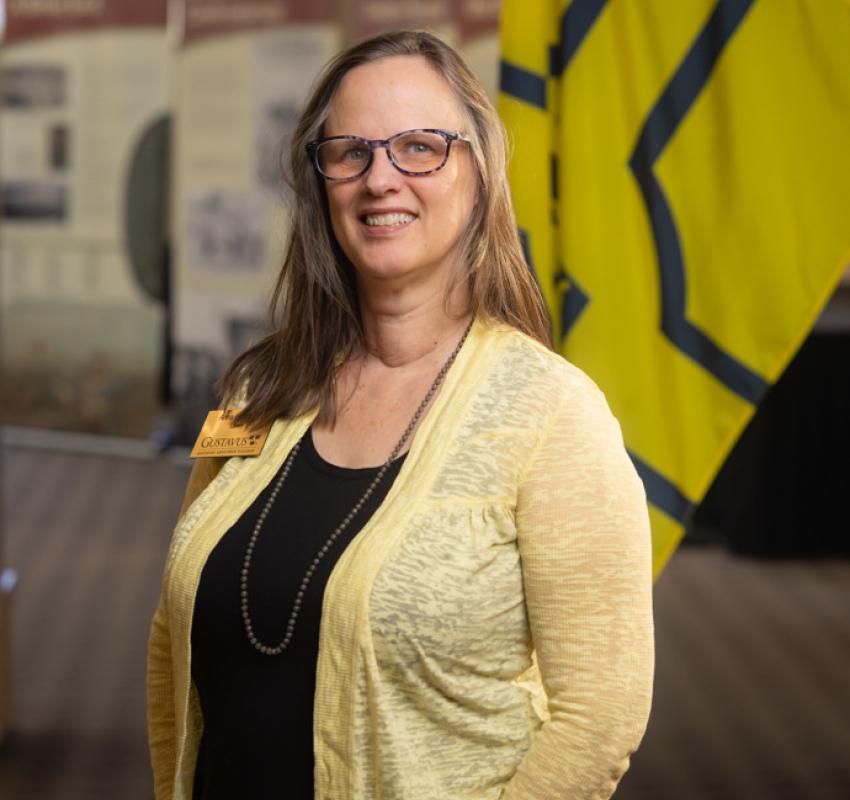
Pamela Kittelson
Professor Pamela Kittelson enjoys collaborating with students and colleagues. Her teaching has focused on ecology, plant physiology, evolution and general biology. Over 35 undergraduates from her lab have examined how habitat fragmentation affects plant populations, specifically how genetic variation, herbivory and plant traits change with population size and isolation. Students in her lab have published or presented this work and built scientific skills in writing, experimental design and analysis. After graduation, her advisees and former research students excel in careers ranging from natural resource management to education, research, medicine, biotechnology, law, and scientific writing.
Dr. Kittelson is the director of the Gustavus Fellowships Office. She supports and encourages all undergraduates by helping them identify and apply for nationally competitive funding which furthers their goals while in college or as alumni. These organizations include the Fulbright U.S. Student Program, Critical Language Scholarship, National Science Foundation, and the Goldwater, Truman, Udall and Boren Scholarships.
She also serves as the Director of the Midstates Consortium for Math and Science, which is an organization that promotes excellence in STEM research and teaching. She organizes professional development programs for faculty and undergraduate students from ten liberal arts colleges and two research universities. Each year, she runs two undergraduate research conferences where Gustavus and other Consortium students present their research at the University of Chicago or Washington University in St. Louis.
As a first generation college graduate, Dr. Kittelson understands the importance of having a good mentor who encourages one’s education. She enjoys the advising and mentoring relationships she has built with Gusties over the years.
Pamela relishes opportunities to be in natural areas with students; she has led students on several travel and wilderness courses. In her spare time, she enjoys hiking, canoeing, going fast downhill on skis or a bike, and camping. She putters around in gardens, museums or while watching birds. Travel near and wide is treasured. She relaxes with good books or music and the company of friends.
Our People
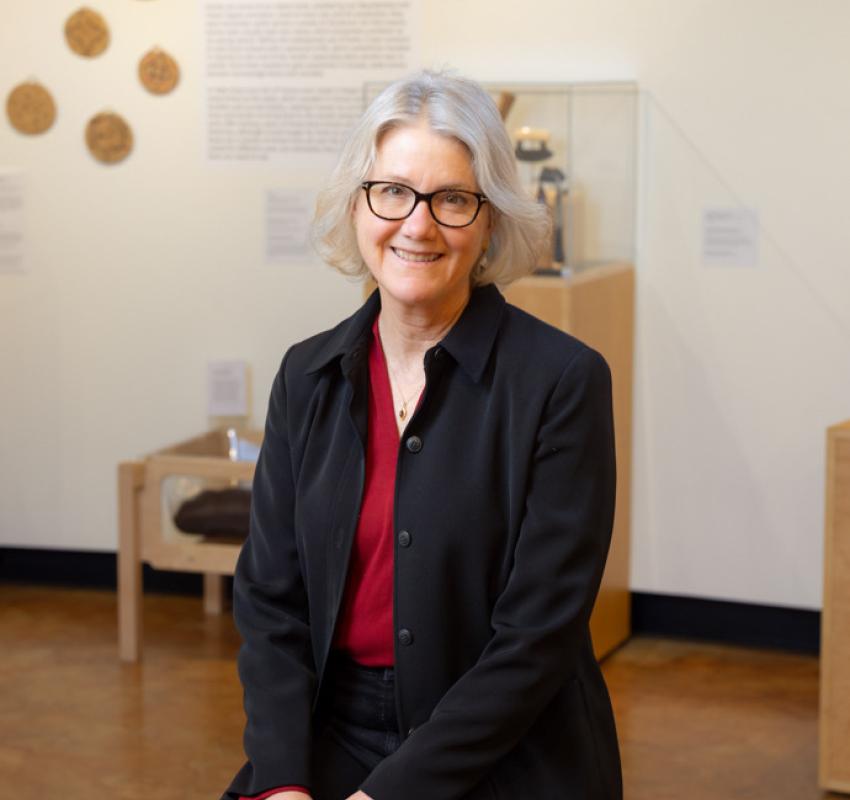
Tara Cadenhead
Tara Cadenhead serves as the Instructor of the Practice in Entrepreneurship and Innovation, where she is also the Director of the Center for Innovative & Entrepreneurial Leadership (CIEL). A Gustavus alumna herself, Tara brings a unique blend of high-level corporate strategy and "maker" entrepreneurship to the Hill, providing students with a practical roadmap for turning creative ideas into sustainable ventures.
Tara’s teaching is informed by nearly two decades of leadership in the corporate sector. During her tenure at FICO, a leading provider of analytics and CRM software, she led talent management and organizational change initiatives, specializing in aligning human capital with strategic business goals. Later, at Target Corporation, she served as a key advisor to Supply Chain leadership, and then played a strategic communication and change leadership role in launching a new enterprise-wide talent system and related processes for a workforce of more than 70,000 users.
In addition to her corporate background, Tara is the founder of Marquess Studios, a creative venture based in Stillwater, Minnesota, that emphasizes intentional design and community-focused commerce. Experience as a small business owner allows her to mentor students with authentic insights into brand storytelling, lean product development, and the resilience required to launch a startup.
In the classroom, Tara emphasizes experiential learning and vocational discovery. She views entrepreneurship as a multidisciplinary mindset relevant to every major, from the fine arts to the hard sciences. Her courses function as laboratories where students are encouraged to iterate, take calculated risks, and solve complex problems through "failing forward."
As the Director of CIEL, Tara spearheads initiatives that foster a culture of innovation across the entire campus. She oversees the Gustie Cup, the college’s premier entrepreneurship competition which offers significant seed money prizes across "Scalable" and "Sustainable" categories. In this role, she mentors student founders through intensive Start-Up Labs and 1:1 consulting sessions, while engaging alumni and industry experts to enhance the viability of students' plans. Gustie Cup winners have advanced as semi-finalists in the statewide Minnesota Cup. Her service extends to the regional entrepreneurial ecosystem, where she builds bridges between Gustavus and Minnesota’s business leaders, alumni mentors, and economic organizations, and recently represented Gustavus on an International Economic Development trip to Ireland.
Outside of her work at the College, Tara is deeply committed to community-driven service and regional development. She is most interested in exploring public-private partnerships to maximize social and economic impact. Tara is a founding Board member for Connect Lake Elmo, where she helps guide initiatives that enhance local connectivity and economic vitality. Her dedication to service is further highlighted by her previous involvement with Rotary International, various non-profit organizations, and was recently nominated as "Volunteer of the Year" by the Stillwater Area Chamber of Commerce. When not mentoring the next generation of innovators and entrepreneurs, she enjoys traveling, cooking, gardening, and spending time with her family.
Our People
Marcia Bunge
Marcia J. Bunge, PhD, is Professor of Religion and holds the Drell and Adeline Bernhardson Distinguished Endowed Chair of Lutheran Studies. Bunge earned her BA in Music and English from St. Olaf College (Phi Beta Kappa) and her MA and PhD.in Theology from the University of Chicago. She also studied at the University of Tübingen and conducted research in Germany as a Charlotte W. Newcombe Doctoral Dissertation Fellow. Before coming to Gustavus in 2013, she was Professor of Humanities and Theology at the Honors College of Valparaiso University. Since 2014, she has served as an Extraordinary Research Professor at North-West University in South Africa.
Bunge’s teaching and scholarship have addressed issues in theology, social and environmental ethics, women’s studies, childhood studies, and inter-religious studies. A central focus of her scholarship is conceptions of and commitments to children in diverse religious traditions. She has published numerous articles and six books on the subject, including The Child in Christian Thought (Eerdmans, 2001) and Children, Adults, and Shared Responsibilities: Jewish, Christian, and Muslim Perspectives (Cambridge University Press, 2012). From 2013–2017, she served as a core collaborator in the interdisciplinary “European Childhoods” project at the University of Oslo and co-edited one of its volumes, Nordic Childhoods 1750–1960: From Folk Beliefs to Pippi Longstocking (Routledge, 2018).
Related to her scholarship on children, Bunge has also written extensively on moral and spiritual formation and Lutheran perspectives on education and vocation. She is co-editor of So that All May Flourish: The Aims of Lutheran Higher Education (Fortress, 2023), translator of selected writings by the German theologian and educator Johann Gottfried Herder, and co-founder of the Gustavus Academy for Faith, Science, and Ethics. From 2023–2025, she contributed to the “Character Development, Ethical Education, and Value Transmission” project co-hosted by Emory University and Heidelberg University.
Drawing on her areas of expertise, Bunge has contributed to academic and advocacy initiatives around the world and secured more than $4.5 million in research, institutional, and civic engagement grants. She lectures widely, has served on international editorial boards and academic committees, and co-founded the Childhood Studies and Religion Program Unit of the American Academy of Religion. Her advocacy work includes child-focused projects, such as Georgetown University’s “Collaborative on Global Children's Issues,” and justice-related initiatives of the Evangelical Lutheran Church in America (ELCA), the World Council of Churches, and faith-based organizations. As a Lutheran theologian and holder of the Bernhardson Chair, she also cultivates relationships between Gustavus and other ELCA-affiliated institutions in the United States and abroad.
Bunge’s collaborations have connected her with colleagues and initiatives across six continents and reflect her enduring commitments to interdisciplinary inquiry, inter-religious engagement, and the flourishing of people and the planet.
Our People
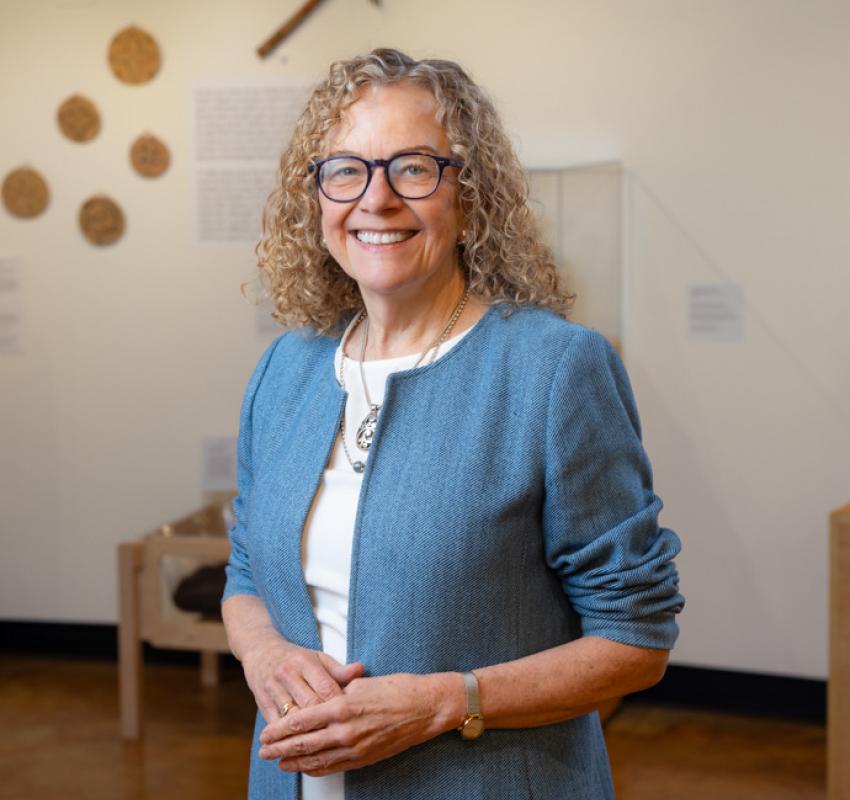
Peg O'Connor
Peg O’Connor is the author of the forthcoming book on addiction and recovery titled, Recovering Character: Knowing How to Belong to Yourself. She is the author of three other books on addiction including Higher and Friendly Powers: Transforming Addiction and Suffering (Wildhouse Publishing, 2022), Life on the Rocks: Finding Meaning in Addiction and Recovery (Central Recovery Press, 2016), and The SoberPhilosopher Workbook for Exploring Addiction and Creating Recovery (Wildhouse Publishing, 2023).
O’Connor is the author of the popular blog series, Philosophy Stirred, Not Shaken. The title of the series is a wink and nod to martinis. She has written opinion pieces for The New York Times, The Minnesota Star Tribune, USA Today, The Daily Herald, and Dallas Morning Herald. O’Connor has appeared on numerous television, radio, and podcast programs and has been quoted as an expert in publications ranging from The New York Times to Cosmo.
Our People
Karl Larson
Karl Larson, PhD, MCHES, is a Professor of Public Health and is dually appointed to the Master’s in Athletic Training program. Dr. Larson has lead the effort to build a presence for public health on the Gustavus campus and has served as the Program Director for the interdisciplinary program in public health since the program’s inception in 2018. Since his arrival at Gustavus in 2005, he has taught more than 20 different courses focusing on individual and population health including offerings such as stress management, sexuality, tai chi, youth coaching, as well as courses in public health programming, global health, behavioral theory, and epidemiology. Dr. Larson has served the campus community on numerous health related efforts and programs.
Professionally, Dr. Larson is nationally recognized as the “case study guy,” after designing and leading the National Case Study Competition in Health Education (NCSCHE), a role he has served in since 2006. He also has served as the president of the Minnesota Society for Public Health Education from 2015-2018, and has been the recipient of the Karen Denard Goldman Mentor Award (SOPHE), the Dean’s Distinguished Lecturer (New York Medical College), and has received the W.E Schaller Presidential Citation from Eta Sigma Gamma for his professional development work with college students. He is the author of four books including Consumer Health and Integrative Medicine and The Truth About Violence.
Our People
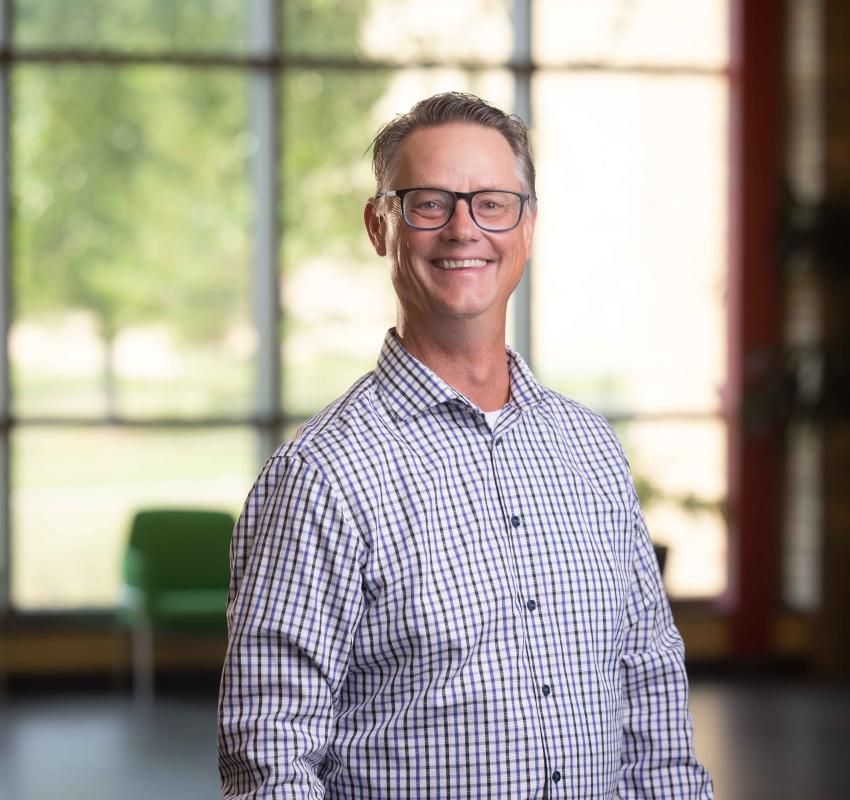
John Volin
John C. Volin, PhD serves as the 18th President of Gustavus.
Following a postdoctoral fellowship in plant physiological ecology at the University of Wisconsin-Madison, Volin accepted a faculty position at Florida Atlantic University, where he rose to the rank of full professor in the Department of Biological Sciences and served as the director of the Environmental Sciences graduate program. Volin joined the University of Connecticut in 2007 to head the Department of Natural Resources and the Environment, advancing to serve as Vice Provost of Academic Affairs. From 2020-2025, Volin served as the Executive Vice President for Academic Affairs and Provost at the University of Maine, where his portfolio included oversight of more than 1,000 faculty and staff and a budget of over $250 million. Volin is recognized as a national leader in using evidence-based practices to support holistic student wellbeing. He serves on the Executive Committee of the LearningWell Coalition and is a co-founder and senior advisor of LearningWell magazine.
Born and raised in Sioux Falls, South Dakota, Volin holds a BS in botany and biology and an MS in agronomy from the South Dakota State University, and a PhD in forestry from the University of Wisconsin-Madison. Volin and his wife, Valeria, have five children and six grandchildren.
Our People
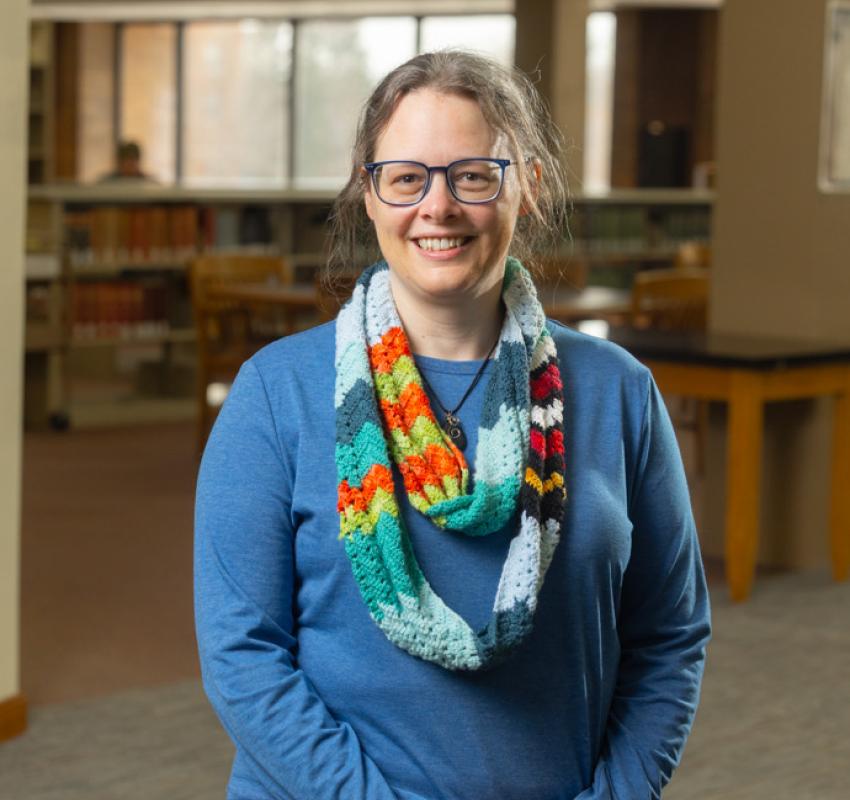
Julie Gilbert
Professor Julie Gilbert teaches information literacy to students across the curriculum. Her work is grounded in a deep belief that libraries play a vital role in student learning, wellbeing, and belonging, and that equitable access to information is fundamental to academic success and civic engagement. Through her teaching, research, and service, she is committed to making libraries and information accessible to all members of the campus community.
As an educator, Julie collaborates with faculty across disciplines to design instruction that supports students at every stage of their academic journey. Her teaching focuses on critical thinking, research strategies, source evaluation, and the ethical use of information in an increasingly complex landscape. She is especially passionate about demystifying research for students who may feel uncertain or overwhelmed by academic inquiry, and she strives to create learning environments that are inclusive, welcoming, and student-centered. By meeting students where they are, she helps them build confidence as researchers and lifelong learners.
In addition to her academic work, Julie is an award-winning author of books for young readers. Her writing reflects a lifelong engagement with libraries, storytelling, and literacy, and she brings this creative perspective into her teaching and librarianship. She believes strongly in the value of reading for pleasure and its role in intellectual growth, empathy, and wellness. In her role at the library, she takes particular pride in developing and curating collections, with a special emphasis on building vibrant, relevant current fiction holdings that invite students into the library as a place of discovery, connection, and enjoyment.
Julie’s research interests are interdisciplinary and evolving, reflecting the broad and changing role of libraries in higher education. She is especially interested in libraries as wellness spaces and in the ways library environments, services, and collections support not only academic achievement but also mental health, reflection, and community connection. Her work explores how libraries contribute to a holistic student experience and reinforce their importance as both intellectual and restorative centers of campus life.
A certified meditation teacher, Julie also coordinates the Gustavus Meditation Program. Through this work, she integrates contemplative practices into the academic environment and supports students, faculty, and staff in cultivating mindfulness, resilience, and balance. Whether teaching in the classroom, developing collections, supporting research, or leading meditation sessions, Julie’s work is guided by a belief in the transformative power of libraries and learning, and their central role in shaping a meaningful and supportive student experience.
Our People
Shu-Ling Wang
Dr. Shu-Ling Wang is an associate professor of Economics. She joined Gustavus in 2016 after a two-year appointment at The College of Wooster. Her teaching interests include Intermediate Macroeconomics, Money and Banking, International Finance, Public Finance, and Principles of Economics. As an active instructor in an interactive and interdisciplinary liberal arts environment, she enjoys developing and experimenting with innovative pedagogies to enrich students’ learning experiences. She also values mentoring undergraduate research that fosters critical and independent thinking. At Wooster, she advised several year-long senior independent studies, and at Gustavus, she offers writing-in-the-discipline courses in economics and mentors class-based research projects. In October 2023, her Money and Banking students’ paper titled “The Asian Crisis of 1997” won third place in the Economic Communication category of the Minnesota Economic Association (MEA) Undergraduate Paper Contest. In 2025, Dr. Wang served as a faculty panelist at the MAYDAY! Peace Conference at Gustavus, participating in the teach-in model addressing issues of peace, human rights, and social justice. More recently, she served on the Nobel Conference '63 Planning Committee (theme: AI and Human Agency).
Dr. Wang’s research focuses on Macroeconomics, Monetary Economics, and International Finance. She studies fiscal and monetary policy issues—such as fiscal stimulus, public debt, tax policy, income distributional effects, and monetary policy, using dynamic stochastic general equilibrium (DSGE) models with representative or heterogeneous agents. Her papers have been published in the Journal of Macroeconomics, Review of International Economics, and Economic Modelling. She received the Mansergh Faculty Scientific Research Award at Gustavus in both 2022 and 2025. Her recent project examines the debt-financed stimulus effects in a high-debt economy without monetary independence, considering different schemes and speeds of debt adjustment in a two-sector New Keynesian model. Future projects will examine the redistribution effects between savers and hand-to-mouth agents of debt-financing policies. She regularly presents her work at the The Midwest Economics Association, Canadian Economics Association, Western Economics Association, and Liberal Arts Macroeconomics conferences.
In addition to her research, Dr. Wang actively contributes to professional service. She serves as a reviewer for the Journal of Macroeconomics, Economic Modelling, Contemporary Economic Policy, Cambridge University Press, and the Bulletin of Economic Research. She has also served on the steering and program committees for the Liberal Arts Macroeconomics Conference and was a member of the Board of the Minnesota Economic Association. In 2025 she served as a mentor and a panelist for junior women economists at the CeMENT workshop sponsored by the AEA at the Federal Reserve Bank of Chicago.
Beyond academia, Dr. Wang is a mother of three children. She enjoys architecture, art, photography, and music. Her favorite architects include Frank Lloyd Wright, Louis Sullivan, and Zaha Hadid. She is also inspired by the works of Georgia O’Keeffe, Edward Hopper, and Claude Monet. A musician herself, she plays the piano, violin, and pipa (a Chinese lute). Her favorite composer is Johann Sebastian Bach of the Baroque period.