Our People
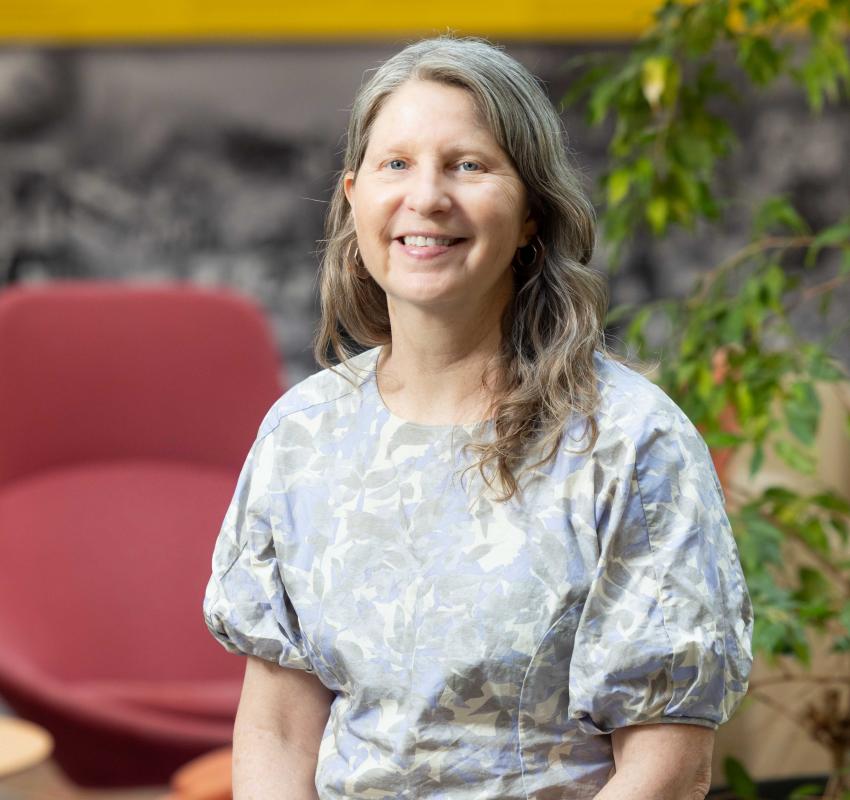
Mary McHugh
Mary R. McHugh is a Professor in the Department of Greek, Latin, and Classical Studies. She is a social historian whose wide-ranging scholarship encompasses political history, intellectual and cultural cross-pollination, and the history of food production and culture. A recently published chapter examines how Plato’s Timaeus shaped conceptions of time and cosmology within the intellectual milieu of Western Greece. McHugh argues that its call for cosmological models influenced a tradition of mathematical and mechanical innovation, from Archimedes’ devices to medieval and Renaissance astronomical clocks.
McHugh is adept at pursuing leads and situating the particular within its broader context. She has taught courses at all levels of Greek and Latin to those spanning Near Eastern and Greco-Roman history to Chinese and Islamic cultural exchanges with the West. She also teaches courses in art and archaeology, bringing her expertise in material culture directly into her research.
Our People
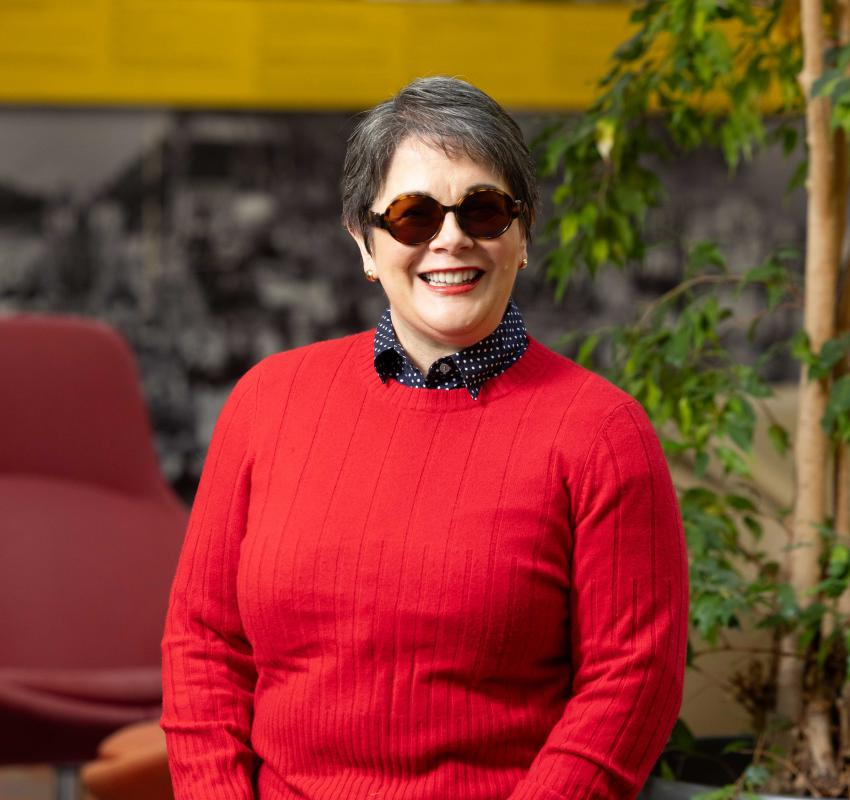
Matthew Rightmire
Born and raised in Wisconsin, Matthew attended the University of Wisconsin-Eau Claire as a Blugold Fellow where he earned a comprehensive bachelor’s degree in Theatre Arts. His work includes both production and front-of-house operations at the Eau Claire Regional Arts Center, the Heyde Center for the Arts in Chippewa Falls, and the Chippewa Valley Theatre Guild in Eau Claire.
In 2009, he began working as the Scenic Studio Supervisor for the Department of Music & Theatre Arts at the University of Wisconsin-Eau Claire.
In 2011, Matthew left Wisconsin to pursue a Master of Fine Arts degree from the University of Nebraska-Lincoln. His time as a graduate student was distinguished as a Hixson-Lied Fellow in the Johnny Carson School of Theatre & Film. His contributions to the theatre program were honored by receiving the Porter Award for Creativity in Theatre and being selected to join the school’s Order of the Purple Mask.
Since receiving his MFA in Design & Technical Production, Matthew has been the Technical Director for the Alpine Theatre Project’s 2014 season in Whitefish, Montana, the Technical Director and Scenic/Lighting/Sound Designer for the Eau Claire Children’s Theatre, and a lecturer at the University of Wisconsin-La Crosse.
His role as professor at Gustavus, where he teaches stagecraft, computer-aided drafting, and stage management courses, is also filled with days overseeing the construction of the scenic elements for all of the department's productions in theatre and dance.
Our People
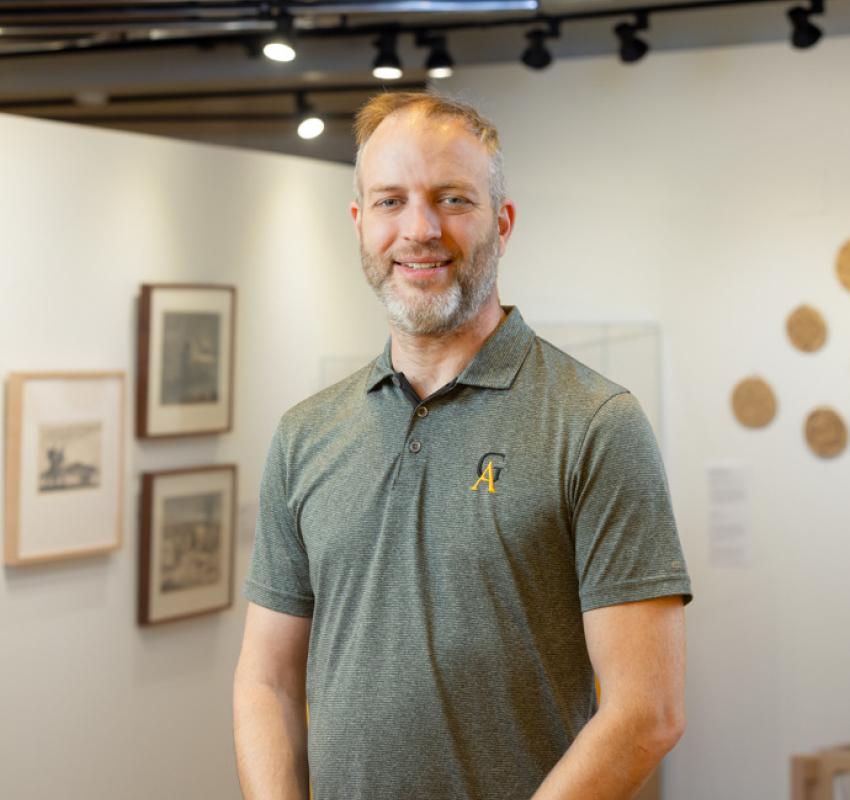
Pamela Conners
Pamela K. Conners, PhD serves as interim Provost and Dean of the College. In this role, she collaborates with faculty and staff to ensure a transformative student experience defined by academic excellence and a vibrant campus life.
A member of the Gustavus community since 2011, Dr. Conners is Professor of Communication Studies, with a scholarly focus on rhetoric and public policy. She has taught courses such as Public Discourse, Community Advocacy, and Rhetorical Criticism. Her research examining how public discourse and deliberation function in a democracy has been published in Rhetoric & Public Affairs and Western Journal of Communication.
Dr. Conners has been recognized for her interdisciplinary work, such as integrating deliberative pedagogy into science courses, a project featured in the Journal of Chemical Education. Connecting theory to practice for students, she helped launch the Gustavus Public Deliberation & Dialogue program in 2018, through which students across campus engage in thoughtful discussion about critical issues of common concern.
Dr. Conners has held numerous leadership roles at Gustavus, including Vice Provost for Academic Affairs, Dean of Faculty Development, Director of the John S. Kendall Center for Engaged Learning, and Director of Undergraduate Research, Scholarship, Creativity, and Dialogue.
Our People
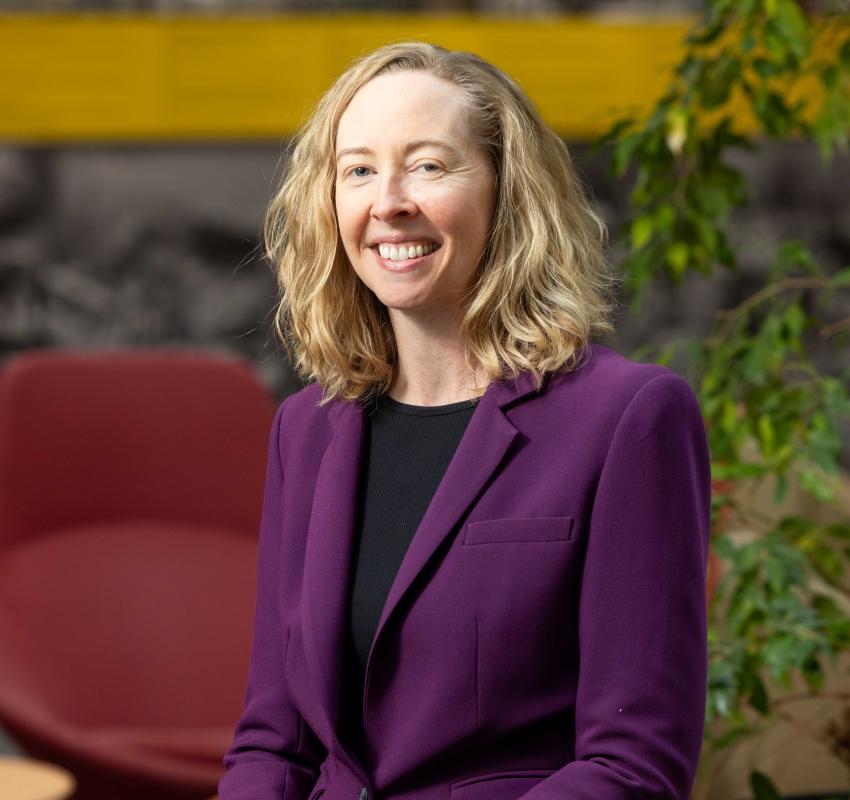
Jon Grinnell
Jon Grinnell is the Francis Morey Uhler Chair in Biology. He spent his youth roaming the hills of coastal California watching the hawks and admiring alligator lizards and rattlesnakes. From the time of his first borrowed binoculars he has been fascinated with wild creatures and places, and now is excited to share those with students.
As an undergraduate he worked with the last wild California Condors before they were taken into captive breeding programs, and as a graduate student he studied the social and communication behavior of African lions in Tanzania. For years, he worked on lions in South Africa before transitioning to American bison in South Dakota. In each of these projects he eagerly involved research students, as one of his great loves is taking students out into the field to get hands-on experience with animals and ecosystems.
Recently his attention has shifted to the plight of shallow marine habitats and regularly takes students to study the Mesoamerican coral reef in Belize. Jon feels privileged to have the chance to teach animal behavior, aquatic biology, vertebrate zoology, and other field-based courses at Gustavus, as well as the many travel courses he has led throughout South and Central America and the Caribbean.
Jon is an avid cyclist, scuba diver, hiker, animal watcher, and bow hunter.
Our People
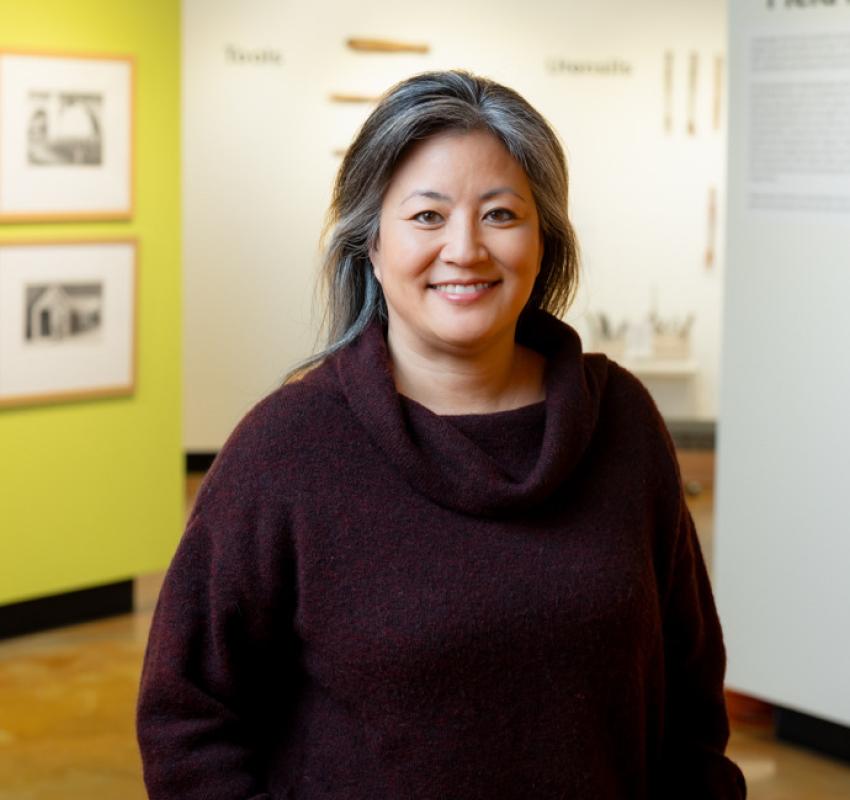
Yurie Hong
Yurie Hong is Professor of Greek, Latin, and Classical Studies and affiliated faculty in the Gender, Women, and Sexuality Studies program. Her teaching and research explore how stories, myths, and social structures from ancient Greece can help us think more deeply about ourselves, our relationships, and the world we live in. She regularly teaches ancient Greek language at all levels, courses on ancient Greek myth, culture, and society, and courses connecting the ancient world to contemporary questions and experiences.
Hong’s research centers on women, gender, and representations of pregnancy and childbirth in ancient Greece—especially the ways ancient people understood reproduction, family relationships, and social roles. Her scholarship examines topics such as the maternal-fetal relationship in ancient medical texts, the use of pregnancy and birth as metaphors for creativity and critical thinking, and the experiences of citizen, immigrant, and enslaved mothers in classical Athens. She has also published and presented widely on inclusive pedagogy, teaching about sensitive subjects such as race and gender violence in antiquity, and the personal and political relevance of classical studies today.
More recently, her work has explored connections between ancient and modern experiences, including reflections on identity, family history, democracy, and civic life. For example, she has written about arranged marriage and the myth of Persephone through the lens of her Korean grandmother’s experience as well as about political structures and crises in both American and Athenian democracy.
Across her scholarship and teaching, Hong encourages students to ask difficult questions: How do narratives shape the ways people understand themselves and others? Which perspectives are included or excluded from the stories societies tell? What can ancient cultures reveal about contemporary communities and institutions? In her classes, students are encouraged to bring their own experiences and perspectives into conversation with the ancient world to cultivate intellectual curiosity, ethical reflection, personal growth, and a deeper sense of connection to their communities and the wider world.
Hong has received the Society for Classical Studies Award for Excellence in the Teaching of Classics at the College Level, the Gustavus Faculty Service Award for work on the Faculty Task Force to revise the academic program, and the Mankato YWCA Woman of Distinction Award for leadership and community engagement.
Outside the classroom, Hong enjoys finding unexpected ways to connect popular culture and the ancient world. She is known for occasionally developing mini-obsessions with a film, television series, book, or Broadway musical—and then finding creative ways to bring those interests into her teaching.
Our People
Jeff Jenson
Jeff Jenson joined Gustavus in August 2007, bringing extensive experience in archives development, public service, and education. In his role, he is dedicated to building and strengthening archival collections, improving access to historical materials, and ensuring the long-term preservation of vital records. Deeply committed to public service and education, he works to connect communities with information resources and assists researchers in fostering meaningful engagement with archival materials. He also collaborates closely with faculty and students, developing instructional sessions that promote the effective use of primary sources and research tools in academic settings.
Embracing the diverse nature of the liberal arts tradition, Jenson’s research interests span a wide range of topics, with his most recent publications and presentations exploring the history of timber rattlesnakes in Minnesota. He is an active member of the archival and library communities, presenting or facilitating sessions at the Midwest Archives Conference, Twin Cities Archives Round Table (TCART), Brick & Click Academic Library Conference, and the ACRL Conference. In addition, Jeff serves as a researcher with the DNA Doe Project.
Beyond his professional affiliations, Jenson is heavily involved in institutional leadership at the College. He has served as Chair of the Library and Archives Department and actively contributes to the campus community through his service on numerous faculty committees. His campus involvement has included roles on the Faculty Senate, the Adjudication Board, Third-Year Review Committee, as a Liberal Arts Search Committee Representative for several searches, and as a faculty representative on the Conduct Board.
Our People
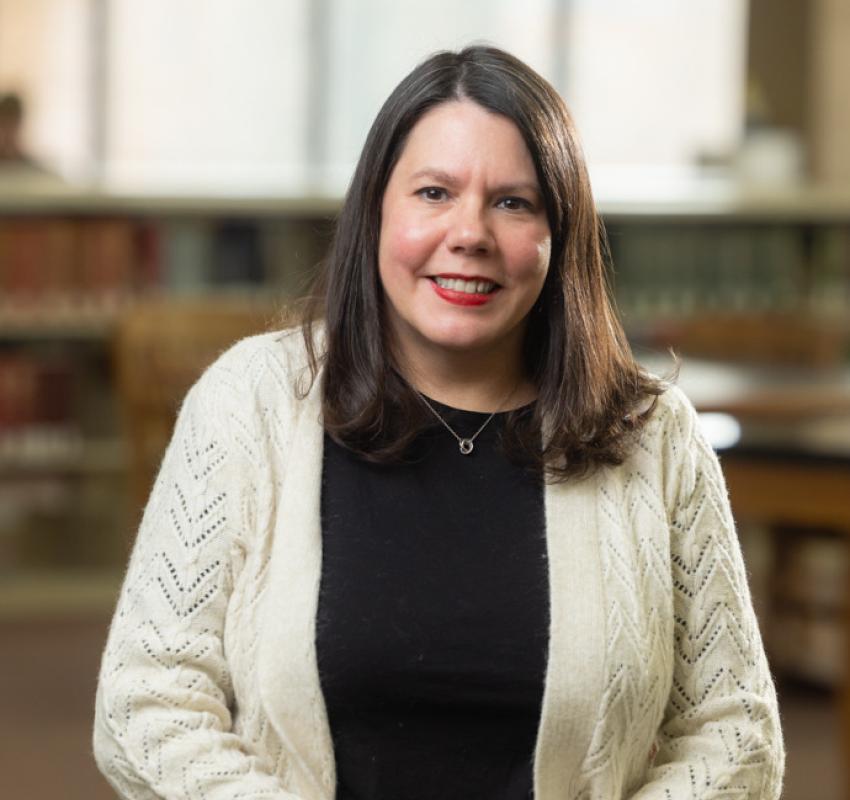
Kathleen Keller
Kathleen Keller is a professor of History. Keller’s research specialization is in the history of France and West Africa in the twentieth century. Keller did research in archives in Paris, Aix-en-Provence, France and Dakar, Senegal to write her first book, “Colonial Suspects: Suspicion, Imperial Rule, and Colonial Society in Interwar French West Africa.” This book, published by University of Nebraska Press uses police sources to understand police surveillance, anti-colonial activity, and the cosmopolitan society that emerged in the cities of French West Africa in the 1920s and 1930s.
Keller’s latest book project, “A Magnificent Fraud: An African Life in Twentieth Century France,” under contract with Louisiana State University Press, considers the life of Alioune Kane, an African migrant to France who reinvented himself many times over decades, especially during the German occupation during World War II. The book manuscript provides new insight into what it meant to be a Black Frenchmen and traces the story through the Second World War when Kane faced dangerous choices.
Keller has published academic articles in the journals French Historical Studies, French Colonial History, and the Oxford Research Encyclopedia of African History. She has also published public history essays in the Washington Post.
Keller’s teaching at Gustavus covers a wide range of topics in world, imperial, European, African, and women’s history. Her favorite courses to teach delve into complex and morally fraught moments of twentieth century history—France under Nazi Occupation and South Africa and Apartheid. She most enjoys working with students to improve their writing and to find research topics that match their personal interests.
At Gustavus since 2011, Keller also serves as the director of the African/African Diaspora Studies program and director of Writing across the Curriculum.
Our People
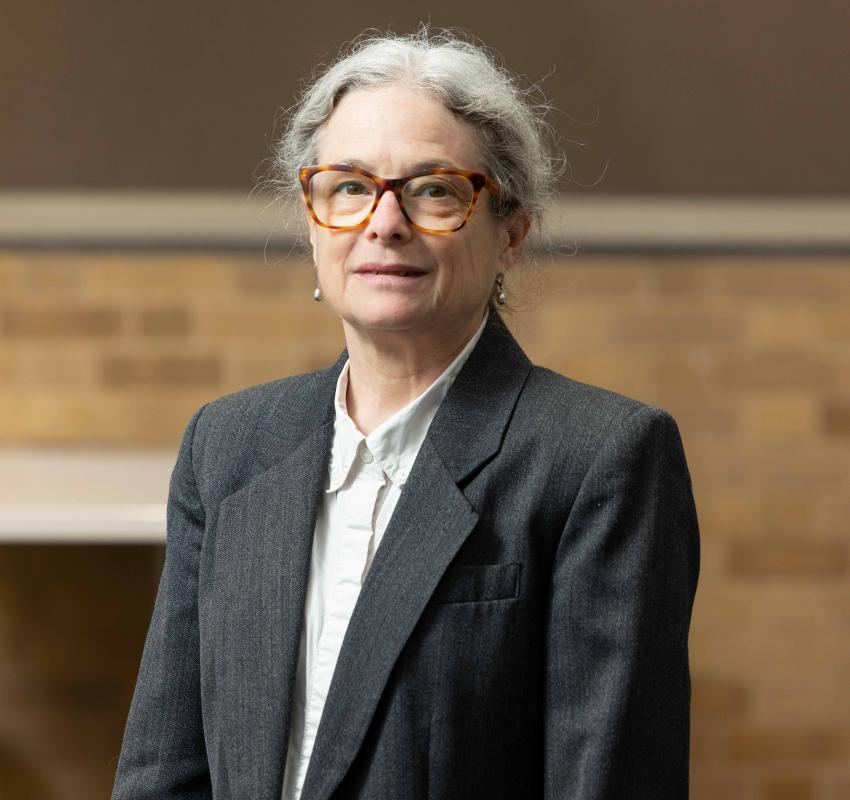
Elizabeth Kubek
Elizabeth Kubek is a Professor of English, specializing in Literary Theory; Interdisciplinary and Gender Studies; Medical Humanities; and new/emerging media, including the early novel and graphic narrative (comics). While attending the University of Rochester she was the inaugural Susan B. Anthony Fellow for Women’s Studies. Originally tenured at Benedictine University, in 2019 she was hired to serve at Gustavus as Associate Provost, Dean of Arts and Humanities, and Director of General Education, also with tenure. With two decades of experience in academic administration, she serves as Faculty Director for Student Academic Success and Director of Summer Term. Dr. Kubek is also a founding member of the President’s Council on Indigenous Relations, and serves as an ombudsman and a Kendall Center AI Fellow.
Dr. Kubek holds multiple certifications in accessible and inclusive course design, with significant experience in online and hybrid course design and delivery, including for non-traditional student populations. Her teaching, advising, and scholarship all revolve around literacy and education as empowerment, with a focus on underrepresented groups, from contemporary non-traditional and non-neurotypical learners in the liberal arts classroom to early modern women writers discovering cities as sites of professional growth and self-invention.
Recent presentations include sessions for The Grading Conference on asset-based, student-centered assignment design, and on fostering “AI resistance” through intrinsic motivation. Another recent conference paper, for the Pacific and Modern Literature Association, examined the theory that graphic narratives foster empathy by activating non-verbal brain systems involved in facial recognition and emotional “sense making.” Her current writing project, tentatively entitled Paramours, focuses on parasocial relationships and the function of verbal narrative as emotional “training,” from early modern romantic fictions to chatbot/human interactions. This research is also the basis for her AI/Human Relations Challenge Seminar (Spring 2027).
When not teaching she enjoys reading romance novels, watching classic and contemporary films with her family, and disappearing down Reddit rabbit holes.
Our People
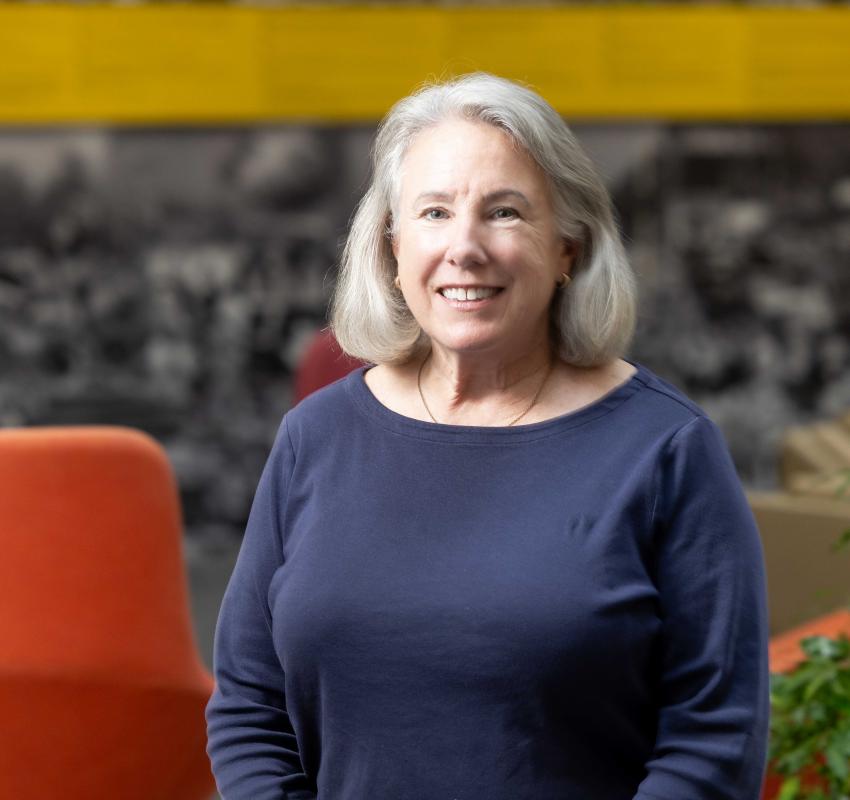
Cathy Harms
Cathy Harms is a Senior Continuing Faculty member specializing in Marketing, Digital Marketing, and Marketing Research, and holds the George B. Torrey Endowed Chair of Management Marketing. She is currently the Business and Economics Department Chair. She joined the Gustavus faculty in 2016, bringing extensive professional experience from careers in banking, product management, venture capital, and marketing management.
Her teaching philosophy is centered on preparing students for the professional world. All of her courses incorporate experiential learning, pairing student teams with non-profits and businesses to develop marketing strategies, conduct market research, or implement digital marketing campaigns. This approach allows students to build critical skills in teamwork, project management, communication, and problem-solving. The world of marketing is constantly changing, so she brings in several guest speakers each semester to share their journey and the current marketing careers.
Beyond the classroom, Cathy manages the Content Managers for the Business and Economics Department. In this role, she oversees the creation of content for the department's social media platforms, which targets prospective students and undecided undergraduates. The content highlights departmental events, features students and alums, and educates the audience on the value of a Business, Accounting or Economics degree.
Cathy is deeply passionate about advising students and guiding them in their preparation for life after graduation. She has actively partnered with the Career Development Center to promote their services to students. As a proud alumna of Gustavus, she remains actively involved as a Class Agent and maintains close friendships established during her freshman year.
In her free time, she enjoys playing piano at a local nursing home, playing pickleball and volleyball, biking, hiking, walking in the Linnaeus Arboretum, and traveling. Her favorite role is being Nana to her four grandsons.
Our People
Matthew Panciera
Matt Panciera is an associate professor of Greek, Latin, and Classical Studies. He truly enjoys teaching the languages - all levels of Greek and Latin - in addition to a wide range of classical studies courses; everything from Greek tragedy to Roman history. His research focuses on the incredible treasure trove of information found in the Pompeian graffiti scratched into the walls of the ancient city by its beautifully ordinary inhabitants before it was buried under the eruption of Mount Vesuvius. He is extremely grateful to have been awarded on three occasions a NEH Summer Seminar for K-12 teachers where they, together with a team of distinguished scholars, explored the topic of of Roman daily life as seen in the Roman novelist Petronius and the archaeological and epigraphical remains of Pompeii. He has also worked on Roman funerary inscriptions including the epitaph of the unforgettable freedwoman, Allia Potestas.
Matt feels fortunate to have been hired on four different occasions by the Intercollegiate Center for Classical Studies in Rome and he is a passionate advocate for teaching and learning on site. He always finds himself experiencing ideas, making connections, and asking questions that would never occur to him without the inspiration of standing in the place where the ancient Greeks and Romans once lived their lives. He is happy to teach a class where the students "nerd out" and dive deep into the Greeks and Romans for their own sake. But ultimately he believes, both for himself and his students, the greatest benefit of spending time with the Greeks and Romans is how much we learn about ourselves and what we want to make of our own world.
If pressed, on most days he would say his favorite classical authors to read in the original language are Homer and Ovid. He recognizes the beauty of Greek and the genius of so much that came to fruition in Athens in the 5th century BCE—the histories of Herodotus and Thucydides, the birth of western philosophy, tragedy (Sophocles is his favorite)—but he is more at home in Latin and loves the way that reading Petronius and Pompeian graffiti feels like looking through a window directly at the ancient Romans. His favorite classical building is the Pantheon in Rome and his favorite site is Segesta in Sicily.
Outside of work he loves to cook for his family, visit the Boundary Waters, root for all the Boston teams (but also the Vikings), play golf, and exercise.
Our People
Maddalena Marinari
Maddalena Marinari is a Professor of History and the Dorothy Peterson, Mildred Peterson Hanson, and Arthur Jennings Hanson Endowed Professor of Liberal Studies. She is the author of Unwanted: Italian and Jewish Mobilization Against Restrictive Immigration Laws, 1882–1965 (University of North Carolina Press, 2020) and of several articles on immigration restriction, U.S. immigration policy, and immigrant mobilization in the Journal of American History, Journal of Policy History, Journal of American Ethnic History, Journal of the Gilded Age and Progressive Era, and Social Science History Journal. She has also co-edited four volumes on different aspects of US immigration history in the twentieth century, a special issue of the Journal of American History on the centennials of the immigration restriction acts of the 1920s, and a special issue of the Journal of American Ethnic History on migration and citizenship. Her next book explores the history of family, marriage, and sexuality in U.S. immigration policy from 1875 to 2025. She is also one of the scholars who created the Immigration Syllabus, an online tool for anyone interested in understanding the history behind current debates on immigration, and of Immigrants in COVID America, a curated collection of resources that chronicles the impact of the pandemic on migrant and refugee communities in the United States. Professor Marinari is currently president of the Immigration and Ethnic History Society and Editor in Chief of the Oxford Research Encyclopedia of Migration Studies. She has received funding from the American Philosophical Society, the Gilder Lehrman Institute of American History, the Immigration History Research Center, the Social Science Research Council, and the American Society for Legal History for her research and her public projects.
At Gustavus, she teaches a broad range of courses in U.S. history since 1865 and is an active member of the community. Her service to the College includes her tenure on the Faculty Senate and the Personnel Committee as well as her roles as the Kendall Center Associate for Faculty, Research, and Scholarship and as the Kendall Center Associate for Excellence in Teaching. In 2023, she received the Gustavus Faculty Service Award for her work on the Faculty Task Force. In 2021, Gustavus Adolphus College awarded her the Gustavus Faculty Scholarly Accomplishment Award in recognition of her scholarship accomplishments.
Our People
Priscilla Briggs
Priscilla Briggs is a professor of Art & Art History, the advisor for the Film & Media Arts major, and supports the Film & Media Studies interdisciplinary program. Priscilla teaches Digital Photography, Video Art, Graphic Design, the Zines for Sustainability challenge seminar, and the Arts Now professional practice seminar for junior art majors.
She enjoys teaching within the liberal arts mission of Gustavus and guiding students in their experience of the visual arts as both an intuitive and intellectual process that contributes to well-being and supports our curiosity as human beings. She enjoys collaborating with students and has led multiple faculty/student summer research projects.
Priscilla is a practicing artist who investigates the intersections of capitalism, identity, social justice and the environment through photography, collage and book-making. Her research has been supported by numerous grants, most notably the McKnight Foundation, the Puffin Foundation, and the Minnesota State Arts Board. Her work has been exhibited internationally at venues such as the Saatchi Gallery in London, the Landskrona Photo Salon in Sweden, the National Museum of Modern and Contemporary Art in Seoul, the National Gallery of Victoria in Melbourne, the Musei San Domenico in Forlì, Italy, and the Minneapolis Institute of Art.
Her artist monograph, Impossible Is Nothing: China’s Theater of Consumerism, was published by Daylight Books. Many images from the book were created during artist residencies at the Chinese European Art Center in Xiamen and Art Channel in Beijing. Priscilla recently launched Rose Bramble Books, an artist zine/book platform. Her work has been featured in print and online publications such as European Photography Magazine, Newsweek Japan, Photo District News, Hyperallergic, L’oeil de la Photographie, Lenscratch, and F-Stop Magazine. Priscilla is a member of both Rosalux Gallery and the FotoMatter Collective.
Priscilla’s research has taken her near and far from the Badlands to China and India, but her travels began in her early twenties when she taught English in Tokyo and backpacked through Southeast Asia for two years. She has led travel courses in Thailand and Ireland. Wherever she goes, she looks for the nearest hiking trail.