The Mighty Mississippi: Currents of ChangeNobel Conference 62 | October 05 – 07, 2026
The 62nd Nobel Conference will take up the topic of the Mississippi River. On official maps, the Mississippi River is merely the water that lies between two banks; however, both cutting-edge science and ancient ways of knowing define the river as being much more expansive than that simple blue line on a page. Today, historians and social scientists are shedding new light on the myriad of ways the Mississippi shapes human communities and power structures.
This conference invites us to challenge conventional definitions by considering the dynamic intersections of geological forces, biological communities, human cultures and ecological systems. Leading experts from multiple disciplines will explore how the watershed has evolved, how the introduction of new fish and plant species has altered the river’s ecology, and how climate change, agricultural runoff, river engineering projects, and other human uses pose challenges to the future health of the river and those who depend on it. Indigenous perspectives will help us honor the river’s complex ecological, social, and spiritual contexts.
Support the Conference Download the Program
Science and Ethics, in Dialogue
Since 1965, the Nobel Conference has been bringing leading researchers and thinkers to Gustavus, to explore revolutionary, transformative and pressing scientific issues and the ethical questions that arise alongside them. As the only event in the United States authorized by the Nobel Foundation in Stockholm, Sweden to use this name, it is our privilege to host a space in which we can talk about big scientific questions, and the big ethical issues to which they inevitably give rise. The world needs more people who think critically about the crucial issues of our time, and who ask questions in ways that open up the conversation.
I have discovered here in this little corner of Minnesota a place of great intellectual curiosity reaching into the future.
Conference Presenters
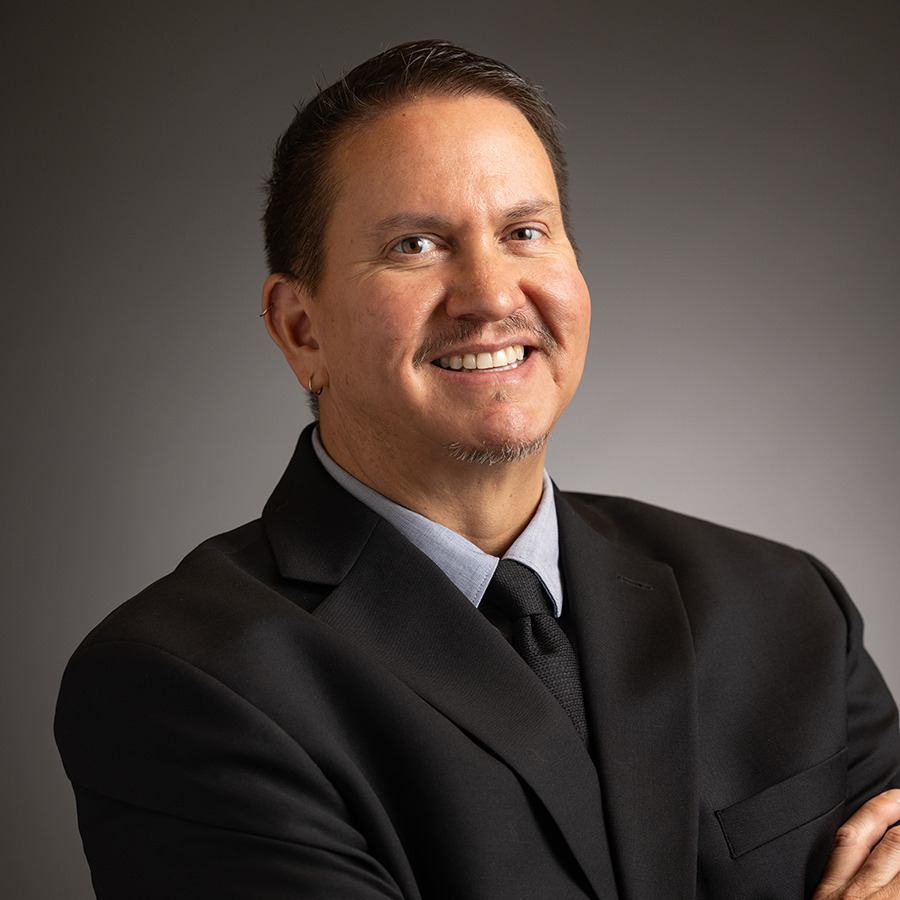
Kelly Applegate
Commissioner of Natural Resources for the Mille Lacs Band of Ojibwe
Indigenous Stewardship, Water, and the Future of Resource Decisions
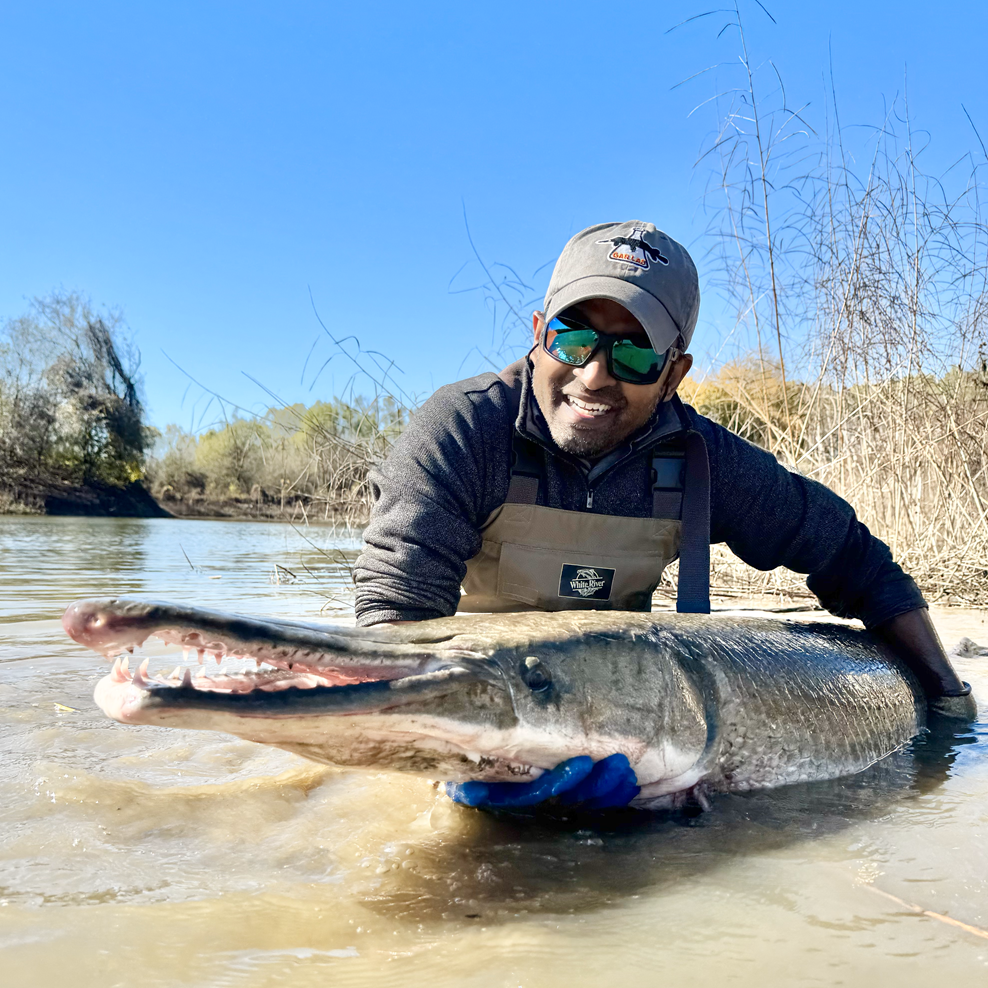
Solomon R. David
Assistant Professor of Aquatic Ecology in the Department of Fisheries, Wildlife, and Conservation Biology at the University of Minnesota
Ancient Fishes and the Modern Mississippi: Conserving the Past for our Future
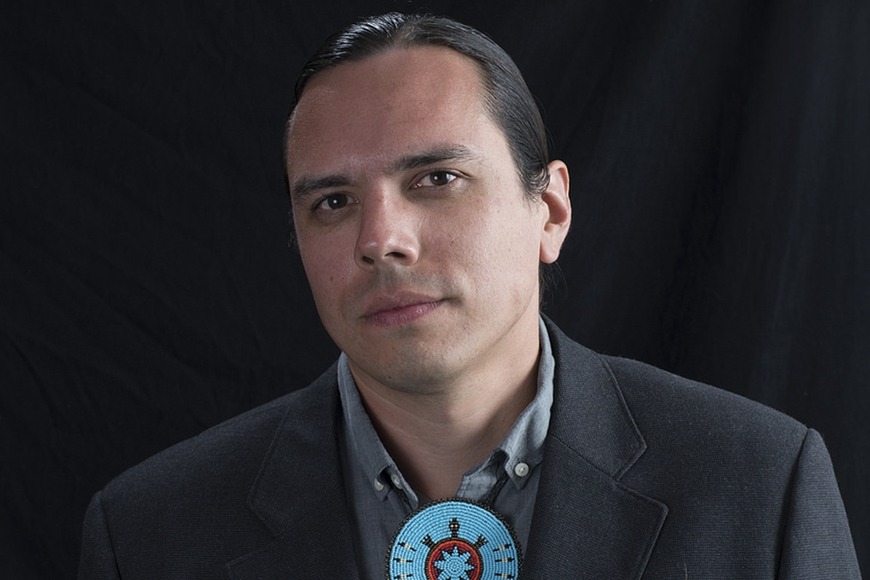
Nick Estes
Enrolled Member of the Lower Brule Sioux Tribe in South Dakota and Associate Professor in the Department of American Indian Studies at the University of Minnesota
At the Edge of Empire: The Mississippi River, Settler Colonialism, and the Oceti Sakowin
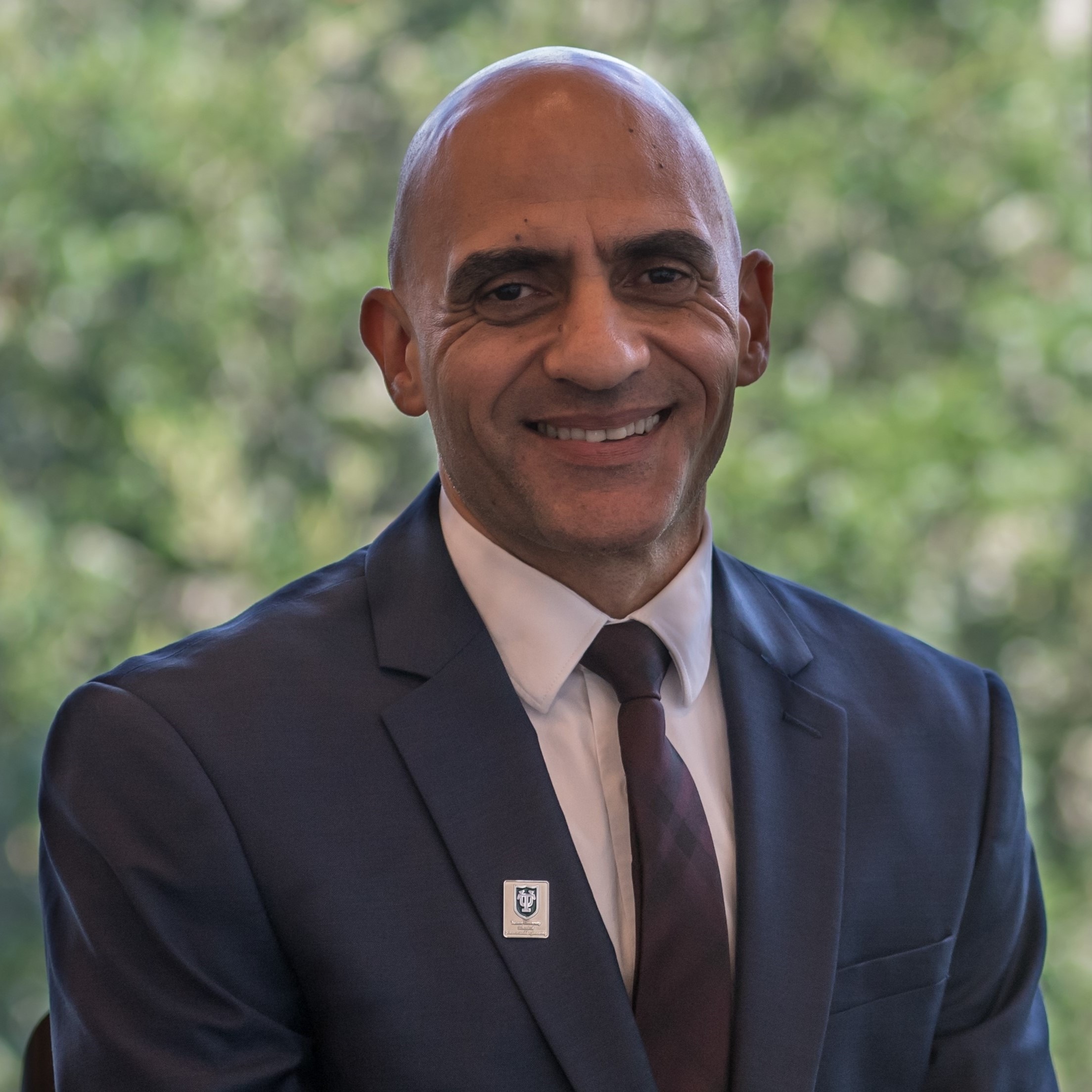
Ehab Meselhe
Charlotte Beyer Hubbell Chair and Department Chair of the River-Coastal Science and Engineering at Tulane University
The Mississippi River: A Century of Control, Consequences, and the Legacy of the 1927 Flood
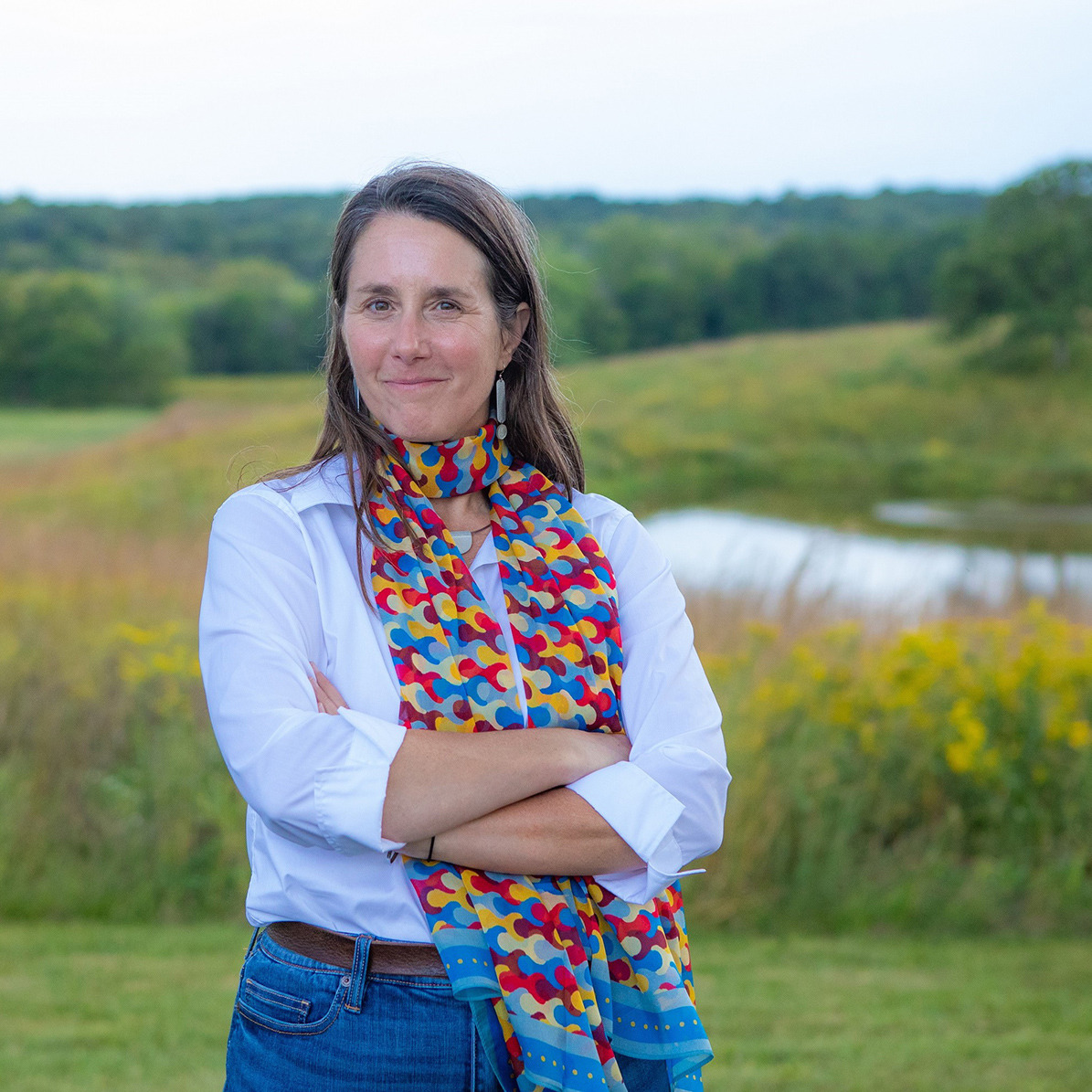
Lisa Schulte Moore
Charles F. Curtiss Distinguished Professor in Agricultural and Life Sciences in the Department of Natural Resource Ecology and Management and Director of the Bioeconomy Institute at Iowa State University
All Together in the Watershed: Connecting What Happens on Land with What’s in Our Water and What to do About It
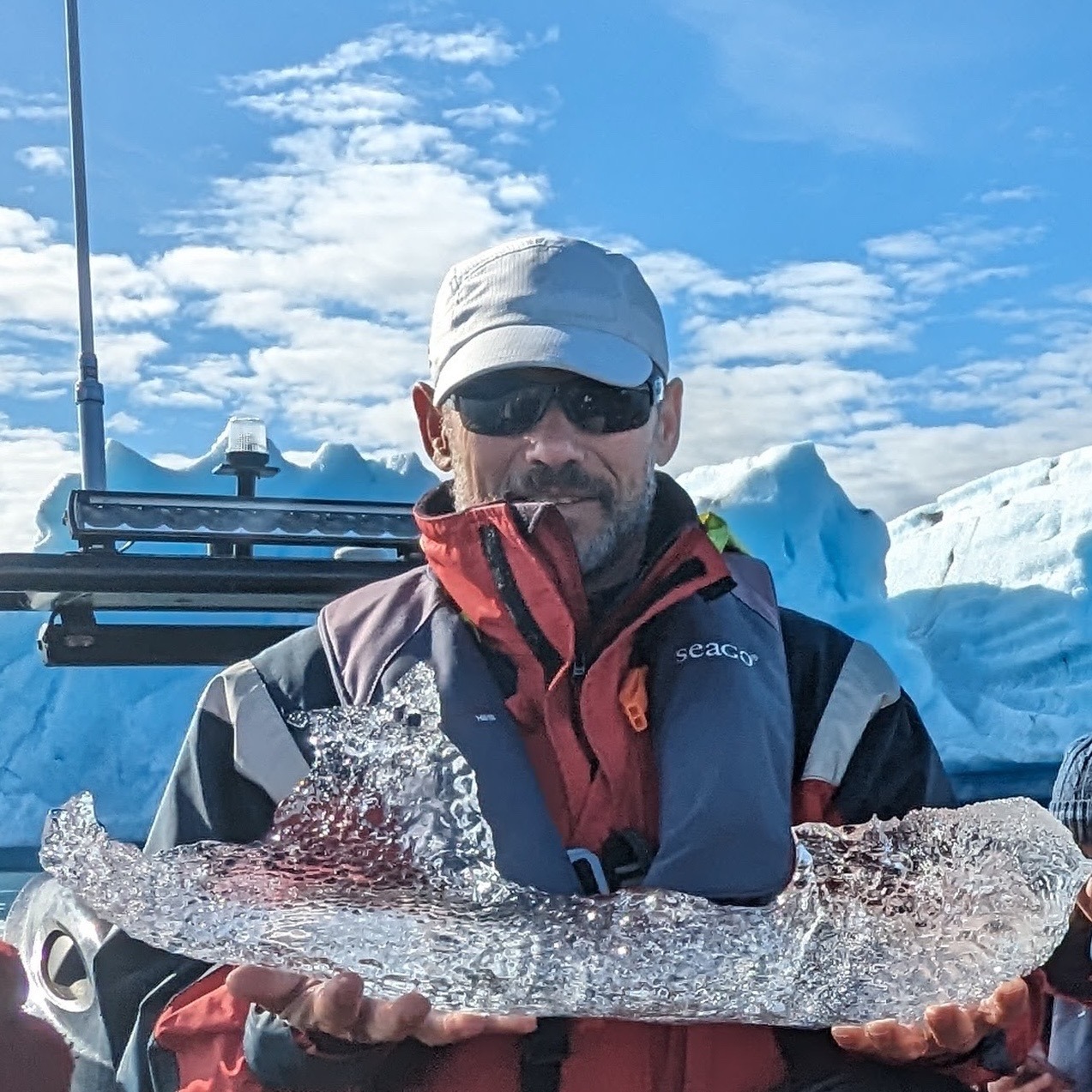
Nicholas Pinter
Roy J. Shlemon Distinguished Professor in Applied Geosciences in the Department of Earth and Planetary Sciences and Associate Director of the Center for Watershed Sciences at the University of California, Davis
300+ Years of ‘Riparian Consent’: Living with Floods Along the Mississippi River
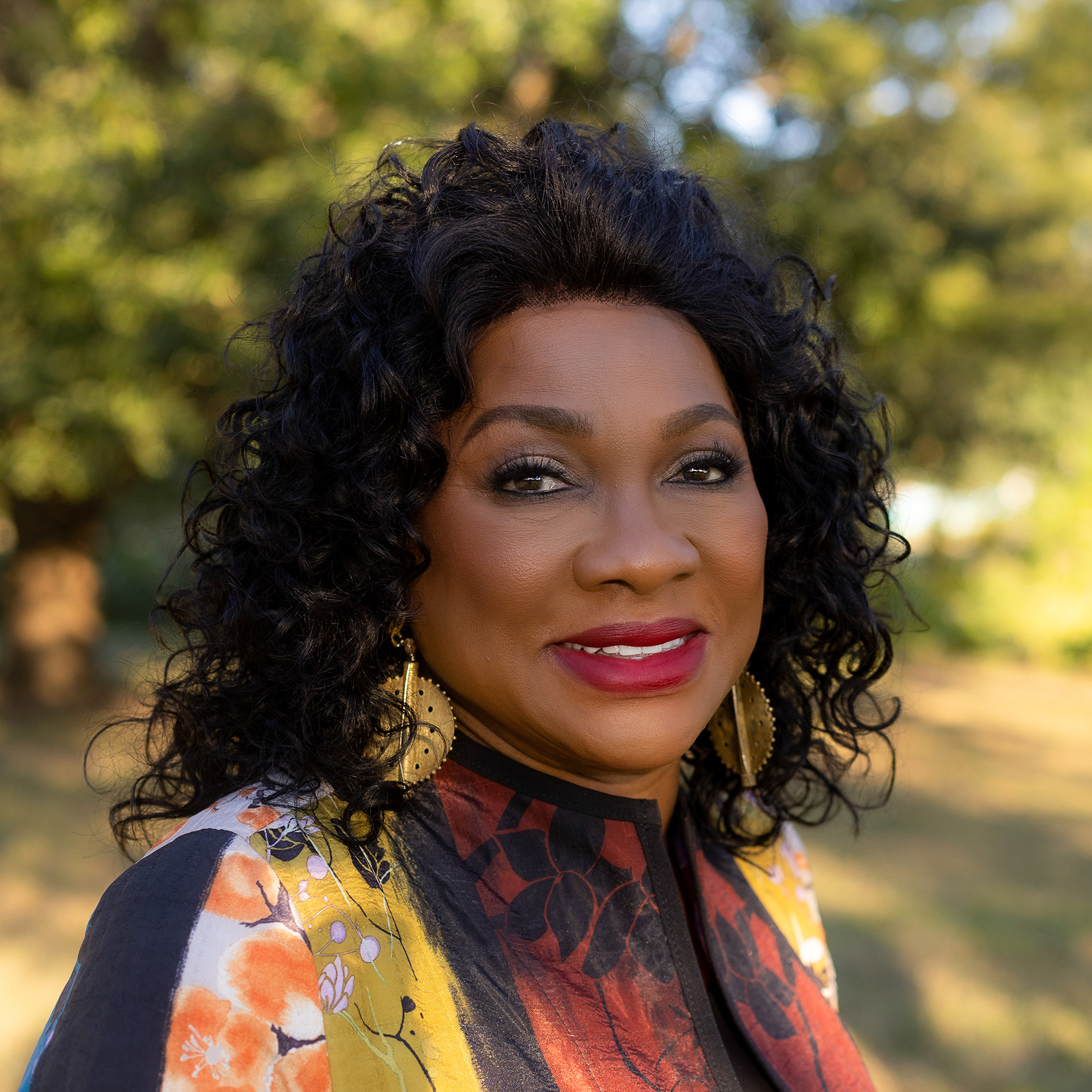
Beverly Wright
Professor of Sociology and Founder of the Deep South Center for Environmental Justice (DSCEJ) in 1992—The First Environmental Justice Center in the United States.
Troubled Waters: How Race, Class and Climate Intersect Along the Mississippi River
Science and Ethics through the Arts
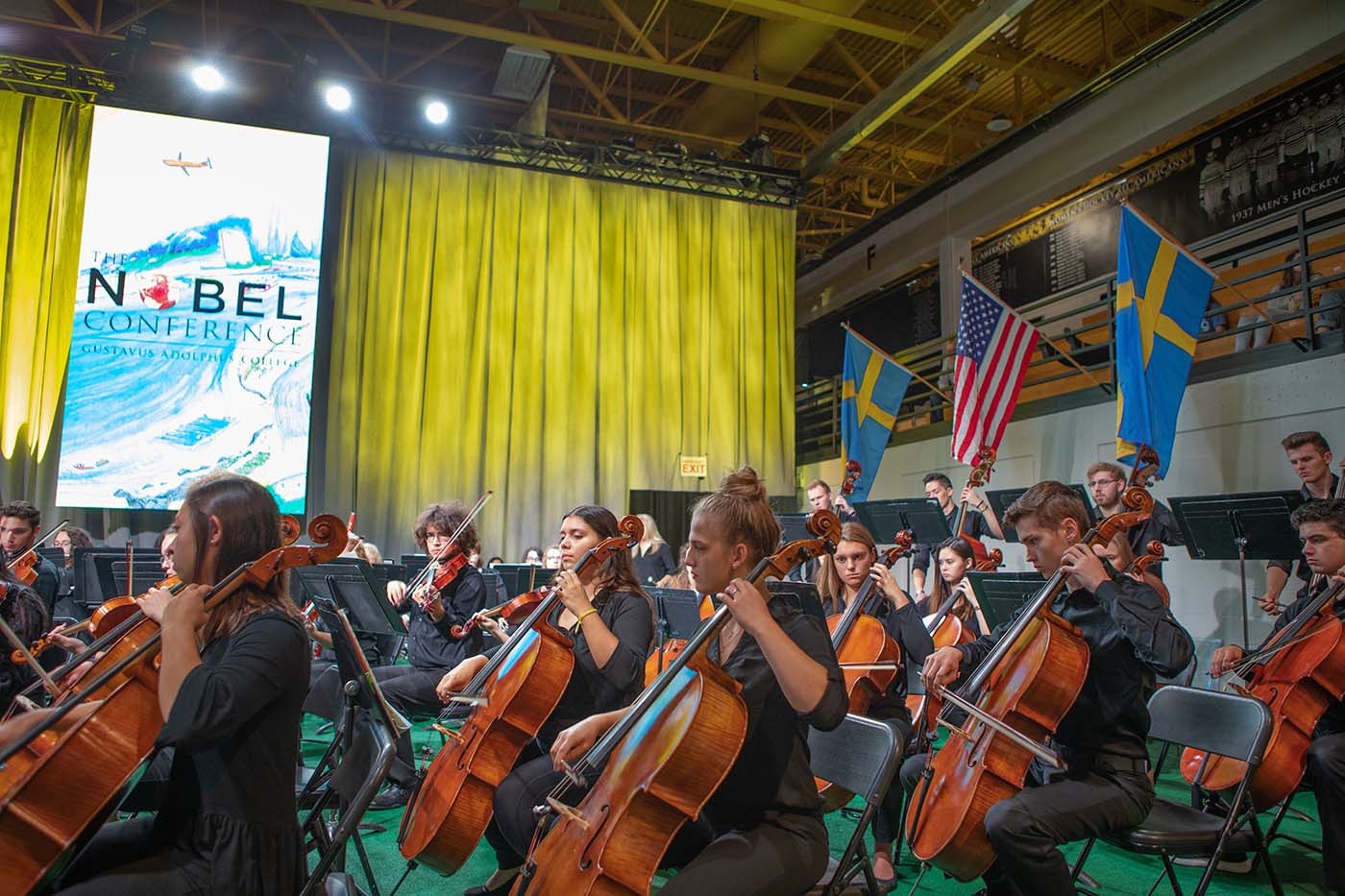
As a liberal arts college, Gustavus is committed to addressing questions using the full range of human inquiry activities. Each year, the Nobel Conference theme is interpreted through events including an art exhibit, a concert, and dance. The arts explore, inquire and teach about ideas in ways that lectures often cannot. Music, dance, and visual arts invite us to pause, reflect and learn, and to do so with all of our senses.
ScienceWhys Podcast
When big scientific questions meet big ethical questions, the waters can get pretty choppy. Lisa Heldke, philosopher and director of the Nobel Conference at Gustavus Adolphus College, interviews scientists, researchers, scholars and thinkers about how science and ethics mingle, eddy, roil and churn in their own work. The podcast for anyone who hears about a scientific breakthrough and thinks “what are the downstream consequences of that?”

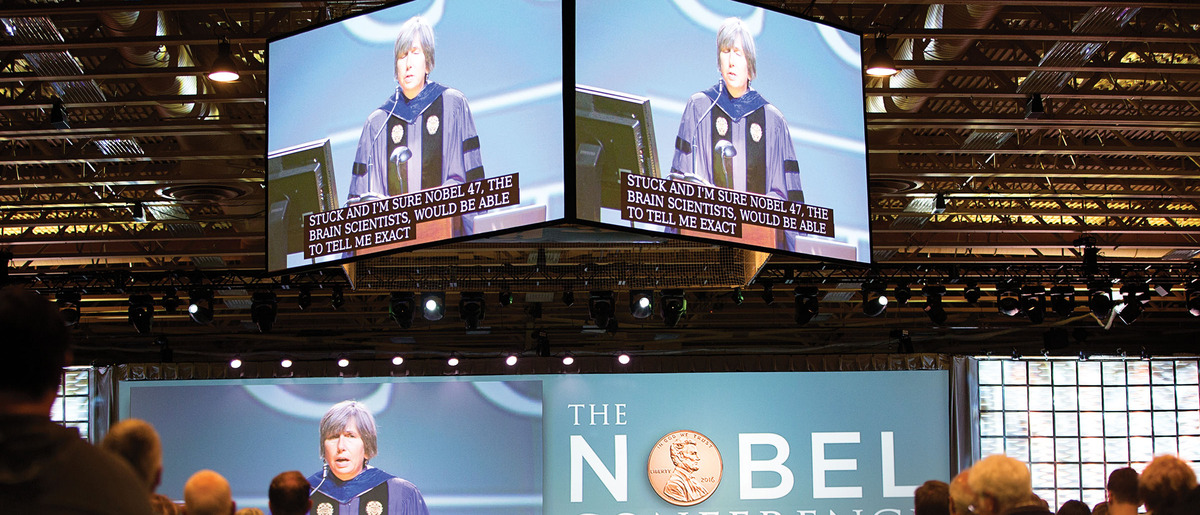
Gathering people together for deeply informed, carefully reasoned, respectful and thrilling conversations about critical issues is a gift of hope and civility to a bewildered, battered world. The Nobel Conference does this with expertise and grace.
— Dr. Kathleen Dean Moore, author of
Moral Ground and Great Tide Rising
Stay Involved in the Conversation
Follow the Nobel Conference on social media to keep up to date on news related to current and past conference themes.