Ehab MeselheNobel Conference 62
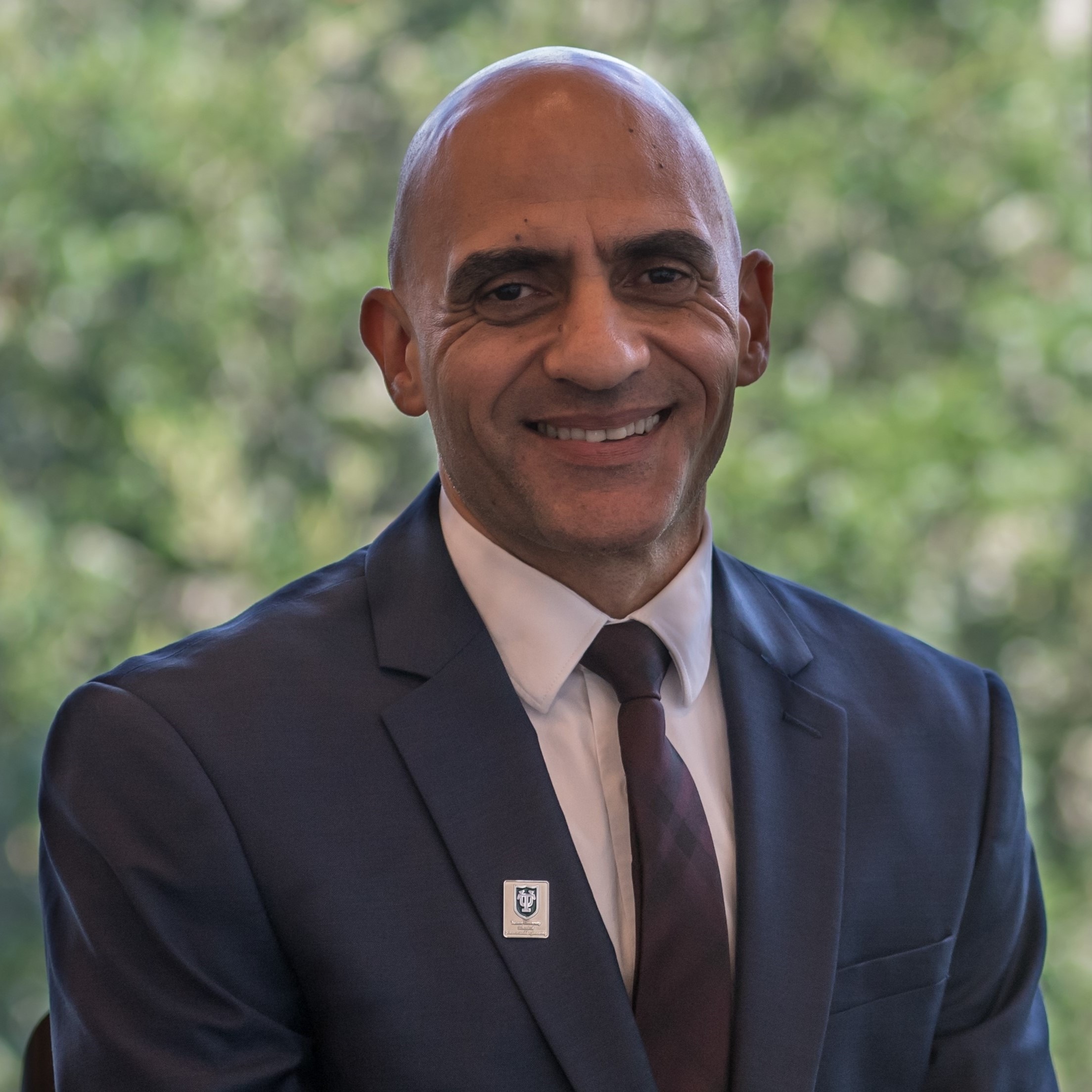
Ehab Meselhe
Charlotte Beyer Hubbell Chair and Department Chair of the River-Coastal Science and Engineering at Tulane University
The Mississippi River: A Century of Control, Consequences, and the Legacy of the 1927 Flood
The Mississippi River has always been the lifeline of the Gulf Coast, carrying water and sediment that help shape the wetlands and support communities along its path. Over the past century, however, humans have drastically changed the river. We built dams, levees, cutoffs, and other structures to control floods and make navigation safer and more reliable. These efforts brought undeniable economic benefits and reduced flood risk for millions of people. But they also changed how the river moves, how much sediment it carries, and how it interacts with the coastal landscape—often in ways that harm the environment.
By comparing the past with the present, we can see just how much the river’s ability to deliver land-building sediment has declined. This matters today because Louisiana’s coastal restoration plans depend heavily on diverting sediment from the Mississippi River to rebuild wetlands. Our findings show that reduced sediment supply—and uncertainties about how fine sediments behave—make these challenges even more complex. Overall, this talk highlights how much we’ve altered the river, how those changes continue to affect our environment, and why understanding the past is essential for planning Louisiana’s future.
Biography
At Tulane University, Dr. Meselhe helped establish the pioneering academic program in 2017 to address the complex interdisciplinary challenges facing river-deltaic-coastal systems. Dr. Meselhe brings nearly 30 years of expertise in coastal wetland hydrology, sediment transport, and hydrodynamic modeling to his work at the nexus of physical, ecological, and social processes in threatened coastal landscapes.
Dr. Meselhe earned his master’s and PhD in Civil and Environmental Engineering from the University of Iowa and is a registered Professional Engineer in Louisiana and Iowa. Before joining Tulane, he spent 15 years as a professor at the University of Louisiana at Lafayette and served as Vice President for Engineering at the Water Institute of the Gulf, where he became one of Louisiana’s foremost authorities on coastal restoration science.
As Louisiana’s technical lead for the Mississippi River Hydrodynamic and Delta Management Study, Dr. Meselhe developed the numerical models that provided the scientific foundation for Louisiana’s 2012 and 2017 Coastal Master Plans—the state’s comprehensive $50 billion blueprint for combating catastrophic land loss. He played a central role in designing the Mid-Barataria and Mid-Breton sediment diversions, massive engineering projects intended to reconnect the Mississippi River to its delta and rebuild disappearing wetlands by mimicking the natural processes that originally created Louisiana’s coast. His recent research explores innovative “pulsing” approaches to sediment diversions that could balance land-building goals with impacts on coastal fisheries and communities.
Dr. Meselhe’s work exemplifies his core conviction that technical solutions must integrate community knowledge and cross-disciplinary collaboration. He has pioneered participatory modeling sessions where coastal residents work alongside scientists to refine restoration strategies, ensuring that affected communities have meaningful input in decisions about their landscapes. At Tulane, he champions an interdisciplinary educational model, teaching courses like “The Gulf Coast in 2100” that bring together students from engineering, law, public health, and environmental studies to prepare a new generation of problem-solvers capable of addressing the integrated challenges of climate change, sea-level rise, and coastal sustainability. His approach to river-coastal science recognizes that saving vulnerable deltas worldwide requires both engineering expertise and the integration of ecological understanding, social equity, and community resilience.