Beverly WrightNobel Conference 62
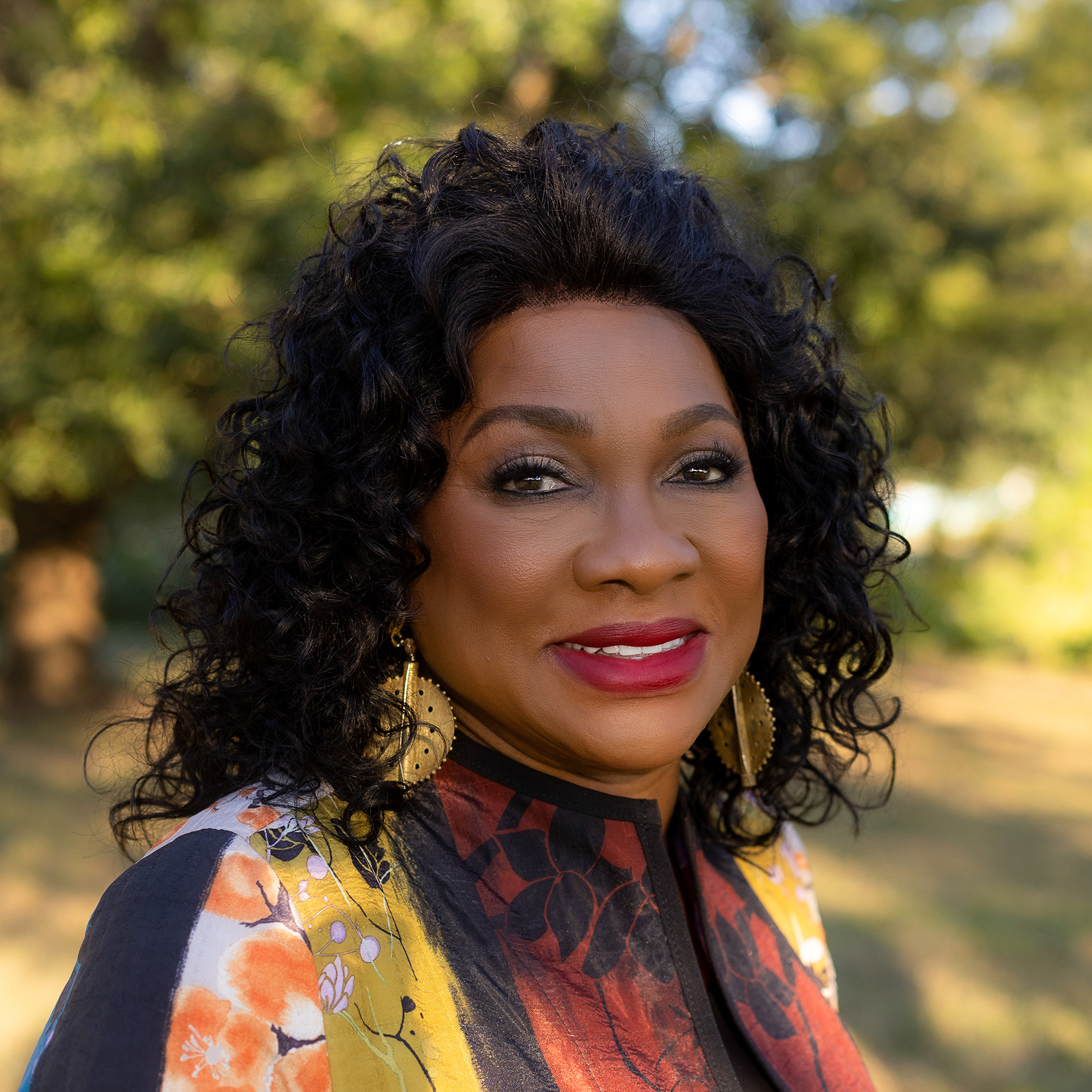
Beverly Wright
Professor of Sociology and Founder of the Deep South Center for Environmental Justice (DSCEJ) in 1992—The First Environmental Justice Center in the United States.
Troubled Waters: How Race, Class and Climate Intersect Along the Mississippi River
Why are certain communities perpetually exposed to environmental hazards while others remain protected? This presentation examines the Mississippi River Chemical Corridor as a case study in how intersecting systems of race and class create zones of environmental sacrifice. The same 85-mile corridor that once housed plantation slavery now hosts the densest concentration of petrochemical facilities in the United States, with African American and poor white communities bearing the health burdens of industrial proximity.
Dr. Wright will trace this historical continuum from plantation to plant, exploring how racism rooted in historical misconceptions about nonexistent human differences—including beliefs that shaped occupational segregation—created the ideological foundation for environmental inequity. She will demonstrate how land ownership patterns, property valuation systems, and political power disparities continue to shape who lives where along the river and how various entities perceive and value this watershed.
The presentation addresses a stark sociological paradox: regions with the greatest natural resource wealth often exhibit the highest rates of poverty and environmental degradation. Extraction economies concentrate benefits elsewhere while externalizing costs onto local populations. Dr. Wright will conclude by examining the hope in presently emerging grassroots shifts toward sustainability. These cultural transformations include heightened awareness of water quality, adoption of renewable energy solutions, and community-based environmental activism. These patterns suggest that while science has historically been deployed to justify injustice along the Mississippi, it can be reclaimed to advance environmental equity when communities lead the inquiry.
Biography
Beverly L. Wright is a pioneering environmental justice scholar, advocate, author, and professor of Sociology who founded the Deep South Center for Environmental Justice (DSCEJ) in 1992—the first environmental justice center in the United States. Born and raised in New Orleans near Louisiana’s infamous “Cancer Alley”—an 85-mile industrial corridor housing over 150 petrochemical plants and refineries—Dr. Wright has dedicated over three decades to addressing environmental racism and health inequities that disproportionately burden communities of color.
Dr. Wright earned her BA from Grambling State University and both her MA and PhD in Sociology from the State University of New York at Buffalo, which honored her with its Distinguished Alumni Award in 2003. Her groundbreaking research combining demographic data with Toxics Release Inventory reports revealed the stark correlations between race and pollution exposure, fundamentally shifting how environmental justice is understood and addressed.
As Founder and Executive Director of DSCEJ, Dr. Wright developed the innovative “communiversity model”—a partnership approach that integrates community concerns and lived experiences into research and policymaking. Under her leadership, DSCEJ has provided hazardous waste worker training, developed environmental justice curricula for New Orleans Public Schools, and created the nation’s first environmental justice mapping tool. Following Hurricane Katrina, which destroyed her own home, Dr. Wright spearheaded the “A Safe Way Back Home” program, training workers in hazardous waste removal and helping displaced residents safely return to their communities.
President Joe Biden appointed Dr. Wright to the White House Environmental Justice Advisory Council in 2021, and in 2024 she was named Vice Chair of the EPA’s inaugural HBCU-MSI Federal Advisory Council. Her numerous honors include the prestigious Heinz Award (2009), the EPA Environmental Justice Achievement Award (2008), and recognition in 2024 at the EPA’s National Environmental Museum and Education Center. Dr. Wright’s co-authored books include The Wrong Complexion for Protection and Race, Place, and the Environment After Hurricane Katrina, seminal works documenting how government responses to disasters endanger marginalized communities and perpetuate environmental injustice.