Our People
Emma Brunton
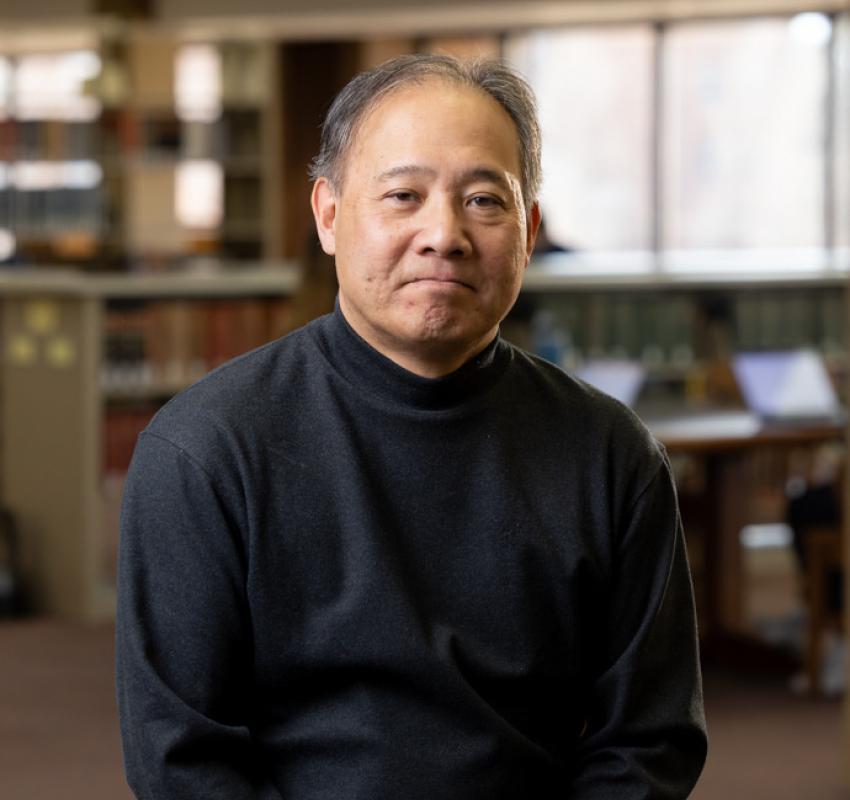
Emma Brunton ’19 is an instructor in the Health and Exercise Science Department. She recently returned to her alma mater after receiving her master's in Community Health Education from Minnesota State University, Mankato. Her professional expertise centers on preparing future health and physical education teachers and coaches through evidence-based, purpose-driven practices. Currently, her work focuses on athlete development, leadership training, and incorporating mental health and functional movement into sport. She has led important cross-divisional service initiatives, including the Mental Health Club and Hope Squad, to promote student well-being and support. Brunton received the Golden Apple Award in 2021 and the Section 1A Assistant Coach of the Year award in 2021 and 2025. Outside of academic work, she enjoys weight lifting, painting, reading, and spending time with her husband, family, friends, and dog.
Our People
Ernest Briggs
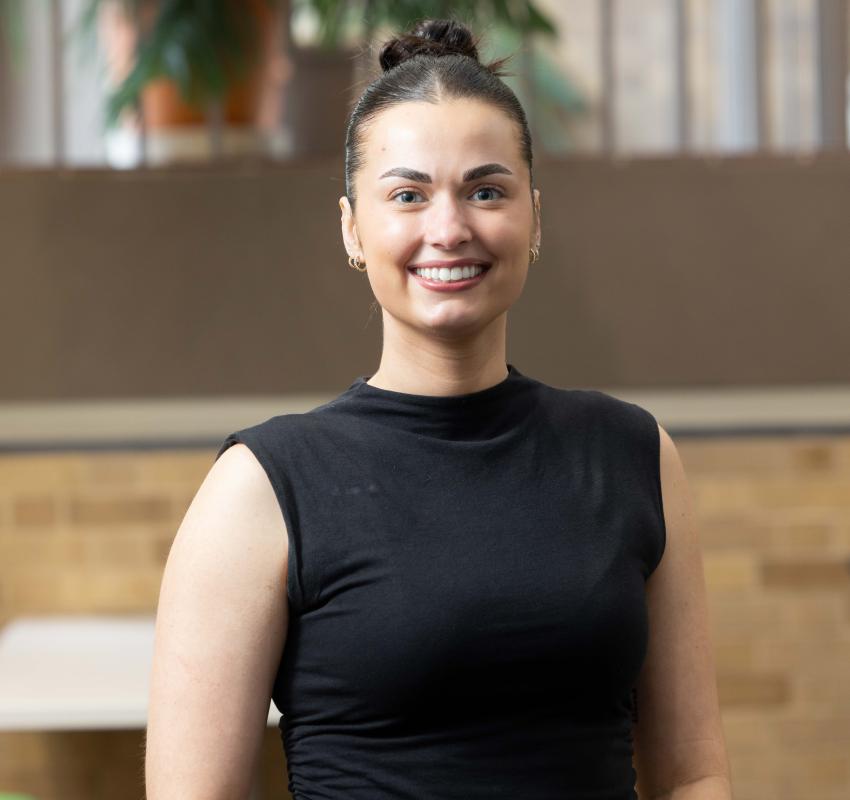
Ernest Briggs is a professor of Theater and teaching Performance 1 and Performance 2, Improv, Directing and World Theater Analysis. He has recently directed The Secret in the Wings, Transforming and previously directed The Last Days of Judas Iscariot at Gustavus. Briggs has been a Warner Bros Discovery Early Access Early Career Bootcamp Fellow, Guthrie Theater Theater Management Fellow, and Park Square Directing Fellow.
Ernest Briggs has been an actor, director, producer and teaching artist for more than 15 years. He has been seen on the stages at Guthrie Theater, Mixed Blood Theatre, Park Square Theater, South Coast Repertory, Pangea World Theatre, Children's Theatre and in films such as Unholy Communion, Ode for Leviticus, and Sold Out.
Our People
Katherine Knutson
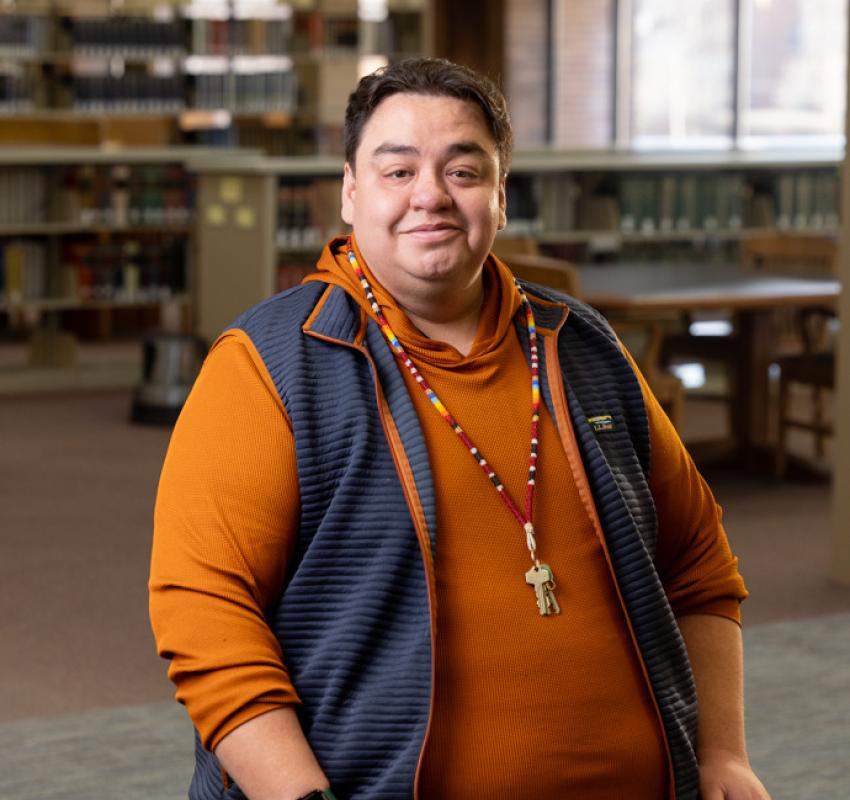
Dr. Kate Knutson began her Gustavus career in the Political Science department in 2005. Kate's areas of focus are U.S. politics and public policy, and she teaches courses on public policy, interest groups, Congress, women and politics, and child welfare policy. She is the recipient of the Edgar M. Carlson Award for Distinguished Teaching (2020) and the Swenson-Bunn Memorial Award for Teaching Excellence (2024). Kate’s research focuses on the role of advocacy groups in the creation of public policy. She is author of "Interfaith Advocacy: The Role of Religious Coalitions in Political Process" and a textbook, "An Introduction to U.S. Public Policy: Theory and Practice." Kate serves as the faculty advisor to Pi Sigma Alpha (the political science honor society), Building Bridges, and Proclaim. Outside of Gustavus, Kate volunteers with Seeds of Hope, a faith-based summer camp for kids from southern Minnesota who are served by the social services system.
Our People
Mary McHugh
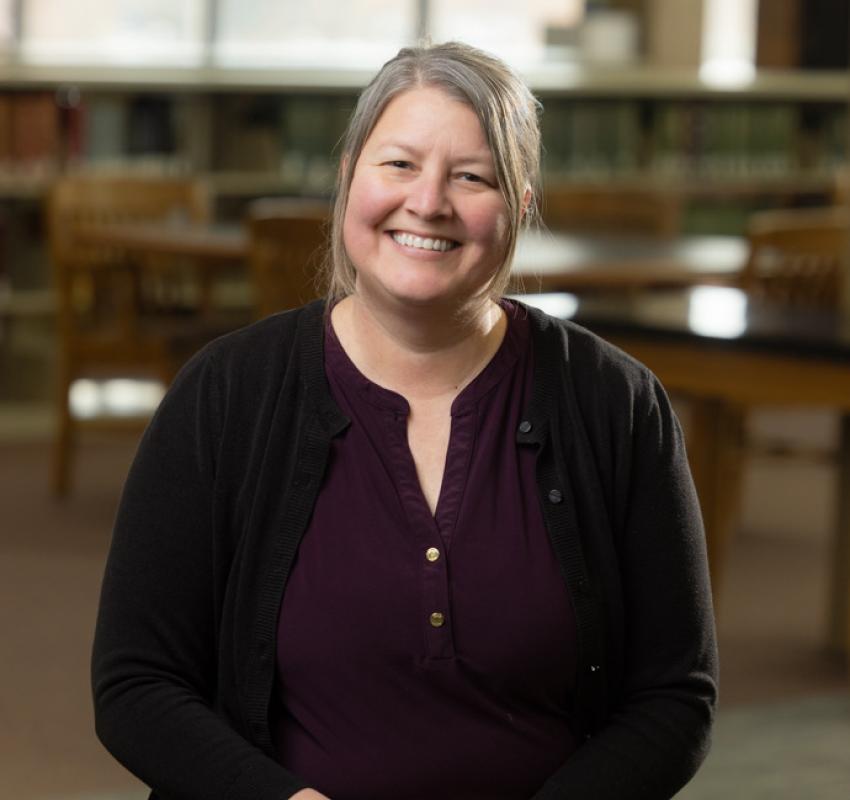
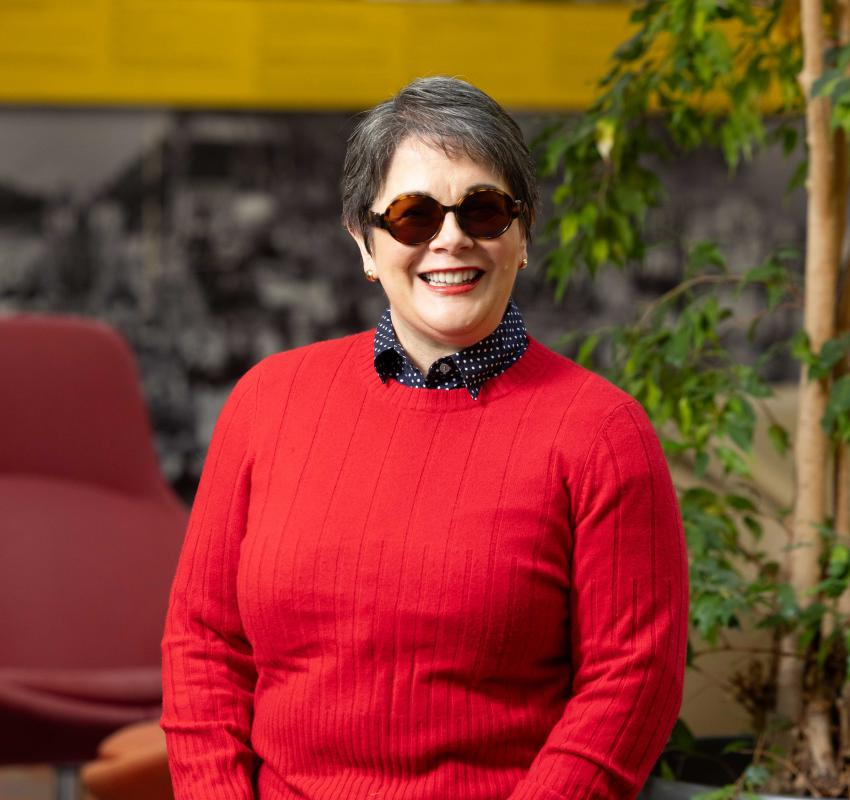
Mary R. McHugh is a Professor in the Department of Greek, Latin, and Classical Studies. She is a social historian whose wide-ranging scholarship encompasses political history, intellectual and cultural cross-pollination, and the history of food production and culture. A recently published chapter examines how Plato’s Timaeus shaped conceptions of time and cosmology within the intellectual milieu of Western Greece. McHugh argues that its call for cosmological models influenced a tradition of mathematical and mechanical innovation, from Archimedes’ devices to medieval and Renaissance astronomical clocks.
McHugh is adept at pursuing leads and situating the particular within its broader context. She has taught courses at all levels of Greek and Latin to those spanning Near Eastern and Greco-Roman history to Chinese and Islamic cultural exchanges with the West. She also teaches courses in art and archaeology, bringing her expertise in material culture directly into her research.
Our People
Sarah Ruble
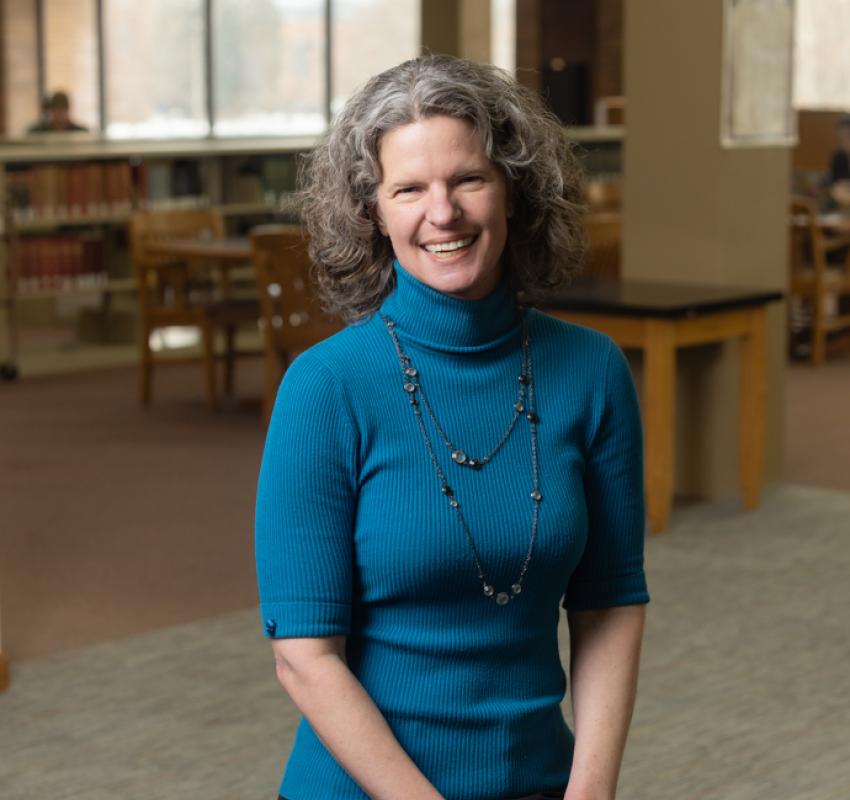
Sarah Ruble is a Professor of Religion and specializes in the history of Christianity in the United States. She is the author of The Gospel of Freedom and Power: Protestant Missionaries in American Culture After World War II (University of North Carolina Press, 2012). She has also published articles on topics such as gender in U.S. religious history, the American missionary movement, and Lutheran contributions to American religion. Dr. Ruble is also a frequent presenter at adult forums and lifelong learning programs. She has developed two YouTube-based curricula for adult forums, one on the history of Christianity and race in the United States and the other on the development of Christian doctrine. Both are available on her website sarahruble.com.
At Gustavus, Dr. Ruble teaches a broad range of courses in the Religion Department. She also currently serves as the Faculty Director of Assessment and as Gustavus’s Accreditation Liaison Officer. In 2025 she was awarded the Faculty Service Award for her contributions to the Gustavus community.
Our People
Scott Bur
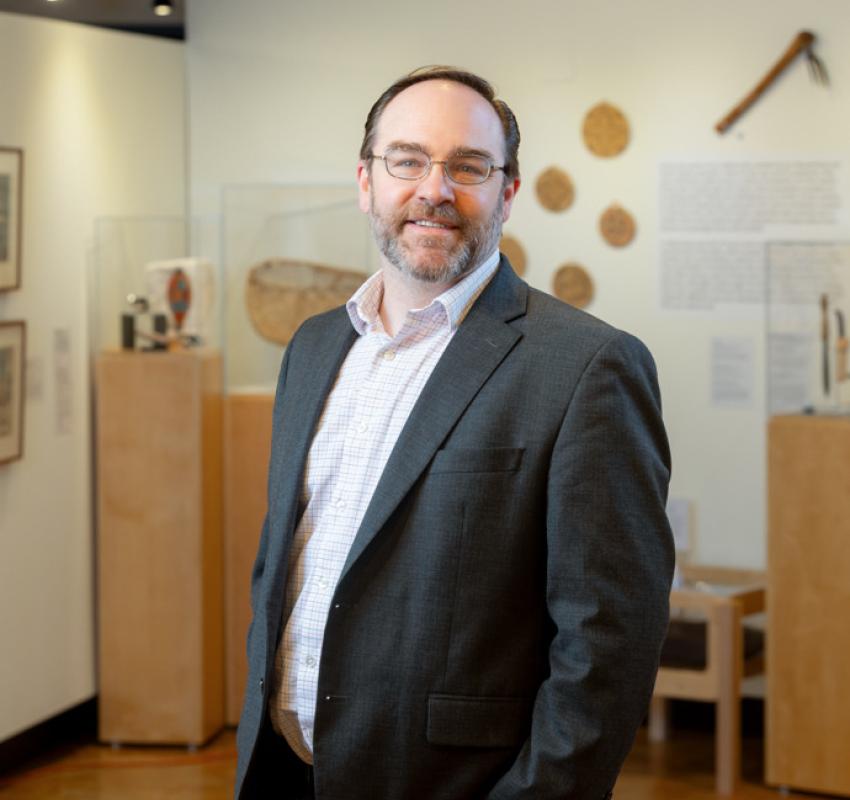
Scott is an organic chemist who is interested in the interface between biology and chemistry. In his research, he has developed new ways of making molecules and applied those methods toward the synthesis of complex natural products. His current research is aimed at understanding how gene expression is regulated at the molecular level.
While he primarily teaches organic chemistry, he has also taught courses on medicinal chemistry, fermentation, and science and religion. His service to the college includes leading the design team of the Nobel Hall expansion/renovation, as well as chairing major faculty committees like the Faculty Senate and Faculty Personnel. He directed the Nobel Conference, and he coordinated a high school outreach program tied to the conference. He helped found the Gustavus Faith Science and Ethics Camp, where he has been the science director.
Outside of Gustavus he enjoys camping, fishing, and hiking. He is also active in community service.
Our People
Sean Easton
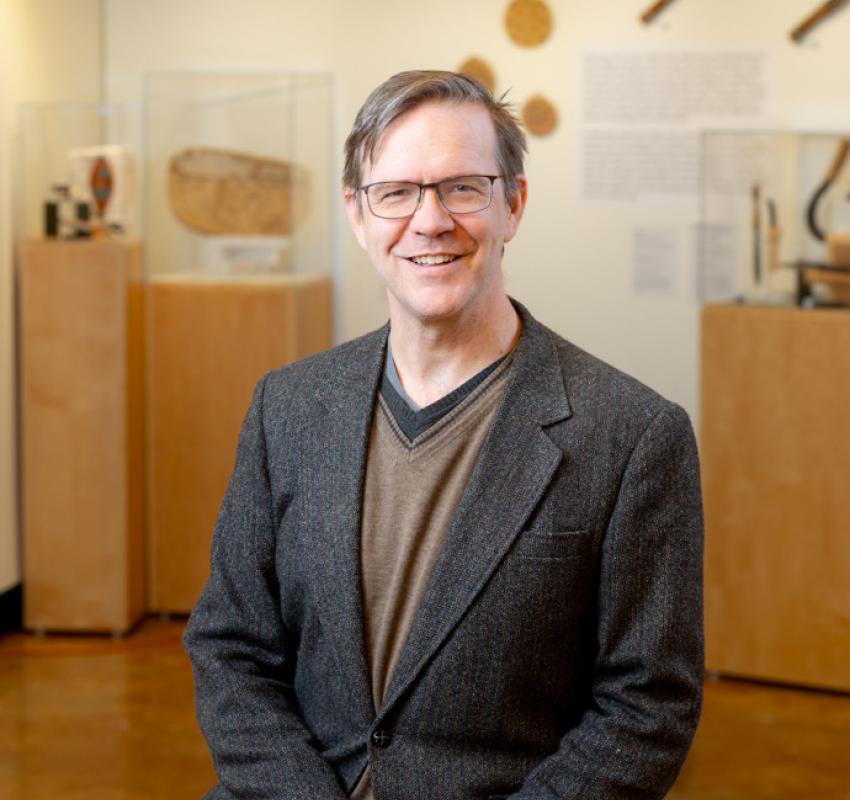
Seán Easton is a professor of Greek, Latin and Classical Studies (GLCS). His research and teaching are focused on three main areas: Representations of Ancient Greece and Rome in visual media, especially movies and television; epic poetry and later writers who adapt it from it (especially Shakespeare); and environmental thought, peacemaking and the conflict emotions in ancient Greece and Rome. He teaches courses in the following interdisciplinary programs: Peace, Justice, and Conflict Studies (PJCS); Comparative Literature; Environmental Studies; Film Studies; and Sports Management. He has published articles and chapters on the Roman epic poet Lucan and the representations of Alexander the Great in Sohrab Modi’s film 'Sikandar' (India, 1941) and Oliver Stone’s 'Alexander' (USA, 2004), the Greco-Persian Wars in the '300' franchise films, Greek and Roman myth in John Frankenheimer’s classic 'Seconds' (1966), Terrence Malick’s epic 'New World' (2005), and George Nolfi’s adventure-romance 'The Adjustment Bureau' (2011).
Our People
Angelique Dwyer
K. Angelique Dwyer is an Associate Professor of Spanish and the Program Director of Latin American, Latinx and Caribbean Studies (LALACS). She specializes in Mexico/U.S. Intercultural Studies and teaches courses on film, border studies, Latina/x/o literature, Spanish language, and Latin American culture. Dwyer is an engaged scholar who created the student organization "Language Buddies" that works in partnership with the St. Peter Public Schools, Free Clinic, and Food Pantry. Her courses co-embed service-learning and community engagement with the goal of broadening student's intercultural skills. She has published in the fields of Chicana/Latina Studies, creative nonfiction, and pedagogy. She is particularly interested in Latin@/Latin American pop culture through the lens of Performance Theory. She has a podcast called “Gringos Mexicanos,” which broadens the dialogue on Mexican American identity that features her short stories written in Spanglish. She has a forthcoming article on the assessment of intercultural skills gained by students via community engagement learning. Dwyer also enjoys dancing, trying new foods, and photography.
Our People
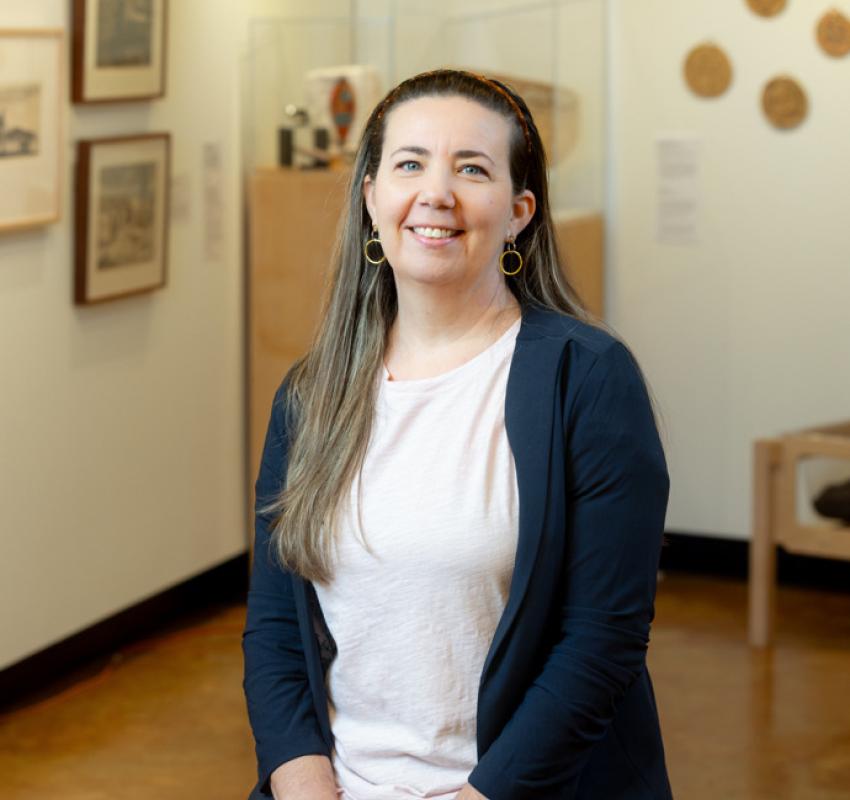
Chris Nolting
Chris Nolting has been a Visiting Assistant Professor of Physics at Gustavus since 2023. In his classes, he focuses on including many worked example problems and opportunities for hands on learning in groups, and as many physics demonstrations as possible. As a computational astrophysicist, he enjoys showcasing examples related to astronomy whenever possible. His research focuses on the study of galaxy cluster environments and powerful jets from active galactic nuclei, supermassive black holes at the centers of galaxies that accrete matter and power some of the brightest objects in the universe. This work is mainly done through numerical simulations on compute clusters and supercomputers using up to tens of thousands of processors simultaneously. Gustavus students working on research with Chris learn coding languages and data visualization techniques, and even 3D print some of the structures they simulate.
Chris is the faculty advisor to the Society of Physics Students and the Gustavus Engineering Club.
Outside of Gustavus, Chris a self-identifying nerd. He is a lover of board games, magic the gathering, Marvel movies, anime, and going on walks with his dog.
Our People
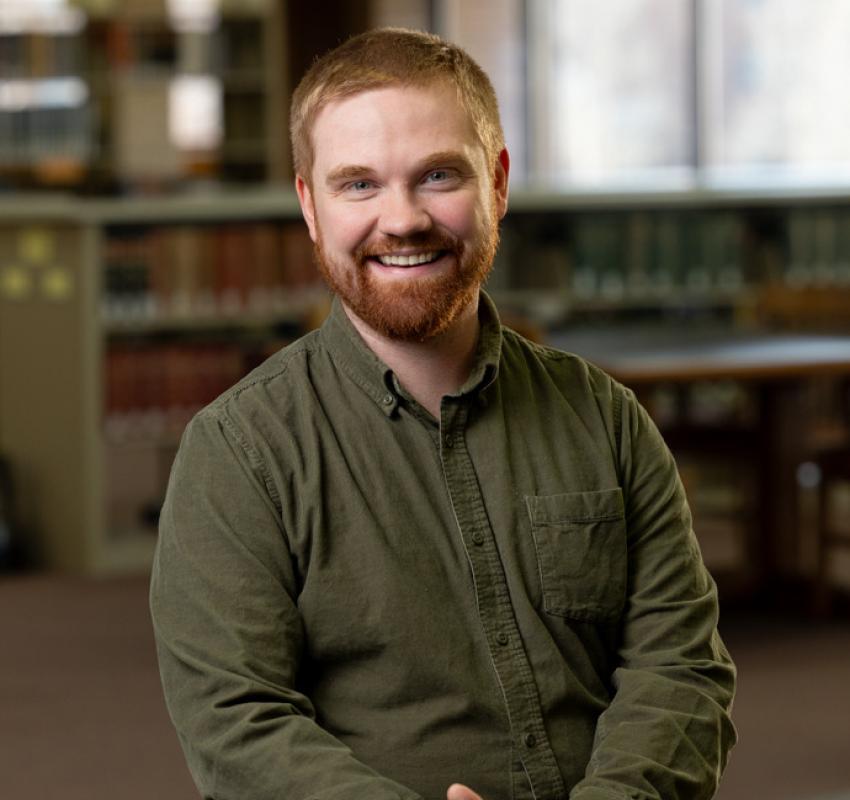
Mark Braun
Prior to joining the Gustavus faculty in 1990, Mark worked in broadcasting. He brings extensive administrative experience spanning more than 15 years, including nine years as Chief Academic Officer—serving as Provost at Gustavus Adolphus College and Senior Vice President for Academic Affairs at Augustana University. He previously held the position of Associate Dean of the College at Gustavus for seven years.
Mark has an extensive record of service to the field of higher education and was recognized nationally by the Council of Independent Colleges with its Chief Academic Officer Award. He served on the executive committee of the board of directors for the American Conference of Academic Deans, on assessment and planning teams for the Association of American Colleges and Universities, and on the board of directors for the Broadcast Education Association in Washington DC. He also chaired the board of directors of The Collaboration for the Advancement of College Teaching and Learning, and was on the executive committee of the board for the Communication and Theater Association of Minnesota. He was awarded the Outstanding Citizen Award from the City of Mankato for his work with the Department of Public Safety.
Our People
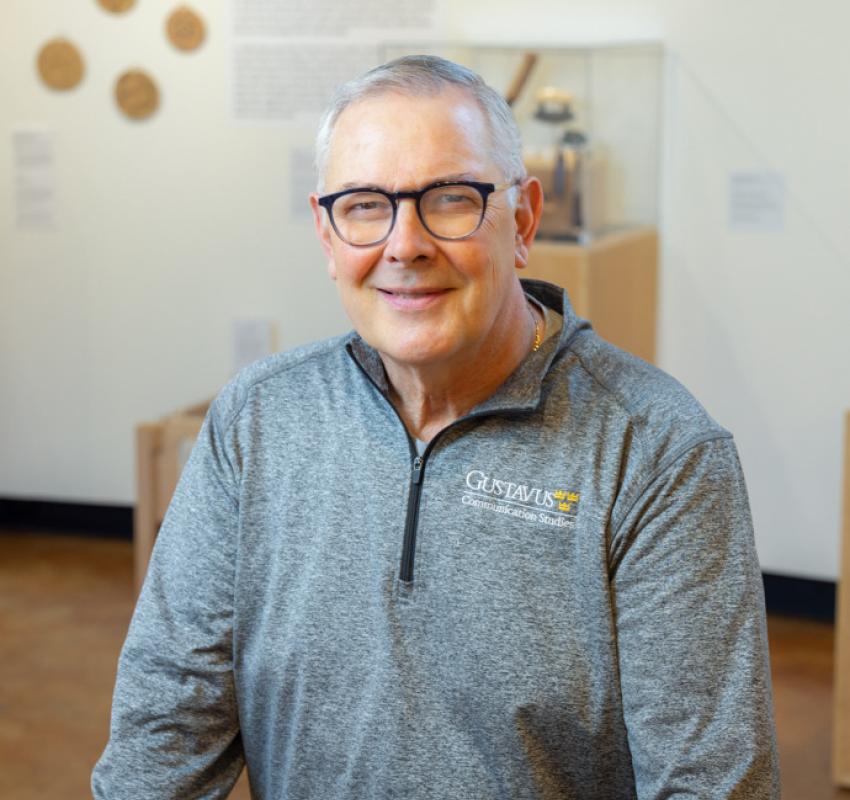
Richard Leitch
Dr. Richard Leitch earned his BA in East Asian Studies from Colby College in 1985, and went on to earn an MA in Asian Studies from the University of Illinois, Urbana-Champaign after a two-year career on Wall Street. He earned his Ph.D. in Political Science from Illinois in 1995, where he was the recipient of the Harriet and Charles Luckman Award for Distinguished Undergraduate Teaching, and the College of Liberal Arts Award for Distinguished Teaching by a Graduate Assistant. He has been a member of the Political Science Department since 1996, where he teaches courses in International Relations, Comparative Politics, Asian Politics, Environmental Politics, and the Politics of Poverty. In 2000 he received the Swenson-Bunn Award for Teaching Excellence at Gustavus, and in 2008 the Edgar M. Carlson Award for Distinguished Teaching. In 2012 he was included in The Princeton Review's The Best 300 Professors. He was recognized as an Honorary Gustie by the Gustavus Alumni Association in 2024. His research interests include Japanese domestic politics and foreign policy, and he is the co-author of Japan's Role in the Post-Cold War World. A frequent speaker to off-campus groups, Leitch has given numerous presentations focused on US foreign policy, US-China relations, and geopolitical issues.
Our People
Toshiyuki Sakuragi
Toshiyuki Sakuragi is a professor of Japanese language and culture whose expertise draws from intercultural communication and cognitive linguistics. His research examines cultural influences on communication and language learning, addressing topics such as the relationship between attitudes toward language study and cross-cultural attitudes, the cognitive processes underlying classifier choice, and cultural influences on shyness. His research articles have appeared in journals such as the Journal of Psycholinguistic Research and the International Journal of Intercultural Relations.
Among his Japanese-language publications are two books. His single-authored book, 映画で異文化体験 (Experiencing Cultures Through Film), explores the use of film to promote intercultural learning. His co-authored college textbook, はじめて学ぶ異文化コミュニケーション (Introduction to Intercultural Communication), has been widely adopted in Japan and has gone through multiple printings.
Professor Sakuragi teaches Japanese language as well as courses on Japanese cinema and intercultural film. He has also led numerous travel courses to Japan and has taught in the Summer and Winter Japanese Language and Culture Program at Hosei University in Tokyo.