

Our People
Pamela Conners
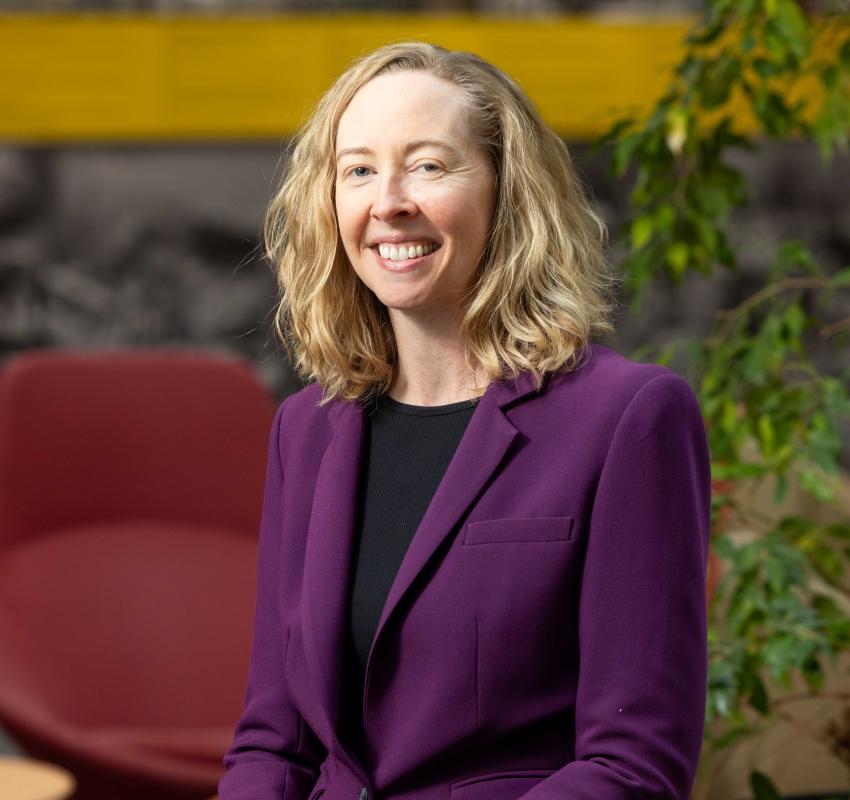
Pamela K. Conners, PhD serves as interim Provost and Dean of the College. In this role, she collaborates with faculty and staff to ensure a transformative student experience defined by academic excellence and a vibrant campus life.
A member of the Gustavus community since 2011, Dr. Conners is Professor of Communication Studies, with a scholarly focus on rhetoric and public policy. She has taught courses such as Public Discourse, Community Advocacy, and Rhetorical Criticism. Her research examining how public discourse and deliberation function in a democracy has been published in Rhetoric & Public Affairs and Western Journal of Communication.
Dr. Conners has been recognized for her interdisciplinary work, such as integrating deliberative pedagogy into science courses, a project featured in the Journal of Chemical Education. Connecting theory to practice for students, she helped launch the Gustavus Public Deliberation & Dialogue program in 2018, through which students across campus engage in thoughtful discussion about critical issues of common concern.
Dr. Conners has held numerous leadership roles at Gustavus, including Vice Provost for Academic Affairs, Dean of Faculty Development, Director of the John S. Kendall Center for Engaged Learning, and Director of Undergraduate Research, Scholarship, Creativity, and Dialogue.
Our People
Melanie VanRoekel
Melanie VanRoekel serves as adjunct faculty in the Business and Economics Department. She brings extensive experience as an executive and accounting professional to her teaching, helping students connect technical accounting concepts to real-world decision making.
With a background in financial leadership, VanRoekel is passionate about preparing students for careers in accounting and finance. Her professional experience informs her approach in the classroom, where she emphasizes not only how accounting standards are applied, but why they matter in practice. She believes students learn best when they understand the underlying concepts and develop the ability to think critically about financial information.
Melanie's teaching philosophy centers on clarity, structure, and professional readiness. She challenges students to move beyond memorization and instead build the analytical skills and judgment necessary for success in public accounting, corporate finance, and other business roles. She is especially committed to helping students gain confidence with complex topics and preparing them for the rigor of the CPA exam and professional practice.
VanRoekel values an engaged and supportive classroom environment. She incorporates factual scenarios to mirror the types of issues graduates will encounter in their careers. Outside the classroom, she remains active in business leadership and professional development. She considers it a privilege to teach at Gustavus and is dedicated to helping students leave the program well prepared for their next steps.
Our People
Julie Gilbert
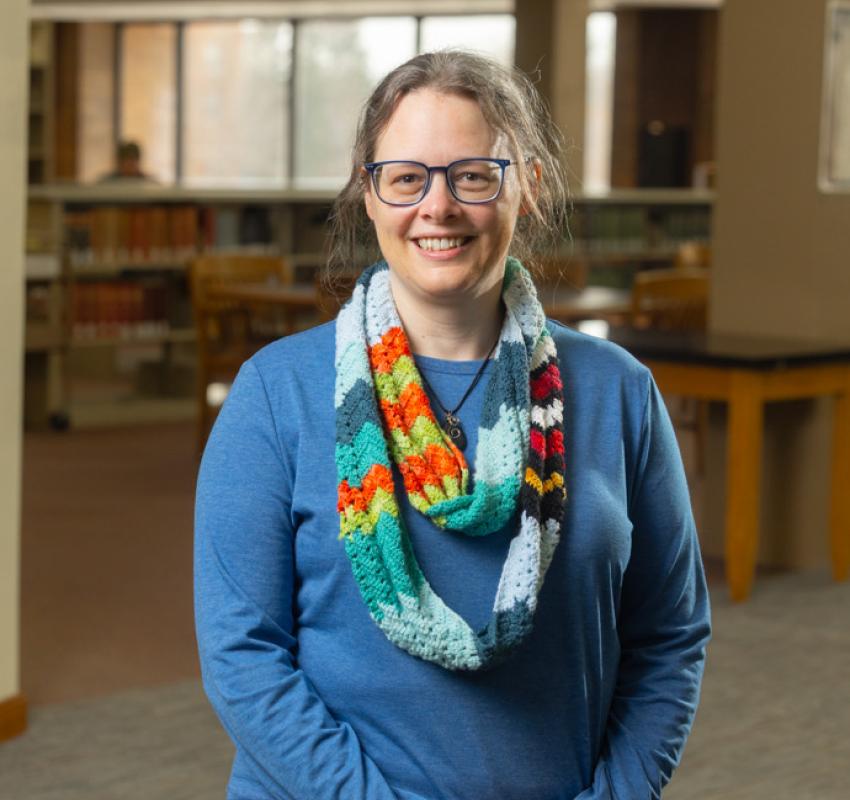
Professor Julie Gilbert teaches information literacy to students across the curriculum. Her work is grounded in a deep belief that libraries play a vital role in student learning, wellbeing, and belonging, and that equitable access to information is fundamental to academic success and civic engagement. Through her teaching, research, and service, she is committed to making libraries and information accessible to all members of the campus community.
As an educator, Julie collaborates with faculty across disciplines to design instruction that supports students at every stage of their academic journey. Her teaching focuses on critical thinking, research strategies, source evaluation, and the ethical use of information in an increasingly complex landscape. She is especially passionate about demystifying research for students who may feel uncertain or overwhelmed by academic inquiry, and she strives to create learning environments that are inclusive, welcoming, and student-centered. By meeting students where they are, she helps them build confidence as researchers and lifelong learners.
In addition to her academic work, Julie is an award-winning author of books for young readers. Her writing reflects a lifelong engagement with libraries, storytelling, and literacy, and she brings this creative perspective into her teaching and librarianship. She believes strongly in the value of reading for pleasure and its role in intellectual growth, empathy, and wellness. In her role at the library, she takes particular pride in developing and curating collections, with a special emphasis on building vibrant, relevant current fiction holdings that invite students into the library as a place of discovery, connection, and enjoyment.
Julie’s research interests are interdisciplinary and evolving, reflecting the broad and changing role of libraries in higher education. She is especially interested in libraries as wellness spaces and in the ways library environments, services, and collections support not only academic achievement but also mental health, reflection, and community connection. Her work explores how libraries contribute to a holistic student experience and reinforce their importance as both intellectual and restorative centers of campus life.
A certified meditation teacher, Julie also coordinates the Gustavus Meditation Program. Through this work, she integrates contemplative practices into the academic environment and supports students, faculty, and staff in cultivating mindfulness, resilience, and balance. Whether teaching in the classroom, developing collections, supporting research, or leading meditation sessions, Julie’s work is guided by a belief in the transformative power of libraries and learning, and their central role in shaping a meaningful and supportive student experience.
Our People
Christine Nessler
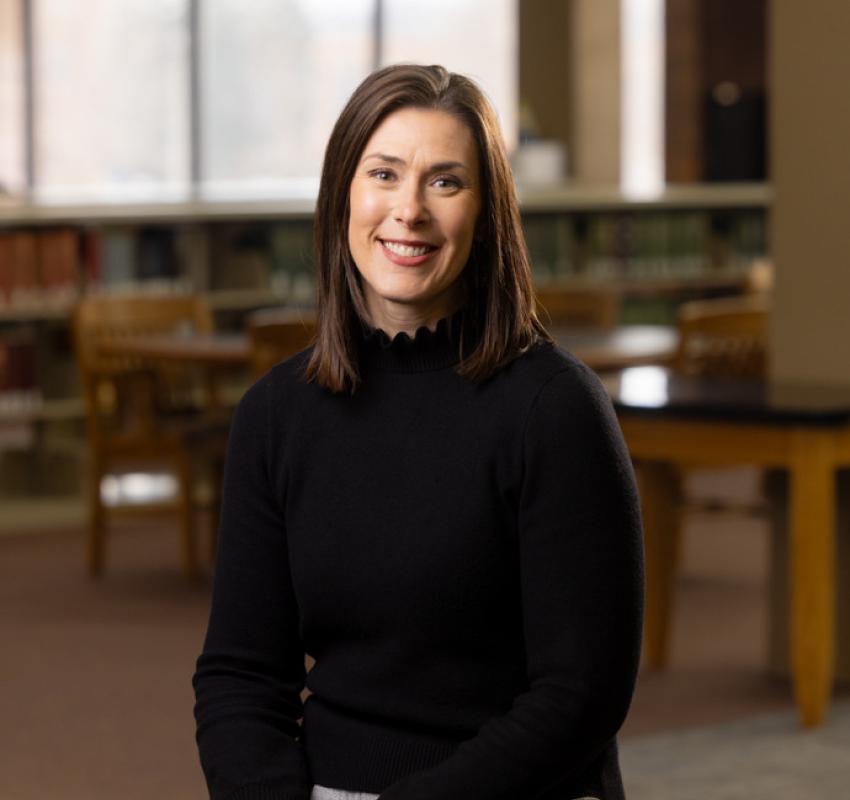
For more than twenty years, Christine Nessler worked as a marketing and public relations professional across government, nonprofit, and for-profit sectors. As a former entrepreneur and franchise owner, she has experience building brands from the ground up and maintaining a strong community presence. Beyond the business world, creative writing is her primary passion. As a freelance writer, she contributed articles to various regional publications. Her short stories and essays are featured in Half and One online literary journal and The Motherly Collective.
In 2024, Nessler joined the faculty at Gustavus. Students in her courses gain hands-on experience and the practical skills necessary to thrive in the workplace by applying classroom concepts to real-world community and business projects. In Nessler’s marketing courses, her favorite part of the semester is watching the students gain confidence as they serve as consultants for local business clients. As they develop strategic marketing plans, students also develop communication, project management, and leadership skills. Similarly, in Introduction to Management, her students build their own business from the ground up. According to Nessler, watching their final business plan presentations makes her optimistic about their futures as business and community leaders.
Outside of the classroom, Nessler serves on the Board of Directors for the Harry Meyering Center, volunteers as a reader of creative nonfiction for The Good Life Review, and cheers on her three kids at their various activities.
Our People
Laura Hildreth
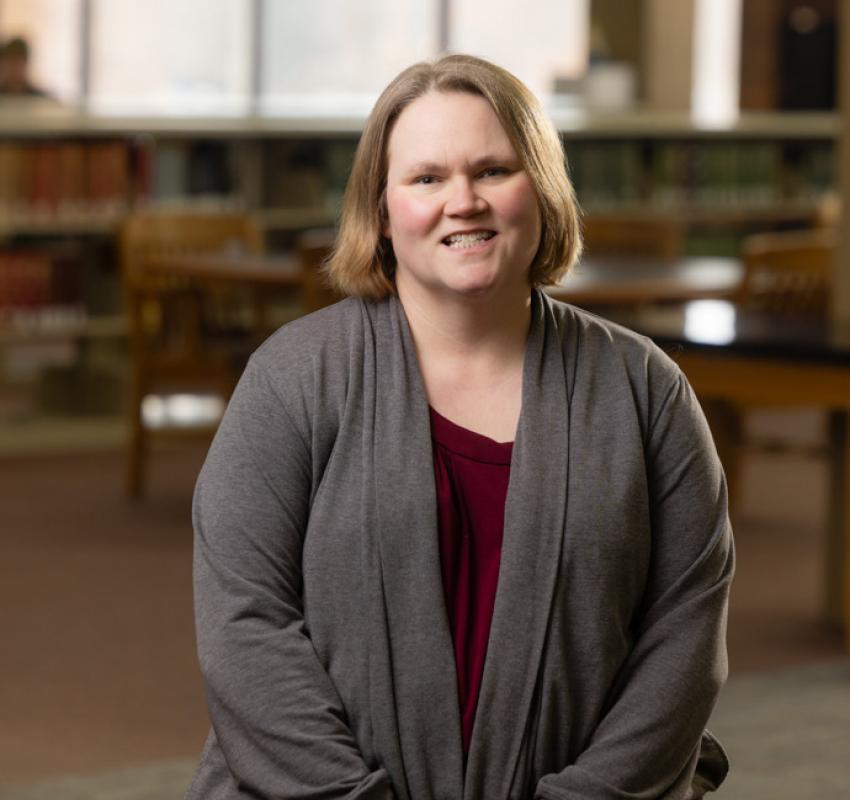
Dr. Laura Hildreth is an associate professor of statistics in the Department of Mathematics, Computer Science, and Statistics. Her teaching at Gustavus spans the entire statistics curriculum from introductory statistics to advanced statistical modeling. Along with her statistics colleagues, Dr. Hildreth has redesigned and modernized the statistics major and minor by incorporating recommendations from the American Statistical Association. This has included developing and teaching several new courses including MCS-243: Design and Analysis of Experiments, MCS-348: Advanced Statistical Modeling, and MCS-349: Statistical Consulting.
Dr. Hildreth's scholarship encompasses various areas. Her research interests include statistics education with a focus on writing in the statistics curriculum, multivariate statistics, and statistical consulting. This work has led to multiple interdisciplinary collaborations and resulted in publications in journals such as the Journal of Statistics and Data Science Education, Structural Equation Modeling: A Multidisciplinary Journal, and Statistics and Public Policy.
Outside of the classroom, Dr. Hildreth has held several service roles. This has included serving as the actuarial science adviser at Gustavus, being an AP Statistics reader since 2021, serving as the Program Chair for the Section on Statistics and Data Science Education at the 2024 Joint Statistical Meetings, and serving as the 2014-2015 President of the Montana Chapter of the American Statistical Association.
Our People
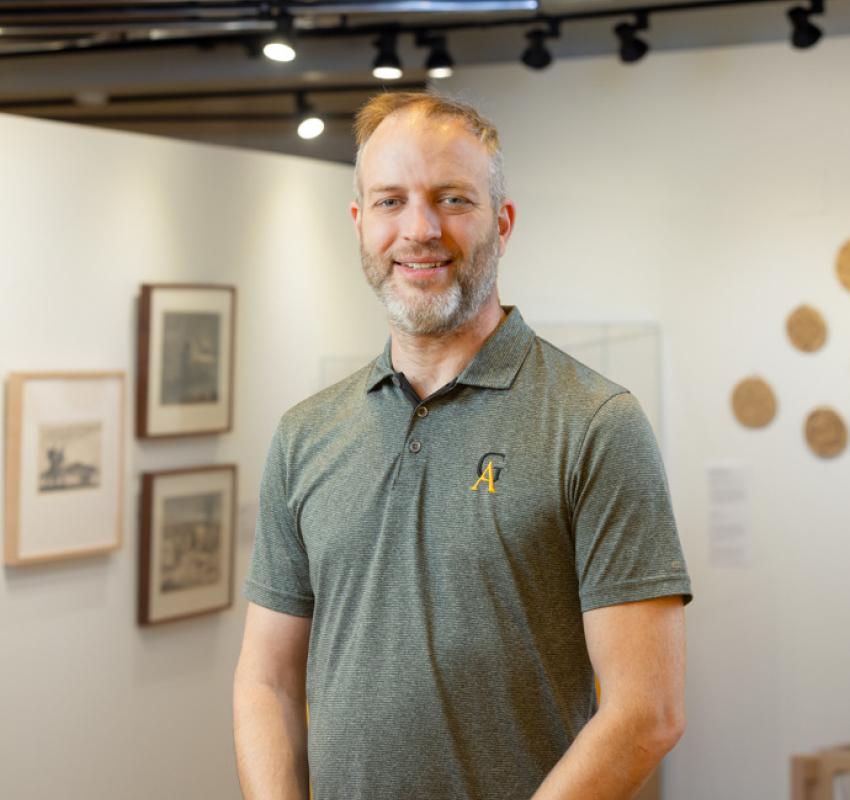
Matthew Rightmire
Born and raised in Wisconsin, Matthew attended the University of Wisconsin-Eau Claire as a Blugold Fellow where he earned a comprehensive bachelor’s degree in Theatre Arts. His work includes both production and front-of-house operations at the Eau Claire Regional Arts Center, the Heyde Center for the Arts in Chippewa Falls, and the Chippewa Valley Theatre Guild in Eau Claire.
In 2009, he began working as the Scenic Studio Supervisor for the Department of Music & Theatre Arts at the University of Wisconsin-Eau Claire.
In 2011, Matthew left Wisconsin to pursue a Master of Fine Arts degree from the University of Nebraska-Lincoln. His time as a graduate student was distinguished as a Hixson-Lied Fellow in the Johnny Carson School of Theatre & Film. His contributions to the theatre program were honored by receiving the Porter Award for Creativity in Theatre and being selected to join the school’s Order of the Purple Mask.
Since receiving his MFA in Design & Technical Production, Matthew has been the Technical Director for the Alpine Theatre Project’s 2014 season in Whitefish, Montana, the Technical Director and Scenic/Lighting/Sound Designer for the Eau Claire Children’s Theatre, and a lecturer at the University of Wisconsin-La Crosse.
His role as professor at Gustavus, where he teaches stagecraft, computer-aided drafting, and stage management courses, is also filled with days overseeing the construction of the scenic elements for all of the department's productions in theatre and dance.
Our People
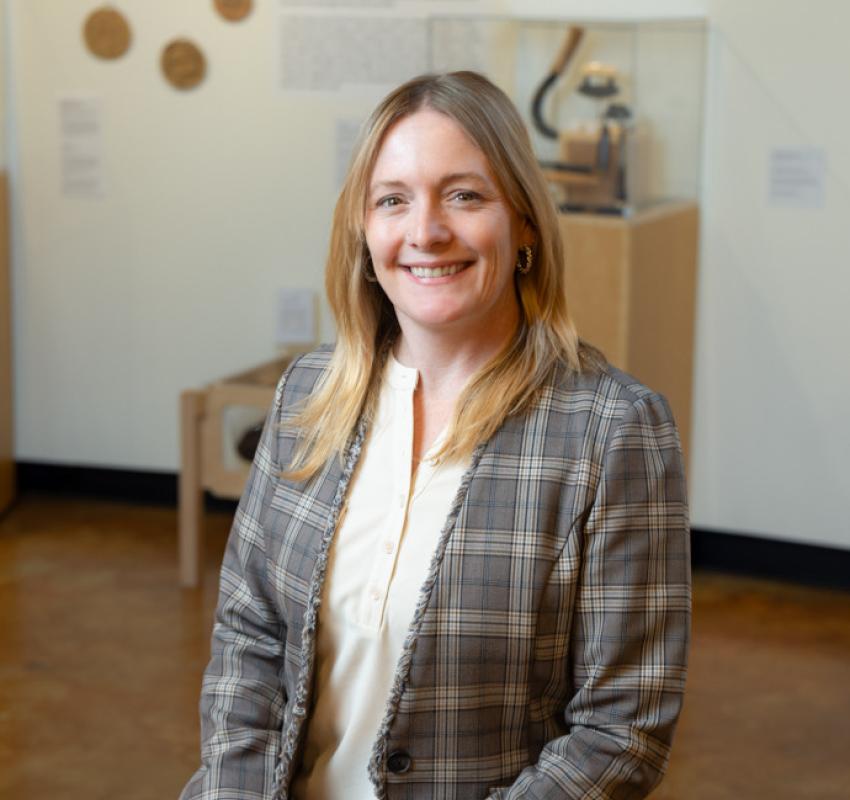
Lisa Ortmann
Lisa Ortmann, PhD is the Grace and Bertil Pehrson Endowed Professor and Associate Professor of Education at Gustavus. Dr. Ortmann’s education courses prepare future teachers across the grade levels and content areas to build a deep understanding of how children and adolescents learn to read and write, and the research-based methods of teaching literacy for all students. She was awarded the Innovation in Teaching Award from the Kendall Center for Engaged Learning for her “Literacy Histories” project, where education majors critically examine their own experiences of learning to read, write, and use language, identifying the ways their history shapes their teaching. She teaches a First Term Seminar course called “For the Love of Books!” where first-year students follow their curiosity as readers, reflecting on the value of literacy in their lives as citizens of a free and democratic society. Together, students build a reading community that sustains their values, shapes their identities, and expands their worldviews.
Dr. Ortmann’s scholarly work informs, and is informed by, her teaching and professional activities at the College and in the state. Her research areas include teachers’ uses of culturally responsive teaching practices and diverse literature, the instructional methods that support literacies of multilingual adolescent learners, and the impact of instructional coaching models to enhance teaching. Recent peer-reviewed publications include a co-authored study with a former Gustie student, “Developing Responsive Disciplinary Literacies for Student Teaching in Social Studies” in The Journal of Adolescent and Adult Literacy, and a state-wide study, "Surveying the Landscape: Minnesota's English Language Arts Teachers' Perspectives on Intellectual Freedom" in The Minnesota English Journal.
Dr. Ortmann’s professional service is in partnership with teachers and schools both locally and nationally. She is an engaged collaborator with Saint Peter and Mankato educators to design and facilitate real-world teaching opportunities for Gustie education majors at all stages of the four-year program. She serves the state of Minnesota as the Intellectual Freedom Chair for the board of the Minnesota Council of Teachers of English where she provides professional development to English Language Arts teachers across the state. She was selected to serve as a This Story Matters Teacher Corp Member on the National Council of Teachers of English to develop book rationales for teaching diverse literature. She consults and provides guidance on statewide reading initiatives for the Minnesota Association of Colleges of Teacher Education, and for the English Language Arts 2020 Standards development project with the Minnesota Department of Education.
In her moments of free time, you can find Dr. Ortmann outdoors at the lake or in her garden, reading a novel, running with her yellow lab Harley, or cheering loudly at her daughter’s performances and games. She is a passionate educator, who has found a home at Gustavus due to the life-long relationships that are built on campus. Mentoring new teachers into the profession is one of the greatest gifts of her career, especially when they return to campus with their own students.
Our People
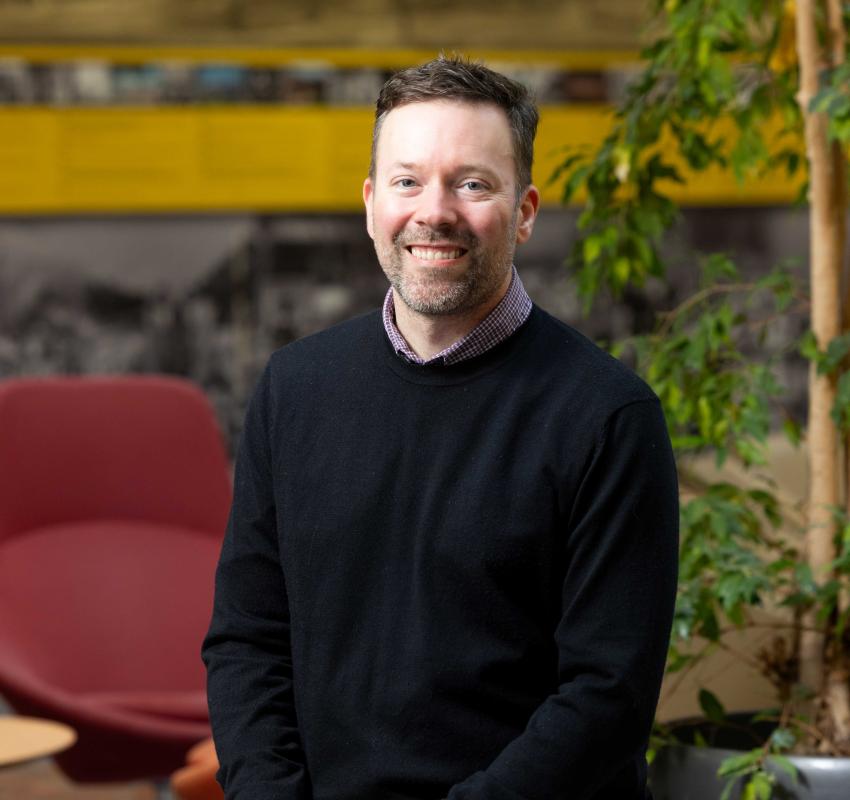
Justin Knoepfel
Dr. Justin Knoepfel, recipient of the Dr. Carlo A. Sperati Award, joined the Gustavus faculty in 2009. He currently serves as the Chair of the Department of Music, conductor of the Gustavus Symphony Orchestra (GSO), and instructor of viola. Transitioning from a career as a professional string player to the podium, Dr. Knoepfel brings a deep understanding of technical complexity and expressive nuance to his conducting, providing a rigorous yet engaging experience for his ensembles.
Beyond campus, Dr. Knoepfel is a highly sought-after clinician, guest conductor, and adjudicator. He recently served as the guest festival conductor for the Dorian Orchestra Festival. Under his leadership, the Gustavus Symphony Orchestra maintains a robust performance schedule—including high-profile events like Christmas in Christ Chapel and the Nobel Conference—and tours annually. The GSO embarks on international tours every four years, with the most recent journey to Ireland and Scotland.
As an accomplished violist, Dr. Knoepfel’s performance credits include the Minnesota Orchestra, Minnesota Opera, and the South Dakota, Mankato, and La Crosse Symphony Orchestras. His artistry has taken him across the United States and Europe, performing at prestigious venues. He frequently collaborates with members of the Minnesota Orchestra and the Saint Paul Chamber Orchestra. A dedicated educator, he has served on the faculty for programs such as the Lutheran Summer Music Academy, MNSOTA Summer String Camp, and the International Viola Congress. His freelance career is equally diverse, ranging from sharing the stage with legends like The Eagles and Idina Menzel to performing privately for King Carl XVI Gustaf and Queen Silvia of Sweden.
Dr. Knoepfel resides with his wife, Elisa, and their five children. The household is completed by Regan, a Bernedoodle, and Avery, a Ragdoll cat. Above all his professional achievements, family remains the center of his life.
Our People
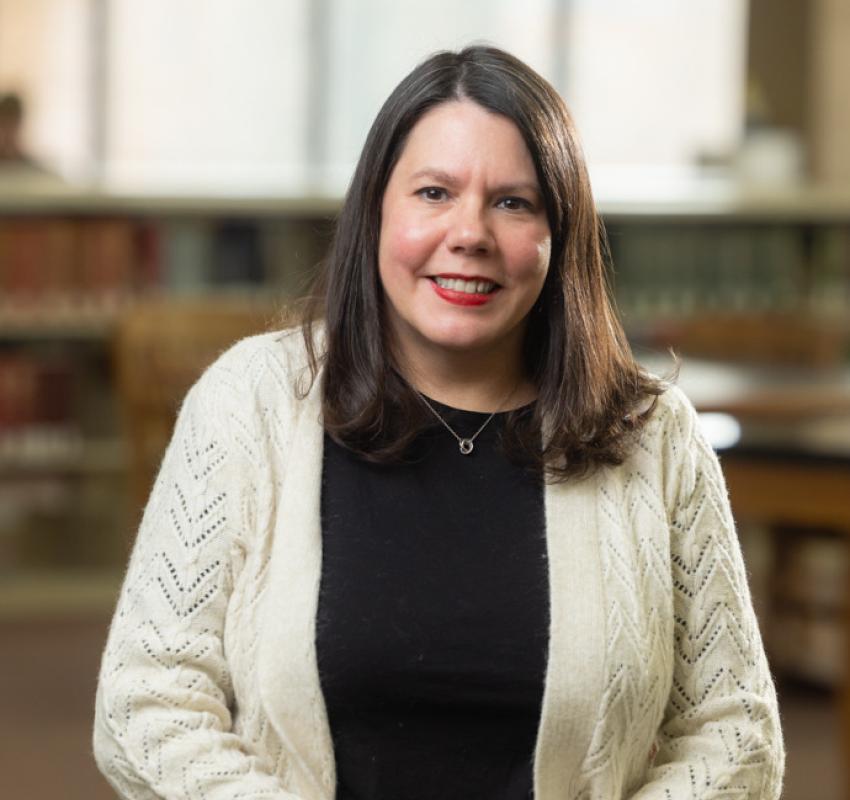
Kathleen Keller
Kathleen Keller is a professor of History. Keller’s research specialization is in the history of France and West Africa in the twentieth century. Keller did research in archives in Paris, Aix-en-Provence, France and Dakar, Senegal to write her first book, “Colonial Suspects: Suspicion, Imperial Rule, and Colonial Society in Interwar French West Africa.” This book, published by University of Nebraska Press uses police sources to understand police surveillance, anti-colonial activity, and the cosmopolitan society that emerged in the cities of French West Africa in the 1920s and 1930s.
Keller’s latest book project, “A Magnificent Fraud: An African Life in Twentieth Century France,” under contract with Louisiana State University Press, considers the life of Alioune Kane, an African migrant to France who reinvented himself many times over decades, especially during the German occupation during World War II. The book manuscript provides new insight into what it meant to be a Black Frenchmen and traces the story through the Second World War when Kane faced dangerous choices.
Keller has published academic articles in the journals French Historical Studies, French Colonial History, and the Oxford Research Encyclopedia of African History. She has also published public history essays in the Washington Post.
Keller’s teaching at Gustavus covers a wide range of topics in world, imperial, European, African, and women’s history. Her favorite courses to teach delve into complex and morally fraught moments of twentieth century history—France under Nazi Occupation and South Africa and Apartheid. She most enjoys working with students to improve their writing and to find research topics that match their personal interests.
At Gustavus since 2011, Keller also serves as the director of the African/African Diaspora Studies program and director of Writing across the Curriculum.
Our People
Daniel Moos
Daniel C. Moos (PhD) is a professor of Education where he teaches courses in developmental and educational psychology, educational technology, and the supervision of student teachers. His work centers on understanding how students learn, particularly through the lenses of motivation, metacognition, and self-regulated learning, and how these processes can be intentionally supported through instruction and assessment.
Dr. Moos’s scholarship focuses on self-regulated learning in classroom and technology-rich environments. His research examines how learners plan, monitor, and evaluate their thinking, and how instructional design, feedback, and classroom technology can foster deeper learning. He has published extensively in leading journals and edited volumes in educational psychology, learning sciences, and educational technology, and he has collaborated frequently with undergraduate students as research co-authors. His work is nationally and internationally recognized, including invited keynote and symposium presentations and service in leadership roles within professional organizations focused on self-regulated learning.
At Gustavus, he is deeply committed to teacher preparation and evidence-based teaching. He works closely with pre-service teachers as they learn to design instruction, integrate technology meaningfully, and use assessment to support student learning. His teaching philosophy emphasizes helping future educators become reflective practitioners who understand how students learn and who can adapt instruction to meet diverse learner needs. He is particularly interested in bridging theory and practice, ensuring that research on learning, motivation, and assessment is accessible and useful for teachers in real classrooms.
In addition to his teaching and research, Dr. Moos has held several institution-wide leadership and service roles at Gustavus. These include serving as department chair, college assessment director, faculty associate for teaching excellence, and assessment coordinator for the Education Department. Through this work, he has supported faculty development, program assessment, accreditation efforts, and conversations about effective teaching and learning across the college.
Dr. Moos also contributes extensively to the broader field of education through editorial board service, grant advisory work, external reviews, and mentoring early-career scholars. He is regularly involved in reviewing research for major journals and supporting national initiatives related to self-regulated learning and teacher education. Before entering higher education, Dr. Moos was an elementary and middle school teacher, an experience that continues to shape his teaching, research, and commitment to teacher education. Outside of Gustavus, he enjoys staying active, following youth and collegiate athletics, and spending time with his family. He values the close-knit academic community at Gustavus and especially enjoys working with students as they develop into thoughtful educators and lifelong learners.
Our People
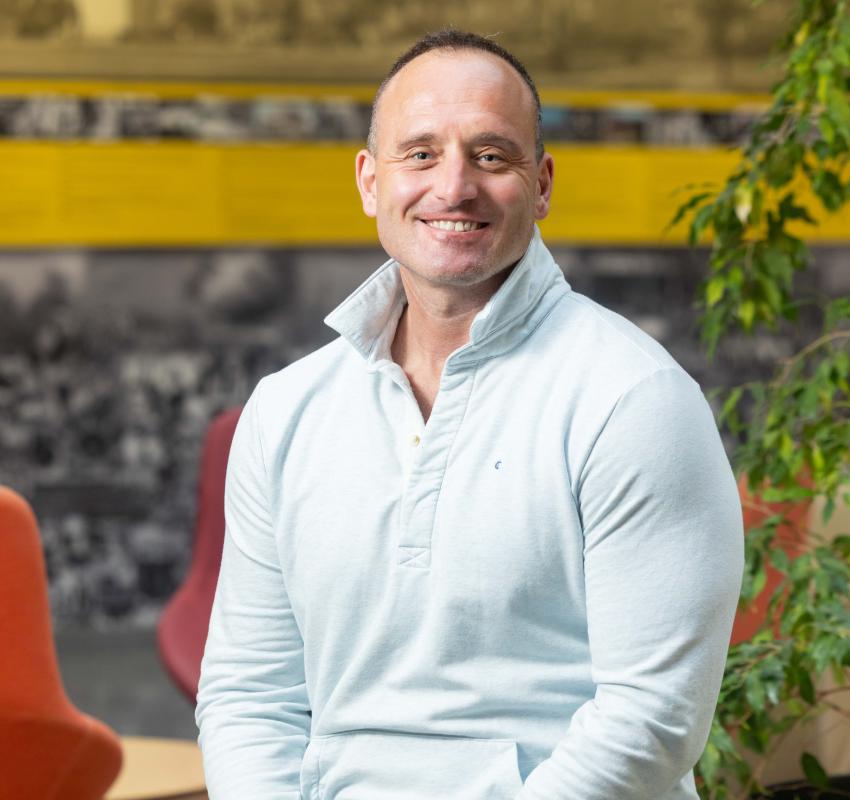
Marcia Bunge
Marcia J. Bunge, PhD, is Professor of Religion and holds the Drell and Adeline Bernhardson Distinguished Endowed Chair of Lutheran Studies. Bunge earned her BA in Music and English from St. Olaf College (Phi Beta Kappa) and her MA and PhD.in Theology from the University of Chicago. She also studied at the University of Tübingen and conducted research in Germany as a Charlotte W. Newcombe Doctoral Dissertation Fellow. Before coming to Gustavus in 2013, she was Professor of Humanities and Theology at the Honors College of Valparaiso University. Since 2014, she has served as an Extraordinary Research Professor at North-West University in South Africa.
Bunge’s teaching and scholarship have addressed issues in theology, social and environmental ethics, women’s studies, childhood studies, and inter-religious studies. A central focus of her scholarship is conceptions of and commitments to children in diverse religious traditions. She has published numerous articles and six books on the subject, including The Child in Christian Thought (Eerdmans, 2001) and Children, Adults, and Shared Responsibilities: Jewish, Christian, and Muslim Perspectives (Cambridge University Press, 2012). From 2013–2017, she served as a core collaborator in the interdisciplinary “European Childhoods” project at the University of Oslo and co-edited one of its volumes, Nordic Childhoods 1750–1960: From Folk Beliefs to Pippi Longstocking (Routledge, 2018).
Related to her scholarship on children, Bunge has also written extensively on moral and spiritual formation and Lutheran perspectives on education and vocation. She is co-editor of So that All May Flourish: The Aims of Lutheran Higher Education (Fortress, 2023), translator of selected writings by the German theologian and educator Johann Gottfried Herder, and co-founder of the Gustavus Academy for Faith, Science, and Ethics. From 2023–2025, she contributed to the “Character Development, Ethical Education, and Value Transmission” project co-hosted by Emory University and Heidelberg University.
Drawing on her areas of expertise, Bunge has contributed to academic and advocacy initiatives around the world and secured more than $4.5 million in research, institutional, and civic engagement grants. She lectures widely, has served on international editorial boards and academic committees, and co-founded the Childhood Studies and Religion Program Unit of the American Academy of Religion. Her advocacy work includes child-focused projects, such as Georgetown University’s “Collaborative on Global Children's Issues,” and justice-related initiatives of the Evangelical Lutheran Church in America (ELCA), the World Council of Churches, and faith-based organizations. As a Lutheran theologian and holder of the Bernhardson Chair, she also cultivates relationships between Gustavus and other ELCA-affiliated institutions in the United States and abroad.
Bunge’s collaborations have connected her with colleagues and initiatives across six continents and reflect her enduring commitments to interdisciplinary inquiry, inter-religious engagement, and the flourishing of people and the planet.
Our People
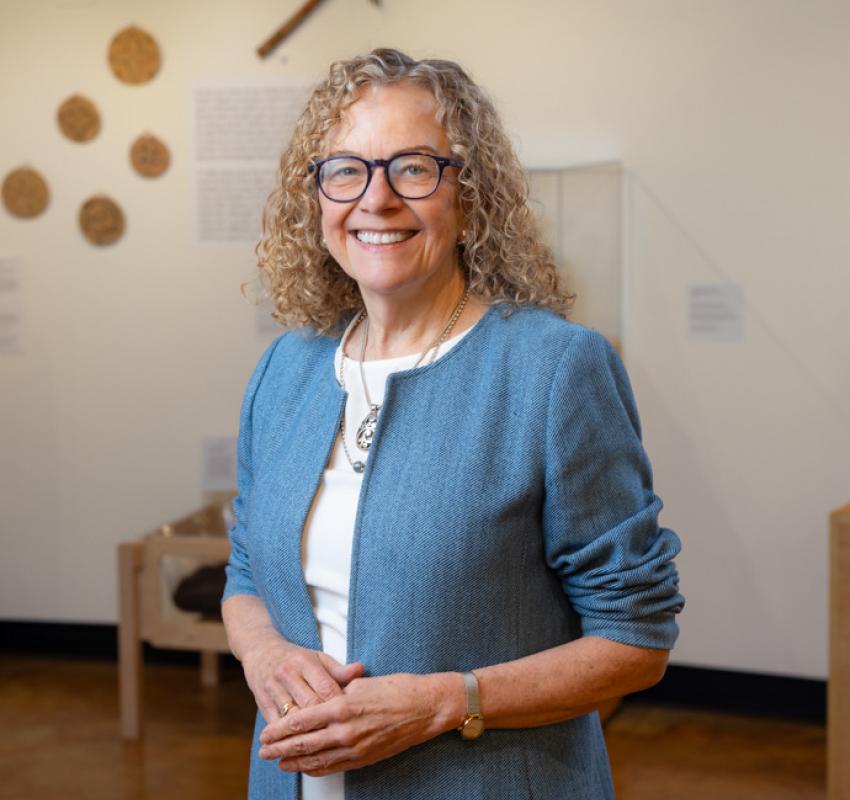
Maria Isabel Kalbermatten
Maria Kalbermatten is a scholar and educator in Hispanic Studies. She teaches courses in Spanish language, culture, and linguistics. Her work centers on the study of humor in discourse, with a particular focus on verbal irony, political humor, and the ways humor operates in contexts of power, ideology, and social interaction. Drawing on approaches from pragmatics, discourse analysis, and critical literacy, her research examines how humor functions not only as entertainment but also as a tool for critique, affiliation, and meaning-making in everyday communication.
Her scholarship includes analyses of spontaneous conversations and media texts, exploring how speakers use irony and humor to negotiate relationships, express stance, and challenge dominant narratives. She has a particular interest in humor in Spanish-speaking contexts, including Latin America, and her recent work engages with questions of political discourse, manipulation, and the role of humor in shaping public opinion. Her research has been presented at national and international conferences and contributes to ongoing interdisciplinary conversations about language, culture, and society.
Kalbermatten is deeply committed to student-centered teaching and to creating an engaging, inclusive classroom environment. Her teaching philosophy emphasizes active learning, critical thinking, and the development of interpretive skills that allow students to analyze language and culture in meaningful ways. She frequently integrates her research into her courses, designing classes that invite students to explore authentic materials such as political cartoons, media discourse, and everyday interactions. In courses like Political Humor and Manipulation, she applies a critical literacy framework to help students examine how humor can both reinforce and challenge systems of power.
Kalbermatten teaches across the Spanish curriculum, from introductory language courses to advanced content courses, and contributes to interdisciplinary programs that engage with global perspectives, media, and cultural studies. She values mentoring students at all levels and enjoys supporting them in developing linguistic proficiency alongside cultural awareness and analytical skills.
In addition to her teaching and research, Kalbermatten is actively involved in service at the College and within the broader academic community. She contributes to curriculum development, participates in collaborative initiatives, and engages in professional activities that connect her work to wider scholarly and educational networks.
One of her favorite aspects of teaching at Gustavus is the opportunity to work closely with students in a liberal arts setting, where discussion, curiosity, and intellectual exploration are central. She values the strong sense of community on campus and the ways in which students bring diverse perspectives into the classroom.
Outside of her academic work, Kalbermatten enjoys creative and cultural activities that complement her scholarly interests, including drawing, exploring global cuisines, and engaging with music and the arts. These interests often inform her teaching and contribute to the dynamic, culturally rich learning experiences she fosters in her courses.