Our People
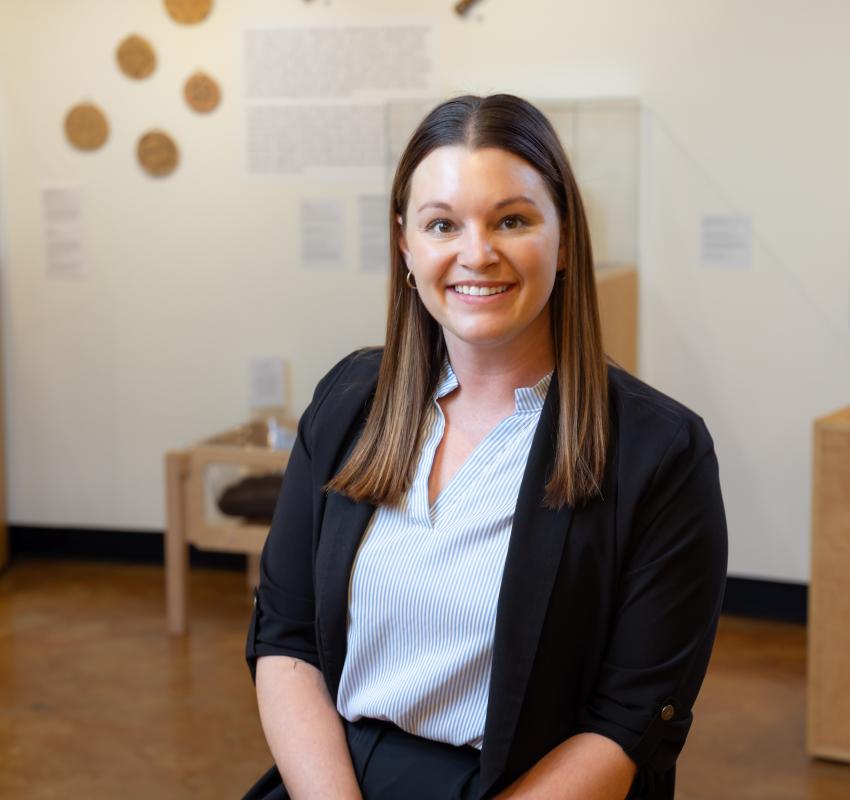
Mary Westby
Mary Westby is the Program Director for the Master of Athletic Training (MAT) program. She is responsible for the oversight of MAT, including working with the Clinical Education Coordinator and Research Coordinator to ensure curricular and clinical development, and implementation of the Commission on Accreditation of Athletic Training Education (CAATE) standards and ensuring the preparedness of students to practice independently upon graduation. She serves as one of the primary advisors for MAT current students and prospective students interested in athletic training. She teaches Foundations in Athletic Training (ATP 500), Clinical Pharmacology (NUR 337 and ATP 537 – a joint course between MAT and Nursing students), and Therapeutic Interventions in Athletic Training I and II (ATP 511 and 512). Her favorite topic to teach is therapeutic modalities – the application of physical agents and manual therapy to treat musculoskeletal injuries. This is also a research interest of hers along with assessment of student learning in athletic training programs.
She is also an Instructor and Instructor Trainer for the American Red Cross, regularly certifying current MAT students, undergraduate students, and campus faculty and staff in various levels of CPR training. As the advisor for the Gustavus Athletic Trainers' Association and Iota Tau Alpha, the national honor society for athletic training, Mary gets the opportunity to encourage community and professional service among the students in the ATP. She enjoys her opportunities to interact with students and other faculty inside and out of the classroom.
Mary is originally from Waconia, MN. She enjoys spending time with her family who are still in the area, including her niece and twin nephews. Mary, her husband and their son enjoy spending summers up north, fishing, and boating. During the long winter months Mary enjoys snowshoeing.
She is a BOC-certified athletic trainer, licensed in the state of Minnesota and a member of the National Athletic Training Association. She is involved in the athletic training profession at the national and state level as a peer reviewer for the CAATE and a member of the Minnesota Athletic Trainers Association (MATA) Governmental Affairs Committee. She is also the co-advisor of the MATA student senate.
Our People
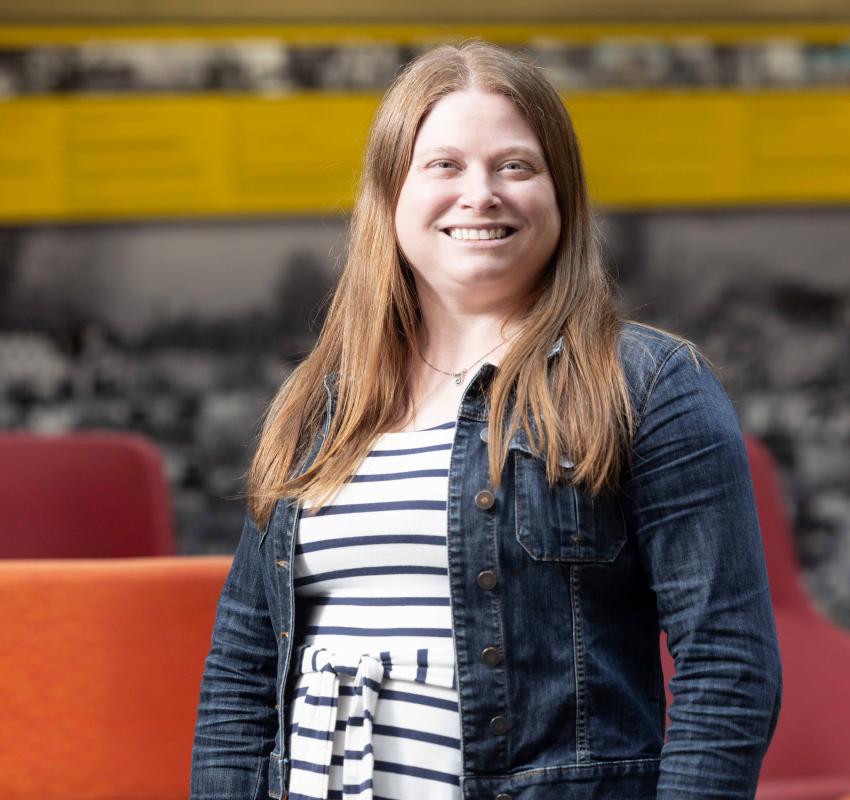
Pamela Kittelson
Professor Pamela Kittelson enjoys collaborating with students and colleagues. Her teaching has focused on ecology, plant physiology, evolution and general biology. Over 35 undergraduates from her lab have examined how habitat fragmentation affects plant populations, specifically how genetic variation, herbivory and plant traits change with population size and isolation. Students in her lab have published or presented this work and built scientific skills in writing, experimental design and analysis. After graduation, her advisees and former research students excel in careers ranging from natural resource management to education, research, medicine, biotechnology, law, and scientific writing.
Dr. Kittelson is the director of the Gustavus Fellowships Office. She supports and encourages all undergraduates by helping them identify and apply for nationally competitive funding which furthers their goals while in college or as alumni. These organizations include the Fulbright U.S. Student Program, Critical Language Scholarship, National Science Foundation, and the Goldwater, Truman, Udall and Boren Scholarships.
She also serves as the Director of the Midstates Consortium for Math and Science, which is an organization that promotes excellence in STEM research and teaching. She organizes professional development programs for faculty and undergraduate students from ten liberal arts colleges and two research universities. Each year, she runs two undergraduate research conferences where Gustavus and other Consortium students present their research at the University of Chicago or Washington University in St. Louis.
As a first generation college graduate, Dr. Kittelson understands the importance of having a good mentor who encourages one’s education. She enjoys the advising and mentoring relationships she has built with Gusties over the years.
Pamela relishes opportunities to be in natural areas with students; she has led students on several travel and wilderness courses. In her spare time, she enjoys hiking, canoeing, going fast downhill on skis or a bike, and camping. She putters around in gardens, museums or while watching birds. Travel near and wide is treasured. She relaxes with good books or music and the company of friends.
Our People
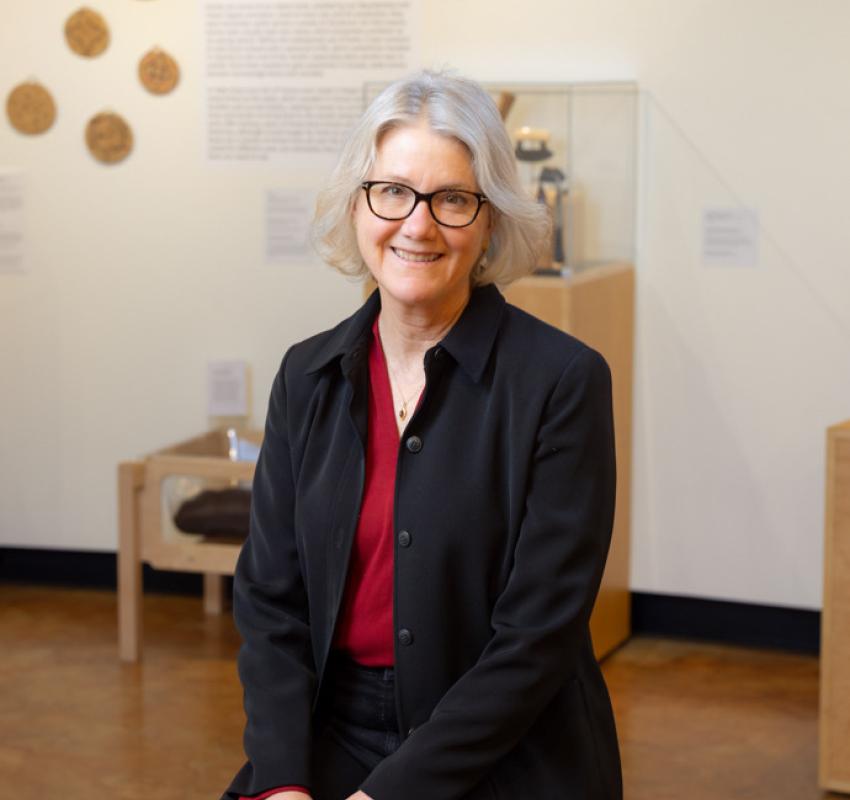
Jessica Stadick
Jessica Stadick is an Associate Professor of Nursing. She teaches across the undergraduate nursing curriculum with expertise in medical-surgical nursing, clinical skills, high-fidelity simulation, and capstone clinical education. Her passion is helping students develop into confident, compassionate, and critically thinking nurses who are prepared to provide exceptional patient care and lead within an ever-changing healthcare system.
Dr. Stadick's teaching integrates evidence-based practice, clinical reasoning, simulation, and interprofessional collaboration to bridge classroom learning with real world nursing practice. She is committed to creating engaging learning environments that challenge students to think deeply, communicate effectively, and care for patients holistically.
Her scholarship focuses on nursing education, interprofessional collaboration, clinical simulation, equity in teaching and learning, and the use of emerging technologies to improve nursing education and healthcare delivery. She has published in peer-reviewed nursing journals, presented nationally on nursing education and collaborative practice, and mentors undergraduate students in research that has been presented at regional, national, and international conferences. Her current work explores innovative teaching strategies, NCLEX-RN preparation, and the integration of artificial intelligence into nursing education and clinical practice.
Maintaining an active clinical practice is central to Dr. Stadick's teaching philosophy. She continues to work as a registered nurse in emergency and urgent care settings, allowing her to bring current clinical experiences, evidence-based practice, and contemporary healthcare challenges directly into the classroom and simulation environment. She is also a certified Trauma Nursing Core Course (TNCC) instructor and serves as a reviewer for several nursing and healthcare education journals.
Beyond teaching, Dr. Stadick is actively involved in faculty governance, mentoring new faculty, supporting undergraduate research, and advancing inclusive excellence across the College. Beyond campus, she serves on the board of the Saint Peter Free Clinic and remains engaged in community health initiatives.
Outside of teaching and nursing, Dr. Stadick enjoys spending time with her family, volunteering in her community, being outdoors, and staying active. She is passionate about lifelong learning and is committed to preparing the next generation of nurses to provide compassionate and evidence-based care.
Our People
Matthew Panciera
Matt Panciera is an associate professor of Greek, Latin, and Classical Studies. He truly enjoys teaching the languages - all levels of Greek and Latin - in addition to a wide range of classical studies courses; everything from Greek tragedy to Roman history. His research focuses on the incredible treasure trove of information found in the Pompeian graffiti scratched into the walls of the ancient city by its beautifully ordinary inhabitants before it was buried under the eruption of Mount Vesuvius. He is extremely grateful to have been awarded on three occasions a NEH Summer Seminar for K-12 teachers where they, together with a team of distinguished scholars, explored the topic of of Roman daily life as seen in the Roman novelist Petronius and the archaeological and epigraphical remains of Pompeii. He has also worked on Roman funerary inscriptions including the epitaph of the unforgettable freedwoman, Allia Potestas.
Matt feels fortunate to have been hired on four different occasions by the Intercollegiate Center for Classical Studies in Rome and he is a passionate advocate for teaching and learning on site. He always finds himself experiencing ideas, making connections, and asking questions that would never occur to him without the inspiration of standing in the place where the ancient Greeks and Romans once lived their lives. He is happy to teach a class where the students "nerd out" and dive deep into the Greeks and Romans for their own sake. But ultimately he believes, both for himself and his students, the greatest benefit of spending time with the Greeks and Romans is how much we learn about ourselves and what we want to make of our own world.
If pressed, on most days he would say his favorite classical authors to read in the original language are Homer and Ovid. He recognizes the beauty of Greek and the genius of so much that came to fruition in Athens in the 5th century BCE—the histories of Herodotus and Thucydides, the birth of western philosophy, tragedy (Sophocles is his favorite)—but he is more at home in Latin and loves the way that reading Petronius and Pompeian graffiti feels like looking through a window directly at the ancient Romans. His favorite classical building is the Pantheon in Rome and his favorite site is Segesta in Sicily.
Outside of work he loves to cook for his family, visit the Boundary Waters, root for all the Boston teams (but also the Vikings), play golf, and exercise.
Our People
Daniel Moos
Daniel C. Moos (PhD) is a professor of Education where he teaches courses in developmental and educational psychology, educational technology, and the supervision of student teachers. His work centers on understanding how students learn, particularly through the lenses of motivation, metacognition, and self-regulated learning, and how these processes can be intentionally supported through instruction and assessment.
Dr. Moos’s scholarship focuses on self-regulated learning in classroom and technology-rich environments. His research examines how learners plan, monitor, and evaluate their thinking, and how instructional design, feedback, and classroom technology can foster deeper learning. He has published extensively in leading journals and edited volumes in educational psychology, learning sciences, and educational technology, and he has collaborated frequently with undergraduate students as research co-authors. His work is nationally and internationally recognized, including invited keynote and symposium presentations and service in leadership roles within professional organizations focused on self-regulated learning.
At Gustavus, he is deeply committed to teacher preparation and evidence-based teaching. He works closely with pre-service teachers as they learn to design instruction, integrate technology meaningfully, and use assessment to support student learning. His teaching philosophy emphasizes helping future educators become reflective practitioners who understand how students learn and who can adapt instruction to meet diverse learner needs. He is particularly interested in bridging theory and practice, ensuring that research on learning, motivation, and assessment is accessible and useful for teachers in real classrooms.
In addition to his teaching and research, Dr. Moos has held several institution-wide leadership and service roles at Gustavus. These include serving as department chair, college assessment director, faculty associate for teaching excellence, and assessment coordinator for the Education Department. Through this work, he has supported faculty development, program assessment, accreditation efforts, and conversations about effective teaching and learning across the college.
Dr. Moos also contributes extensively to the broader field of education through editorial board service, grant advisory work, external reviews, and mentoring early-career scholars. He is regularly involved in reviewing research for major journals and supporting national initiatives related to self-regulated learning and teacher education. Before entering higher education, Dr. Moos was an elementary and middle school teacher, an experience that continues to shape his teaching, research, and commitment to teacher education. Outside of Gustavus, he enjoys staying active, following youth and collegiate athletics, and spending time with his family. He values the close-knit academic community at Gustavus and especially enjoys working with students as they develop into thoughtful educators and lifelong learners.
Our People
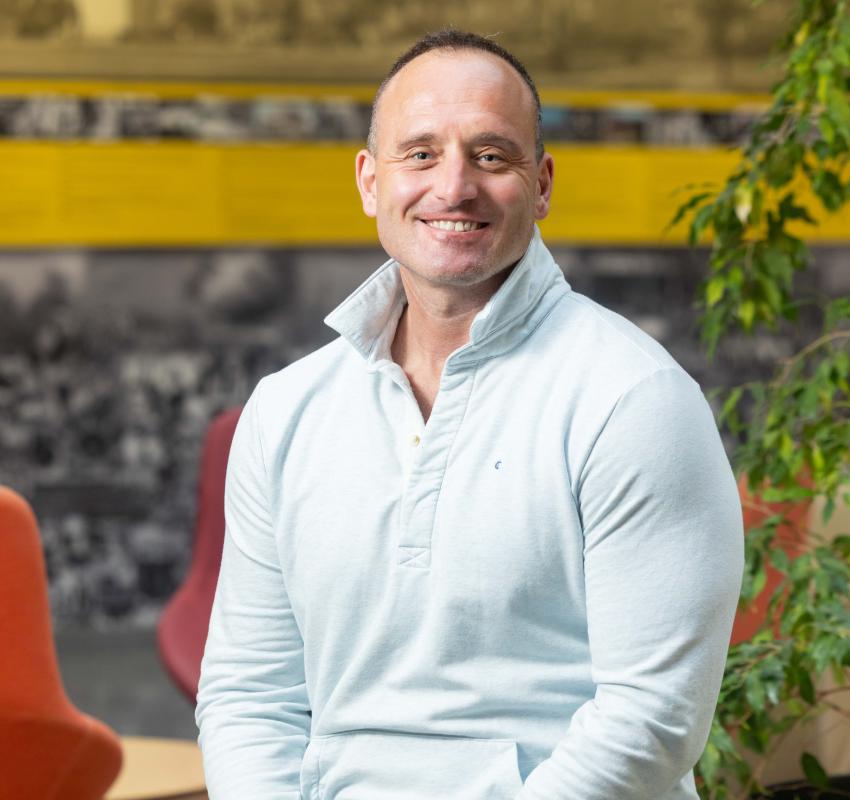
Heidi Meyer
Heidi M. Meyer is Associate Professor of Nursing and currently serves as the Chief Nursing Administrator for the Department of Nursing. A proud Gustavus alumna, she brings to her work a deep commitment to the College’s liberal arts mission and to preparing graduates who have strong clinical reasoning abilities, are intellectually curious, and grounded in compassionate care. She teaches across the nursing curriculum and at times contributes to interdisciplinary offerings, including the Public Health minor. Recent courses include Public Health Nursing, Transitions to Professional Practice, Capstone Clinical, Research and Ethics, and a May study-away course, Health Across Borders: Exploring Social Determinants of Health in Sweden and the U.S.
Dr. Meyer’s scholarly expertise centers on emotional intelligence, clinical reasoning, and innovative teaching strategies in nursing education. Her doctoral work examined the relationship between emotional intelligence and clinical reasoning in senior nursing students, and she is certified in the Mayer-Salovey-Caruso Emotional Intelligence Test (MSCEIT). Her research has been published in peer-reviewed journals and presented at national and international conferences, including the American Association of Colleges of Nursing (AACN), the Midwest Nursing Research Society (MNRS), and the International Nursing Association for Clinical Simulation and Learning (INACSL). She has also contributed to multisite studies focused on simulation debriefing and the development of clinical judgment in baccalaureate nursing education.
A strong advocate for active, experiential learning, Dr. Meyer has been recognized with competitive grants and scholarships that have advanced simulation-based education and strengthened the integration of clinical reasoning across the curriculum. Her teaching is informed by a belief that learning is relational and reflective; she challenges students to move beyond memorization toward deep understanding, emotional awareness, and sound professional judgment. She is particularly passionate about helping students integrate the science of nursing with the human experience of care.
At Gustavus, Dr. Meyer has served in numerous leadership roles, including Department Chair/Chief Nursing Administrator and Faculty Senate representative. She contributes to college-wide initiatives related to academic affairs, strategic planning, accreditation, and wellbeing. She is an internal facilitator for the Nursing National Advisory Board and serves on the Public Health Minor Advisory Board. Beyond campus, she is active in the Minnesota Association of Colleges of Nursing, currently serving in a leadership capacity, and has completed Commission on Collegiate Nursing Education (CCNE) evaluator training.
Dr. Meyer’s favorite aspect of her work is mentoring students and faculty—whether guiding independent student research, supporting future nurse educators as a graduate preceptor, or walking alongside seniors as they transition into professional practice. She values the close-knit Gustavus community and the opportunity to know students not only as learners, but as whole people with unique goals and gifts.
Our People
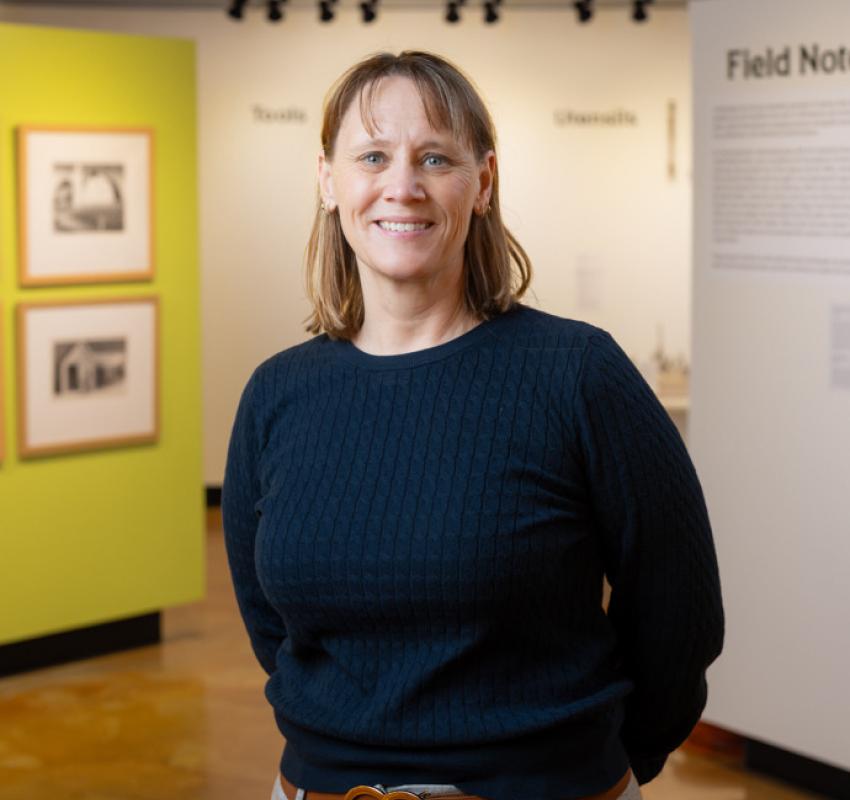
Julie K. Bartley
As a Professor in the Department of Environment, Geography, and Earth Sciences (EGE), Julie K. Bartley teaches courses in the Geology and Environmental Studies programs. With a background in chemistry and geology, Professor Bartley brings an interdisciplinary perspective to the study of the Earth’s past and present. As a teacher, she strives to know her students as individuals and to inspire interest in the Earth’s past and care for its future. She has also held significant leadership roles at Gustavus, including serving as chair of EGE, as the project director for the Inclusive Excellence Project, and as Associate Provost and Dean of Sciences and Education.
Professor Bartley’s expertise lies in interpreting ancient environments, with a particular focus on the Precambrian. Her research explores how microbial communities shaped and were shaped by the environments in which they lived. She and her students study the fossil record and the chemical signatures left by life hundreds of millions or even billions of years ago. At Gustavus, she actively involves students in this discovery process, supervising numerous undergraduate research projects that range from evaluating stromatolites in Minnesota to analyzing the Martian surface signs of habitability.
Students who collaborate with Professor Bartley might conduct fieldwork, perform laboratory analyses, analyze imagery, work with databases, or some combination of these. In the classroom, Professor Bartley teaches a wide array of courses taken by students across campus. Her teaching philosophy is characterized by a commitment to effective and inclusive instruction and a firm belief that every student is equipped to succeed. Whether a geology major, a general education student, or a first-semester Gustie, students can expect to take an active role in class, have many opportunities for hands-on experiences, and be challenged to grow as they learn.
Beyond her teaching and research, Professor Bartley serves Gustavus and the broader scientific community in many ways. She recently served as the Faculty Shepherd for the Nobel Hall of Science renovation and addition project and has co-chaired the Nobel Conference. She is a trained facilitator for two national programs: the ADVANCEGeo Partnership, which aims to improve workplace climate in the geosciences, and the Traveling Workshop Program, whose workshops help strengthen geoscience departments.
As the curator of the Chester Johnson Geology Museum, Professor Bartley regularly shares her passion for geology with K-12 students and the public. Whether leading fossil collecting field trips or presenting to local community organizations, she enjoys helping others see the landscape as a "time machine." Her dedication to service was recently honored with the Gustavus Faculty Service Award.
Outside of her professional life, she has served as the chair of a local charter school board and remains an active member of several professional societies, including the Geological Society of America, the National Association of Geoscience Teachers, and the Association of Women Geoscientists.
Our People
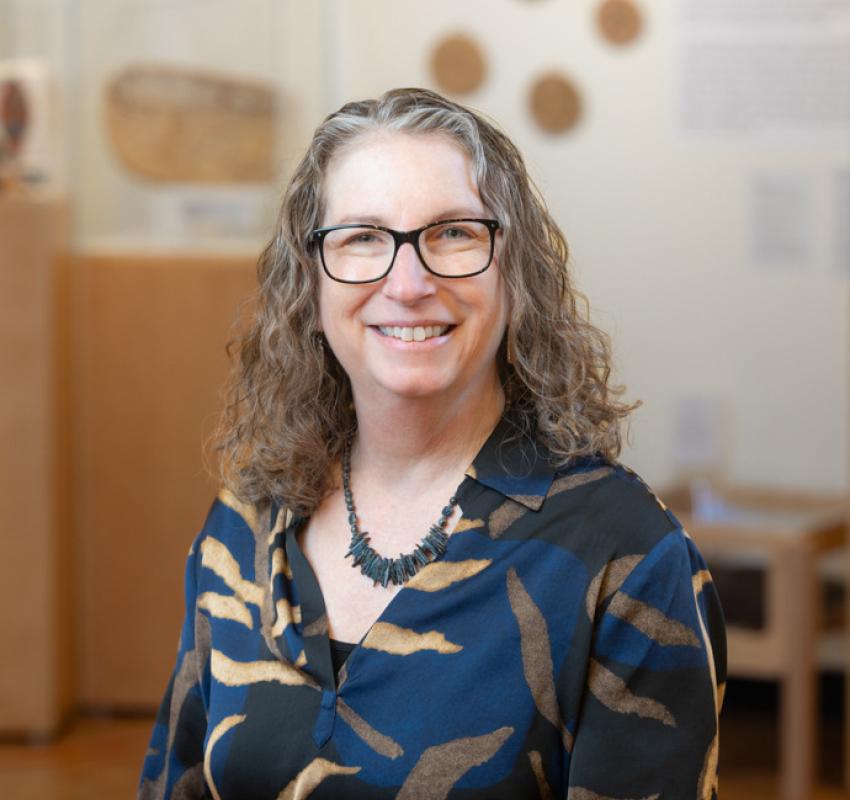
Tara Cadenhead
Tara Cadenhead serves as the Instructor of the Practice in Entrepreneurship and Innovation, where she is also the Director of the Center for Innovative & Entrepreneurial Leadership (CIEL). A Gustavus alumna herself, Tara brings a unique blend of high-level corporate strategy and "maker" entrepreneurship to the Hill, providing students with a practical roadmap for turning creative ideas into sustainable ventures.
Tara’s teaching is informed by nearly two decades of leadership in the corporate sector. During her tenure at FICO, a leading provider of analytics and CRM software, she led talent management and organizational change initiatives, specializing in aligning human capital with strategic business goals. Later, at Target Corporation, she served as a key advisor to Supply Chain leadership, and then played a strategic communication and change leadership role in launching a new enterprise-wide talent system and related processes for a workforce of more than 70,000 users.
In addition to her corporate background, Tara is the founder of Marquess Studios, a creative venture based in Stillwater, Minnesota, that emphasizes intentional design and community-focused commerce. Experience as a small business owner allows her to mentor students with authentic insights into brand storytelling, lean product development, and the resilience required to launch a startup.
In the classroom, Tara emphasizes experiential learning and vocational discovery. She views entrepreneurship as a multidisciplinary mindset relevant to every major, from the fine arts to the hard sciences. Her courses function as laboratories where students are encouraged to iterate, take calculated risks, and solve complex problems through "failing forward."
As the Director of CIEL, Tara spearheads initiatives that foster a culture of innovation across the entire campus. She oversees the Gustie Cup, the college’s premier entrepreneurship competition which offers significant seed money prizes across "Scalable" and "Sustainable" categories. In this role, she mentors student founders through intensive Start-Up Labs and 1:1 consulting sessions, while engaging alumni and industry experts to enhance the viability of students' plans. Gustie Cup winners have advanced as semi-finalists in the statewide Minnesota Cup. Her service extends to the regional entrepreneurial ecosystem, where she builds bridges between Gustavus and Minnesota’s business leaders, alumni mentors, and economic organizations, and recently represented Gustavus on an International Economic Development trip to Ireland.
Outside of her work at the College, Tara is deeply committed to community-driven service and regional development. She is most interested in exploring public-private partnerships to maximize social and economic impact. Tara is a founding Board member for Connect Lake Elmo, where she helps guide initiatives that enhance local connectivity and economic vitality. Her dedication to service is further highlighted by her previous involvement with Rotary International, various non-profit organizations, and was recently nominated as "Volunteer of the Year" by the Stillwater Area Chamber of Commerce. When not mentoring the next generation of innovators and entrepreneurs, she enjoys traveling, cooking, gardening, and spending time with her family.
Our People
Andrew Evenson
Andrew Evenson ’09 has been a Professor in the Business and Economics Department at Gustavus since January 2025. After many years of practicing law and working in public accounting (International Tax – Transfer Pricing), Andrew made the transition to higher education and finds great satisfaction in returning to his alma mater and helping students prepare for careers and life.
Since Fall 2023, Andrew (“Big E” to his team) has been an assistant coach with the Gustavus Men’s Golf Team. Andrew was a member of the team when he was a student at Gustavus and is so thrilled to be back with the program and supporting student-athletes. His focus in supporting the team is to get to know each player, highlight their strengths, and encourage each player to take satisfaction in making improvement over time.
Andrew has a passion for finding effective ways to explain the principles and processes of accounting so that students can explore the rewarding careers available to them. Through training staff, informing clients, and assisting student-athletes in his various prior roles; he discovered that different methods work for different audiences, but when you find the right mix of instruction, it is very satisfying to open doors for greater exploration, communication, and progress.
Andrew’s accounting career got started as a 2009 accounting major (History minor) graduate from Gustavus. While at Gustavus, he learned fundamental concepts and applied them through modeling and team projects. His professors were very helpful in one-on-one meetings helping him when he felt stuck or guiding his team when they were running into issues. He appreciates that the professors presented varied challenges and held him to high standards because that process gave him the confidence and skills to tackle the difficult tasks and projects of his career.
After graduating from Gustavus, Andrew attended William Mitchell College of Law (now known as Mitchell Hamline School of Law) in St. Paul, MN and received his Juris Doctor degree from there in the spring of 2012. The experience expanded his research, investigation, and learning skills while also giving him the opportunity to work with professors, visiting professionals, and fellow students who provided him with a network of support and wisdom.
Andrew’s teaching methods present concepts in various ways so that students with different learning styles can be reached and to increase the chances that students can recall those concepts and apply those concepts with adaptability (i.e., regular interactive Q&A, stories and examples to bring concepts to life, and projects where the students get to practice applying the concepts and communicating with a team). He also administers examinations with problems that present various levels of difficulty so that students can show what they’ve learned, be proud when they succeed, and learn lessons when they don’t know the full or best answer.
Our People
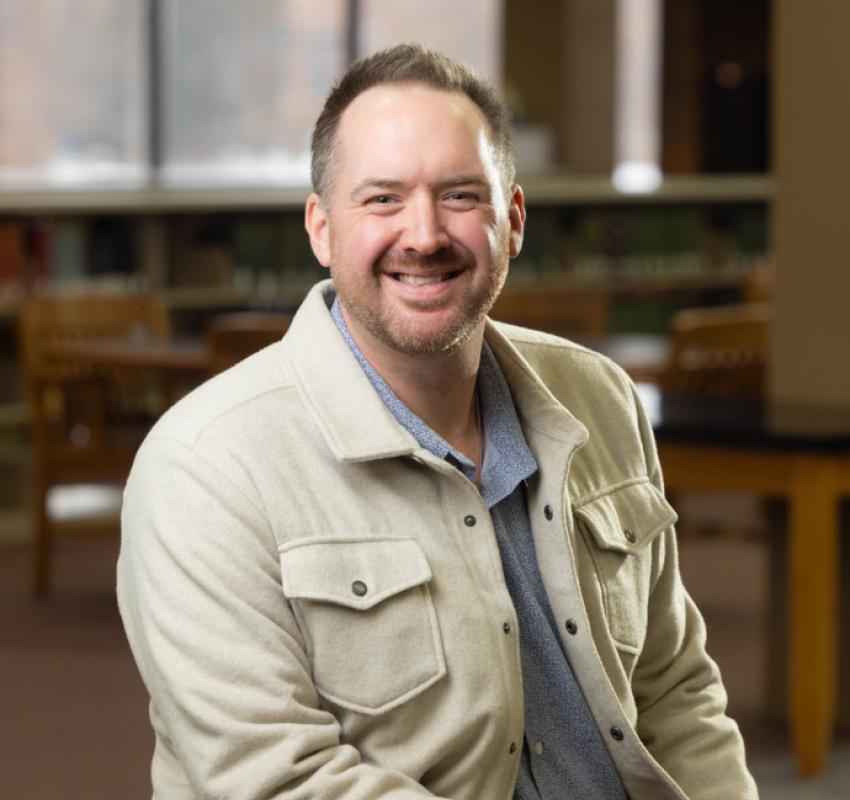
Lisa Ortmann
Lisa Ortmann, PhD is the Grace and Bertil Pehrson Endowed Professor and Associate Professor of Education at Gustavus. Dr. Ortmann’s education courses prepare future teachers across the grade levels and content areas to build a deep understanding of how children and adolescents learn to read and write, and the research-based methods of teaching literacy for all students. She was awarded the Innovation in Teaching Award from the Kendall Center for Engaged Learning for her “Literacy Histories” project, where education majors critically examine their own experiences of learning to read, write, and use language, identifying the ways their history shapes their teaching. She teaches a First Term Seminar course called “For the Love of Books!” where first-year students follow their curiosity as readers, reflecting on the value of literacy in their lives as citizens of a free and democratic society. Together, students build a reading community that sustains their values, shapes their identities, and expands their worldviews.
Dr. Ortmann’s scholarly work informs, and is informed by, her teaching and professional activities at the College and in the state. Her research areas include teachers’ uses of culturally responsive teaching practices and diverse literature, the instructional methods that support literacies of multilingual adolescent learners, and the impact of instructional coaching models to enhance teaching. Recent peer-reviewed publications include a co-authored study with a former Gustie student, “Developing Responsive Disciplinary Literacies for Student Teaching in Social Studies” in The Journal of Adolescent and Adult Literacy, and a state-wide study, "Surveying the Landscape: Minnesota's English Language Arts Teachers' Perspectives on Intellectual Freedom" in The Minnesota English Journal.
Dr. Ortmann’s professional service is in partnership with teachers and schools both locally and nationally. She is an engaged collaborator with Saint Peter and Mankato educators to design and facilitate real-world teaching opportunities for Gustie education majors at all stages of the four-year program. She serves the state of Minnesota as the Intellectual Freedom Chair for the board of the Minnesota Council of Teachers of English where she provides professional development to English Language Arts teachers across the state. She was selected to serve as a This Story Matters Teacher Corp Member on the National Council of Teachers of English to develop book rationales for teaching diverse literature. She consults and provides guidance on statewide reading initiatives for the Minnesota Association of Colleges of Teacher Education, and for the English Language Arts 2020 Standards development project with the Minnesota Department of Education.
In her moments of free time, you can find Dr. Ortmann outdoors at the lake or in her garden, reading a novel, running with her yellow lab Harley, or cheering loudly at her daughter’s performances and games. She is a passionate educator, who has found a home at Gustavus due to the life-long relationships that are built on campus. Mentoring new teachers into the profession is one of the greatest gifts of her career, especially when they return to campus with their own students.
Our People
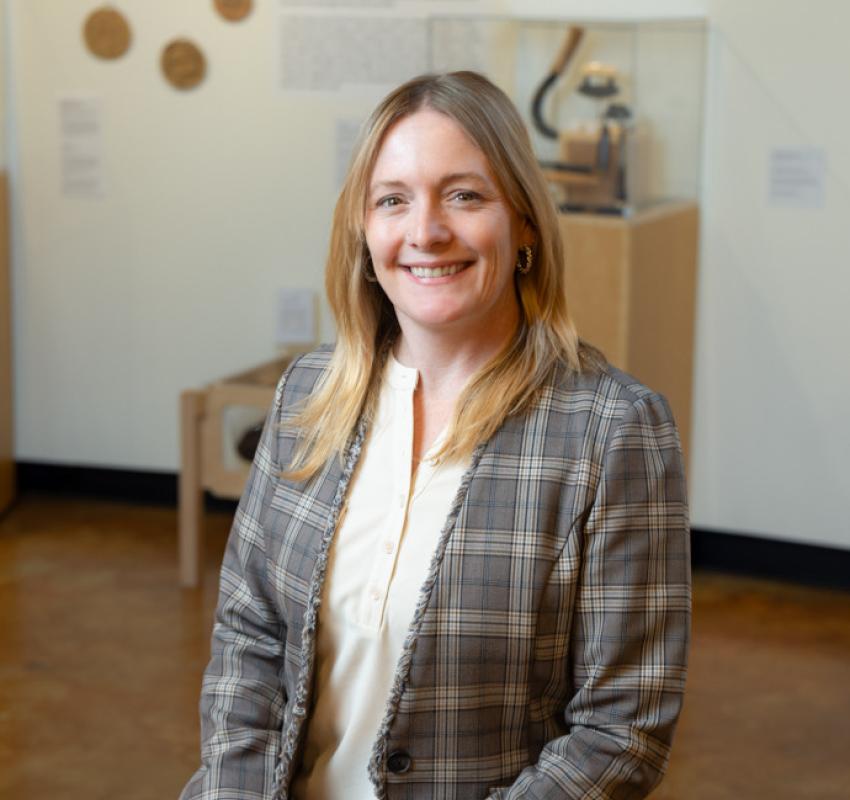
Ursula Lindqvist
Ursula Lindqvist, PhD, is Thorstensson, McKnight, Nordstrom Endowed Chair and Professor in Scandinavian Studies and a founder of the interdisciplinary minor in Comparative Literature. She is known for her research in Nordic global cinema and in postcolonial studies, commitment to undergraduate teaching and mentorship, and her leadership within the College and in her field. Before coming to Gustavus in 2013, Dr. Lindqvist directed the undergraduate program in Scandinavian Studies and founded the Scandinavian Languages Program at Harvard University.
A passion for interdisciplinary teaching and research brought her to Gustavus, where she contributes to programs in Gender, Women, & Sexuality Studies; Peace, Justice, & Conflict Studies; African & African Diaspora Studies; Film & Media Studies; Latin American, Latinx & Caribbean Studies; and Comparative Literature. She leads a college-wide grant project, “Storytelling and Sensemaking at a Settler Institution: Walking a Shared Path with Dakota Neighbors,” funded by the Council of Independent Colleges/the Lilly Endowment.
Dr. Lindqvist’s research has focused on Nordic cinema, global literatures, and unsettling colonial narratives. Her first book, Roy Andersson’s Songs from the Second Floor: Contemplating the Art of Existence, was published in the University of Washington Press’ Nordic Film Classics series. She also co-edited two global anthologies: A Companion to Nordic Cinema (Wiley-Blackwell) with Mette Hjort, and New Dimensions of Diversity in Nordic Culture and Society (Cambridge Scholars) with Jenny Björklund. She has published articles in peer-reviewed journals including PMLA, Modernism/Modernity, and African and Black Diaspora. Her most influential work, “The Cultural Archive of the IKEA Store” (Space and Culture, 2009), has been taught at colleges worldwide. Her expertise as a Nordic film scholar has been sought by media outlets such as the New York Times and National Public Radio as well as film festivals and retrospectives.
In recent years, Dr. Lindqvist’s research has pivoted toward settler history, culture, and decolonization. Her current monograph in progress, Unsettling the Settler Archive, includes a critical examination of the founding story of Gustavus Adolphus College on Dakota lands. She has involved Gustavus students in her research since it began in 2021 and sponsored a student advisee to present at a national scholarly conference in 2023. Dr. Lindqvist recently received external grants to support additional archival work at the Swenson Center for Swedish Immigration Research at Augustana College in Illinois and at the House of Emigrants in Växjö, Sweden, where she gave an invited public lecture in 2024. From this work she developed the college’s first approved Signature Experience (SigX) research course, SCA-290 Unsettling the Archive, to immerse students in archival research and to train them to carry out sensitive, intercultural interviews with Indigenous people, bringing their stories in dialogue with settler archives.
Dr. Lindqvist spent five years as news writer and investigative reporter in the Arabian Gulf, India, and Florida prior to earning her PhD. Her roots are in Finland’s Swedish-speaking minority, and she is bilingual in Swedish and English.
Our People
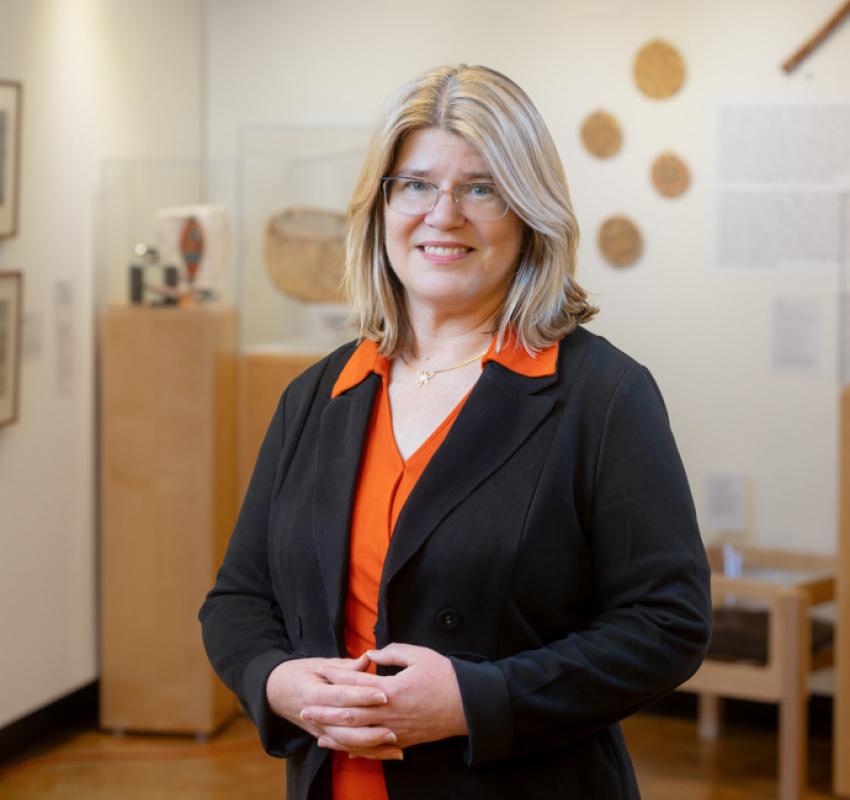
Jessie Helget
Jessica Helget, MS, RN, PHN is Senior Continuing Faculty in the Department of Nursing, where she serves as Simulation Faculty and teaches across the undergraduate nursing curriculum. She earned her Master of Science in Nursing Education from Saint Catherine University and her Bachelor of Arts in Nursing from Gustavus Adolphus College.
At Gustavus, Jessica leads the design, integration, and evaluation of simulation-based education across all levels of the program. Her expertise centers on high-quality clinical simulation aligned with the AACN Essentials and the International Nursing Association for Clinical Simulation and Learning (INACSL) Standards of Best Practice. She has developed a comprehensive simulation curriculum map that scaffolds student learning from foundational skills to complex clinical judgment, ensuring students graduate practice-ready and confident. In addition to simulation, she teaches medical-surgical nursing, and pre-health professions courses, blending didactic and experiential learning.
Helget’s teaching philosophy is deeply student-centered and grounded in experiential learning theory. She intentionally creates space for reflection, critical thinking, and application, often integrating mannequins and real-time clinical decision-making into classroom case studies. Her simulations follow structured pre-briefing and debriefing models such as PEARLS and Debriefing for Meaningful Learning, fostering psychological safety while challenging students to grow. Students frequently describe her courses as engaging, rigorous, and inspiring, reflecting her commitment to excellence and enthusiasm for the profession.
Her scholarly work focuses on simulation effectiveness, debriefing methodology, and NCLEX preparation. She has published in the Journal of Nursing Education and has presented regionally on innovative simulation practices. She currently collaborates with statistics students on research examining the impact of simulation on student outcomes and clinical readiness. She is actively involved in professional organizations including the National League for Nursing and INACSL, and she is pursuing Certified Healthcare Simulation Educator (CHSE) credentialing to further advance simulation scholarship and mentorship at Gustavus.
Within the College, Jessica serves on the Institutional Review Board, Nobel Committee, advises the Gustavus Student Nurses Association, participates in faculty mentoring and search committees, and contributes to campus initiatives such as Wellness as a Community. She is passionate about embedding equity, inclusion, and belonging principles into simulation scenarios, preparing students to provide culturally responsive care and address health disparities.
Beyond Gustavus, Helget continues to practice as a Registered Nurse at Mayo Clinic Health System in a progressive care setting, ensuring her teaching remains grounded in current clinical practice. She is also deeply engaged in community service, including board membership with the St. Peter Free Clinic and youth mentorship through local athletics and church programs.
Jessica believes nursing education is both an art and a science. She is committed to forming compassionate, competent leaders who will serve their communities with integrity, faith, and excellence—hallmarks of a Gustavus education.