Our People
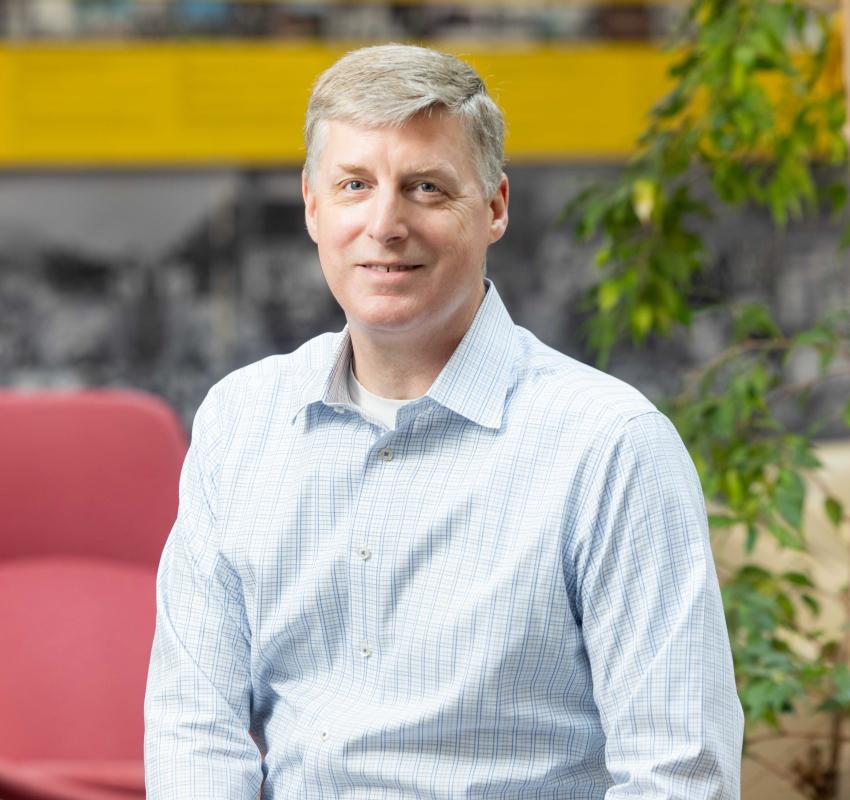
John Tengwall
Mr. Tengwall is a visiting professor in the Department of Business & Economics, where he engages students on a range of topics including Management & Leadership, Business Models & Growth Strategy, Sales & Marketing, and Supply Chain/Operations Management. He also serves on the Boards of two companies and provides management consulting services to a range of businesses.
Previously, Mr. Tengwall had a 12-year career with the Marmon Group, a Berkshire Hathaway Company. During this time he was President of EcoWater Systems LLC (2019 – 2024), a leading North American manufacturer and marketer of residential and light commercial water softening and filtration systems. Prior to that, he was president of Marmon Food & Beverage Solutions Group (2013 – 2019), which was comprised of two different businesses, Marmon Link and Marmon Renew. Marmon Link (previous dba 3Wire Group Inc) is a provider of parts, training and service for foodservice and beverage dispensing equipment. Marmon Renew is a re-manufacturer of commercial beverage dispensing and related foodservice equipment.
Prior to his executive leadership roles with Marmon/Berkshire Hathaway, he had a 17-year career with Ecolab (NYSE: ECL). There he held several progressively more responsible leadership roles in the Institutional and Food & Beverage operating divisions. He led the marketing function for both business segments and engaged in multiple acquisitions as part of the overall business growth strategy.
Mr. Tengwall began his career as a microbiologist in the Sterilization Technology & Process Control Validation group at The Upjohn Company (now Pfizer). He then pivoted into marketing and business development roles with IMI Cornelius Inc., a subsidiary (at the time) of IMI plc.
Our People
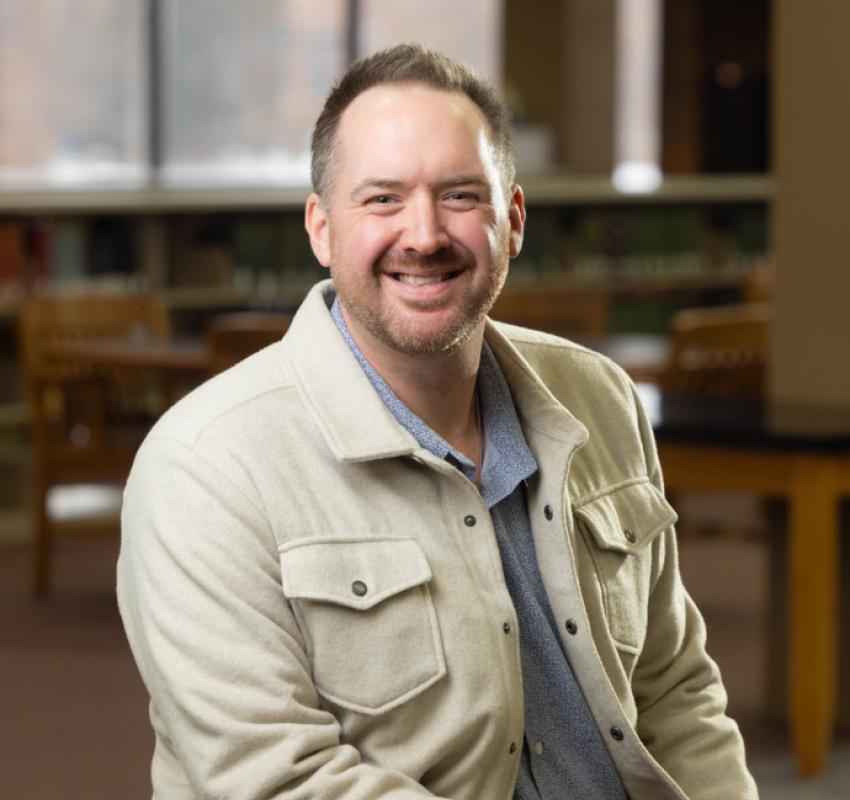
Andrew Evenson
Andrew Evenson ’09 has been a Professor in the Business and Economics Department at Gustavus since January 2025. After many years of practicing law and working in public accounting (International Tax – Transfer Pricing), Andrew made the transition to higher education and finds great satisfaction in returning to his alma mater and helping students prepare for careers and life.
Since Fall 2023, Andrew (“Big E” to his team) has been an assistant coach with the Gustavus Men’s Golf Team. Andrew was a member of the team when he was a student at Gustavus and is so thrilled to be back with the program and supporting student-athletes. His focus in supporting the team is to get to know each player, highlight their strengths, and encourage each player to take satisfaction in making improvement over time.
Andrew has a passion for finding effective ways to explain the principles and processes of accounting so that students can explore the rewarding careers available to them. Through training staff, informing clients, and assisting student-athletes in his various prior roles; he discovered that different methods work for different audiences, but when you find the right mix of instruction, it is very satisfying to open doors for greater exploration, communication, and progress.
Andrew’s accounting career got started as a 2009 accounting major (History minor) graduate from Gustavus. While at Gustavus, he learned fundamental concepts and applied them through modeling and team projects. His professors were very helpful in one-on-one meetings helping him when he felt stuck or guiding his team when they were running into issues. He appreciates that the professors presented varied challenges and held him to high standards because that process gave him the confidence and skills to tackle the difficult tasks and projects of his career.
After graduating from Gustavus, Andrew attended William Mitchell College of Law (now known as Mitchell Hamline School of Law) in St. Paul, MN and received his Juris Doctor degree from there in the spring of 2012. The experience expanded his research, investigation, and learning skills while also giving him the opportunity to work with professors, visiting professionals, and fellow students who provided him with a network of support and wisdom.
Andrew’s teaching methods present concepts in various ways so that students with different learning styles can be reached and to increase the chances that students can recall those concepts and apply those concepts with adaptability (i.e., regular interactive Q&A, stories and examples to bring concepts to life, and projects where the students get to practice applying the concepts and communicating with a team). He also administers examinations with problems that present various levels of difficulty so that students can show what they’ve learned, be proud when they succeed, and learn lessons when they don’t know the full or best answer.
Our People
Matthew Panciera
Matt Panciera is an associate professor of Greek, Latin, and Classical Studies. He truly enjoys teaching the languages - all levels of Greek and Latin - in addition to a wide range of classical studies courses; everything from Greek tragedy to Roman history. His research focuses on the incredible treasure trove of information found in the Pompeian graffiti scratched into the walls of the ancient city by its beautifully ordinary inhabitants before it was buried under the eruption of Mount Vesuvius. He is extremely grateful to have been awarded on three occasions a NEH Summer Seminar for K-12 teachers where they, together with a team of distinguished scholars, explored the topic of of Roman daily life as seen in the Roman novelist Petronius and the archaeological and epigraphical remains of Pompeii. He has also worked on Roman funerary inscriptions including the epitaph of the unforgettable freedwoman, Allia Potestas.
Matt feels fortunate to have been hired on four different occasions by the Intercollegiate Center for Classical Studies in Rome and he is a passionate advocate for teaching and learning on site. He always finds himself experiencing ideas, making connections, and asking questions that would never occur to him without the inspiration of standing in the place where the ancient Greeks and Romans once lived their lives. He is happy to teach a class where the students "nerd out" and dive deep into the Greeks and Romans for their own sake. But ultimately he believes, both for himself and his students, the greatest benefit of spending time with the Greeks and Romans is how much we learn about ourselves and what we want to make of our own world.
If pressed, on most days he would say his favorite classical authors to read in the original language are Homer and Ovid. He recognizes the beauty of Greek and the genius of so much that came to fruition in Athens in the 5th century BCE—the histories of Herodotus and Thucydides, the birth of western philosophy, tragedy (Sophocles is his favorite)—but he is more at home in Latin and loves the way that reading Petronius and Pompeian graffiti feels like looking through a window directly at the ancient Romans. His favorite classical building is the Pantheon in Rome and his favorite site is Segesta in Sicily.
Outside of work he loves to cook for his family, visit the Boundary Waters, root for all the Boston teams (but also the Vikings), play golf, and exercise.
Our People
Karl Larson
Karl Larson, PhD, MCHES, is a Professor of Public Health and is dually appointed to the Master’s in Athletic Training program. Dr. Larson has lead the effort to build a presence for public health on the Gustavus campus and has served as the Program Director for the interdisciplinary program in public health since the program’s inception in 2018. Since his arrival at Gustavus in 2005, he has taught more than 20 different courses focusing on individual and population health including offerings such as stress management, sexuality, tai chi, youth coaching, as well as courses in public health programming, global health, behavioral theory, and epidemiology. Dr. Larson has served the campus community on numerous health related efforts and programs.
Professionally, Dr. Larson is nationally recognized as the “case study guy,” after designing and leading the National Case Study Competition in Health Education (NCSCHE), a role he has served in since 2006. He also has served as the president of the Minnesota Society for Public Health Education from 2015-2018, and has been the recipient of the Karen Denard Goldman Mentor Award (SOPHE), the Dean’s Distinguished Lecturer (New York Medical College), and has received the W.E Schaller Presidential Citation from Eta Sigma Gamma for his professional development work with college students. He is the author of four books including Consumer Health and Integrative Medicine and The Truth About Violence.
Our People
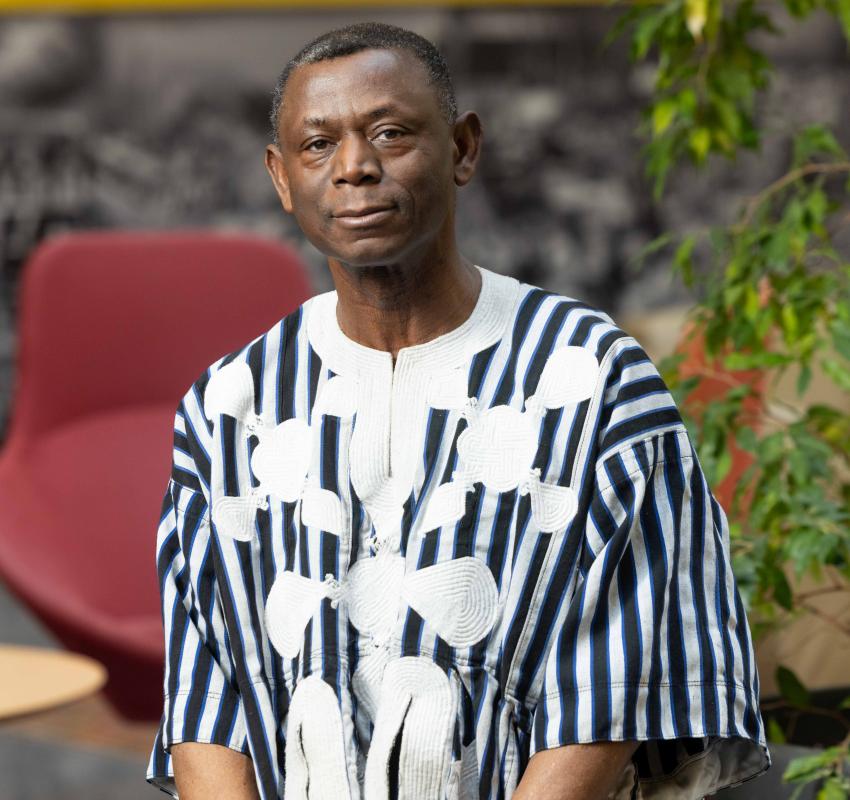
Paschal Kyoore
Paschal Baylon Kyiiripuo Kyoore is a professor of French, African/Caribbean Studies. He specializes in French literature of the 19th and 20th centuries, and Francophone Literatures of Africa and the Caribbean. He teaches a range of courses in French and in English. For courses taught in French, his "Francophone African/Caribbean Literatures & Cultures" course that he introduced many years ago marked the beginning of the French program shifting away from focusing on only France and French culture. Francophone cultures have since been the mainstream of courses offered by the French program, and this has made the program more attractive to students. Prof. Kyoore finds it pedagogically and professionally very enriching to teach about the cultures of francophone communities at all the levels of French courses. Also, he founded the African/African Diaspora Studies program, with the collaboration of colleagues, and also created a course in English.
Prof. Kyoore was the first Director of the African/African Diaspora Studies program. He has also served in other administrative positions such as being a co-chair of the Department of Modern Languages, Literatures & Cultures. One other service he renders to the institution is through his involvement with student organizations such as the Pan-Afrikan Student Organization (PASO). He is often invited to do an African xylophone performance at the annual Africa Night celebration organized by PASO; one of the student organizations event that attracts a large community crowd.
Besides journal articles and reviews, Prof. Kyoore has published three collections of folktales, two in English and one in French, and three critical works. He is currently working on a book on womanhood in Dagara folklore and culture. The Dagara are an ethnic group in Ghana, Burkina Faso, and Ivory Coast. He was a recipient of the Gustavus Faculty Scholarly Achievement award; an acknowledgement of his contributions to scholarship at the international level. Also, he was a finalist for a Fulbright Scholar grant to teach and do research abroad. His research focuses mainly on gender issues, the historical novel, and African folklore.
Our People
Sharon Marquart
Sharon Marquart is a Professor of French and Gender, Women, and Sexuality Studies, and she also serves as Director of the Gender, Women, and Sexuality Studies Program. Dr. Marquart is also affiliated with the Peace, Justice, and Conflict Studies Program, the Latin American, Latinx, and Caribbean Studies Program, and the Comparative Literature Program. At Gustavus, she teaches courses on global French cinema, graphic novels, and literature, as well as topics such as the Holocaust, revolution and rebellion, feminist philosophy, disability, and trauma testimony. In May term, Dr. Marquart teaches a travel course to Paris that centers the stories of marginalized communities in the city. She holds a PhD in French literature and culture from the University of Michigan-Ann Arbor, and she has taught and studied at universities throughout the United States, Canada, and France.
Dr. Marquart’s research is located at the intersection of feminist philosophy and of literary and cultural studies. Her research has been funded by the National Endowment for the Humanities and the Lurcy Foundation, and she frequently collaborates on it with students. She has published extensively on issues of gender and trauma in Nazi camp testimonies and, most recently, on the AIDS crisis in the Caribbean. Dr. Marquart is the author of On the Defensive: Reading the Ethical in Nazi Camp Testimonies (University of Toronto Press, 2015), co-editor (with David Caron of the University of Michigan) of a volume of essays published in France on Auschwitz survivor Charlotte Delbo, and her work has been published in The Routledge Companion to Literature and Trauma, French Forum, H-France Forum, The Romanic Review, Ethnologies, and various essay collections on World War II and the Holocaust. She is completing a book on care that features a chapter co-authored with her former student at Gustavus, Ellie Hartmann. Please contact Dr. Marquart for current student research opportunities related to her work.
Dr. Marquart’s interests outside of the classroom include camping, gardening, photography, all things cats, and travel, especially in the French-speaking world. She is an advocate for students, faculty, and staff of all backgrounds and abilities and welcomes discussion about ways to create more inclusive and just communities on campus and beyond.
Our People
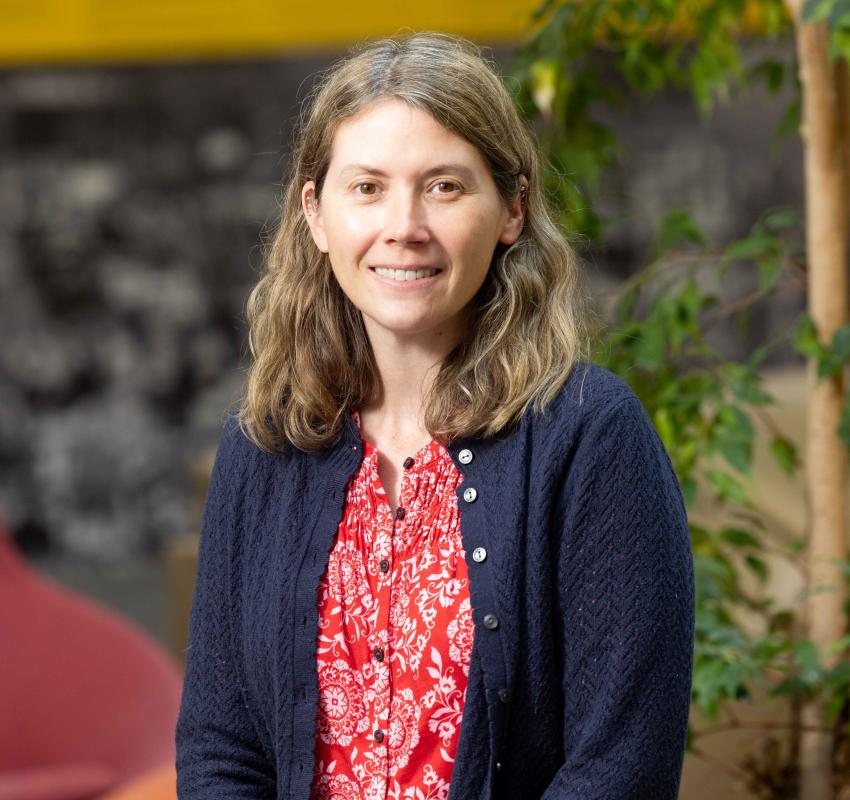
Julie K. Bartley
As a Professor in the Department of Environment, Geography, and Earth Sciences (EGE), Julie K. Bartley teaches courses in the Geology and Environmental Studies programs. With a background in chemistry and geology, Professor Bartley brings an interdisciplinary perspective to the study of the Earth’s past and present. As a teacher, she strives to know her students as individuals and to inspire interest in the Earth’s past and care for its future. She has also held significant leadership roles at Gustavus, including serving as chair of EGE, as the project director for the Inclusive Excellence Project, and as Associate Provost and Dean of Sciences and Education.
Professor Bartley’s expertise lies in interpreting ancient environments, with a particular focus on the Precambrian. Her research explores how microbial communities shaped and were shaped by the environments in which they lived. She and her students study the fossil record and the chemical signatures left by life hundreds of millions or even billions of years ago. At Gustavus, she actively involves students in this discovery process, supervising numerous undergraduate research projects that range from evaluating stromatolites in Minnesota to analyzing the Martian surface signs of habitability.
Students who collaborate with Professor Bartley might conduct fieldwork, perform laboratory analyses, analyze imagery, work with databases, or some combination of these. In the classroom, Professor Bartley teaches a wide array of courses taken by students across campus. Her teaching philosophy is characterized by a commitment to effective and inclusive instruction and a firm belief that every student is equipped to succeed. Whether a geology major, a general education student, or a first-semester Gustie, students can expect to take an active role in class, have many opportunities for hands-on experiences, and be challenged to grow as they learn.
Beyond her teaching and research, Professor Bartley serves Gustavus and the broader scientific community in many ways. She recently served as the Faculty Shepherd for the Nobel Hall of Science renovation and addition project and has co-chaired the Nobel Conference. She is a trained facilitator for two national programs: the ADVANCEGeo Partnership, which aims to improve workplace climate in the geosciences, and the Traveling Workshop Program, whose workshops help strengthen geoscience departments.
As the curator of the Chester Johnson Geology Museum, Professor Bartley regularly shares her passion for geology with K-12 students and the public. Whether leading fossil collecting field trips or presenting to local community organizations, she enjoys helping others see the landscape as a "time machine." Her dedication to service was recently honored with the Gustavus Faculty Service Award.
Outside of her professional life, she has served as the chair of a local charter school board and remains an active member of several professional societies, including the Geological Society of America, the National Association of Geoscience Teachers, and the Association of Women Geoscientists.
Our People
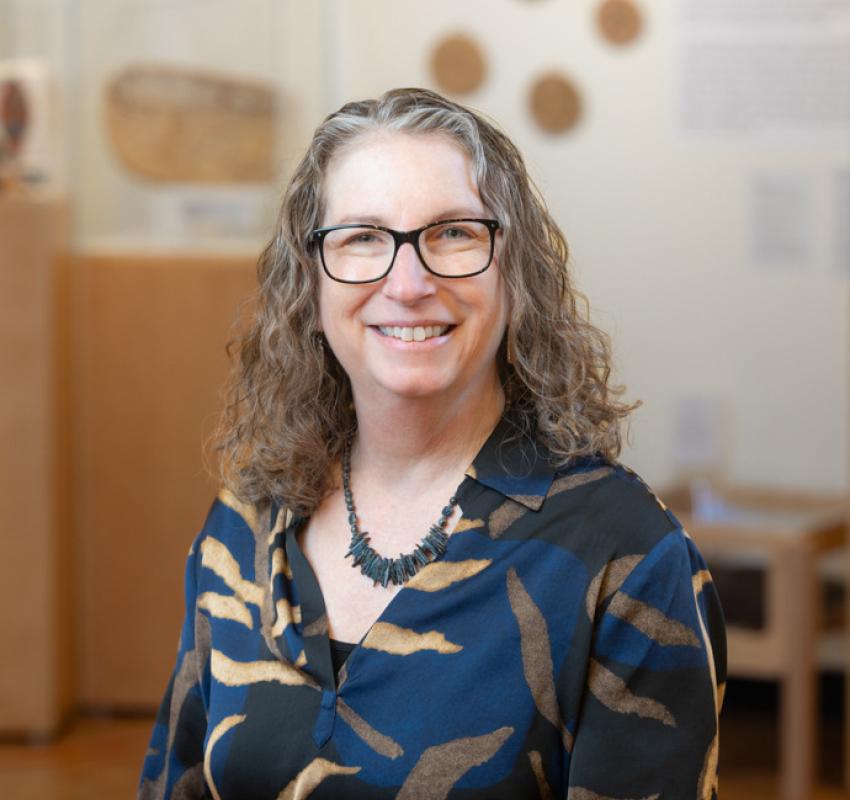
Lauren Hecht
Dr. Lauren Hecht is the Richard Martin, Timothy Robinson, and Barbara Simpson Endowed Professor of Psychological Science. She joined the faculty in 2010 and was the 2022 recipient of Gustavus’ Edgar M. Carlson Award for Distinguished Teaching. She is a cognitive psychologist whose primary research focuses on perception and attention, how they interact, and their influence on other cognitive processes. Her student-faculty collaborations have secured grant funding and resulted in presentations at regional and international conferences. As a First-Generation faculty who directed the First Term Seminar (FTS) Program and co-founded the Peer Mentor, Academic Leader, and Teacher (Peer MALT) Program, she regularly offers an FTS and supports students through their transition to college.
Our People
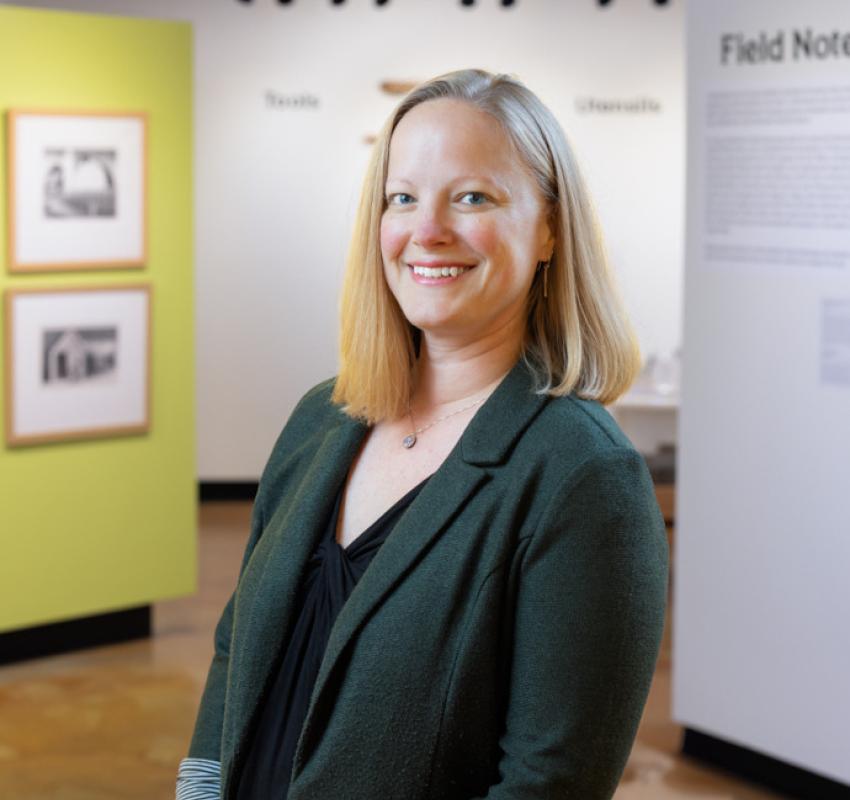
Jon Grinnell
Jon Grinnell is the Francis Morey Uhler Chair in Biology. He spent his youth roaming the hills of coastal California watching the hawks and admiring alligator lizards and rattlesnakes. From the time of his first borrowed binoculars he has been fascinated with wild creatures and places, and now is excited to share those with students.
As an undergraduate he worked with the last wild California Condors before they were taken into captive breeding programs, and as a graduate student he studied the social and communication behavior of African lions in Tanzania. For years, he worked on lions in South Africa before transitioning to American bison in South Dakota. In each of these projects he eagerly involved research students, as one of his great loves is taking students out into the field to get hands-on experience with animals and ecosystems.
Recently his attention has shifted to the plight of shallow marine habitats and regularly takes students to study the Mesoamerican coral reef in Belize. Jon feels privileged to have the chance to teach animal behavior, aquatic biology, vertebrate zoology, and other field-based courses at Gustavus, as well as the many travel courses he has led throughout South and Central America and the Caribbean.
Jon is an avid cyclist, scuba diver, hiker, animal watcher, and bow hunter.
Our People
Heather Banks
Heather Banks, Associate Director for Health Professions, joined the Gustavus community in 2004, beginning her work in the Center for Career Development with the Internship Program. In 2009, she transitioned to the Office of Health Professions, where she supports students and alumni through intentional prerequisite course planning, guidance in gaining meaningful healthcare-related experiences, and dedicated support throughout the graduate application process.
Our People
Wade Green
Dr. Green serves as continuing assistant professor and clinical education coordinator for the Master of Athletic Training Program. He has both clinical and didactic experience in the areas of orthopedics, rehabilitation, primary care, and diagnostic ultrasound. He has published in the Journal of Athletic Training Education on parallels between primary care and the athletic training practice. He is also a practicing clinician for the past 18 years in college/university, multi-specialty orthopedics, performing arts, and occupational health settings.
Our People
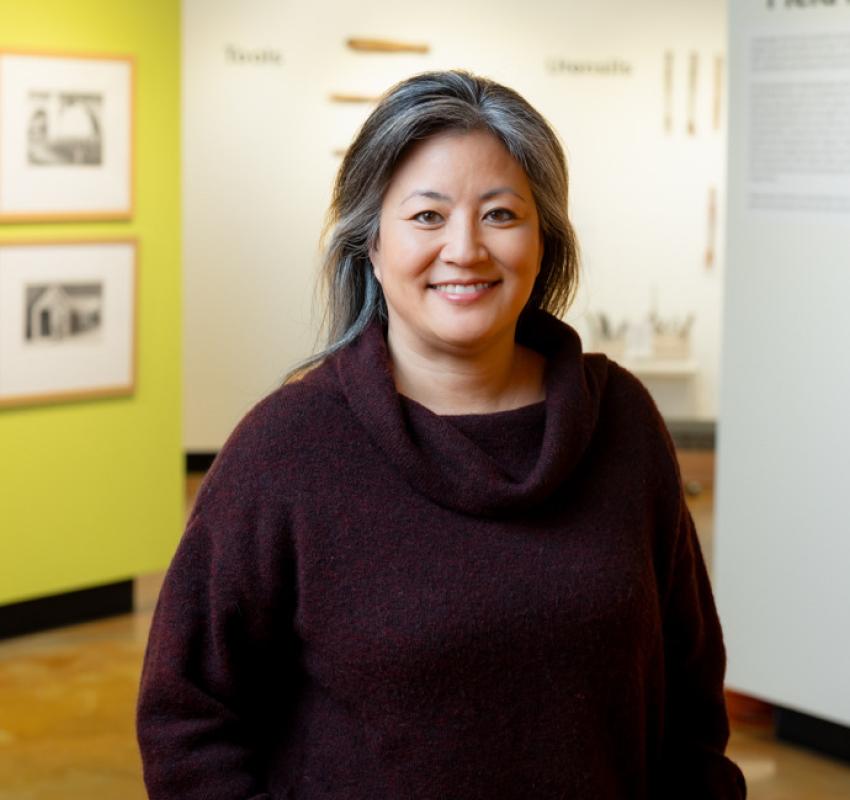
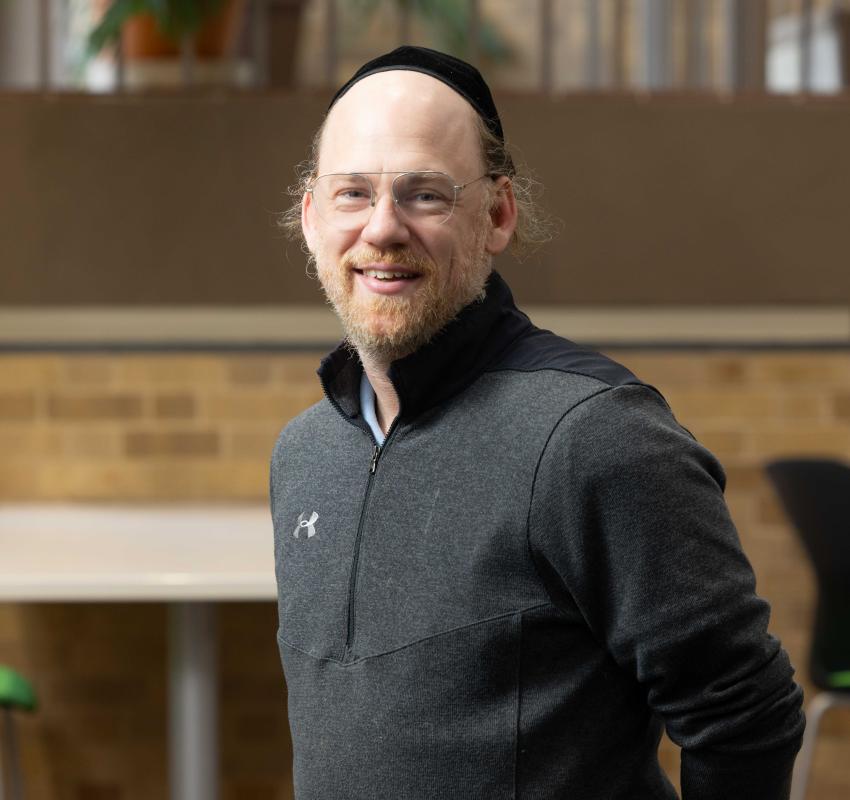
Yurie Hong
Yurie Hong is Professor of Greek, Latin, and Classical Studies and affiliated faculty in the Gender, Women, and Sexuality Studies program. Her teaching and research explore how stories, myths, and social structures from ancient Greece can help us think more deeply about ourselves, our relationships, and the world we live in. She regularly teaches ancient Greek language at all levels, courses on ancient Greek myth, culture, and society, and courses connecting the ancient world to contemporary questions and experiences.
Hong’s research centers on women, gender, and representations of pregnancy and childbirth in ancient Greece—especially the ways ancient people understood reproduction, family relationships, and social roles. Her scholarship examines topics such as the maternal-fetal relationship in ancient medical texts, the use of pregnancy and birth as metaphors for creativity and critical thinking, and the experiences of citizen, immigrant, and enslaved mothers in classical Athens. She has also published and presented widely on inclusive pedagogy, teaching about sensitive subjects such as race and gender violence in antiquity, and the personal and political relevance of classical studies today.
More recently, her work has explored connections between ancient and modern experiences, including reflections on identity, family history, democracy, and civic life. For example, she has written about arranged marriage and the myth of Persephone through the lens of her Korean grandmother’s experience as well as about political structures and crises in both American and Athenian democracy.
Across her scholarship and teaching, Hong encourages students to ask difficult questions: How do narratives shape the ways people understand themselves and others? Which perspectives are included or excluded from the stories societies tell? What can ancient cultures reveal about contemporary communities and institutions? In her classes, students are encouraged to bring their own experiences and perspectives into conversation with the ancient world to cultivate intellectual curiosity, ethical reflection, personal growth, and a deeper sense of connection to their communities and the wider world.
Hong has received the Society for Classical Studies Award for Excellence in the Teaching of Classics at the College Level, the Gustavus Faculty Service Award for work on the Faculty Task Force to revise the academic program, and the Mankato YWCA Woman of Distinction Award for leadership and community engagement.
Outside the classroom, Hong enjoys finding unexpected ways to connect popular culture and the ancient world. She is known for occasionally developing mini-obsessions with a film, television series, book, or Broadway musical—and then finding creative ways to bring those interests into her teaching.