Our People
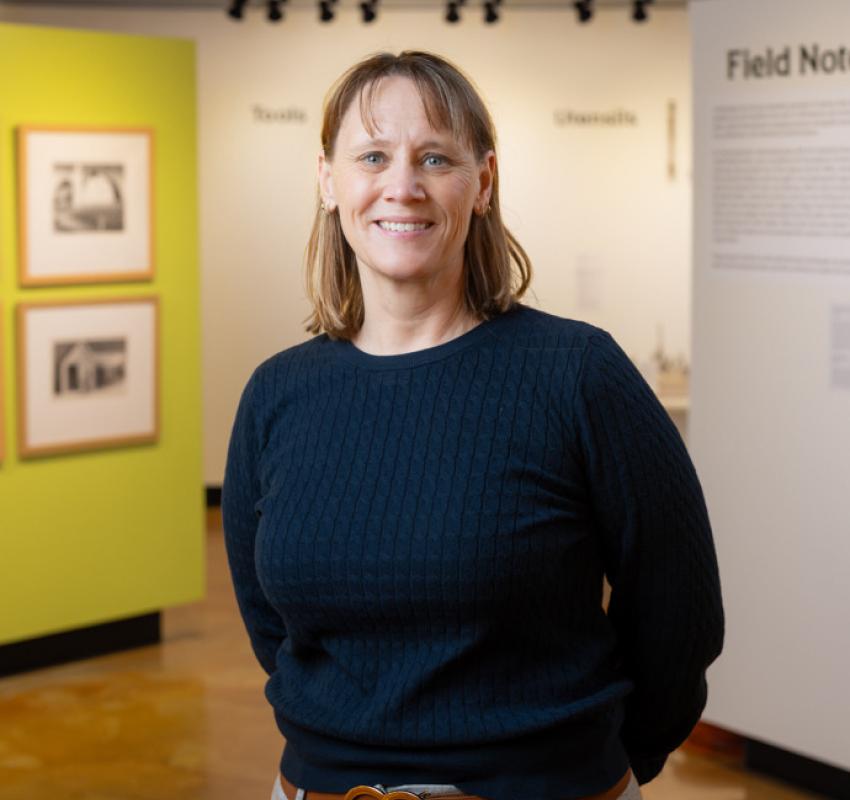
Annalise Rivas
Dr. Annalise Rivas teaches all levels of Russian language at Gustavus, as well as contributing to the Eastern European & Eurasian Studies and Comparative Literature programs through courses on Eurasian culture, film, media, and literature. Her scholarly interests focus on pedagogical practices in the teaching of foreign languages, particularly the use of authentic literary texts in building language proficiency. In addition to language pedagogy, Annalise recently focused her scholarly efforts on diversifying and amplifying the voices of Russian speakers from outside of the Russian Federation, including receiving a fellowship to spend time in Central Asia learning more about variations in Russian language use. Prior to arriving at Gustavus, Annalise lived and worked in several different countries, sparking a curiosity and love of travel that she strives to share with students through telling stories, cooking regional foods, and encouraging international experiences.
Our People
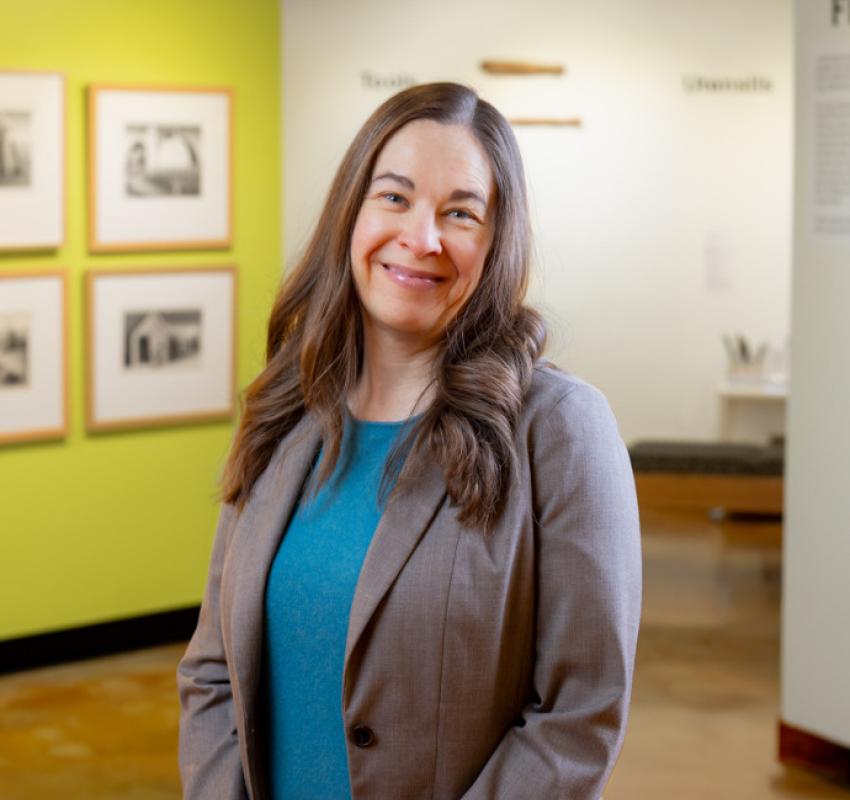
Kathleen Keller
Kathleen Keller is a professor of History. Keller’s research specialization is in the history of France and West Africa in the twentieth century. Keller did research in archives in Paris, Aix-en-Provence, France and Dakar, Senegal to write her first book, “Colonial Suspects: Suspicion, Imperial Rule, and Colonial Society in Interwar French West Africa.” This book, published by University of Nebraska Press uses police sources to understand police surveillance, anti-colonial activity, and the cosmopolitan society that emerged in the cities of French West Africa in the 1920s and 1930s.
Keller’s latest book project, “A Magnificent Fraud: An African Life in Twentieth Century France,” under contract with Louisiana State University Press, considers the life of Alioune Kane, an African migrant to France who reinvented himself many times over decades, especially during the German occupation during World War II. The book manuscript provides new insight into what it meant to be a Black Frenchmen and traces the story through the Second World War when Kane faced dangerous choices.
Keller has published academic articles in the journals French Historical Studies, French Colonial History, and the Oxford Research Encyclopedia of African History. She has also published public history essays in the Washington Post.
Keller’s teaching at Gustavus covers a wide range of topics in world, imperial, European, African, and women’s history. Her favorite courses to teach delve into complex and morally fraught moments of twentieth century history—France under Nazi Occupation and South Africa and Apartheid. She most enjoys working with students to improve their writing and to find research topics that match their personal interests.
At Gustavus since 2011, Keller also serves as the director of the African/African Diaspora Studies program and director of Writing across the Curriculum.
Our People
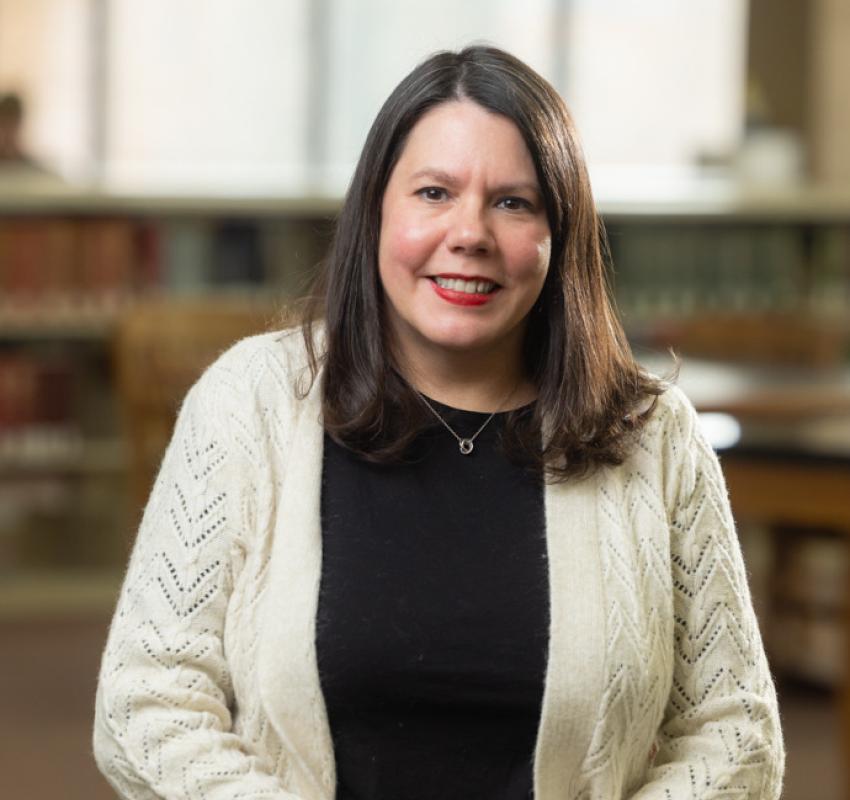
Patrick Heath
Patrick is a counseling psychologist with an interest in help-seeking behaviors, positive psychology, and psychological measurement. His recent research focused on how social and cultural factors (e.g., stigma, gender role expectations) serve as barriers to seeking out mental health care, and how positive psychological factors (e.g., self-compassion, self-affirmation) could promote seeking help. Recently, Patrick has been working on the development of brief interventions that could reduce the impact of help-seeking barriers. In addition to this work, Patrick examines the reliability and validity of psychological measures across cultures to ensure that these measures can be used in cross-cultural research. Patrick utilizes advanced statistical methodology to examine these topics, like structural equation modeling and measurement invariance testing.
Our People
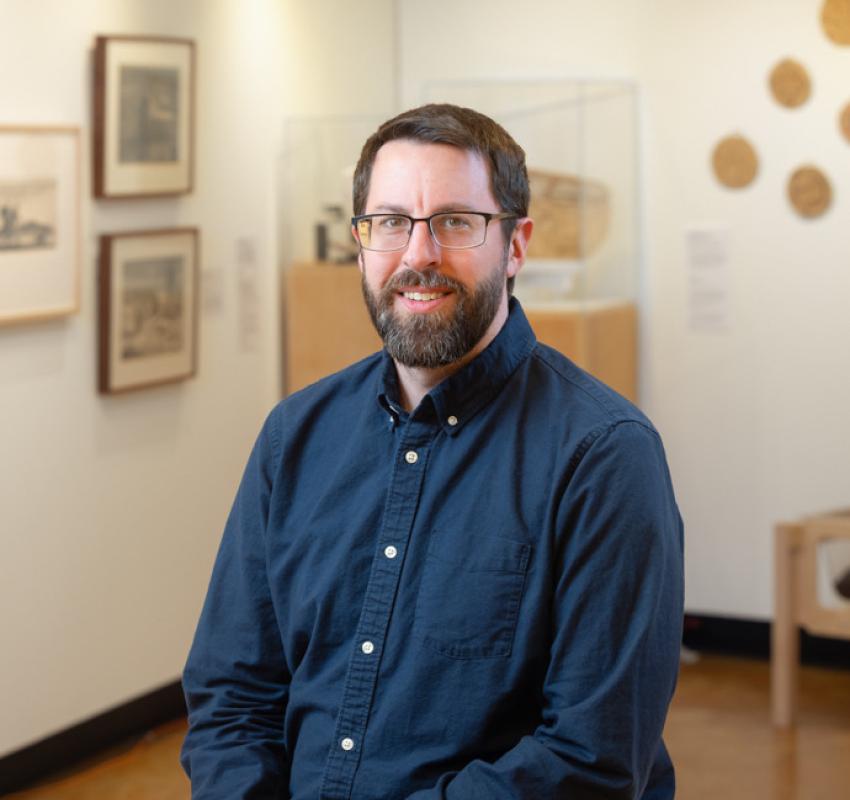
Mary McHugh
Mary R. McHugh is a Professor in the Department of Greek, Latin, and Classical Studies. She is a social historian whose wide-ranging scholarship encompasses political history, intellectual and cultural cross-pollination, and the history of food production and culture. A recently published chapter examines how Plato’s Timaeus shaped conceptions of time and cosmology within the intellectual milieu of Western Greece. McHugh argues that its call for cosmological models influenced a tradition of mathematical and mechanical innovation, from Archimedes’ devices to medieval and Renaissance astronomical clocks.
McHugh is adept at pursuing leads and situating the particular within its broader context. She has taught courses at all levels of Greek and Latin to those spanning Near Eastern and Greco-Roman history to Chinese and Islamic cultural exchanges with the West. She also teaches courses in art and archaeology, bringing her expertise in material culture directly into her research.
Our People
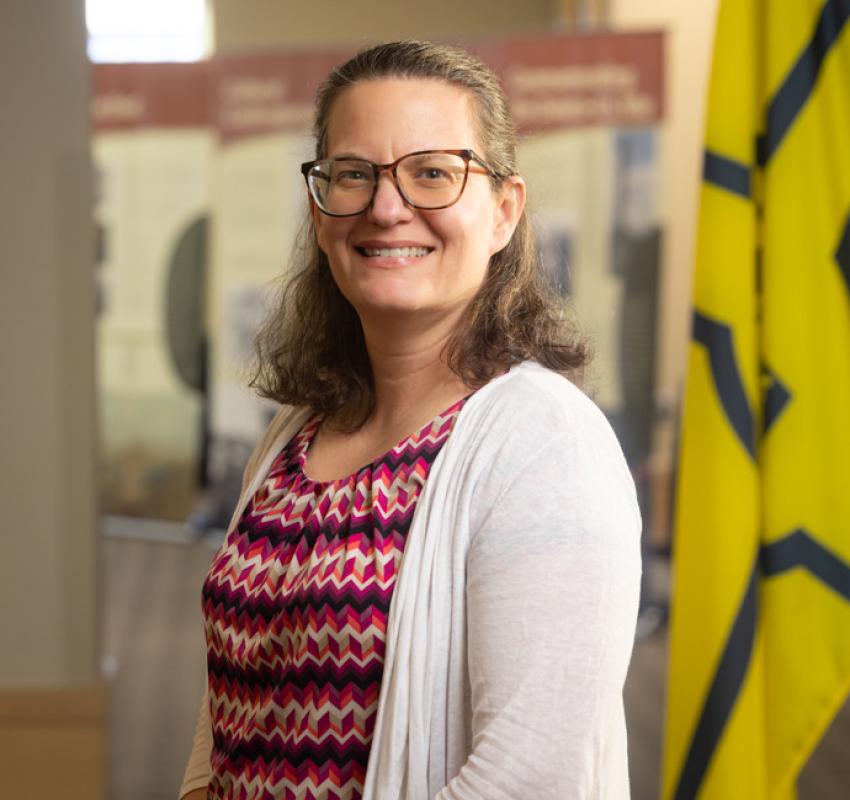
Amanda Nienow
Dr. Amanda Nienow began her Gustavus career in 2007, in the department of chemistry. She obtained her PhD in (Physical) Chemistry at the University of Minnesota and completed a brief post-doctoral fellowship at Purdue University in West Lafayette, IN. In 2013, she was promoted to Associate Professor and in 2018, was promoted to Professor. She has authored multiple peer-reviewed publications with undergraduate students related to environmental fate and photochemistry of herbicides. She recently won the Janet Anderson Award from the Midstates Consortium for Math and Sciences for her work mentoring students in undergraduate research. Dr. Nienow served as co-chair of the Chemistry Department from 2015-2020 and 2023-2026 with Dr. Dwight Stoll. She currently serves as the Director of Undergraduate Research and regularly teaches SIG-370, Signature Experience - Research along with physical chemistry courses.
Our People
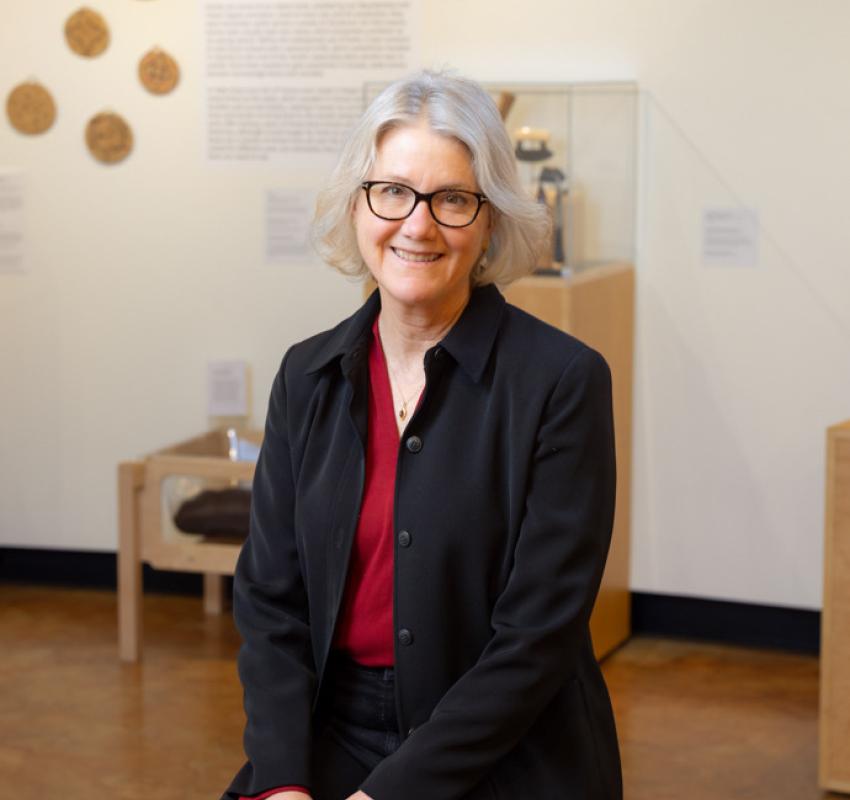
Pamela Kittelson
Professor Pamela Kittelson enjoys collaborating with students and colleagues. Her teaching has focused on ecology, plant physiology, evolution and general biology. Over 35 undergraduates from her lab have examined how habitat fragmentation affects plant populations, specifically how genetic variation, herbivory and plant traits change with population size and isolation. Students in her lab have published or presented this work and built scientific skills in writing, experimental design and analysis. After graduation, her advisees and former research students excel in careers ranging from natural resource management to education, research, medicine, biotechnology, law, and scientific writing.
Dr. Kittelson is the director of the Gustavus Fellowships Office. She supports and encourages all undergraduates by helping them identify and apply for nationally competitive funding which furthers their goals while in college or as alumni. These organizations include the Fulbright U.S. Student Program, Critical Language Scholarship, National Science Foundation, and the Goldwater, Truman, Udall and Boren Scholarships.
She also serves as the Director of the Midstates Consortium for Math and Science, which is an organization that promotes excellence in STEM research and teaching. She organizes professional development programs for faculty and undergraduate students from ten liberal arts colleges and two research universities. Each year, she runs two undergraduate research conferences where Gustavus and other Consortium students present their research at the University of Chicago or Washington University in St. Louis.
As a first generation college graduate, Dr. Kittelson understands the importance of having a good mentor who encourages one’s education. She enjoys the advising and mentoring relationships she has built with Gusties over the years.
Pamela relishes opportunities to be in natural areas with students; she has led students on several travel and wilderness courses. In her spare time, she enjoys hiking, canoeing, going fast downhill on skis or a bike, and camping. She putters around in gardens, museums or while watching birds. Travel near and wide is treasured. She relaxes with good books or music and the company of friends.
Our People
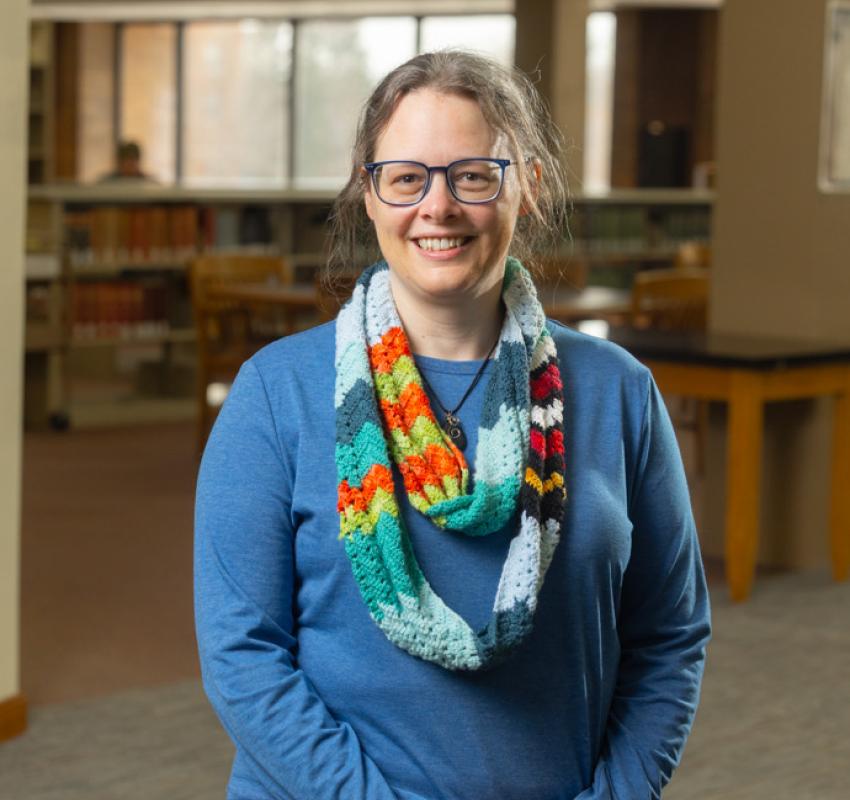
Julie Gilbert
Professor Julie Gilbert teaches information literacy to students across the curriculum. Her work is grounded in a deep belief that libraries play a vital role in student learning, wellbeing, and belonging, and that equitable access to information is fundamental to academic success and civic engagement. Through her teaching, research, and service, she is committed to making libraries and information accessible to all members of the campus community.
As an educator, Julie collaborates with faculty across disciplines to design instruction that supports students at every stage of their academic journey. Her teaching focuses on critical thinking, research strategies, source evaluation, and the ethical use of information in an increasingly complex landscape. She is especially passionate about demystifying research for students who may feel uncertain or overwhelmed by academic inquiry, and she strives to create learning environments that are inclusive, welcoming, and student-centered. By meeting students where they are, she helps them build confidence as researchers and lifelong learners.
In addition to her academic work, Julie is an award-winning author of books for young readers. Her writing reflects a lifelong engagement with libraries, storytelling, and literacy, and she brings this creative perspective into her teaching and librarianship. She believes strongly in the value of reading for pleasure and its role in intellectual growth, empathy, and wellness. In her role at the library, she takes particular pride in developing and curating collections, with a special emphasis on building vibrant, relevant current fiction holdings that invite students into the library as a place of discovery, connection, and enjoyment.
Julie’s research interests are interdisciplinary and evolving, reflecting the broad and changing role of libraries in higher education. She is especially interested in libraries as wellness spaces and in the ways library environments, services, and collections support not only academic achievement but also mental health, reflection, and community connection. Her work explores how libraries contribute to a holistic student experience and reinforce their importance as both intellectual and restorative centers of campus life.
A certified meditation teacher, Julie also coordinates the Gustavus Meditation Program. Through this work, she integrates contemplative practices into the academic environment and supports students, faculty, and staff in cultivating mindfulness, resilience, and balance. Whether teaching in the classroom, developing collections, supporting research, or leading meditation sessions, Julie’s work is guided by a belief in the transformative power of libraries and learning, and their central role in shaping a meaningful and supportive student experience.
Our People
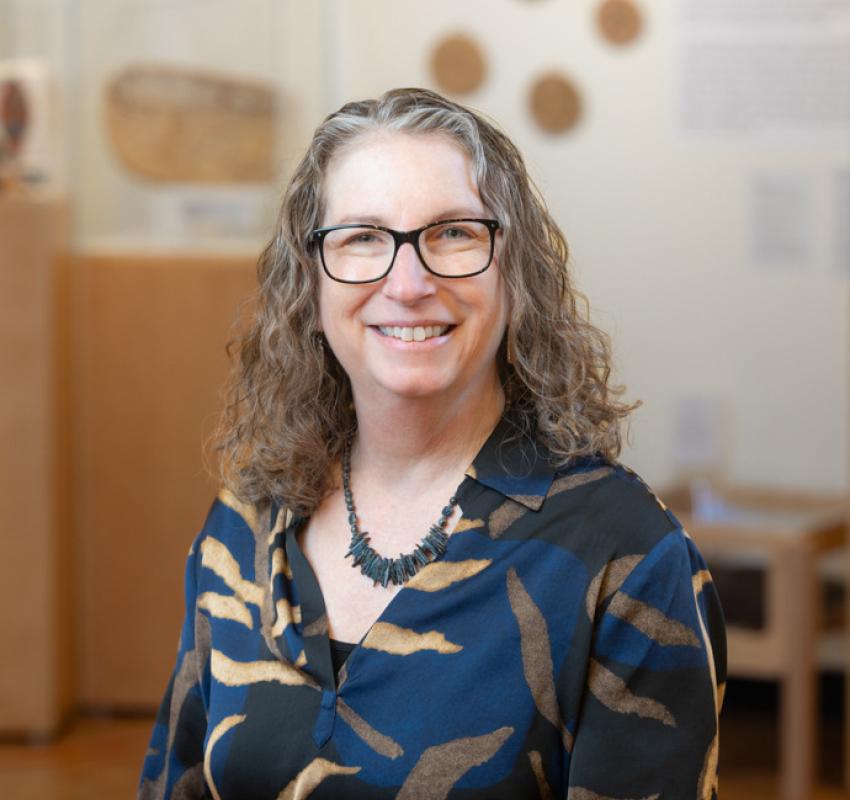
Julia Bartley
As a Professor in the Department of Environment, Geography, and Earth Sciences (EGE), Julie K. Bartley teaches courses in the Geology and Environmental Studies programs. With a background in chemistry and geology, Professor Bartley brings an interdisciplinary perspective to the study of the Earth’s past and present. As a teacher, she strives to know her students as individuals and to inspire interest in the Earth’s past and care for its future. She has also held significant leadership roles at Gustavus, including serving as chair of EGE, as the project director for the Inclusive Excellence Project, and as Associate Provost and Dean of Sciences and Education.
Professor Bartley’s expertise lies in interpreting ancient environments, with a particular focus on the Precambrian. Her research explores how microbial communities shaped and were shaped by the environments in which they lived. She and her students study the fossil record and the chemical signatures left by life hundreds of millions or even billions of years ago. At Gustavus, she actively involves students in this discovery process, supervising numerous undergraduate research projects that range from evaluating stromatolites in Minnesota to analyzing the Martian surface signs of habitability.
Students who collaborate with Professor Bartley might conduct fieldwork, perform laboratory analyses, analyze imagery, work with databases, or some combination of these. In the classroom, Professor Bartley teaches a wide array of courses taken by students across campus. Her teaching philosophy is characterized by a commitment to effective and inclusive instruction and a firm belief that every student is equipped to succeed. Whether a geology major, a general education student, or a first-semester Gustie, students can expect to take an active role in class, have many opportunities for hands-on experiences, and be challenged to grow as they learn.
Beyond her teaching and research, Professor Bartley serves Gustavus and the broader scientific community in many ways. She recently served as the Faculty Shepherd for the Nobel Hall of Science renovation and addition project and has co-chaired the Nobel Conference. She is a trained facilitator for two national programs: the ADVANCEGeo Partnership, which aims to improve workplace climate in the geosciences, and the Traveling Workshop Program, whose workshops help strengthen geoscience departments.
As the curator of the Chester Johnson Geology Museum, Professor Bartley regularly shares her passion for geology with K-12 students and the public. Whether leading fossil collecting field trips or presenting to local community organizations, she enjoys helping others see the landscape as a "time machine." Her dedication to service was recently honored with the Gustavus Faculty Service Award.
Outside of her professional life, she has served as the chair of a local charter school board and remains an active member of several professional societies, including the Geological Society of America, the National Association of Geoscience Teachers, and the Association of Women Geoscientists.
Our People
Heidi Meyer
Heidi M. Meyer is Associate Professor of Nursing and currently serves as the Chief Nursing Administrator for the Department of Nursing. A proud Gustavus alumna, she brings to her work a deep commitment to the College’s liberal arts mission and to preparing graduates who have strong clinical reasoning abilities, are intellectually curious, and grounded in compassionate care. She teaches across the nursing curriculum and at times contributes to interdisciplinary offerings, including the Public Health minor. Recent courses include Public Health Nursing, Transitions to Professional Practice, Capstone Clinical, Research and Ethics, and a May study-away course, Health Across Borders: Exploring Social Determinants of Health in Sweden and the U.S.
Dr. Meyer’s scholarly expertise centers on emotional intelligence, clinical reasoning, and innovative teaching strategies in nursing education. Her doctoral work examined the relationship between emotional intelligence and clinical reasoning in senior nursing students, and she is certified in the Mayer-Salovey-Caruso Emotional Intelligence Test (MSCEIT). Her research has been published in peer-reviewed journals and presented at national and international conferences, including the American Association of Colleges of Nursing (AACN), the Midwest Nursing Research Society (MNRS), and the International Nursing Association for Clinical Simulation and Learning (INACSL). She has also contributed to multisite studies focused on simulation debriefing and the development of clinical judgment in baccalaureate nursing education.
A strong advocate for active, experiential learning, Dr. Meyer has been recognized with competitive grants and scholarships that have advanced simulation-based education and strengthened the integration of clinical reasoning across the curriculum. Her teaching is informed by a belief that learning is relational and reflective; she challenges students to move beyond memorization toward deep understanding, emotional awareness, and sound professional judgment. She is particularly passionate about helping students integrate the science of nursing with the human experience of care.
At Gustavus, Dr. Meyer has served in numerous leadership roles, including Department Chair/Chief Nursing Administrator and Faculty Senate representative. She contributes to college-wide initiatives related to academic affairs, strategic planning, accreditation, and wellbeing. She is an internal facilitator for the Nursing National Advisory Board and serves on the Public Health Minor Advisory Board. Beyond campus, she is active in the Minnesota Association of Colleges of Nursing, currently serving in a leadership capacity, and has completed Commission on Collegiate Nursing Education (CCNE) evaluator training.
Dr. Meyer’s favorite aspect of her work is mentoring students and faculty—whether guiding independent student research, supporting future nurse educators as a graduate preceptor, or walking alongside seniors as they transition into professional practice. She values the close-knit Gustavus community and the opportunity to know students not only as learners, but as whole people with unique goals and gifts.