Our People
Jeff Jenson
Jeff Jenson joined Gustavus in August 2007, bringing extensive experience in archives development, public service, and education. In his role, he is dedicated to building and strengthening archival collections, improving access to historical materials, and ensuring the long-term preservation of vital records. Deeply committed to public service and education, he works to connect communities with information resources and assists researchers in fostering meaningful engagement with archival materials. He also collaborates closely with faculty and students, developing instructional sessions that promote the effective use of primary sources and research tools in academic settings.
Embracing the diverse nature of the liberal arts tradition, Jenson’s research interests span a wide range of topics, with his most recent publications and presentations exploring the history of timber rattlesnakes in Minnesota. He is an active member of the archival and library communities, presenting or facilitating sessions at the Midwest Archives Conference, Twin Cities Archives Round Table (TCART), Brick & Click Academic Library Conference, and the ACRL Conference. In addition, Jeff serves as a researcher with the DNA Doe Project.
Beyond his professional affiliations, Jenson is heavily involved in institutional leadership at the College. He has served as Chair of the Library and Archives Department and actively contributes to the campus community through his service on numerous faculty committees. His campus involvement has included roles on the Faculty Senate, the Adjudication Board, Third-Year Review Committee, as a Liberal Arts Search Committee Representative for several searches, and as a faculty representative on the Conduct Board.
Our People
Thomas LoFaro
Thomas LoFaro is a Professor of Mathematics. He specializes in applications of dynamical systems to mathematical biology. He has had multiple cross-disciplinary scholarly collaborations in his career working with biologists, neuroscientists, and computer scientists. He is currently an Associate in the Institute for the Interdisciplinary Study of Decision Making at New York University. Thomas has recently co-authored the textbook Discovering Differential Equations Through Experiment & Inquiry with Professor Jeff Ford.
Professor LoFaro teaches a wide variety of mathematics courses in the MCS department but especially enjoys teaching any class with an applied mathematics focus. He has taught at Gustavus since 2000 and has served the College in many capacities including multiple terms chairing the MCS Department. In 2019 he was awarded the college's Faculty Service Award for exceptional service and dedication.
Our People
Daniel Moos
Daniel C. Moos (PhD) is a professor of Education where he teaches courses in developmental and educational psychology, educational technology, and the supervision of student teachers. His work centers on understanding how students learn, particularly through the lenses of motivation, metacognition, and self-regulated learning, and how these processes can be intentionally supported through instruction and assessment.
Dr. Moos’s scholarship focuses on self-regulated learning in classroom and technology-rich environments. His research examines how learners plan, monitor, and evaluate their thinking, and how instructional design, feedback, and classroom technology can foster deeper learning. He has published extensively in leading journals and edited volumes in educational psychology, learning sciences, and educational technology, and he has collaborated frequently with undergraduate students as research co-authors. His work is nationally and internationally recognized, including invited keynote and symposium presentations and service in leadership roles within professional organizations focused on self-regulated learning.
At Gustavus, he is deeply committed to teacher preparation and evidence-based teaching. He works closely with pre-service teachers as they learn to design instruction, integrate technology meaningfully, and use assessment to support student learning. His teaching philosophy emphasizes helping future educators become reflective practitioners who understand how students learn and who can adapt instruction to meet diverse learner needs. He is particularly interested in bridging theory and practice, ensuring that research on learning, motivation, and assessment is accessible and useful for teachers in real classrooms.
In addition to his teaching and research, Dr. Moos has held several institution-wide leadership and service roles at Gustavus. These include serving as department chair, college assessment director, faculty associate for teaching excellence, and assessment coordinator for the Education Department. Through this work, he has supported faculty development, program assessment, accreditation efforts, and conversations about effective teaching and learning across the college.
Dr. Moos also contributes extensively to the broader field of education through editorial board service, grant advisory work, external reviews, and mentoring early-career scholars. He is regularly involved in reviewing research for major journals and supporting national initiatives related to self-regulated learning and teacher education. Before entering higher education, Dr. Moos was an elementary and middle school teacher, an experience that continues to shape his teaching, research, and commitment to teacher education. Outside of Gustavus, he enjoys staying active, following youth and collegiate athletics, and spending time with his family. He values the close-knit academic community at Gustavus and especially enjoys working with students as they develop into thoughtful educators and lifelong learners.
Our People
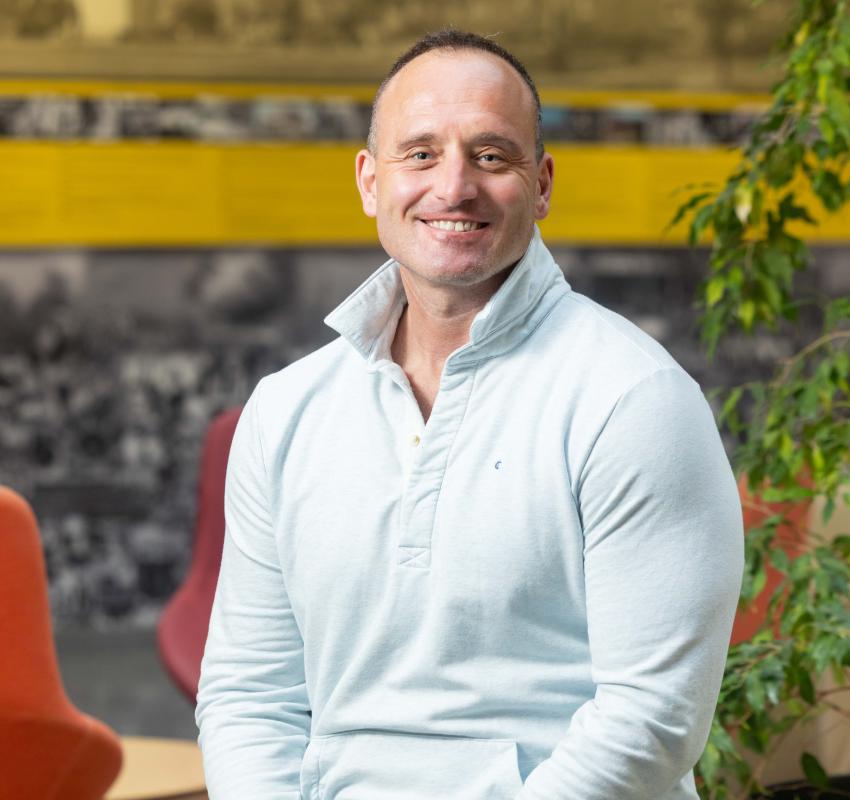
John Tengwall
Mr. Tengwall is a visiting professor in the Department of Business & Economics, where he engages students on a range of topics including Management & Leadership, Business Models & Growth Strategy, Sales & Marketing, and Supply Chain/Operations Management. He also serves on the Boards of two companies and provides management consulting services to a range of businesses.
Previously, Mr. Tengwall had a 12-year career with the Marmon Group, a Berkshire Hathaway Company. During this time he was President of EcoWater Systems LLC (2019 – 2024), a leading North American manufacturer and marketer of residential and light commercial water softening and filtration systems. Prior to that, he was president of Marmon Food & Beverage Solutions Group (2013 – 2019), which was comprised of two different businesses, Marmon Link and Marmon Renew. Marmon Link (previous dba 3Wire Group Inc) is a provider of parts, training and service for foodservice and beverage dispensing equipment. Marmon Renew is a re-manufacturer of commercial beverage dispensing and related foodservice equipment.
Prior to his executive leadership roles with Marmon/Berkshire Hathaway, he had a 17-year career with Ecolab (NYSE: ECL). There he held several progressively more responsible leadership roles in the Institutional and Food & Beverage operating divisions. He led the marketing function for both business segments and engaged in multiple acquisitions as part of the overall business growth strategy.
Mr. Tengwall began his career as a microbiologist in the Sterilization Technology & Process Control Validation group at The Upjohn Company (now Pfizer). He then pivoted into marketing and business development roles with IMI Cornelius Inc., a subsidiary (at the time) of IMI plc.

Our People
Maddalena Marinari
Maddalena Marinari is a Professor of History and the Dorothy Peterson, Mildred Peterson Hanson, and Arthur Jennings Hanson Endowed Professor of Liberal Studies. She is the author of Unwanted: Italian and Jewish Mobilization Against Restrictive Immigration Laws, 1882–1965 (University of North Carolina Press, 2020) and of several articles on immigration restriction, U.S. immigration policy, and immigrant mobilization in the Journal of American History, Journal of Policy History, Journal of American Ethnic History, Journal of the Gilded Age and Progressive Era, and Social Science History Journal. She has also co-edited four volumes on different aspects of US immigration history in the twentieth century, a special issue of the Journal of American History on the centennials of the immigration restriction acts of the 1920s, and a special issue of the Journal of American Ethnic History on migration and citizenship. Her next book explores the history of family, marriage, and sexuality in U.S. immigration policy from 1875 to 2025. She is also one of the scholars who created the Immigration Syllabus, an online tool for anyone interested in understanding the history behind current debates on immigration, and of Immigrants in COVID America, a curated collection of resources that chronicles the impact of the pandemic on migrant and refugee communities in the United States. Professor Marinari is currently president of the Immigration and Ethnic History Society and Editor in Chief of the Oxford Research Encyclopedia of Migration Studies. She has received funding from the American Philosophical Society, the Gilder Lehrman Institute of American History, the Immigration History Research Center, the Social Science Research Council, and the American Society for Legal History for her research and her public projects.
At Gustavus, she teaches a broad range of courses in U.S. history since 1865 and is an active member of the community. Her service to the College includes her tenure on the Faculty Senate and the Personnel Committee as well as her roles as the Kendall Center Associate for Faculty, Research, and Scholarship and as the Kendall Center Associate for Excellence in Teaching. In 2023, she received the Gustavus Faculty Service Award for her work on the Faculty Task Force. In 2021, Gustavus Adolphus College awarded her the Gustavus Faculty Scholarly Accomplishment Award in recognition of her scholarship accomplishments.
Our People
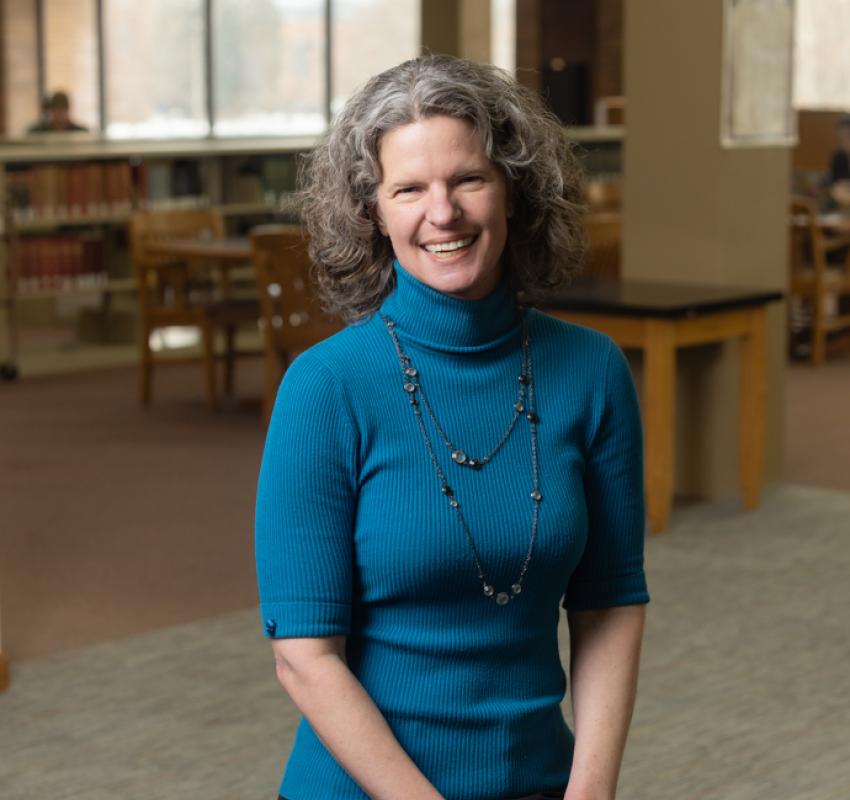
Julie Gilbert
Professor Julie Gilbert teaches information literacy to students across the curriculum. Her work is grounded in a deep belief that libraries play a vital role in student learning, wellbeing, and belonging, and that equitable access to information is fundamental to academic success and civic engagement. Through her teaching, research, and service, she is committed to making libraries and information accessible to all members of the campus community.
As an educator, Julie collaborates with faculty across disciplines to design instruction that supports students at every stage of their academic journey. Her teaching focuses on critical thinking, research strategies, source evaluation, and the ethical use of information in an increasingly complex landscape. She is especially passionate about demystifying research for students who may feel uncertain or overwhelmed by academic inquiry, and she strives to create learning environments that are inclusive, welcoming, and student-centered. By meeting students where they are, she helps them build confidence as researchers and lifelong learners.
In addition to her academic work, Julie is an award-winning author of books for young readers. Her writing reflects a lifelong engagement with libraries, storytelling, and literacy, and she brings this creative perspective into her teaching and librarianship. She believes strongly in the value of reading for pleasure and its role in intellectual growth, empathy, and wellness. In her role at the library, she takes particular pride in developing and curating collections, with a special emphasis on building vibrant, relevant current fiction holdings that invite students into the library as a place of discovery, connection, and enjoyment.
Julie’s research interests are interdisciplinary and evolving, reflecting the broad and changing role of libraries in higher education. She is especially interested in libraries as wellness spaces and in the ways library environments, services, and collections support not only academic achievement but also mental health, reflection, and community connection. Her work explores how libraries contribute to a holistic student experience and reinforce their importance as both intellectual and restorative centers of campus life.
A certified meditation teacher, Julie also coordinates the Gustavus Meditation Program. Through this work, she integrates contemplative practices into the academic environment and supports students, faculty, and staff in cultivating mindfulness, resilience, and balance. Whether teaching in the classroom, developing collections, supporting research, or leading meditation sessions, Julie’s work is guided by a belief in the transformative power of libraries and learning, and their central role in shaping a meaningful and supportive student experience.
Our People
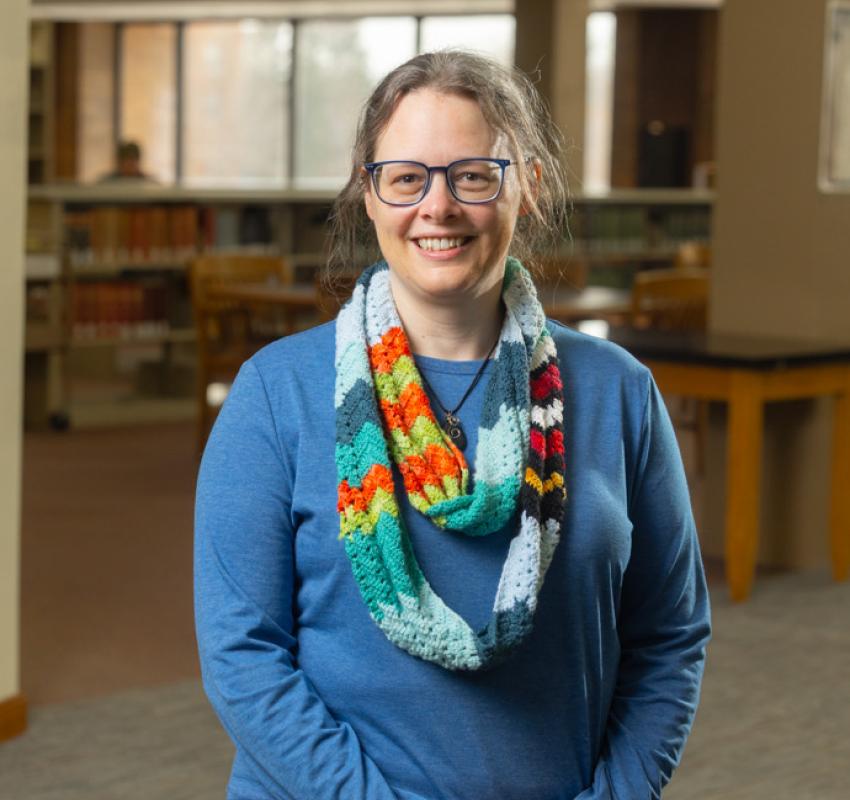
Lisa Heldke
Lisa Heldke teaches in the philosophy department and the gender, women and sexuality studies program, of which she was a founding faculty member. Among her favorite courses to teach are modern philosophy (which, believe it or not, focuses on the eighteenth century); aesthetics; and gender, knowledge and reality. But her real passion is the philosophy of food, which she holds in the teaching kitchen of the Nobel Hall of Science, where students can cook together each week.
The philosophy of food is not only a teaching passion, it has also been a focus of much of her service work on campus. She is the co-founder of the Kitchen Cabinet, an advisory committee to the Gustavus Dining Service that works to enhance the ways it serves the mission of the College. The committee includes representation from all the campus constituencies, including students.
Food is also the focus of Heldke’s scholarly research; she is one of the first contemporary philosophers to treat food as a serious philosophical topic. She is the author or editor of a number of books in the field, including Philosophers at Table: On Food and Being Human; Exotic Appetites: Ruminations of a Food Adventurer; Cooking, Eating Thinking: Transformative Philosophies of Food; and (most recently) Parasitic Personhood and the Ontology of Eating. Her research has led to her being invited to teach each year in a master’s program at the University of Gastronomic Sciences in Pollenzo, Italy, a kind of “liberal arts college of food” founded by the Slow Food founder Carlo Petrini. Her scholarly work has also garnered her awards from the Agriculture, Food and Human Values Society and the John Dewey Society.
For ten years, she served as director of Gustavus’s Nobel Conference, a role she described as being the “chief learner” for this science-and-ethics extravaganza which is a highlight of the Gustavus academic year, and has brought more than 100 Nobel laureates to campus.
Her newest book project bears the working title “Yurtitude is Experience”; it’s a philosophical exploration of her summertime life in a yurt on the coast of Maine where she lives (mostly) off the grid with her Siberian husky, writing, baking bread in a wood-fired brick oven, and kayaking and sailing in Eggemoggin Reach. Winter finds her and her husky skijoring in the Gustavus Arboretum whenever the snow cover allows.
Our People
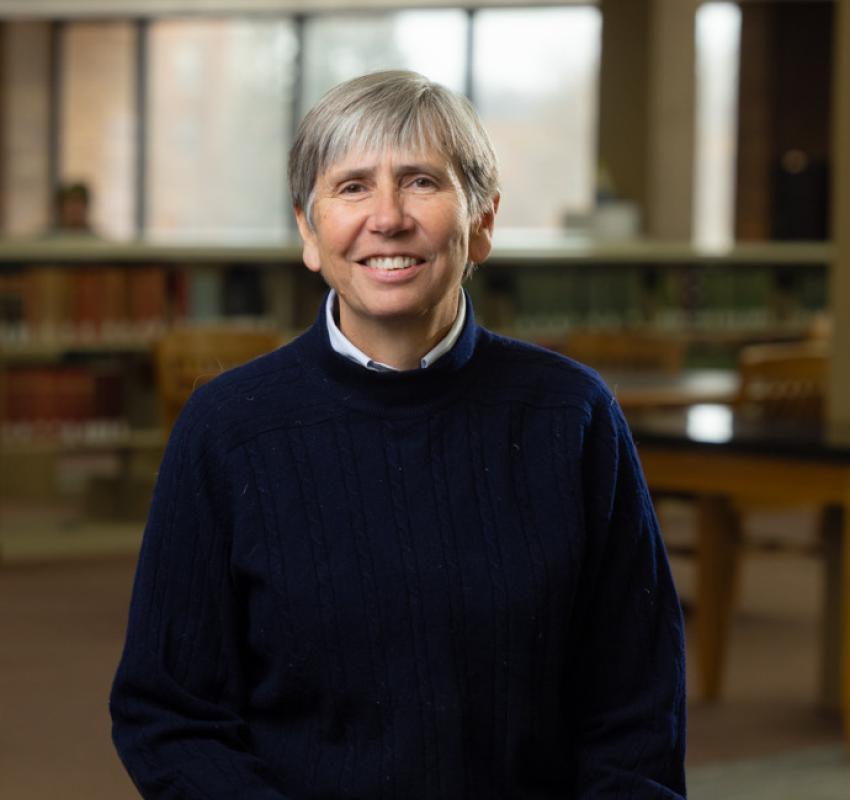
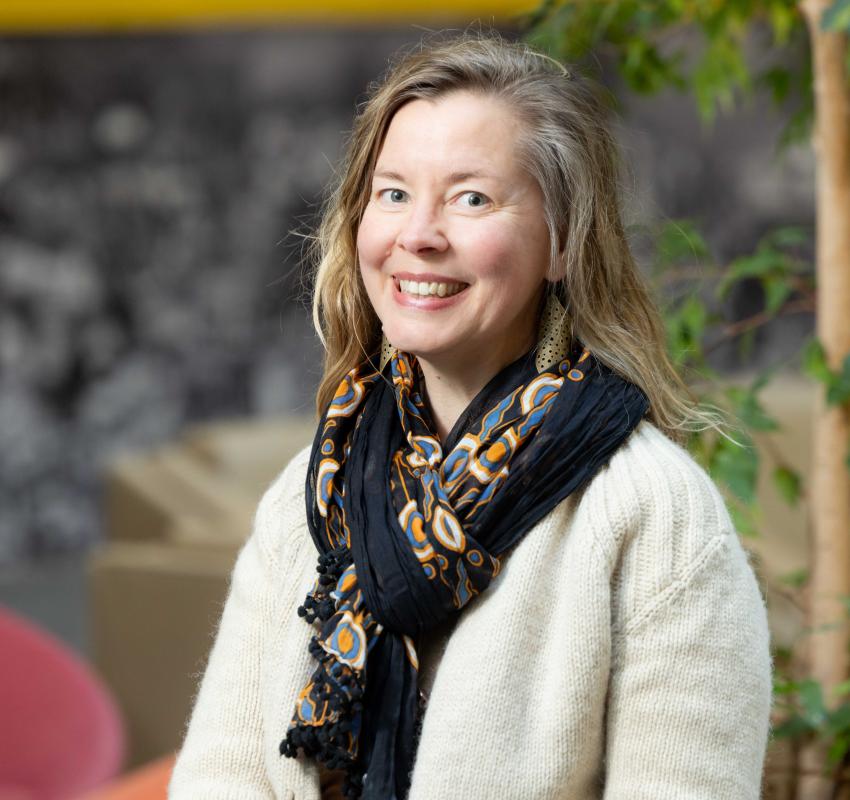
Kjerstin Moody
Kjerstin Moody (PhD) is an associate professor and chair of the Department of Scandinavian Studies. She teaches courses in English on contemporary Nordic society, politics, cultures, literature, film, and art, as well as beginning through advanced courses in Swedish. Her published scholarship and current research includes: 20th century and contemporary Nordic poetry, literatures of migration and the environment, women’s writing, and Nordic film. Service at the national level includes the Modern Language Association's CLCS Nordic Forum, Fulbright National Selection Committee, and American Literary Translators Association, as well as peer reviewer for numerous international and national scholarly journals. Affiliate faculty in Comparative Literature, Environmental Studies, and Gender, Women, and Sexuality Studies at Gustavus. Her work has been supported by the National Endowment for the Humanities, Fulbright, American Scandinavian Foundation, and U.S. Department of Education.
Our People
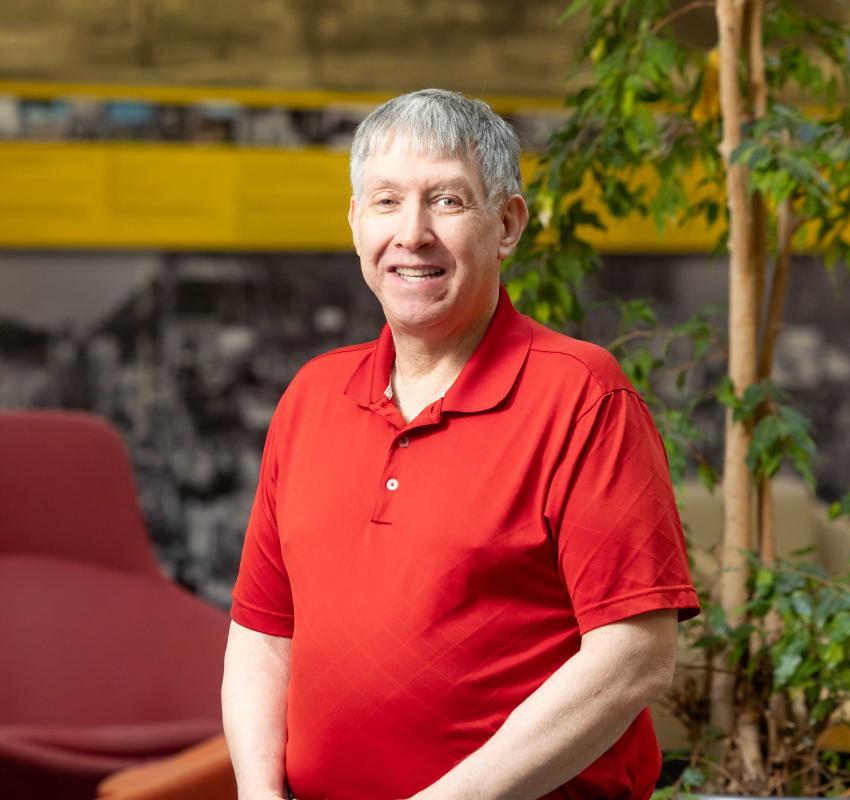
Chris Gilbert
Christopher P. Gilbert is a Professor of Political Science and director of the Social Studies Teaching major. From 2026 through 2029 he serves as the Dr. James McPherson Endowed Professor of American History. His scholarly and teaching interests center on religion in US politics, elections and political behavior, research methods, constitutional law, and US state and local politics. In 1991 Gilbert won the American Political Science Association’s E.E. Schattschneider Award for best dissertation in the field of American government. He has published four books and multiple scholarly articles and book chapters. At Gustavus he is the recipient of the Edgar M. Carlson Award for Distinguished Teaching, the Swenson-Bunn Award for Teaching Excellence, the Faculty Scholarly Achievement Award, and the Faculty Service Award. Gilbert’s classrooms are student-centered and discussion-oriented, working with students to understand the US political system and students’ roles and responsibilities as citizens.
Our People
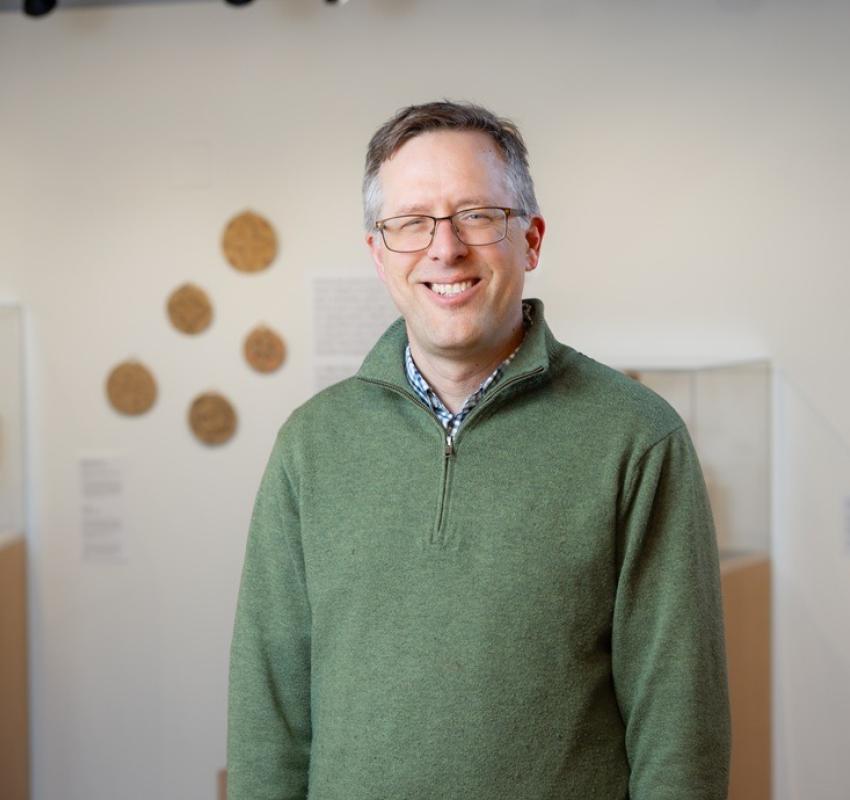
Chad Winterfeldt
Dr. Chad Winterfeldt is Cantor of Christ Chapel where he oversees music in the chapel, teaches music theory and church music, directs the handbell ensembles, and maintains an active organ studio. He has received the Swenson-Bunn Memorial Award for Teaching Excellence, a recognition by which nominations and selections are administered wholly by Gustavus students. Chad holds degrees from the University of Nebraska, Yale University, and Concordia College, Moorhead. A frequent recitalist, he has performed internationally for the Early Music Festival in Wittenberg, Germany, and in solo performances in Leipzig (Thomaskirche) and Naumburg (Wenzelskirche), Germany. Other notable recitals include complete performances of Messiaen’s La Nativité and Bach’s Leipzig Chorales. He collaborates often with the choirs, bands, and orchestras at Gustavus and enjoys liturgical playing for worship services. An active church musician, he is Director of Music at Grace University Lutheran Church in Minneapolis.
Our People
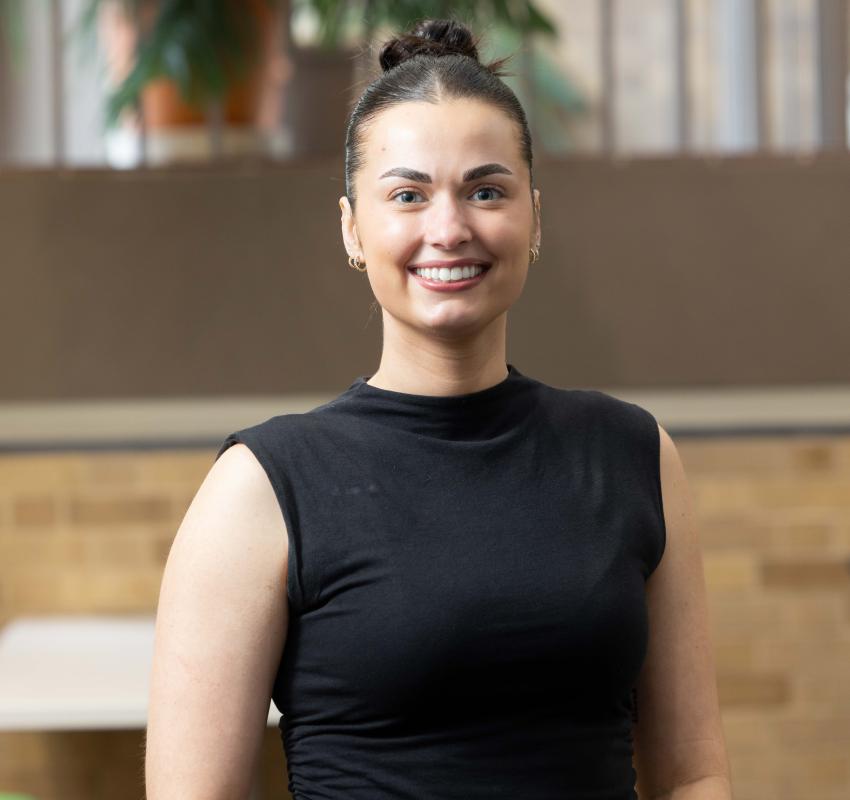
Emma Brunton
Emma Brunton ’19 is an instructor in the Health and Exercise Science Department. She recently returned to her alma mater after receiving her master's in Community Health Education from Minnesota State University, Mankato. Her professional expertise centers on preparing future health and physical education teachers and coaches through evidence-based, purpose-driven practices. Currently, her work focuses on athlete development, leadership training, and incorporating mental health and functional movement into sport. She has led important cross-divisional service initiatives, including the Mental Health Club and Hope Squad, to promote student well-being and support. Brunton received the Golden Apple Award in 2021 and the Section 1A Assistant Coach of the Year award in 2021 and 2025. Outside of academic work, she enjoys weight lifting, painting, reading, and spending time with her husband, family, friends, and dog.
Our People
Sarah Ruble
Sarah Ruble is a Professor of Religion and specializes in the history of Christianity in the United States. She is the author of The Gospel of Freedom and Power: Protestant Missionaries in American Culture After World War II (University of North Carolina Press, 2012). She has also published articles on topics such as gender in U.S. religious history, the American missionary movement, and Lutheran contributions to American religion. Dr. Ruble is also a frequent presenter at adult forums and lifelong learning programs. She has developed two YouTube-based curricula for adult forums, one on the history of Christianity and race in the United States and the other on the development of Christian doctrine. Both are available on her website sarahruble.com.
At Gustavus, Dr. Ruble teaches a broad range of courses in the Religion Department. She also currently serves as the Faculty Director of Assessment and as Gustavus’s Accreditation Liaison Officer. In 2025 she was awarded the Faculty Service Award for her contributions to the Gustavus community.