Our People
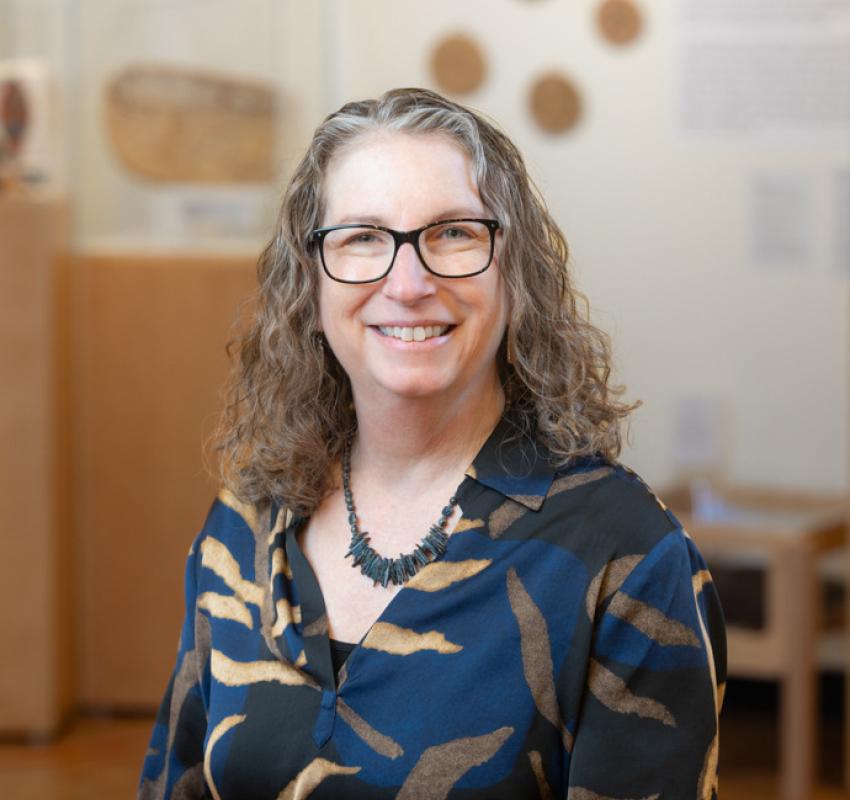
Mary Westby
Mary Westby is the Program Director for the Master of Athletic Training (MAT) program. She is responsible for the oversight of MAT, including working with the Clinical Education Coordinator and Research Coordinator to ensure curricular and clinical development, and implementation of the Commission on Accreditation of Athletic Training Education (CAATE) standards and ensuring the preparedness of students to practice independently upon graduation. She serves as one of the primary advisors for MAT current students and prospective students interested in athletic training. She teaches Foundations in Athletic Training (ATP 500), Clinical Pharmacology (NUR 337 and ATP 537 – a joint course between MAT and Nursing students), and Therapeutic Interventions in Athletic Training I and II (ATP 511 and 512). Her favorite topic to teach is therapeutic modalities – the application of physical agents and manual therapy to treat musculoskeletal injuries. This is also a research interest of hers along with assessment of student learning in athletic training programs.
She is also an Instructor and Instructor Trainer for the American Red Cross, regularly certifying current MAT students, undergraduate students, and campus faculty and staff in various levels of CPR training. As the advisor for the Gustavus Athletic Trainers' Association and Iota Tau Alpha, the national honor society for athletic training, Mary gets the opportunity to encourage community and professional service among the students in the ATP. She enjoys her opportunities to interact with students and other faculty inside and out of the classroom.
Mary is originally from Waconia, MN. She enjoys spending time with her family who are still in the area, including her niece and twin nephews. Mary, her husband and their son enjoy spending summers up north, fishing, and boating. During the long winter months Mary enjoys snowshoeing.
She is a BOC-certified athletic trainer, licensed in the state of Minnesota and a member of the National Athletic Training Association. She is involved in the athletic training profession at the national and state level as a peer reviewer for the CAATE and a member of the Minnesota Athletic Trainers Association (MATA) Governmental Affairs Committee. She is also the co-advisor of the MATA student senate.
Our People
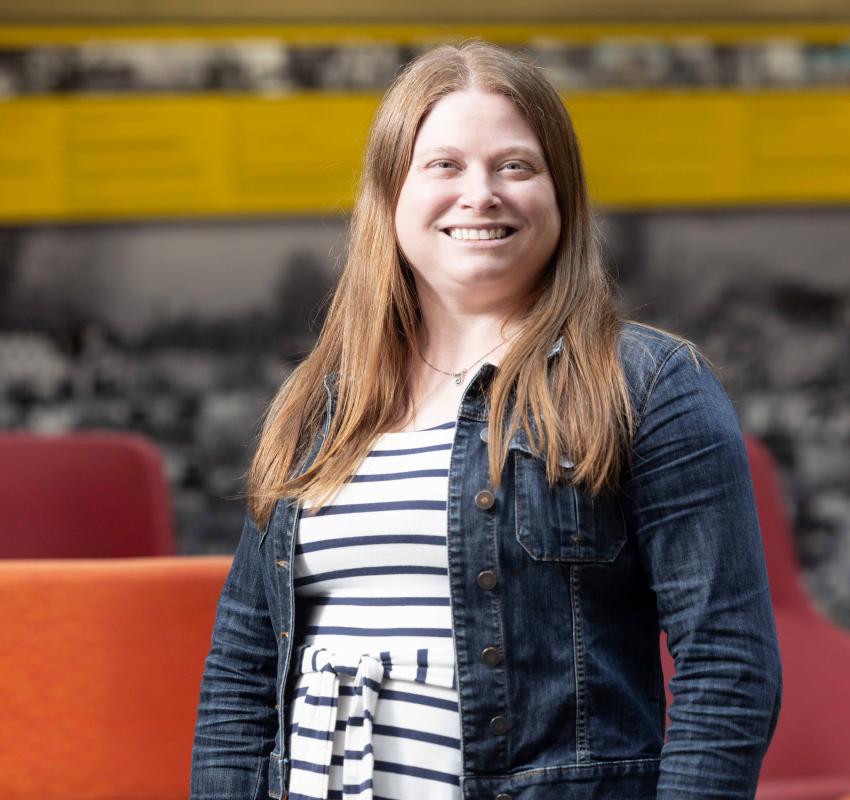
Pamela Kittelson
Professor Pamela Kittelson enjoys collaborating with students and colleagues. Her teaching has focused on ecology, plant physiology, evolution and general biology. Over 35 undergraduates from her lab have examined how habitat fragmentation affects plant populations, specifically how genetic variation, herbivory and plant traits change with population size and isolation. Students in her lab have published or presented this work and built scientific skills in writing, experimental design and analysis. After graduation, her advisees and former research students excel in careers ranging from natural resource management to education, research, medicine, biotechnology, law, and scientific writing.
Dr. Kittelson is the director of the Gustavus Fellowships Office. She supports and encourages all undergraduates by helping them identify and apply for nationally competitive funding which furthers their goals while in college or as alumni. These organizations include the Fulbright U.S. Student Program, Critical Language Scholarship, National Science Foundation, and the Goldwater, Truman, Udall and Boren Scholarships.
She also serves as the Director of the Midstates Consortium for Math and Science, which is an organization that promotes excellence in STEM research and teaching. She organizes professional development programs for faculty and undergraduate students from ten liberal arts colleges and two research universities. Each year, she runs two undergraduate research conferences where Gustavus and other Consortium students present their research at the University of Chicago or Washington University in St. Louis.
As a first generation college graduate, Dr. Kittelson understands the importance of having a good mentor who encourages one’s education. She enjoys the advising and mentoring relationships she has built with Gusties over the years.
Pamela relishes opportunities to be in natural areas with students; she has led students on several travel and wilderness courses. In her spare time, she enjoys hiking, canoeing, going fast downhill on skis or a bike, and camping. She putters around in gardens, museums or while watching birds. Travel near and wide is treasured. She relaxes with good books or music and the company of friends.
Our People
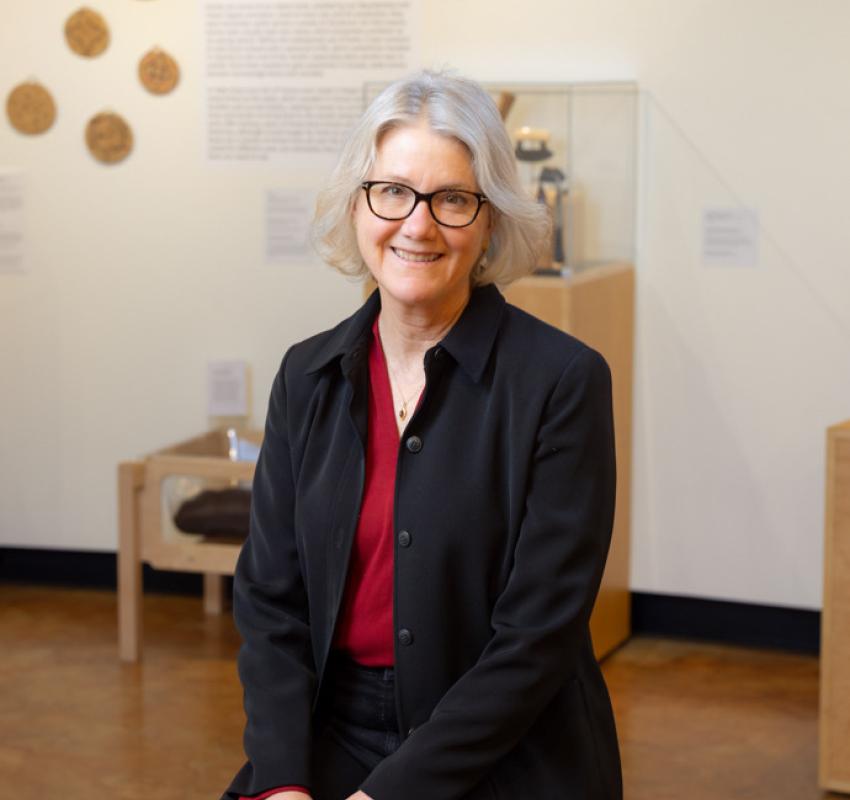
Jessica Stadick
Jessica Stadick is an Associate Professor of Nursing. She teaches across the undergraduate nursing curriculum with expertise in medical-surgical nursing, clinical skills, high-fidelity simulation, and capstone clinical education. Her passion is helping students develop into confident, compassionate, and critically thinking nurses who are prepared to provide exceptional patient care and lead within an ever-changing healthcare system.
Dr. Stadick's teaching integrates evidence-based practice, clinical reasoning, simulation, and interprofessional collaboration to bridge classroom learning with real world nursing practice. She is committed to creating engaging learning environments that challenge students to think deeply, communicate effectively, and care for patients holistically.
Her scholarship focuses on nursing education, interprofessional collaboration, clinical simulation, equity in teaching and learning, and the use of emerging technologies to improve nursing education and healthcare delivery. She has published in peer-reviewed nursing journals, presented nationally on nursing education and collaborative practice, and mentors undergraduate students in research that has been presented at regional, national, and international conferences. Her current work explores innovative teaching strategies, NCLEX-RN preparation, and the integration of artificial intelligence into nursing education and clinical practice.
Maintaining an active clinical practice is central to Dr. Stadick's teaching philosophy. She continues to work as a registered nurse in emergency and urgent care settings, allowing her to bring current clinical experiences, evidence-based practice, and contemporary healthcare challenges directly into the classroom and simulation environment. She is also a certified Trauma Nursing Core Course (TNCC) instructor and serves as a reviewer for several nursing and healthcare education journals.
Beyond teaching, Dr. Stadick is actively involved in faculty governance, mentoring new faculty, supporting undergraduate research, and advancing inclusive excellence across the College. Beyond campus, she serves on the board of the Saint Peter Free Clinic and remains engaged in community health initiatives.
Outside of teaching and nursing, Dr. Stadick enjoys spending time with her family, volunteering in her community, being outdoors, and staying active. She is passionate about lifelong learning and is committed to preparing the next generation of nurses to provide compassionate and evidence-based care.
Vocal - Music
At Gustavus, every student who wishes to sing in a choir has the opportunity. No student is turned away, regardless of their skills or experience. Most students (85 percent) who sing in a choir at Gustavus are not music majors. Choir students represent a variety of academic majors and life interests but share a common passion for choral singing and making music together in community. Whether you are motivated by the desire to travel the world, express yourself through singing, or simply get involved in something outside your major, choir is for you.
Our People
Matthew Panciera
Matt Panciera is an associate professor of Greek, Latin, and Classical Studies. He truly enjoys teaching the languages - all levels of Greek and Latin - in addition to a wide range of classical studies courses; everything from Greek tragedy to Roman history. His research focuses on the incredible treasure trove of information found in the Pompeian graffiti scratched into the walls of the ancient city by its beautifully ordinary inhabitants before it was buried under the eruption of Mount Vesuvius. He is extremely grateful to have been awarded on three occasions a NEH Summer Seminar for K-12 teachers where they, together with a team of distinguished scholars, explored the topic of of Roman daily life as seen in the Roman novelist Petronius and the archaeological and epigraphical remains of Pompeii. He has also worked on Roman funerary inscriptions including the epitaph of the unforgettable freedwoman, Allia Potestas.
Matt feels fortunate to have been hired on four different occasions by the Intercollegiate Center for Classical Studies in Rome and he is a passionate advocate for teaching and learning on site. He always finds himself experiencing ideas, making connections, and asking questions that would never occur to him without the inspiration of standing in the place where the ancient Greeks and Romans once lived their lives. He is happy to teach a class where the students "nerd out" and dive deep into the Greeks and Romans for their own sake. But ultimately he believes, both for himself and his students, the greatest benefit of spending time with the Greeks and Romans is how much we learn about ourselves and what we want to make of our own world.
If pressed, on most days he would say his favorite classical authors to read in the original language are Homer and Ovid. He recognizes the beauty of Greek and the genius of so much that came to fruition in Athens in the 5th century BCE—the histories of Herodotus and Thucydides, the birth of western philosophy, tragedy (Sophocles is his favorite)—but he is more at home in Latin and loves the way that reading Petronius and Pompeian graffiti feels like looking through a window directly at the ancient Romans. His favorite classical building is the Pantheon in Rome and his favorite site is Segesta in Sicily.
Outside of work he loves to cook for his family, visit the Boundary Waters, root for all the Boston teams (but also the Vikings), play golf, and exercise.
Event
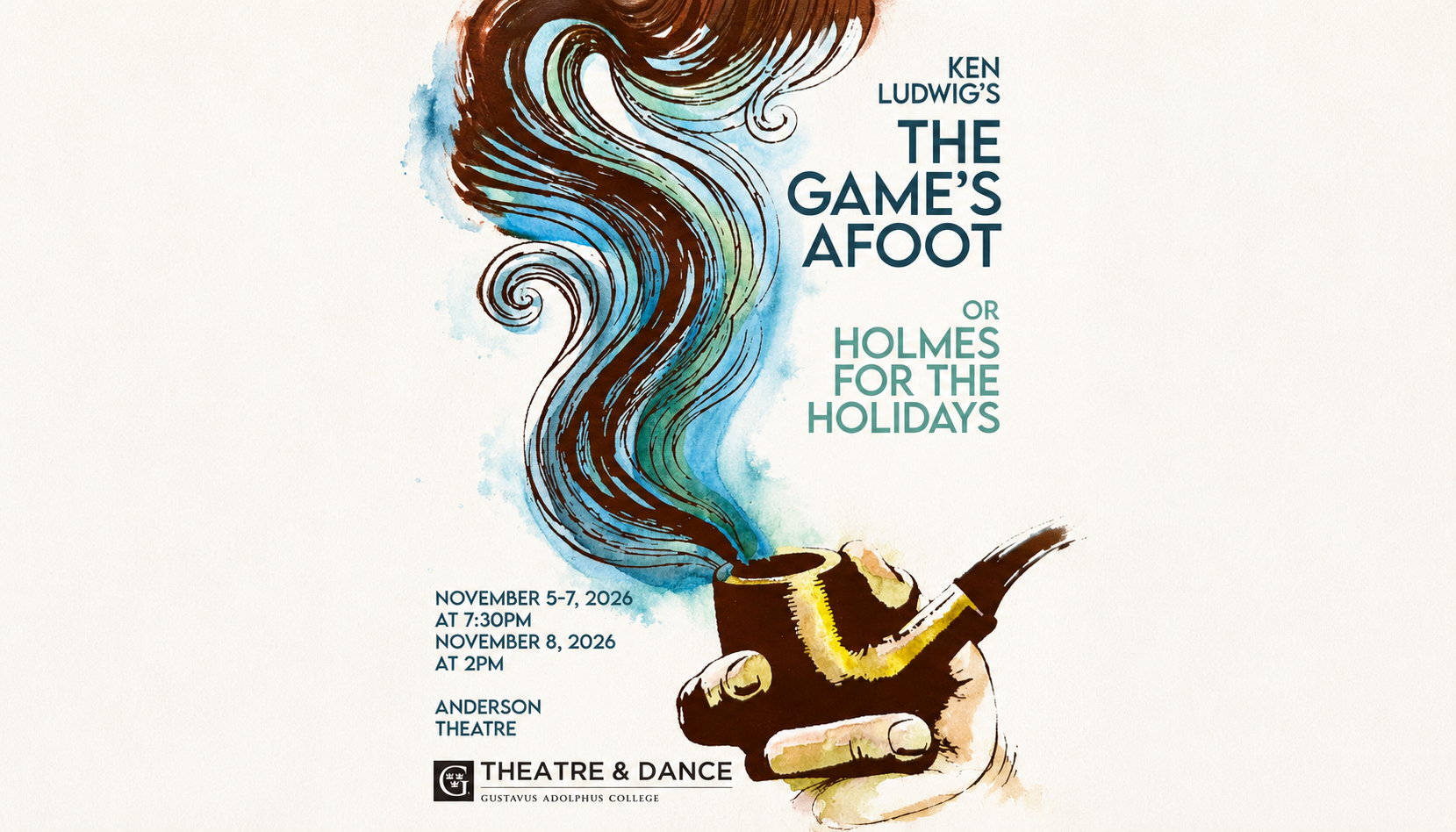
Ken Ludwig's The Game's Afoot or Holmes for the Holidays
Event
Ken Ludwig's The Game's Afoot or Holmes for the Holidays
Event
Ken Ludwig's The Game's Afoot or Holmes for the Holidays
Event
Ken Ludwig's The Game's Afoot or Holmes for the Holidays
Our People
Daniel Moos
Daniel C. Moos (PhD) is a professor of Education where he teaches courses in developmental and educational psychology, educational technology, and the supervision of student teachers. His work centers on understanding how students learn, particularly through the lenses of motivation, metacognition, and self-regulated learning, and how these processes can be intentionally supported through instruction and assessment.
Dr. Moos’s scholarship focuses on self-regulated learning in classroom and technology-rich environments. His research examines how learners plan, monitor, and evaluate their thinking, and how instructional design, feedback, and classroom technology can foster deeper learning. He has published extensively in leading journals and edited volumes in educational psychology, learning sciences, and educational technology, and he has collaborated frequently with undergraduate students as research co-authors. His work is nationally and internationally recognized, including invited keynote and symposium presentations and service in leadership roles within professional organizations focused on self-regulated learning.
At Gustavus, he is deeply committed to teacher preparation and evidence-based teaching. He works closely with pre-service teachers as they learn to design instruction, integrate technology meaningfully, and use assessment to support student learning. His teaching philosophy emphasizes helping future educators become reflective practitioners who understand how students learn and who can adapt instruction to meet diverse learner needs. He is particularly interested in bridging theory and practice, ensuring that research on learning, motivation, and assessment is accessible and useful for teachers in real classrooms.
In addition to his teaching and research, Dr. Moos has held several institution-wide leadership and service roles at Gustavus. These include serving as department chair, college assessment director, faculty associate for teaching excellence, and assessment coordinator for the Education Department. Through this work, he has supported faculty development, program assessment, accreditation efforts, and conversations about effective teaching and learning across the college.
Dr. Moos also contributes extensively to the broader field of education through editorial board service, grant advisory work, external reviews, and mentoring early-career scholars. He is regularly involved in reviewing research for major journals and supporting national initiatives related to self-regulated learning and teacher education. Before entering higher education, Dr. Moos was an elementary and middle school teacher, an experience that continues to shape his teaching, research, and commitment to teacher education. Outside of Gustavus, he enjoys staying active, following youth and collegiate athletics, and spending time with his family. He values the close-knit academic community at Gustavus and especially enjoys working with students as they develop into thoughtful educators and lifelong learners.
Our People
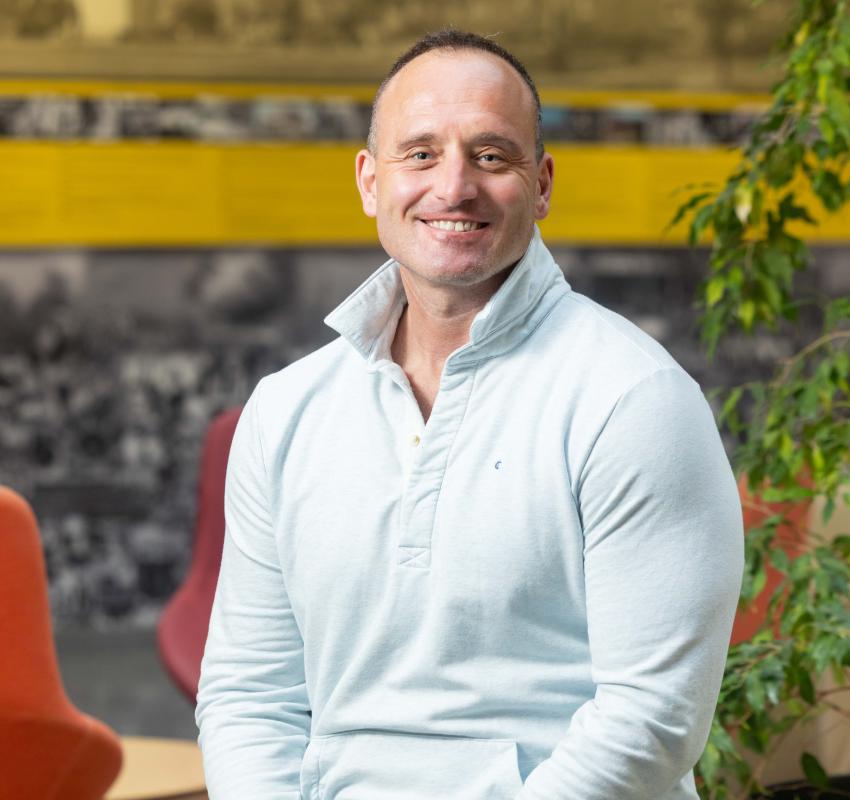
Heidi Meyer
Heidi M. Meyer is Associate Professor of Nursing and currently serves as the Chief Nursing Administrator for the Department of Nursing. A proud Gustavus alumna, she brings to her work a deep commitment to the College’s liberal arts mission and to preparing graduates who have strong clinical reasoning abilities, are intellectually curious, and grounded in compassionate care. She teaches across the nursing curriculum and at times contributes to interdisciplinary offerings, including the Public Health minor. Recent courses include Public Health Nursing, Transitions to Professional Practice, Capstone Clinical, Research and Ethics, and a May study-away course, Health Across Borders: Exploring Social Determinants of Health in Sweden and the U.S.
Dr. Meyer’s scholarly expertise centers on emotional intelligence, clinical reasoning, and innovative teaching strategies in nursing education. Her doctoral work examined the relationship between emotional intelligence and clinical reasoning in senior nursing students, and she is certified in the Mayer-Salovey-Caruso Emotional Intelligence Test (MSCEIT). Her research has been published in peer-reviewed journals and presented at national and international conferences, including the American Association of Colleges of Nursing (AACN), the Midwest Nursing Research Society (MNRS), and the International Nursing Association for Clinical Simulation and Learning (INACSL). She has also contributed to multisite studies focused on simulation debriefing and the development of clinical judgment in baccalaureate nursing education.
A strong advocate for active, experiential learning, Dr. Meyer has been recognized with competitive grants and scholarships that have advanced simulation-based education and strengthened the integration of clinical reasoning across the curriculum. Her teaching is informed by a belief that learning is relational and reflective; she challenges students to move beyond memorization toward deep understanding, emotional awareness, and sound professional judgment. She is particularly passionate about helping students integrate the science of nursing with the human experience of care.
At Gustavus, Dr. Meyer has served in numerous leadership roles, including Department Chair/Chief Nursing Administrator and Faculty Senate representative. She contributes to college-wide initiatives related to academic affairs, strategic planning, accreditation, and wellbeing. She is an internal facilitator for the Nursing National Advisory Board and serves on the Public Health Minor Advisory Board. Beyond campus, she is active in the Minnesota Association of Colleges of Nursing, currently serving in a leadership capacity, and has completed Commission on Collegiate Nursing Education (CCNE) evaluator training.
Dr. Meyer’s favorite aspect of her work is mentoring students and faculty—whether guiding independent student research, supporting future nurse educators as a graduate preceptor, or walking alongside seniors as they transition into professional practice. She values the close-knit Gustavus community and the opportunity to know students not only as learners, but as whole people with unique goals and gifts.
Our People
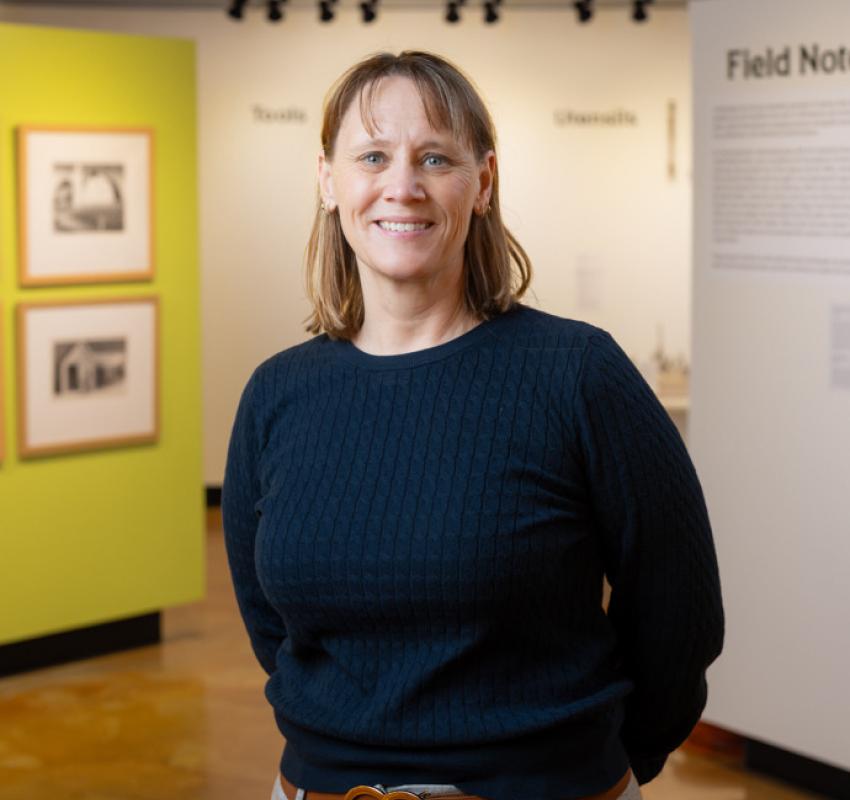
Julie K. Bartley
As a Professor in the Department of Environment, Geography, and Earth Sciences (EGE), Julie K. Bartley teaches courses in the Geology and Environmental Studies programs. With a background in chemistry and geology, Professor Bartley brings an interdisciplinary perspective to the study of the Earth’s past and present. As a teacher, she strives to know her students as individuals and to inspire interest in the Earth’s past and care for its future. She has also held significant leadership roles at Gustavus, including serving as chair of EGE, as the project director for the Inclusive Excellence Project, and as Associate Provost and Dean of Sciences and Education.
Professor Bartley’s expertise lies in interpreting ancient environments, with a particular focus on the Precambrian. Her research explores how microbial communities shaped and were shaped by the environments in which they lived. She and her students study the fossil record and the chemical signatures left by life hundreds of millions or even billions of years ago. At Gustavus, she actively involves students in this discovery process, supervising numerous undergraduate research projects that range from evaluating stromatolites in Minnesota to analyzing the Martian surface signs of habitability.
Students who collaborate with Professor Bartley might conduct fieldwork, perform laboratory analyses, analyze imagery, work with databases, or some combination of these. In the classroom, Professor Bartley teaches a wide array of courses taken by students across campus. Her teaching philosophy is characterized by a commitment to effective and inclusive instruction and a firm belief that every student is equipped to succeed. Whether a geology major, a general education student, or a first-semester Gustie, students can expect to take an active role in class, have many opportunities for hands-on experiences, and be challenged to grow as they learn.
Beyond her teaching and research, Professor Bartley serves Gustavus and the broader scientific community in many ways. She recently served as the Faculty Shepherd for the Nobel Hall of Science renovation and addition project and has co-chaired the Nobel Conference. She is a trained facilitator for two national programs: the ADVANCEGeo Partnership, which aims to improve workplace climate in the geosciences, and the Traveling Workshop Program, whose workshops help strengthen geoscience departments.
As the curator of the Chester Johnson Geology Museum, Professor Bartley regularly shares her passion for geology with K-12 students and the public. Whether leading fossil collecting field trips or presenting to local community organizations, she enjoys helping others see the landscape as a "time machine." Her dedication to service was recently honored with the Gustavus Faculty Service Award.
Outside of her professional life, she has served as the chair of a local charter school board and remains an active member of several professional societies, including the Geological Society of America, the National Association of Geoscience Teachers, and the Association of Women Geoscientists.