
Nobel Conference 2026
October 6 & 7
The 62nd Nobel Conference will take up the topic of the Mississippi River. On official maps, the Mississippi River is merely the water that lies between two banks; however, both cutting-edge science and ancient ways of knowing define the river as being much more expansive than that simple blue line on a page. Today, historians and social scientists are shedding new light on the myriad of ways the Mississippi shapes human communities and power structures.
This conference invites us to challenge conventional definitions by considering the dynamic intersections of geological forces, biological communities, human cultures and ecological systems. Leading experts from multiple disciplines will explore how the watershed has evolved, how the introduction of new fish and plant species has altered the river’s ecology, and how climate change, agricultural runoff, river engineering projects, and other human uses pose challenges to the future health of the river and those who depend on it. Indigenous perspectives will help us honor the river’s complex ecological, social, and spiritual contexts.
Nobel Conference Speakers
Commissioner of Natural Resources for the Mille Lacs Band of Ojibwe
Indigenous Stewardship, Water, and the Future of Resource Decisions
LECTURE: For Indigenous communities, water is more than a natural resource—it is a living relative that sustains culture, food systems, and ways of life. In Minnesota, the Mississippi River watershed and its surrounding lakes have supported the lifeways of the Mille Lacs Band of Ojibwe for generations. Today, these waters sit at the center of a growing debate about how society balances the demand for materials used in modern technologies with the responsibility to protect fragile ecosystems and communities.
Kelly will explore how Indigenous knowledge and stewardship principles can inform today’s most urgent environmental challenges from mining and energy transitions to emerging water contaminants like PFAS and pharmaceuticals.
Drawing on the Band’s experiences interfacing with state and federal government entities, corporations and environmental groups, Applegate will illustrate how decisions about resource extraction reverberate across interconnected systems—groundwater, wild rice ecosystems, cultural practices, and community health.
Applegate's presentation also poses an essential ethical question: How should societies weigh short-term technological needs against long-term environmental responsibility?
Blending personal perspective, ecological science, and lived experience, Applegate’s talk demonstrates how Indigenous teachings on interconnectedness and responsibility to future generations can guide more just and sustainable environmental decisions. Ultimately, it challenges audiences to reconsider what progress means when the health of water, land, and community are inseparable.
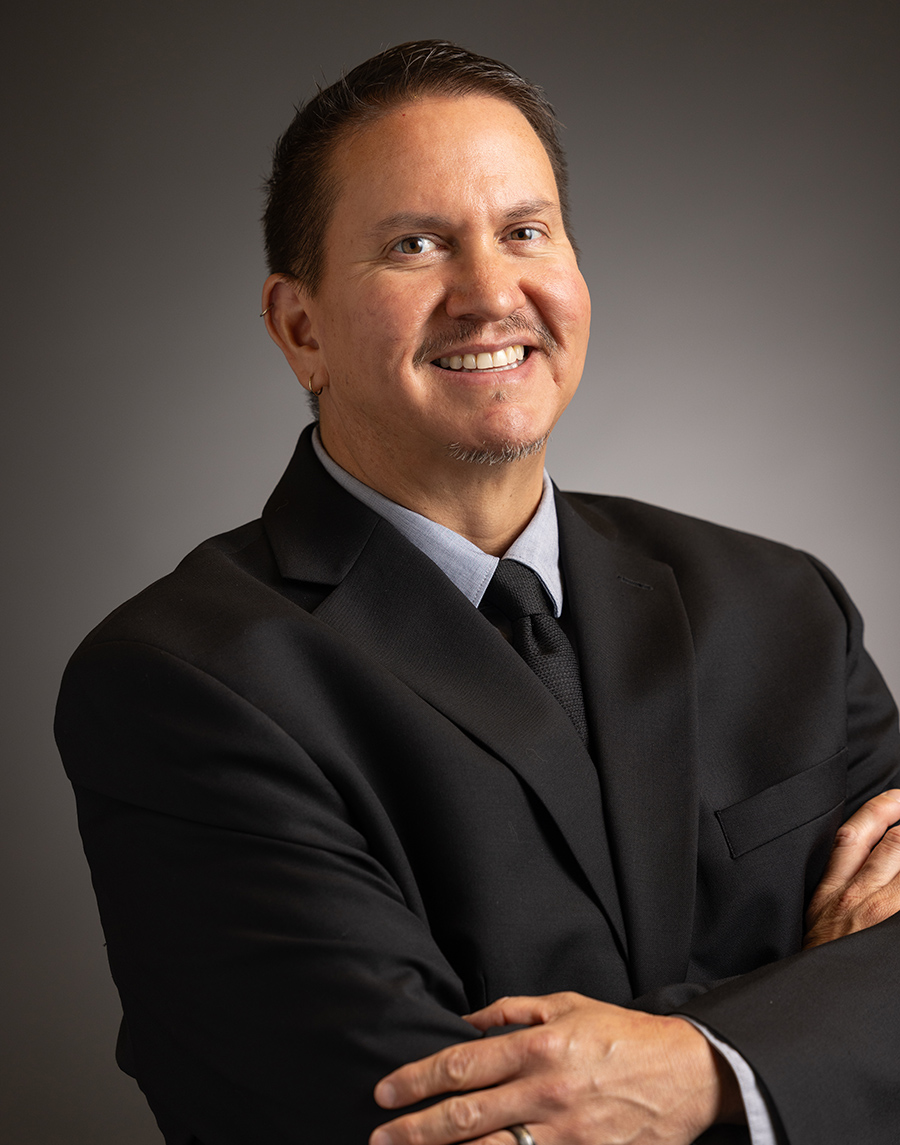 BIO: Kelly leads a department of 40 staff responsible for environmental and resource protection, cultural preservation, tribal enrollment, and programs that support tribal harvesting under treaty rights. A tribal member who has served the Mille Lacs Band for more than two decades, he is currently serving his second four-year term as Commissioner.
Throughout his career, Applegate has worked to protect the sacred gifts entrusted to his people by the Creator, including clean water, healthy ecosystems, and culturally significant resources such as manoomin (wild rice). His work has included wetland restoration, wildlife conservation for rare species, protection of sacred sites, invasive species management, and safeguarding treaty rights.
Applegate also serves on several regional and state boards focused on environmental stewardship and natural resources, including the Great Lakes Indian Fish & Wildlife Commission, Governor Walz’s Advisory Council on Climate Change, Attorney General Keith Ellison’s Future of Minnesota Water Task Force, and the Critical Materials Recovery Task Force.
In addition to his public service, Applegate is an Emmy Award–winning film producer for the short film Water Over Nickel — Protecting Our Water, Community, and Manoomin, which highlights the cultural and environmental importance of protecting water and wild rice.
Assistant professor of aquatic ecology in the Department of Fisheries, Wildlife, and Conservation Biology at the University of Minnesota
Ancient Fishes and the Modern Mississippi: Conserving the Past for our Future
LECTURE: What can living fossil fishes tell us about ecological change and adaptation on the Mighty Mississippi River? Fish and other wildlife depend on the river in surprisingly similar ways to humans, yet we’ve drastically altered the Mississippi River from its Minnesota headwaters to the Gulf of Mexico, and across its vast floodplains. Through the ancient aquatic lineages of gars and other Mississippi River native species, we’ll explore multi-faceted science communication to increase public awareness of the importance of freshwater biodiversity. How can “river monsters” help us restore vital habitats? Could some of the slowest-evolving vertebrates help improve modern medicine? Why do we consider some species valuable game fish and discard others as rough fish? Amidst these currents of change, we’ll discuss the concept of diverse fishes and diverse voices: how listening to diverse groups of people allows us to better conserve fish diversity, and how conserving diverse fishes can benefit diverse peoples.
BIO: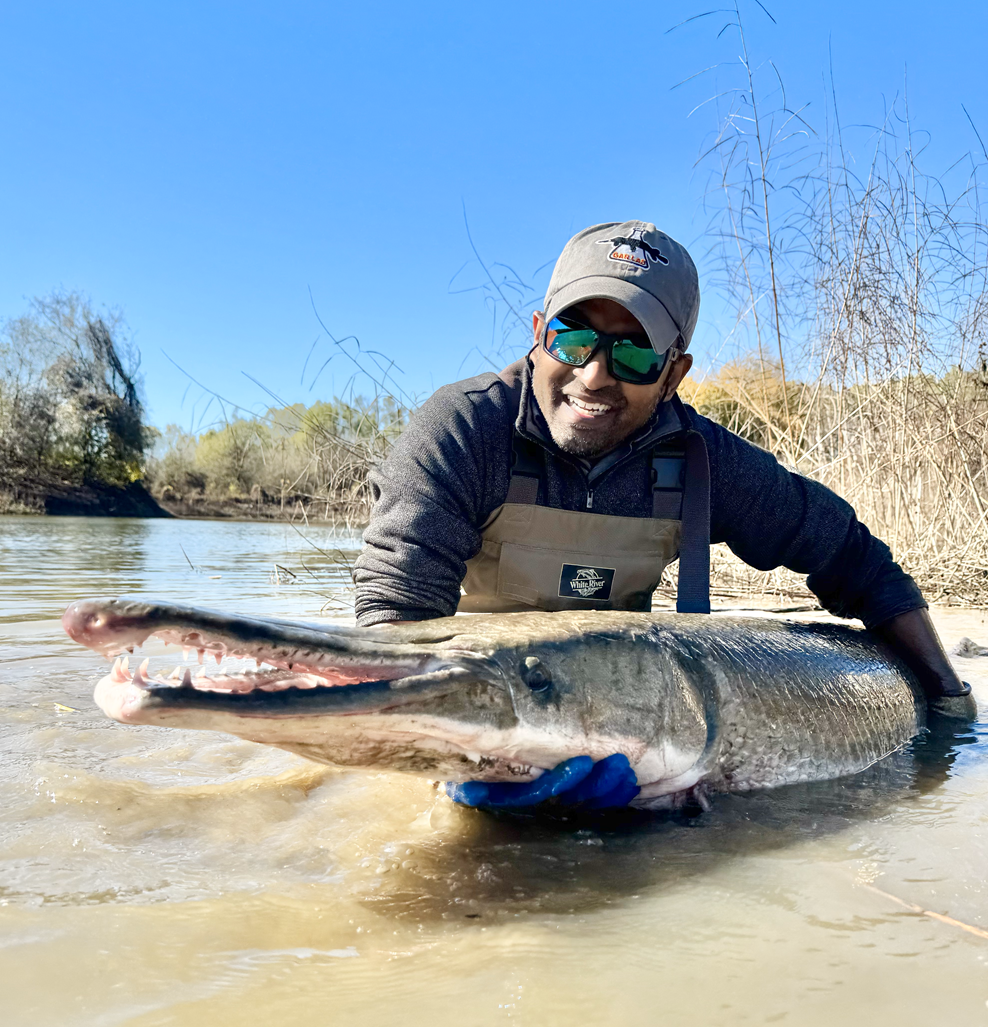 Solomon R. David serves as Principal Investigator of GarLab at the University of Minnesota. An internationally recognized expert on ancient fishes, Dr. David’s research focuses on the ecology, conservation, and management of native non-game fishes, particularly “living fossil” species such as gars and bowfins and their critical roles in freshwater ecosystems.
Dr. David earned his PhD and MS from the University of Michigan-School of Natural Resources and Environment and his BS in Biology from Ohio Northern University. His work challenges the outdated “rough fish” paradigm, advocating for the conservation value of native species long dismissed or persecuted. His research examines fish biodiversity from the Great Lakes to Louisiana bayous, and addresses how habitat connectivity and ecosystem restoration benefit aquatic life.
A passionate science communicator, Dr. David co-leads the annual Gar Week social media campaign with the Oklahoma Department of Wildlife Conservation, bringing scientific knowledge about these misunderstood ancient fish to thousands of followers. In 2025, he and colleagues Alec Lackmann, Jason Schooley, and Dennis Scarnecchia received the American Fisheries Society’s Award of Merit for their collective efforts to advance understanding, appreciation, and conservation of native non-game fishes in the United States. Through GarLab’s active presence on social media and his diverse popular and scientific publications, Dr. David demonstrates how effective science communication can transform public perception and policy around freshwater biodiversity conservation.
Enrolled member of the Lower Brule Sioux Tribe in South Dakota and Associate Professor in the Department of American Indian Studies at the University of Minnesota
At the Edge of Empire: The Mississippi River, Settler Colonialism, and the Oceti Sakowin
LECTURE: In 1787, the Mississippi was the Western-most boundary of the fledgling United States. That included the lands Dakota people called Mni Sóta Makoce (pronounced mni-SOH-tah mah-KOH-chay). The river itself served as a tool for American explorers and settlers to make economic and military inroads into the region.
Understanding the history of conquest is essential for making sense of the recent federal invasion of Minnesota. At the confluence of the Minnesota and Mississippi rivers was the Dakota site of emergence known as Bdóte. It was here that Americans built Fort Snelling, which is today home to the ICE regional headquarters. This talk examines the history of militarization of the Mississippi River in Mni Sóta Makoce and how it facilitated settler colonialism and westward expansion. This talk also looks at how Indigenous resistance challenges not only the colonial history of the Mississippi River but also a future premised on justice.
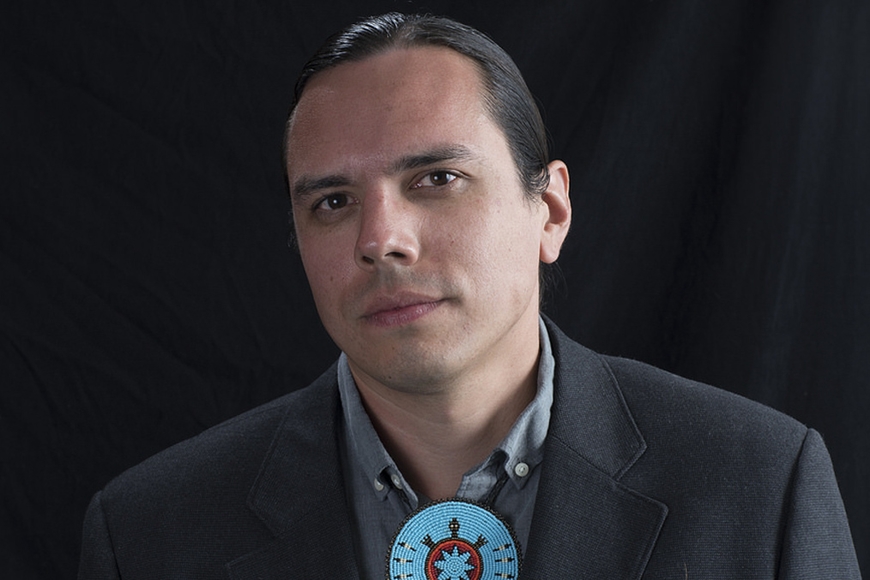 BIO: Nick Estes is an Associate Professor in the Department of American Indian Studies at the University of Minnesota, the oldest American Indian Studies department in the United States. A historian, journalist, and community organizer, Dr. Estes has emerged as one of the most influential voices documenting Indigenous resistance movements and articulating visions of decolonization rooted in centuries-old traditions of struggle for land, water, and sovereignty.
Dr. Estes received his PhD in Indigenous Oral Histories and Colonialism from the University of New Mexico in 2017. His research focuses on Indigenous histories with emphasis on decolonization, oral history, U.S. imperialism, environmental justice, anti-capitalism, and the Oceti Sakowin (the Seven Council Fires of the Dakota, Nakota, and Lakota peoples). He previously served as American Democracy Fellow at the Charles Warren Center for Studies in American History at Harvard University (2017-18) and taught in the American Studies Department at the University of New Mexico before joining the University of Minnesota faculty in 2022.
Dr. Estes is the author of the award-winning book Our History Is the Future: Standing Rock Versus the Dakota Access Pipeline, and the Long Tradition of Indigenous Resistance (Verso, 2019), a groundbreaking work that places the 2016-17 Standing Rock movement into profound historical context. The book traces two centuries of Indigenous resistance along the Missouri River (Mni Sose)—from early fur trading forts and the Indian Wars through the devastating Pick-Sloan dam projects, the rise of the American Indian Movement, and international Indigenous rights campaigns—to illuminate how the #NoDAPL movement emerged from deep traditions of water protection and anti-colonial struggle. Under the banner “Mni Wiconi” (Water is Life), the Standing Rock encampment grew to become the largest Indigenous protest movement of the 21st century.
Our History Is the Future has received numerous honors including the 2023 Gustave O. Arlt Award in the Humanities from the Council of Graduate Schools, the 2020 PEN Oakland/Josephine Miles Literary Award, the 2020 One Book One Tribe Book Award from the First Nations Development Institute, and selection as the 2022 One Book South Dakota Common Read.
Dr. Estes co-edited with Jaskiran Dhillon Standing with Standing Rock: Voices from the #NoDAPL Movement (University of Minnesota Press, 2019), and he is the co-author with Melanie K. Yazzie, Jennifer Nez Denetdale, and David Correia of Red Nation Rising: From Bordertown Violence to Native Liberation (PM Press, 2021).
In 2014, Dr. Estes co-founded The Red Nation, an Indigenous resistance organization committed to liberation of Native peoples from capitalism and colonialism. He serves as lead editor of Red Media, an Indigenous-run nonprofit media organization that publishes books, videos, and podcasts, and co-hosts The Red Nation podcast, which has been featured by The New York Times, CNN, and Al Jazeera and is used in high school and college classrooms nationwide. He is a member of the Oceti Sakowin Writers Society, a network of Dakota, Nakota, and Lakota writers dedicated to defending and advancing Oceti Sakowin sovereignty, cultures, and histories.
Dr. Estes’ writing has appeared in The Guardian, The Intercept, Jacobin, Indian Country Today, The Nation, NBC News, High Country News, The New Yorker, and The Funambulist Magazine. He was named a Lannan Literary Fellow for nonfiction (2019), a Marguerite Casey Foundation Freedom Fellow (2020-2021), and a National Archives Distinguished Scholar at Boston University (2022-2023).
Nicholas Altiero Distinguished Professor and Chair of the Department of River-Coastal Science and Engineering at Tulane University
The Mississippi River: A Century of Control, Consequences, and the Legacy of the 1927 Flood
LECTURE: The Mississippi River has always been the lifeline of the Gulf Coast, carrying water and sediment that help shape the wetlands and support communities along its path. Over the past century, however, humans have drastically changed the river. We built dams, levees, cutoffs, and other structures to control floods and make navigation safer and more reliable. These efforts brought undeniable economic benefits and reduced flood risk for millions of people. But they also changed how the river moves, how much sediment it carries, and how it interacts with the coastal landscape—often in ways that harm the environment.
By comparing the past with the present, we can see just how much the river’s ability to deliver land-building sediment has declined. This matters today because Louisiana’s coastal restoration plans depend heavily on diverting sediment from the Mississippi River to rebuild wetlands. Our findings show that reduced sediment supply—and uncertainties about how fine sediments behave—make these challenges even more complex. Overall, this talk highlights how much we’ve altered the river, how those changes continue to affect our environment, and why understanding the past is essential for planning Louisiana’s future.
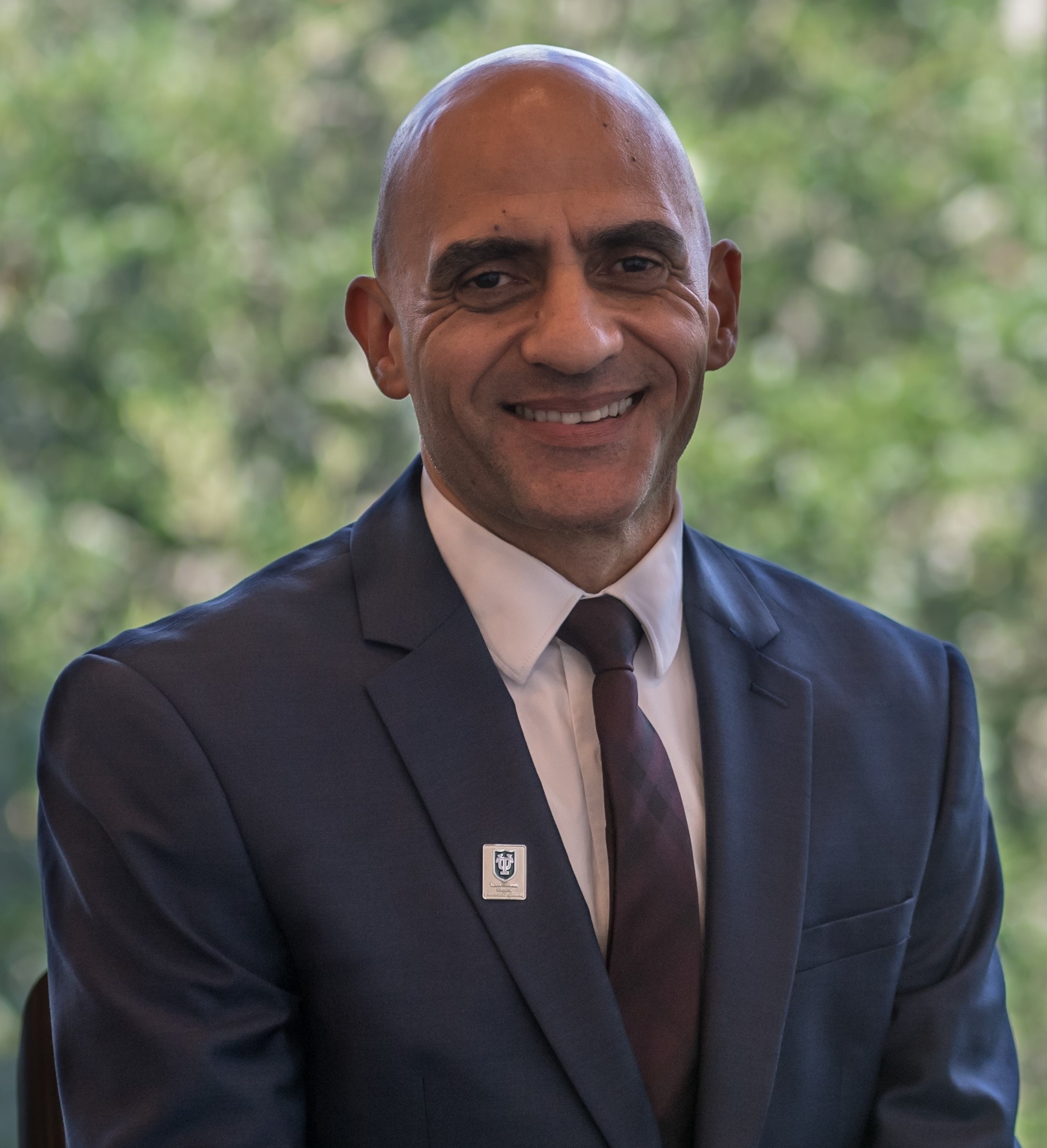 BIO: At Tulane University, Dr. Meselhe helped establish the pioneering academic program in 2017 to address the complex interdisciplinary challenges facing river-deltaic-coastal systems. Dr. Meselhe brings nearly 30 years of expertise in coastal wetland hydrology, sediment transport, and hydrodynamic modeling to his work at the nexus of physical, ecological, and social processes in threatened coastal landscapes.
Dr. Meselhe earned his master’s and PhD in Civil and Environmental Engineering from the University of Iowa and is a registered Professional Engineer in Louisiana and Iowa. Before joining Tulane, he spent 15 years as a professor at the University of Louisiana at Lafayette and served as Vice President for Engineering at the Water Institute of the Gulf, where he became one of Louisiana’s foremost authorities on coastal restoration science.
As Louisiana’s technical lead for the Mississippi River Hydrodynamic and Delta Management Study, Dr. Meselhe developed the numerical models that provided the scientific foundation for Louisiana’s 2012 and 2017 Coastal Master Plans—the state’s comprehensive $50 billion blueprint for combating catastrophic land loss. He played a central role in designing the Mid-Barataria and Mid-Breton sediment diversions, massive engineering projects intended to reconnect the Mississippi River to its delta and rebuild disappearing wetlands by mimicking the natural processes that originally created Louisiana’s coast. His recent research explores innovative “pulsing” approaches to sediment diversions that could balance land-building goals with impacts on coastal fisheries and communities.
Dr. Meselhe’s work exemplifies his core conviction that technical solutions must integrate community knowledge and cross-disciplinary collaboration. He has pioneered participatory modeling sessions where coastal residents work alongside scientists to refine restoration strategies, ensuring that affected communities have meaningful input in decisions about their landscapes. At Tulane, he champions an interdisciplinary educational model, teaching courses like “The Gulf Coast in 2100” that bring together students from engineering, law, public health, and environmental studies to prepare a new generation of problem-solvers capable of addressing the integrated challenges of climate change, sea-level rise, and coastal sustainability. His approach to river-coastal science recognizes that saving vulnerable deltas worldwide requires both engineering expertise and the integration of ecological understanding, social equity, and community resilience.
Roy J. Shlemon Distinguished Professor in Applied Geosciences in the Department of Earth and Planetary Sciences and Associate Director of the Center for Watershed Sciences at the University of California, Davis
300+ Years of ‘Riparian Consent’: Living with Floods Along the Mississippi River
LECTURE: Geoscientists have a much-used adage that “Civilization exists by geological consent – subject to change without notice.” The principle is that society expects the earth beneath our feet and the landscape around us to remain stable, whereas history documents the upheaval when disruption inevitable does occur. Worldwide, and in the northern Midwest US in particular, the agent of geological change is most commonly rivers.
Rivers provided the principal avenues of exploration, transportation, and settlement across the interior of North America, including during the periods of Indigenous habitation and later European expansion. The Mississippi River and its tributaries drain about 41% of the conterminous (“lower 48”) United States, and many modern communities were founded on the banks of this river network, drawn by the resources and transportation access provided by these locations. But rivers are a mechanism of “riparian consent,” and proximity also brings long-term change, including the threat of flooding.
Flooding is the most damaging natural hazard in the world, and nowhere more so than the Mississippi River and its tributaries. Major floods have been milestone events along these rivers, reshaping communities as well as national policy. Strategies for managing and mitigating this flood risk have evolved over time. Along the Mississippi, over more than three centuries, the initial US strategy of “Levees Only” gave way to diversified flood-control toolkits, and then to a growing focus on local mitigation, and now growing interest in “Room for the River” and other nature-based solutions.
One non-structural approach to flood-risk management that has gained attention in recent years has been so-called “managed retreat.” Managed retreat is a “Room for the River” approach that refers to moving residents and infrastructure up and/or away from rivers, theoretically removing the threat of flooding once and for all. Various forms of retreat have been implemented along the Mississippi and continue to be implemented. One interesting subset of managed-retreat initiatives involves the wholesale relocation of communities, typically after catastrophic flood damage. Managed retreat and community relocation has entered widespread discussion with the growing recognition of climate-driven magnification of coastal as well as river flooding.
The floodplains of the Mississippi River and its tributaries have been a proving ground of managed retreat and community relocation, with a history stretching back at least 140 years. These historical and contemporary case studies offer empirical lessons on the political, financial, and social conditions that enable or hinder adaptation. Future flood-risk management requires translating lessons from past successes and failures into more equitable, climate-resilient programs that integrate local leadership, federal coordination, and sustainable planning.
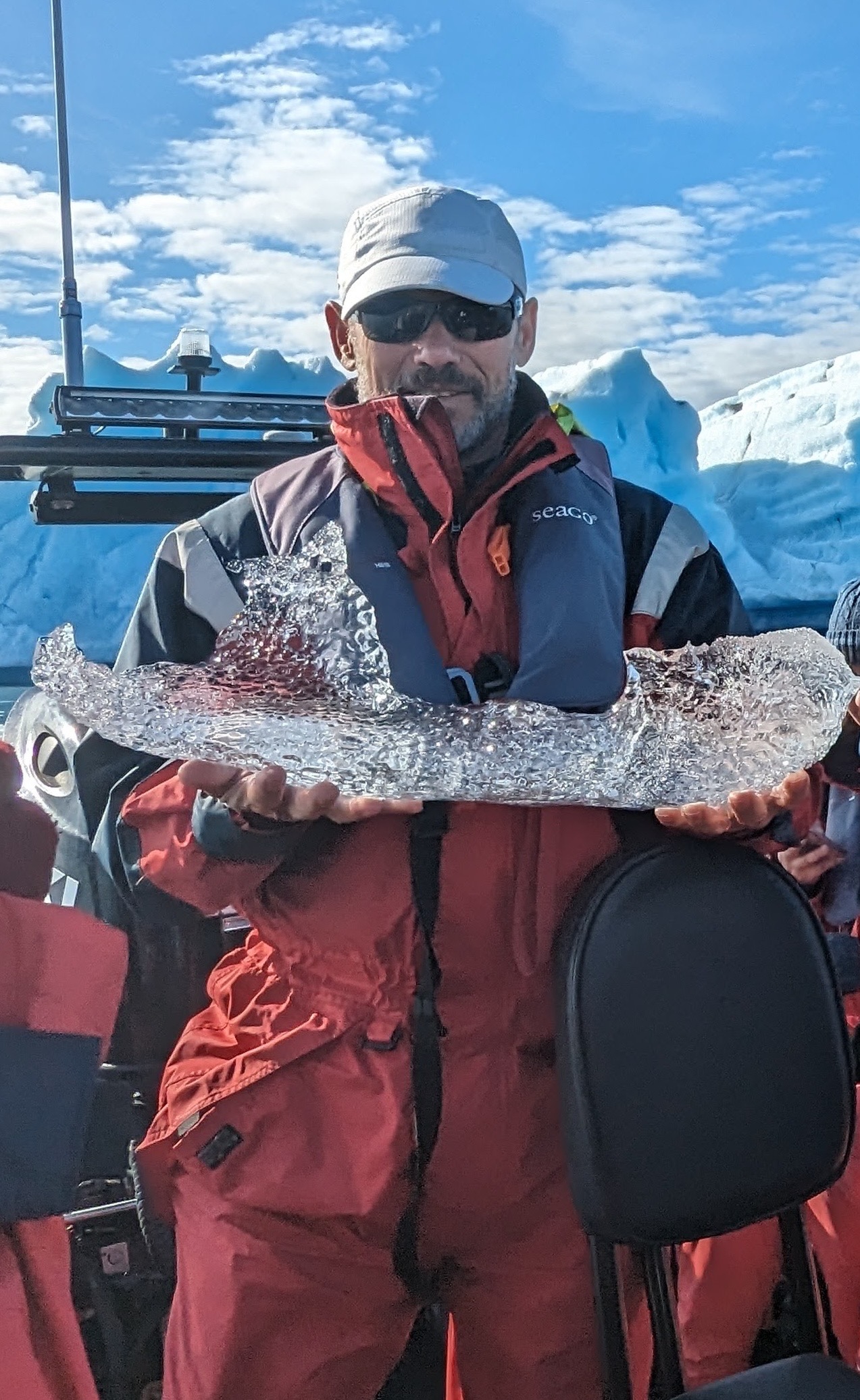 BIO: Nicholas Pinter, A geomorphologist specializing in flood hazards and river systems, Dr. Pinter has become one of the nation’s leading voices challenging conventional approaches to flood management and documenting how engineered river systems paradoxically intensify the very flooding they were designed to prevent.
Dr. Pinter earned his PhD from UC Santa Barbara in 1992. His research focuses on earth-surface processes operating over anthropogenic time scales—what he calls the “Anthropocene”—with particular emphasis on how human modifications to landscapes create and amplify natural hazards. His work combines fluvial geomorphology, hydrologic modeling, statistical analysis, and hydraulic modeling to assess river dynamics, quantify flood risks, and provide scientific foundations for sound natural hazards policy.
Dr. Pinter’s research on the Mississippi River system has fundamentally challenged the levee-dependent flood management paradigm that has dominated American river engineering for over a century. Through detailed hydraulic modeling and analysis of stream gauge data across the Mississippi River basin, he and his collaborators have demonstrated that levees create a dangerous feedback loop: by constricting river channels and blocking access to natural floodplains, levees force floodwaters higher than they would otherwise rise, pushing devastating flood surges onto communities across the river and both upstream and downstream. His studies show that every single percent of floodplain land enclosed by levees produces measurable increases in flood heights for neighboring communities—transforming what were historically 100-year floods into 10-year events in many locations along the heavily engineered Missouri and Mississippi rivers.
Perhaps most critically, Dr. Pinter has explored the concept of “residual risk”—the often-hidden danger that communities protected by tall levees face catastrophic consequences when those levees inevitably fail or overtop. When high levees collapse under pressure from massive floods, the resulting wall of water inflicts far worse damage than would have occurred without the levee.
Dr. Pinter’s research on levee setbacks—moving levees farther back from river channels to restore floodplain storage capacity—demonstrates that strategic redesign of flood protection systems can simultaneously reduce flood heights, lower long-term economic losses, and restore vital wetland ecosystems. His modeling along the Middle Mississippi River shows that optimized levee setback configurations can reduce flood damage while providing critical habitat for fish, waterfowl, and other wildlife. These findings have informed national conversations about “working with nature” rather than attempting to control it, and have influenced flood management strategies from the Netherlands’ “Room for the River” program to emerging discussions about managed retreat in vulnerable American communities.
Dr. Pinter received the Eco-Alianza Environmental Stewardship Award in 2024 and has published extensively in leading scientific journals. His research has been featured by NPR, ProPublica, and numerous media outlets covering flood disasters and climate adaptation. At UC Davis, he co-teaches the popular “Ecogeomorphology of the Colorado River – Grand Canyon” course and leads NSF-funded research on sustainable water management and disaster preparedness, training the next generation of scientists to approach river management with systems thinking and ecological humility.
Charles F. Curtiss Distinguished Professor in Agricultural and Life Sciences in the Department of Natural Resource Ecology and Management and Director of the Bioeconomy Institute at Iowa State University
All Together in the Watershed: Connecting What Happens on Land with What’s in Our Water and What to do About It
LECTURE: Just as the Mississippi River and its tributaries shape the lives and livelihoods of the people who depend on them, the choices we make throughout the watershed shape the river’s health and resilience. Agriculture has an exceptionally large impact because it comprises the majority land use in the basin. In this presentation, you’ll learn how farmers and their supporting networks are coming together to strengthen agriculture while improving water quality—from improving crop production practices to planting strategically placed prairie strips that filter runoff and restore biodiversity. You’ll see how small, practical changes on the land can spark big, positive impacts downstream, and why each of us has a meaningful role to play.
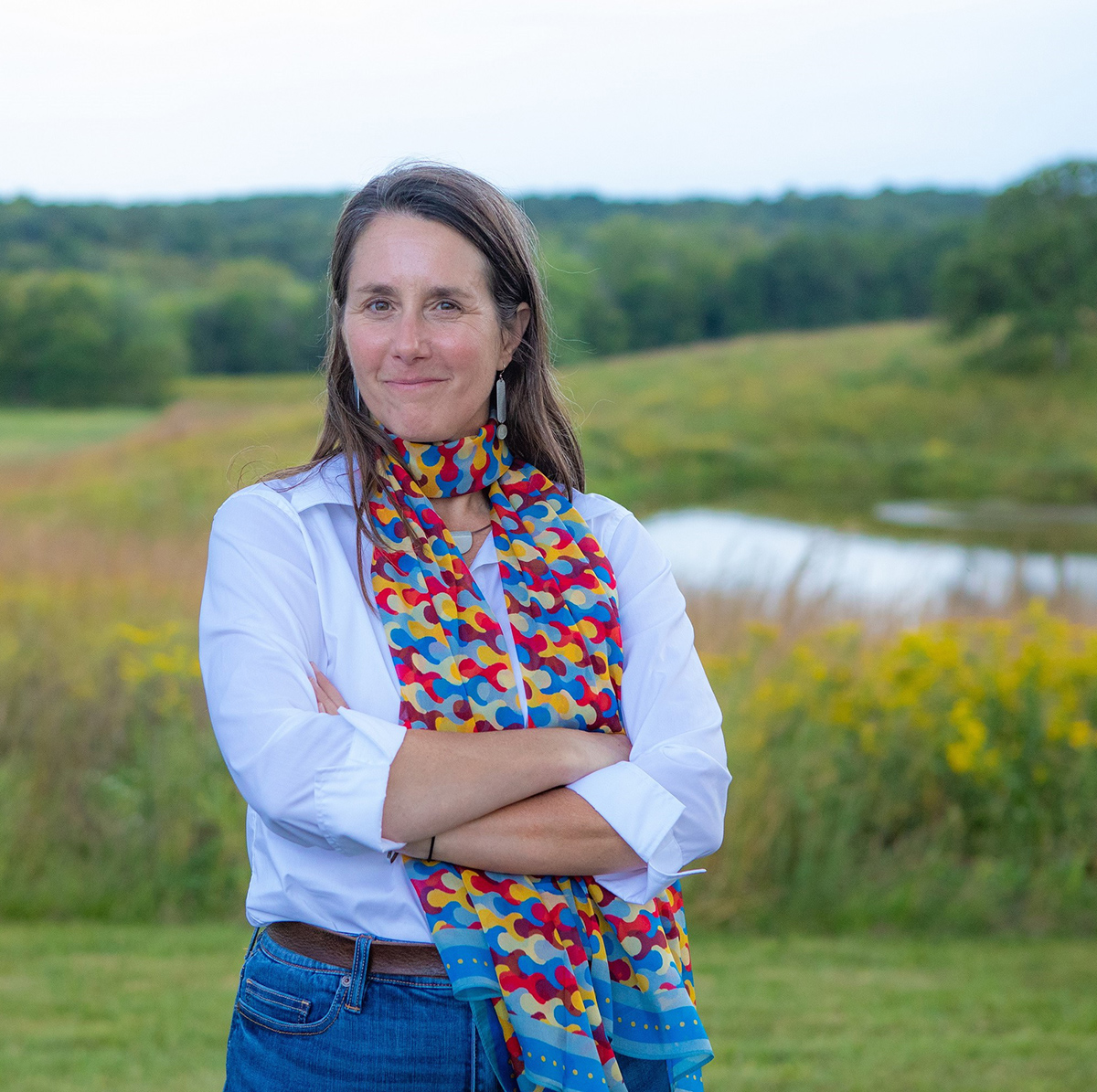 BIO: Lisa Schulte Moore is a landscape ecologist working at the intersection of agriculture, ecology, community resilience, and policy, Dr. Schulte Moore has pioneered practical, scientifically rigorous solutions to some of the most pressing challenges facing American agriculture—from soil erosion, water pollution, and biodiversity decline to rural economic decline and market diversification.
Dr. Schulte Moore earned her BS in biology from the University of Wisconsin-Eau Claire, her MS in biology from the University of Minnesota-Duluth, and her PhD in forestry from the University of Wisconsin-Madison. She joined Iowa State’s faculty in 2003, where she has built a career defined by transdisciplinary collaboration and farmer-centered research.
Dr. Schulte Moore is co-founder of the groundbreaking Science-based Trials of Rowcrops Integrated with Prairie Strips (STRIPS) project, which has transformed agricultural conservation across the Midwest. Her team demonstrated that strategically placing native prairie vegetation strips—covering just 10% of a crop field—can reduce soil erosion by 95% and nitrogen and phosphorus runoff by 70-80%, while simultaneously supporting biodiversity including native pollinators and grassland wildlife. Importantly, prairie strips represent one of the most cost-effective conservation practices because they can be planted on the least productive portions of fields. Through intensive engagement with farmers and conservation practitioners, Dr. Schulte Moore has helped prairie strips gain adoption on over 26,000 acres on approximately 260,000 acres of cropland across 14 states. Her teamwork contributed to prairie strips being recognized as an eligible conservation practice in the 2018 Farm Bill’s Conservation Reserve Program, making federal financial support available to farmers using the practice.
As Director of the Bioeconomy Institute, Dr. Schulte Moore leads efforts to develop a circular, producer-first bioeconomy that transforms agricultural residues and perennial crops into renewable energy, materials, and chemicals—creating new revenue streams for rural communities while advancing environmental goals. She also directs C-CHANGE (Consortium for Cultivating Human And Naturally reGenerative Enterprises), which began as an Iowa State Presidential Initiative and grew into a major USDA-funded project exploring how continuous living cover—keeping roots in the ground year-round through diverse crop rotations and perennial plantings—can meet multiple societal goals simultaneously: sustainable food production, clean water, healthy soils, biodiverse habitats, climate mitigation, and rural prosperity.
Dr. Schulte Moore’s honors reflect the transformative impact of her work: she is the first Iowa State faculty member to receive a MacArthur Fellowship (2021), and is a fellow of the Ecological Society of America, the American Association for the Advancement of Science, and the Leopold Leadership Program. She was named an inaugural Top Agri-Food Pioneer by the World Food Prize Foundation in 2024. Her research has been featured by the BBC, National Geographic, National Public Radio, NBC Nightly News, The New York Times, The Washington Post, and PBS NewsHour.
Professor of Sociology who founded the Deep South Center for Environmental Justice (DSCEJ) in 1992—the first environmental justice center in the United States.
Troubled Waters: How Race, Class and Climate Intersect Along the Mississippi River
LECTURE: Why are certain communities perpetually exposed to environmental hazards while others remain protected? This presentation examines the Mississippi River Chemical Corridor as a case study in how intersecting systems of race and class create zones of environmental sacrifice. The same 85-mile corridor that once housed plantation slavery now hosts the densest concentration of petrochemical facilities in the United States, with African American and poor white communities bearing the health burdens of industrial proximity.
Dr. Wright will trace this historical continuum from plantation to plant, exploring how racism rooted in historical misconceptions about nonexistent human differences—including beliefs that shaped occupational segregation—created the ideological foundation for environmental inequity. She will demonstrate how land ownership patterns, property valuation systems, and political power disparities continue to shape who lives where along the river and how various entities perceive and value this watershed.
The presentation addresses a stark sociological paradox: regions with the greatest natural resource wealth often exhibit the highest rates of poverty and environmental degradation. Extraction economies concentrate benefits elsewhere while externalizing costs onto local populations. Dr. Wright will conclude by examining the hope in presently emerging grassroots shifts toward sustainability. These cultural transformations include heightened awareness of water quality, adoption of renewable energy solutions, and community-based environmental activism. These patterns suggest that while science has historically been deployed to justify injustice along the Mississippi, it can be reclaimed to advance environmental equity when communities lead the inquiry.
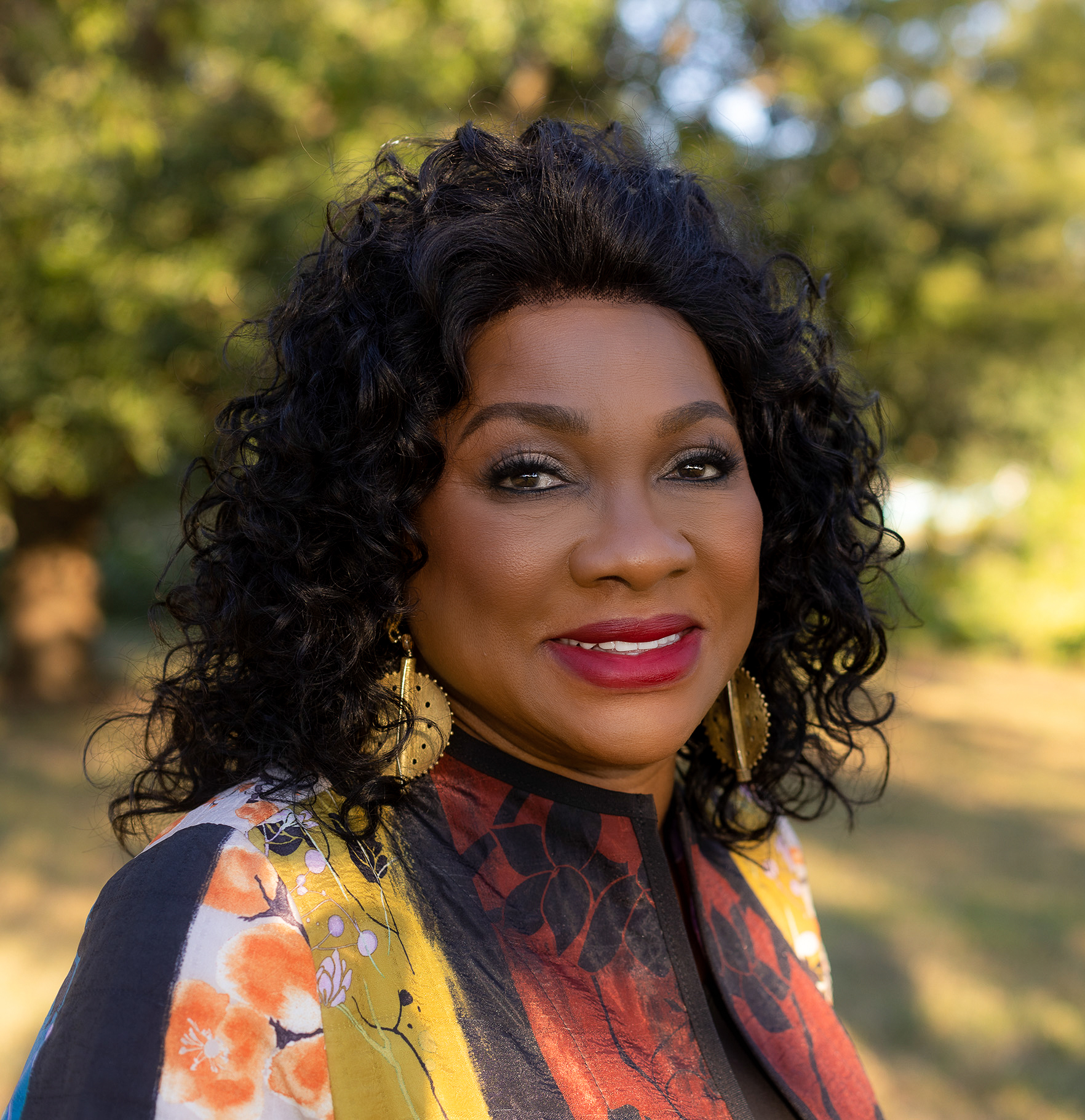
BIO: Beverly L. Wright is a pioneering environmental justice scholar, advocate, author, and professor of Sociology who founded the Deep South Center for Environmental Justice (DSCEJ) in 1992—the first environmental justice center in the United States. Born and raised in New Orleans near Louisiana’s infamous “Cancer Alley”—an 85-mile industrial corridor housing over 150 petrochemical plants and refineries—Dr. Wright has dedicated over three decades to addressing environmental racism and health inequities that disproportionately burden communities of color.
Dr. Wright earned her BA from Grambling State University and both her MA and PhD in Sociology from the State University of New York at Buffalo, which honored her with its Distinguished Alumni Award in 2003. Her groundbreaking research combining demographic data with Toxics Release Inventory reports revealed the stark correlations between race and pollution exposure, fundamentally shifting how environmental justice is understood and addressed.
As Founder and Executive Director of DSCEJ, Dr. Wright developed the innovative “communiversity model”—a partnership approach that integrates community concerns and lived experiences into research and policymaking. Under her leadership, DSCEJ has provided hazardous waste worker training, developed environmental justice curricula for New Orleans Public Schools, and created the nation’s first environmental justice mapping tool. Following Hurricane Katrina, which destroyed her own home, Dr. Wright spearheaded the “A Safe Way Back Home” program, training workers in hazardous waste removal and helping displaced residents safely return to their communities.
President Joe Biden appointed Dr. Wright to the White House Environmental Justice Advisory Council in 2021, and in 2024 she was named Vice Chair of the EPA’s inaugural HBCU-MSI Federal Advisory Council. Her numerous honors include the prestigious Heinz Award (2009), the EPA Environmental Justice Achievement Award (2008), and recognition in 2024 at the EPA’s National Environmental Museum and Education Center. Dr. Wright’s co-authored books include The Wrong Complexion for Protection and Race, Place, and the Environment After Hurricane Katrina, seminal works documenting how government responses to disasters endanger marginalized communities and perpetuate environmental injustice.

Past Lectures
Dive into decades of groundbreaking thought by watching Nobel Conference lectures and panel discussions. With archived recordings dating back to 1965, you can witness how science has evolved through the lens of leading researchers, thinkers, and Nobel laureates. Start exploring today and be inspired by the ideas that have helped shape our world.
2024 (60th) - Sleep, Unraveled
Sleep is a universal human experience and yet its importance is often overlooked. In addition to its role in physical rejuvenation, sufficient high-quality sleep is crucial for cognition, memory, learning, and general health. Sleep loss — whether triggered by noise or light pollution, stress, overwork or conflict with circadian rhythms — has been associated with high blood pressure, weight gain, diabetes and a plethora of other medical conditions. Conference presenters explore the centrality of sleep for human physical health and mental wellbeing. The conference will delve into the neurological and psychological processes of sleep, the cultural evolution of sleep practices, and the implications of a twenty-four-hour convenience society that leads to permanent sleep deprivation.
- Robert Stickgold - Sleep, Memory and Dreams: Pulling It All Together
- Amita Seghal - Using a Simple Animal Model to Understand How and Why We Sleep
- Panel Discussion #1
- Marishka Brown - Sleep and Circadian Health: A National Research Agenda
- Panel Discussion #2
- Mary Carskadon - Clock, Hourglass and Teen Sleep
- Maiken Nedergaard - The Glymphatic System
- Panel Discussion #3
- Benjamin Reiss - Sleep and Inequality: A History
- Tricia Hersey - Rest as Portal for Justice
- Panel Discussion #4
2023 (59th) - Insects: Little Body, Big Impact
Conference presenters address the disproportionate effects insects have on humans and the earth. From the caterpillar that eats our crops before metamorphosing into a stunning moth, to the mosquito that elegantly sips our blood (in exchange for a proboscis full of virus particles or parasites), to the socially-connected bee that pollinates flowering plants, to the humble, but mighty fruit fly that continues to teach us how our bodies function, these tiny creatures fascinate, confound, and inspire us. “Little Body/Big Impact” invites us to learn about, wonder at, and celebrate these little creatures that run the world.
- Anne Sverdrup-Thygeson - Why We Should Love Insects
- Session 1 Panel Discussion and Audience Q&A
- Shannon Olsson - Fly Psychology 101
- Jonathan Birch - The Minds of Insects and Why They Matter
- Session 2 Panel Discussion and Audience Q&A
- Segenet Kelemu - Innovations in Insect Science
- Julie Lesnik - Latitude and attitude: Environmental and cultural impacts on the perception of insects as food
- Session 3 Panel Discussion and Audience Q&A
- Jessica Ware - (Bio)Diversity
- Michael Young - What Happens to a Lonely Fly
- Session 4 Panel Discussion and Audience Q&A
2022 (58th) - Mental Health (In)Equity and Young People
Prioritizing the mental health concerns of young people has become essential amid times of global pandemic, racism, sexism, ableism, social unrest, climate change, and political upheaval. These social inequities limit our ability to promote resilience in the mental health of adolescents and young adults, especially those from marginalized communities. Young people often experience little control over their wellbeing, are affected by the decisions of parents, schools and society, and in these technology-driven times are vulnerable to the negative side effects of social media and information overload. In considering how to eradicate inequities and promote mental health, technology becomes central in how it both aids and hinders our modern existence, in the U.S. and around the world.
- Meryl Alper - Supporting Mental Health among Autistic Youth in the Digital Age
- Manuela Barreto - It takes a village to make someone lonely
- Daniel Eisenberg - Investing in Youth Mental Health at a Population Scale
- Joseph P. Gone - Anticolonial Approaches to Community Mental Health Services for American Indians: Enacting AlterNative Psy-ence
- Priscilla Lui - Scientific understanding of racism and discrimination experiences: A path toward mental healthequity
- G. Nic Rider - Radical Healing and Inclusive Change-Making: Centering Transgender and Gender Diverse Communities
2021 (57th) - Big Data (R)Evolution
How is big data changing our lives, and what challenges and opportunities does this transformation present? In less than a generation, we’ve witnessed nearly every piece of personal, scientific, and societal data come to be stored digitally. Stored information is both an intellectual and an economic commodity; it is used by businesses, governments, academics, and entrepreneurs. The velocity with which it accumulates and the techniques for leveraging it grow at a pace that is remarkable and often intimidating. But this revolution also promises hope, in areas as diverse as public health, drug development, child welfare, and climate change.
- Wendy Chun - Discriminating Data: Correlations, Neighborhoods and the New Politics of Recognition
- Francesca Dominici - How Much Evidence Do You Need? Data Science to Inform Environmental Policy During the COVID-19 Pandemic
- Pilar Ossorio - Justice in Machine Learning and AI for Health Care
- Michael Osterholm- From the Village Watchman to Actionable Data: A Challenging Journey
- Cynthia Rudin - Interpretable Machine Learning
- Rhema Vaithianathan - Child Protection: Too Much and Not Enough
- Talithia Williams - Data-Driven Decision Making, Now and Imagined
2020 (56th) - Cancer in the Age of Biotechnology
Nobel Conference 56 explored the science of new cancer treatments, the structural and societal factors that will determine who has access to these life-saving treatments, and the therapies and practices that will enable people to live with cancer for the long term. In recent decades, researchers have made great strides in understanding both the progression of cancer in the human individual and the ways the individual’s immune system responds to it. Their findings have led to the development of cancer therapies that can strategically target cancer cells, with the result that persons undergoing the treatments experience fewer side effects than they would with traditional chemotherapy. The complexity of these biological drugs allows for their specificity and greater effectiveness, but also makes them very expensive to develop, produce and administer. Advances in treatment also increase the number of individuals living with cancer raising questions about how to most effectively support patients in the long-term following diagnosis.
- Carl June - Engineering the Immune System as a New Tool for Cancer Therapy
- Chanita Hughes-Halbert - Transformational Research in Cancer Health Disparities
- Jim Thomas - Creating Global Access to Biologic Therapeutics for Treating Cancer and Other Serious Diseases
- Tuesday Panel Discussion
- Kathryn Schmitz - Exercise Oncology: Balancing Evidence with the Need to Implement
- Suzanne Chambers - A Dialogue About The Care of the Patient
- Charles Sawyers - Are There Magic Bullets for Cancer?
- Bissan Al-Lazikani - Big Data and AI: Hype? Monster? Or the Future of Healthcare?
- Wednesday Panel Discussion
2019 (55th) - Climate Changed: Facing Our Future
The changes being wrought on the earth’s climate system are vast, without precedent, and of such magnitude and scale as to potentially alter life itself. “What tools are available, what research efforts do we require, and what kind of people do we need to be to conceptualize and address global climate challenges?” Nobel Conference 55 brought together seven leading thinkers to address climate change from perspectives including paleoclimate studies, climate justice, climate modeling, and climate adaptation. Attendees were encouraged to grapple with the causes and consequences of climate change and with our responses to the challenges it presents us, as individuals and as a society.
- Amitav Ghosh - Q & A Session
- Richard Alley - Climate Has Always Changed, Sometimes Abruptly: More Evidence That Humans are Changing the Climate
Transcript of lecture - Diana Liverman - How Can We Respond to Climate Change and Meet Our Goals for Sustainable Development?
Transcript of lecture - Sheila Watt-Cloutier - Everything is Connected: Environment, Economy, Foreign Policy, Sustainability, Human Rights and Leadership in the 21st Century
Transcript of lecture - Gabriele Hegerl - Models and Observations in Climate Change: Understanding the Past, Predicting the Future
- David Keith - How Might Solar Geoengineering Fit into Sound Climate Policy
- Mike Hulme - Beyond Climate Solutionism
Transcript of lecture
2018 (54th) - Living Soil: A Universe Underfoot
Scoop up some soil in your hands and consider there are more organisms in that handful of soil than humans who have ever lived. Soil is a living entity in its own right, a community of micro- and macro-organisms that interact with the earth’s mineral resources to create this complex entity that undergirds all life on the planet. The 54th Nobel Conference, Living Soil: A Universe Underfoot, invited participants to consider the vast diversity and complexity of soil, and to ponder the challenges we face in protecting this most fundamental resource.
What is soil health, and what processes sustain healthy soils? What interactions connect the living entities in the soil, and how do these interactions shape natural systems? How will climate change affect soils, and (how) can soils be used to mitigate rising levels of carbon in the atmosphere? How do we develop sustainable agricultural practices that will protect against soil erosion and promote soil health? How might we best promote exploration of beneficial compounds from soils? How might we re-imagine our relationship to soil culturally and socially, as well as biologically?
- David Montgomery - Growing a Revolution: Bringing our Soil Back to Life
- Claire Chenu - Organic Matter as a "Soil-ution" to Global Challenges?
- Rattan Lal - Soil Carbon Sequestration for Advancing Global Food Security and Enhancing Resilience Against Climate Change
- Frank Uekotter - Knowledge is Power, and so is Ignorance
- Ray Archuleta - Healing the Land, One Heart and One Mind at a Time
- Jack Gilbert - The Earth Microbiome Project
- Suzanne Simard - The Hidden Pathways of the Otherworld
2017 (53rd) - Reproductive Technology: How Far Do We Go?
From artificial insemination to in vitro fertilization to contraception, reproductive technologies have long raised a host of complex scientific, social, and ethical questions. New techniques and technologies, such as genome editing and mitochondrial transfer, complicate those questions even further. The 53rd Nobel Conference invites participants to consider how continuing innovations in reproductive technology challenge us to think about what it means to be human. How have scientific and technological discoveries assisted, transformed, and suppressed reproduction, and how will they continue to shape age-old debates about fertility and reproduction, motherhood and fatherhood? How safe are new techniques and what might be their impact on human health and social health? Who decides which technologies to develop, how they are funded, and who should have access to them? This conference will explore the science of these emerging technologies and delve into the ethical complexities and social consequences that result when we reshape a process so central to human life.
- Ruha Benjamin – Rethinking Reproduction, Re-imagining Technology
- Jacob Corn – CRISPR Gene Editing
- Marsha Saxton – Disability Rights Meets DNA Research
- Alison Murdoch – Reproductive Technology Regulation in the UK: 40-Year Review
- Diana Blithe – Prospects and Pipeline for Male Contraception
- Charis Thompson – The End of the World As We Know it? Human Technology Futures in a Time of Automation, Augmentation, and Deselection
- Jad Abumrad – Reproductive Technology and the Radiolab Podcast
2016 (52nd) - In Search of Economic Balance
The transition to a world economy has revealed a variety of tradeoffs that polarize economists and policy makers. Optimizing a business for efficiency often results in fewer and lower paying jobs. Regulating businesses for the public good may reduce their ability and incentive to develop innovative solutions to challenging problems. In the end, we are left with questions like: Why does inequality matter? Can we bring the prosperity enjoyed by the world’s advanced economies to the rest of the world? How do we grow economies in a sustainable way that benefits most, if not all of the population?
- Dan Ariely – The (Honest) Truth about Dishonesty
- Orley Ashenfelter – Comparing Real Wages around the World: Inequality in Human Wealth
- Joerg Rieger – What Does Jesus Have to Do with Wall Street
- Panel Discussion – Tales from the Tightrope: Economic Balance in Everyday Life
Paul Collier – Africa’s Prospects in a Difficult Decade - John List – Using Field Experiments to Make the World a Better Place
- Deirdre McCloskey – How the World Grew Rich: The Liberal Idea, Not Accumulation or Exploitation
- Chris Farrell – On Economic Inclusion
2015 (51st) - Addiction: Exploring the Science and Experience of an Equal Opportunity Condition
Addiction permeates our society. With the scourge of methamphetamine, increasing use of heroin, and the ubiquity of alcohol, addiction is an “equal opportunity condition.” The substances and behaviors to which people become addicted continue to grow as well, with investigations into the possibilities of addictions to food, the Internet, and sex. But what does it mean to be addicted? Is it a brain condition? A psychological and sociological problem? What are the treatment options available? How do the various understandings of addiction influence public policy decisions?
- Eric Kandel – We Are What We Remember: Memory and Age Related Memory Disorders
- Denise Kandel with Eric Kandel – Molecular Basis for the Gateway Hypothesis
- Sheigla Murphy – Understanding Prescription Drug Misuse from a Sociological Perspective
- Panel Discussion – Front-Line Triage
- Carl Hart – Why Drug-related Research is Biased: Who Benefits and Who Pays
- Owen Flanagan – Willing Addicts? Drinkers, Dandies, Druggies and other Dionysians
- Panel Discussion – Exploring Different Treatment Options
- Marc Lewis – Reflections on the Science and Experience of Addiction
2014 (50th) - Celebrating 50 Years of the Nobel Conference: Where Does Science Go from Here?
For nearly 50 years, the Nobel Conference at Gustavus Adolphus College has hosted preeminent scientists, theologians, and ethicists to discuss deep questions at the intersection of science and society. From the newest results in physics, chemistry, and biology to the newest fields of multidisciplinary study, scientists at the Nobel Conference have examined the universe at its largest and smallest scales, explored the oceans, and described new materials. Conference speakers have debated the mechanisms of aging as well as the science and economics of food. Often, speakers have given us a glimpse of the next big questions and how they might be answered. Throughout all of the conversations, ethicists and theologians have grounded the science in a human dimension.
- Sean B. Carroll – Evolution at the Molecular and Planetary Scale: A Tale of Two Biologies
- Steven Chu (Nobel Prize in Physics '97) – Energy and Climate Change
Transcript of lecture - Patricia Smith Churchland – The Brains behind Morality
- Antonio Damasio – The Consciousness Issue
- W. Gary Ernst – Earth Resources, Global Equity, and Future Sustainability
Transcript of lecture - Harry Gray – Solar–Driven Water Splitting
- Sir Harry Kroto (Nobel Prize in Chemistry 1996) – How to Survive & preview lecture The Birth of Natural Philosophy and Its Son: Science
- Svante Pääbo (Nobel Prize in Physiology or Medicine 2012) – Of Neanderthals, Denisovans, and Modern Humans
Transcript of lecture - Steven Weinberg (Nobel Prize in Physics 1979) – Glimpses of a Hidden World
- Jennifer West – Nanotechnology and Biomedical Engineering
2013 (49th) - The Universe at Its Limits
We live at a remarkable moment in the understanding of the most fundamental questions of science. What is the universe made of? Where did it come from? Where is it going? Western science has roots in ancient Greece, where two seemingly opposite lines of inquiry began over 2,000 years ago. The first was astronomy, the study of what is “outside,” beyond the boundaries of Earth. Over the centuries this discipline has looked outward to our solar system, our home galaxy, and beyond, to examine the large-scale structure of the Universe. The second was the study of “inside” matter, which began with the concept of the atom but has reached the realm of subatomic particles and the fundamental forces in nature.
- Fr. George V. Coyne, SJ – Quantum Cosmology and Creation
- Alexei V. Filippenko – Dark Energy and the Runaway Universe
- S. James Gates Jr. – The Audience of Nature
- Lawrence M. Krauss – A Universe from Nothing
- Tara G. Shears – The Innermost Universe: Exploring the Subatomic Frontier
- George F. Smoot III (Nobel Prize in Physics 2006) – Mapping the Universe and Its History
- Samuel C.C. Ting (Nobel Prize in Physics 1976) – The Alphamagnetic Spectrometer Experiment on the International Space Station
- Frank A. Wilczek (Nobel Prize in Physics 2004) – Geometric Fantasy
2012 (48th) - Our Global Ocean
The oceans have long been a source of fascination, from the tales of Sinbad to the popular Blue Planet documentary. The marine world provides us with necessities like seafood and medicines, fertilizers and petroleum. But the oceans are also associated with danger, from the devastating hurricanes we face each year to the under-reported facts of the oceans’ roles in climate change. Nobel Conference 48 examines “Our Global Ocean” as a source of inspiration, danger, and knowledge.
Today, we know less about our own oceans than we do about the surfaces of other planets hundreds of millions of miles away. It’s time to take a new look at our oceans by gathering some of the top researchers in biogeochemistry, oceanography, deep-sea biology, molecular genetics, and coral ecology to speak about their research and our roles regarding the ocean. Through the lectures of these leading marine scientists, we hope to ignite thought and conversation about the interconnected bodies of water that play a crucial role in the development of human life and culture.
- Barbara Block – Sushi and Satellites: Tracking Large Predators in the Blue Serengeti
- William Fitzgerald – Mercury, Microbes, Mosquitoes, and More…
- David Gallo – Beyond Titanic – What’s Left to be Discovered in the Deep Sea
- Ove Hoegh-Guldberg – Coral Reefs in a Rapidly Changing Climate: Going, Going, Gone?
Transcript of lecture - Kathleen Dean Moore – Red Sky at Morning: Ethics and the Oceanic Crisis
Transcript of lecture - Christopher Sabine – What Does Midwest Coal Have to Do with the Price of Shellfish in Seattle? Understanding How Fossil Fuels Contribute to Ocean Acidification
Transcript of lecture - Carl Safina – Caught in the Same Net: The Ocean and Us
- Maya Tolstoy – Our Global Ocean Floor
Transcript of lecture
2011 (47th) - The Brain and Being Human
In recent years, novel collaborations between neuroscientists and researchers in seemingly disparate fields have forged new ideas and new questions about the working of the brain. Aspects of daily human life are now incorporated into the scientific arena in a new synthesis to understand the human experience and what it means to be human. The braiding of neuroscience with the humanities, arts, social sciences, theology, and engineering has empowered explanations of the motivations and operations of our daily activities. This insight engenders uncertainty in terms of how to best apply this knowledge responsibly and ethically, and perhaps is even challenging the distinctiveness of our own species.
- John Donoghue – Merging Mind to Machines: Brain Computer Interfaces to Restore Lost Function
- Martha Farah – 21st-Century Neuroscience: From Lab and Clinic to Home, School, and Office
- Paul W. Glimcher – The Neurobiology of Decision-Making
- Helen Mayberg – Mapping Depression Circuits: Foundation for New Treatment Strategies Using Direct Brain Stimulation
- Nancey Murphy – Did My Neurons Make Me Do It? A Philosophical and Cognitive Science Analysis of Moral Responsibility
- Aniruddh D. Patel – Music and Biological Evolution
Transcript of lecture - Vilayanur Ramachandran – The Neurology of Human Nature
- Larry J. Young – The Monogamous Brain: Implications for Novel Therapies for Autism
2010 (46th) - Making Food Good
In asking the question “What makes food good?” ethical, agroecological, physiological, economic, and aesthetic conceptions of “good” intertwine, clash, and vie for attention. Few issues seem to demand consideration so frequently as does the need for “good food.”
- Bina Agarwal – Can We Make Food Good for All?
- Linda Bartoshuk – Variation in Sensation and Affect: We Live in “Different Taste Worlds”
- Cary Fowler – Food Security in a Frightening and Finite World
- Jeffrey Friedman – Leptin and the Biologic Basis of Obesity
Transcript of lecture - Frances Moore Lappé – Getting a Grip—Gaining Clarity, Creativity, and Courage for the World We Really Want
- Marion Nestle – Food Politics: Personal Responsibility vs. Social Responsibility
- Paul Thompson – What Is Good Food? An Argument with My Wife
Additional Participants
- Mitch Davis – Panel speaker for Minnesota Food Forum
- Martin Lang – Screening of Farming Forward
- Jeff Larson – Panel speaker for Minnesota Food Forum
- Thomas Nuessmeier – Panel speaker for Minnesota Food Forum
- Margo O’Brien – Panel speaker for Minnesota Food Forum
2009 (45th) - H2O Uncertain Resource
Water is essential to all life, yet the supply of water is both vulnerable and finite. The conference examines the current state of world water resources. Immediate threats to the health of rivers, lakes, estuaries, coastal waters, oceans, and all forms of aquatic environments will be confronted by leading scientists. Environmental ethics and potable water as a basic human right will be examined alongside human tragedy resulting from contaminated resources. Water is critical and precious. It is key to the well-being and survival of planet Earth.
- Asit K. Biswas – Water Crisis: Myth or Reality?
- Peter H. Gleick – Water for the 21st Century: New Thinking
- William L. Graf – Where the Wild Things Are: Dams, Rivers, and Wildlife Preservation
- Rajendra K. Pachauri (Nobel Prize in Peace '07) – Climate Change and Global Peace
Transcript of lecture - Nancy N. Rabalais – Nutrients, Nutrients Everywhere and Not a Drop to Drink: Land Meets the Sea
Transcript of lecture - Larry L. Rasmussen – Just Water
- David L. Sedlak – Short-Circuiting the Hydrologic Cycle to Meet Urban Water Needs
Transcript of lecture
Additional Participants
- Erin Binder – The Acara Challenge: Applying Corporate Best Practices to Local, Sustainable Water Solutions
- Steve Colman – The Superior Sea: What about All That Water?
- Lucinda Johnson – Minnesota’s Aquatic Ecosystems: What Can We Expect under a Changing Climate?
- Shawn Lawrence Otto – Democracy in the Age of Science
- Fred Rose – The Acara Challenge: Applying Corporate Best Practices to Local, Sustainable Water Solutions
- Edward Swain – Climate Change Impacts on Lakes – The Mercury Example
2008 (44th) - Who Were the First Humans?
Study of the first humans, where they came from and how they lived, has long been the sphere of knowledge attributed to archaeologists and paleoanthropologists. During the last couple of decades, however, biologists, climatologists, geneticists, mathematicians, and psychologists, among others, have been adding to the scientific database. Using new techniques and state-of-the-art technologies, they have both aided the painstaking work of extracting skeletal remains and artifacts from ancient sites around the world and bolstered the physical findings.
Together, these scientists have produced a host of exciting, far-reaching discoveries. While they are still debating the exact relationships among the species of hominids, the genus from which modern humans arose, they are getting closer and closer to finding the very first of our kind with research that is rewriting our history and informing us in dramatic ways.
Through study of mitochondrial DNA and Y chromosomes, for example, molecular biologists and geneticists have traced the birth of modern humans to Africa around 200,000 years ago. They created art and musical instruments, buried their dead, learned to make tools, invented languages, and ventured out. From Africa, they headed to Asia, Europe, and across the seas to the Americas.
For tens of thousands of years, our forebears coexisted with Neanderthals, who, it turns out, were "wired" with the same language gene. While the Neanderthals headed for extinction in the forests, however, scientists recently found humans headed for the beach. Our ancient ancestors discovered the "basket" of food along Africa's coastlines and expanded their hunting and gathering skills from woolly mammoths and berries to seals and shellfish at least 167,000 years ago. Learning to harvest marine resources, in fact, just may have enabled them to survive the last ice age, as well as make it to the Americas. Perhaps the most thought provoking "find" is how the research has been consistently showing that for all our physical and genetic differences, we are more alike than anyone imagined—and the implications of that are nothing less than profound.
- Robin Dunbar – Mind the Gap: Why Humans Aren’t Just Great Apes
- Marcus Feldman – The History of Migration and Selection Seen through the Human Genome
- J. Wentzel van Huyssteen – Human Origins and Religious Awareness – An Interdisciplinary Challenge for Theology?
- Curtis Marean – The African Evidence for the Origins of Modern Human Behavior
- Svante Pääbo (Nobel Prize in Physiology or Medicine 2022) – A Neandertal View of Human Origins
- Dennis Stanford – The Ice-Age Discovery of the Americas: Constructing an Iberian Solution
Additional Participants
- Scott Anfinson – Finding Minnesota: The First People of the North Star State
- Guy Gibbon – After the PaleoIndians: Archaic and Woodland Peoples in Minnesota
- Rod Johnson – Flintknapping Demonstration
- Tom Sanders – Atlatl Dart Throwing Demonstration
2007 (43rd) - Heating Up: The Energy Debate
Harnessing and using energy has played a key role in both the development and the decline of civilizations since the dawn of human existence. The rapid technological advances and prosperity enjoyed in the 20th century were driven by the use of fossil fuels—namely, coal and oil. In the 21st century, however, energy demand and prices are soaring, conflicts threaten political stability in the most oil-rich region of the world, and we are realizing the effects of a rapidly warming planet. In the United States, oil production has been declining since the early 1970s, and dependence on foreign oil continues to increase amid the threat of terrorism arising from the oil-rich Middle East. What will be the energy sources of the future? Several new and exciting technologies are on the horizon, including hydrogen, solar and wind power, biofuels, and advanced nuclear power.
- Steven Chu (Nobel Prize in Physics 1997) – The World’s Energy Problem and What We Can Do about It
- Kenneth S. Deffeyes – Peak Oil: Here and Now
- James E. Hansen – The Threat to the Planet: The Dark and Bright Sides of Global Warming
- Paul L. Joskow – Placing a Price on Greenhouse Gas Emissions
- Lee Rybeck Lynd – Biofuels: Technology, Challenges, and Their Role in a Sustainable World
- Joan M. Ogden – Prospects for Hydrogen Energy
- Will Steger – The Front Lines of Global Warming – Will Steger’s Eyewitness Account
Additional Participants
- Doug Cameron – Advances in Biofuels: Ethanol and Beyond
- J. Drake Hamilton – Global Warming: Minnesota Impacts, Minnesota Solutions
- Bishop Craig Johnson – Care for Our World’s Resources: A Biblical Perspective
- Dan Juhl – Community-Based Energy: Local Ownership of Renewable Energy
2006 (42nd) - Medicine: Prescription for Tomorrow
- Henry J. Aaron – Healthcare in America: Three Paradoxes
- J. Michael Bishop (Nobel Prize in Medicine 1989) – Entering the Genomic Era
- Daniel Callahan – Affordable Healthcare: Reforming the Idea of Medical Progress
- James Orbinski – Family emergency prevented him from attending.
- Michael T. Osterholm – A Modern World and Infectious Diseases: A Collision Course
Transcript of lecture - Dame Julia M. Polak – Stem Cells and Regenerative Medicine
- Jennifer L. West – Biomimetic and Biofunctional Materials
Additional Participants
- Robert Brown – Research in Neurology: Unlocking the Cause and Optimal Treatment of Selected Disorders of the Brain
- James Hart – A Collaborative and Alternative Approach to Medicine of the Future
- William Manahan – A Collaborative and Alternative Approach to Medicine of the Future
- Dean V. Marek – Healing and Spirituality
- Anne L. Taylor – Population Variability and Cardiovascular Disease
2005 (41st) - The Legacy of Einstein
- George F.R. Ellis – The Existence of Life in the Universe and the Crucial Issue of Ethics
- Wendy Freedman – The Legacy of Albert Einstein for Cosmology
- S. James Gates Jr. – Is Cosmic Concordance in Concomitance with Superstring/M-Theory?
- Wolfgang Ketterle (Nobel Prize in Physics 2001) – Bose-Einstein Condensates and Other New Forms of Matter Close to Absolute Zero
- Thomas Levenson – The Education of Albert Einstein
- Kip S. Thorne – Warped Spacetime: Einstein’s General Relativity Legacy
Additional Participants
- Ira Flatow – Closing panel moderator
- John F. Haught – Issues in Science and Religion: Einstein and Religion
2004 (40th) - The Science of Aging
- Laura L. Carstensen – Motivation, Emotion and Aging
- Leonard Hayflick – Longevity Determinants, Aging and Age-Associated Disease
- Cynthia J. Kenyon – From Worms to Mammals: Regulation of Lifespan by Insulin/IGF-1 Signaling
- S. Jay Olshansky – Human by Design
- Dennis J. Selkoe – Aging, Amyloid and Alzheimer’s Disease
- Peter J. Whitehouse – The Dementia of Alzheimer’s Disease: The Wisdom of Just Aging
Additional Participants
- Joseph Gaugler – Caregiver and Healthcare Policy Issues
- Michael Hendrickson – Caregiver and Healthcare Policy Issues
- Gabe Maletta – Clinical Aspects of Alzheimer’s Disease: Assessment and Treatment
2003 (39th) - The Story of Life
- Sean B. Carroll – Butterflies, Zebras, and Fairy Tales: Genetics and the Making of Animal Diversity
- Philip J. Currie – Feathered Dinosaurs and the Origin of Birds
- Christian R. de Duve (Nobel Prize in Medicine '74) – Life Evolving
- Niles Eldredge – What Drives Evolution
- Peter and Rosemary Grant – Evolution of Darwin’s Finches
- John F. Haught – God after Darwin: Evolution and Divine Providence
- Tim D. White – Evolution: A View from Afar
2002 (38th) - The Nature of Nurture
Our distinguished panel of speakers will be sharing the latest research that provides new insights into the age-old question of whether nature or nurture is more determinative for child development. The implications from studies in "behavior genetics" for social, political, economic, medical and educational policy around family and child development issues are profound.
- Avshalom Caspi - The Child Is Father to the Man: Personality Development from Childhood to Adulthood
- Jerome Kagan - The Tapestry Woven by Biology and Experience
- Eric R. Kandel (Nobel Prize in Medicine 2000) - Genes, Synapses, and Long Term Memory
- Eleanor E. Maccoby - The Nature of Children and Their Nurture by Parents
- Thomas H. Murray - Parents and Children: What We Value and How That Is Challenged by Cloning and New Reproductive Technologies
- Robert Plomin - Nature and Nurture: Genetic and Environmental Influences on Behavioral Development
- Judith L. Rapoport - Normal and Abnormal Brain Development in Children and Adolescents
2001 (37th) - What is Still to be Discovered?
Celebrating the 100th anniversary of the Nobel Prizes by reflecting on the great discoveries, works of art, and accomplishments in the pursuit of peace that, in the words of Alfred Nobel's will, "conferred the greatest benefit on mankind." In a century that produced two world wars, the atomic bomb, and tremendous social upheaval, we've also seen the virtual elimination of once-feared contagious diseases, incomprehensible increases in the speed of transportation, the fall of communism, the elimination of apartheid, and forms of communication completely unimagined by previous generations.
- Günter Blobel (Nobel Prize in Medicine '99) - Protein Targeting
- Edmond H. Fischer (Nobel Prize in Medicine '92) - How Proteins Speak to One Another in Cell Signaling
- Roald Hoffman (Nobel Prize in Chemistry '81) - Science and Ethics: A Marriage of Necessity and Choice for This Millennium
- Sir Harold W. Kroto (Nobel Prize in Chemistry '96) - Science: A Round Peg in a Square World
- Sir John R. Maddox - What Remains to Be Discovered
- Erling C.J. Norrby - A Century of Nobel Prizes
- Stanley B. Prusiner (Nobel Prize in Medicine '97) - Mad Cows, Demented People, and the Biology of Prions
2000 (36th) - Globalization 2000: Economic Prospects and Challenges
The closing decades of the twentieth century brought momentous and surprising changes to the world's economic and political landscape. The sudden but quiet collapse of the Soviet Union spelled the apparent demise of an alternative to market capitalism that seemed to some for a time to promise a superior system, and for even longer at least a workable one. This event coincided with and encouraged a major change in thinking around the world concerning models for economic development. And in the world's developed nations, there has been heightened commitment to and movement toward greater economic integration and free trade.
These events taken together amount to much of what has come to be called "globalization." A world of increasingly interdependent and highly competitive global capitalism seems upon us. Powerful economic institutions, such as The World Bank and the International Monetary Fund, have been active in policy formulation and assistance in this transition. Governments in the Americas, Europe, and Asia have undertaken very profound initiatives toward economic integration and much freer trade. And the "Asian model" of export-driven development has become the most widely accepted vision of a path to successful development. All of this has not occurred without cost or controversy, as recent events in Seattle and Washington, D.C., attest. Concerns for the environment, for economic equity, for economic and cultural diversity have been voiced, often with force and passion. There is much concern and confusion about just what this new "global" era will mean. Even among those who greet this transition with optimism and enthusiasm, there is debate about important practical questions of implementation strategy.
- Jagdish N. Bhagwati - Globalization and Appropriate Governance
- John B. Cobb Jr. - The Stake of Christian Theology in Economic Globalization
- Amitai Etzioni - The Future of the Global Community
- Robert Mundell (Nobel Prize in Economics '99) - Does a Global Economy Need a Global Currency?
- Jeffrey D. Sachs - New Approaches to Helping the Poorest of the Poor in the Global Economy
- Michael Sohlman - Globalization—Some Reflections of a Practitioner
- Joseph E. Stiglitz - Globalization, Equity, and the Developing World
1999 (35th) - Genetics in the New Millennium
In 1965, with assistance and official authorization from The Nobel Foundation in Stockholm, Gustavus Adolphus College organized the first public American conference on "Genetics and the Future of Man." Those attending the first Nobel Conference learned how new concepts and techniques of molecular biology and genetics were providing answers to questions such as, What is a gene? How does a gene act? and How does a gene change or mutate? Participating scientists discussed studies on bacteria, viruses, and fungi that were promising to reveal the "solution of the amino acid code."
In the intervening years, much of what was predicted at that conference has come to pass. Today we are able to isolate and clone genes from any organism. We obtain the nucleotide sequence of the identified gene. We reintroduce the gene into the organism. A number of genome projects, of which the Human Genome Project is the largest in size and scope, provide us with information that constitutes the ultimate reductionist view of a living organism. This information is giving us new perspectives on old questions regarding the structure and function of genes, the control of biological processes such as development, and the relationship of species.
- Bruce Baker - The Molecular Basis of Sex
- Elizabeth Blackburn - Telomerase: Dr. Jekyll or Mr. Hyde?
- Lindon Eaves - Revisiting the Biology of Ultimate Concern
- Dean Hamer - Genes for Human Behavior
- Leroy Hood - The Human Genome Project: Revolutions in Biology, Medicine, and Society
- Evelyn Fox Keller - Nature and Nurture in a Post-Genomic Age
- J. Craig Venter - Genomics in the Next Millennium
1998 (34th) - Virus: The Human Connection
- Alfred Worchester Crosby – The History of Infectious Disease as a Characteristic of Civilization
- Robert C. Gallo – Some New Approaches to HIV and HIV Disease
- John J. Holland – Virus Evolution: Implications for Diseases
- Wolfgang K. Joklik – The Evolution of Virology: From the Beginnings of Molecular Biology to the Conquest of Viral Disease
- Elizabeth and Gary Nabel – Recombinant Gene Transfer: Lessons from Viruses and Applications to Human Disease
- Clarence J. Peters – Emerging Virus diseases: 5000 B.C. to the Present
- Ted Peters – Co-Evolution: Pain or Promise?
1997 (33rd) - Unveiling the Solar System: 30 Years of Exploration
- Alan P. Boss – Forming Star Systems, Here and Elsewhere
- Story Musgrave – An Artist’s View of the Universe
- F. Sherwood Rowland (Nobel Prize in Chemistry 1995) – Our Changing Atmosphere
- Robert John Russell – How the Heavens Have Changed
- Carl Sagan – Scheduled to speak but died prior to conference.
- Roald Sagdeev – New Horizons for Solar System Exploration
- Eugene Shoemaker – Scheduled to speak but died prior to conference.
- David J. Stevenson – Formation of the Earth and the Origin of Life
- Edward C. Stone – The Search for Life Elsewhere
1996 (32nd) - Apes at the End of an Age: Primate Language and Behavior in the '90s
For nearly a generation, research into primate studies shed little light on human language and behavior. That may well have been by intent. Until recently, most primate researchers believed that human language was distinct and, as such, was separable from everything nonhuman. That point was well illustrated on the Gustavus campus nearly 30 years ago, when presenters for Nobel Conference® IV, "The Uniqueness of Man," rejected the notion of studying apes in order to learn about humans. Today, the argument may have turned to support an early theory formed by evolutionist Charles Darwin, who anticipated continuity in mental and behavioral processes among primates. While there are important exceptions, it has become increasingly clear to researchers that animals developed their identities largely through historical cultures, not essential laws of physiology. With that in mind, the study of apes has taken on new importance as a way to better understand the roots of human language and behavior.
- Biruté M.F. Galdikas - Reflections of Eden
- Gordon Kaufman - The Human Niche in Earth’s Ecological Order
- Tetsuro Matsuzawa - Chimpanzee Intelligence in the Laboratory and in the Wild
- Duane M. Rumbaugh - On the Psychology and Intelligence of Human, Ape and Monkey
- Sue Savage-Rumbaugh - Why Do We Limit Language to Homo sapiens?
- Frans B.M. de Waal - Chimpanzee Behavior and the Origins of Human Morality and Justice
- Richard W. Wrangham - Apes and the Evolution of Human Violence
1995 (31st) - The New Shape of Matter: Materials Challenge Science
Experimentalists, the diversifiers of the scientific world, have both revealed and created the rich texture of the universe. Theorists, the unifiers of science, have traditionally met this challenge by establishing a framework for understanding this experimental diversity. But in the past quarter century, this fundamental balance has changed. Much of today's leading technologies have been created with little or no theoretical guidance. For example, while synthetic chemists have created and improved polymers over several decades, they have done so with only limited theoretical constructs for understanding polymer behavior. The discovery of ceramic superconductors in the mid-1980s challenged physicists to reformulate theories developed for metallic superconductors in the 1950s. And today, advances in nuclear magnetic resonance (NMR) spectroscopy, X-ray spectroscopy and atomic resolution microscopy, coupled with the wide availability of inexpensive high-speed computing, have enabled organic chemists and biochemists to investigate larger and more complex molecules without a comprehensive theoretical framework for understanding how this new technology could be applied.
- Philip W. Anderson (Nobel Prize in Physics 1977) - New Physics of Metals: Fermi Surfaces without Fermi Liquids
- Susan N. Coppersmith - The Complexity of Materials
- Frederick Ferré - The Matter with Matter
- Pierre-Gilles de Gennes (Nobel Prize in Physics 1991) - Principles of Adhesion
- Harry B. Gray - Engineered Enzymes for Photosynthesis
- Harold W. Kroto (Nobel Prize in Chemistry '96) - C60 Buckminsterfullerene: The Celestial Sphere That Fell to Earth
- Silvan S. Schweber - The Metaphysics of Physics: The Landscape at the End of a Heroic Century
1994 (30th) - Unlocking the Brain: Progress in Neuroscience
Dramatic advances in our understanding of how the human brain functions have been made in the past decade.Rapid growth in what is known about the biochemistry of brain cells, development of network models of neural processing, and technological advances in our ability to watch the brain at work all promise even further advances. Indeed, the National Science Foundation has declared the 1990s to be the "Decade of the Brain." The 1994 Nobel Conference will offer its audience an opportunity to hear what leading researchers think about how the brain performs its tasks. Emphasis will be placed on how changes in the tools we use to study the brain have heightened our level of understanding.
The 1994 Nobel speakers will address a number of very interesting questions: Are the connections within the brain fixed at birth, or subject to change with experience? How can a visual image of the activity of the brain improve our understanding of motor control, language, and memory? To what extent can we use a computer as a model for understanding how the brain works? What changes in the brain are associated with diseases such as Parkinson's and Alzheimer's? Can these changes be reversed?
- Anders Björklund - Cell Transplants for Repair of the Damaged Brain
- Patricia Smith Churchland - Prospects for a Neurobiology of Consciousness
- Antonio Damasio - A Neurobiology for Emotion and Reason
- Apostolos Georgopoulos - Behavioral Neurophysiology of the Motor Cortex
- David Hubel (Nobel Prize in Medicine '81) - Eye, Brain and Perception
- Eric R. Kandel (Nobel Prize in Medicine '00) - Genes, Synapses and Memory
- Oliver Sacks - Neurology and the Soul
1993 (29th) - Nature Out of Balance: The New Ecology
As the dominant species on the planet Earth, human beings have not been good caretakers of their world. Many environmentally-concerned citizens and political leaders believe that by-products of an industrialized world, including threats to the integrity of nature, diversity of species, or impoverishment of ecosystems, are threatening our environment and, ultimately, the sustainability of all life. Solutions to these problems do not come easily. While the world's environmental problems arise from a combination of political, social and economic factors, long-term solutions must be based on the science of ecology. This science has been working for more than a century to unravel the complexities of the world's natural ecosystems.
In the past 15 years, however, scientists have learned that disturbances–such as fires and hurricanes–play a natural role in ecosystems. Scientists have also found that the traditional solution of reducing an ecological system to its smallest parts will not explain the behavior of the whole. People all over the world are becoming increasingly interested in ecological issues.
- Daniel B. Botkin - Discordant Harmonies: A New Ecology for the 21st Century
- Jared M. Diamond - New Guinea: A Biological Treasure House
- Thomas E. Lovejoy - National Biological Survey
- Robert McCredie May - Causes and Consequences of Biological Diversity
- Donella H. Meadows - Nature in Balance: A Vision
- Bryan G. Norton - Finding Our Place: The Origins of Sustainability
- George Masters Woodwell - Science and Government: Revolutions in Store for the Third Millennium
1992 (28th) - Immunity: The Battle Within
Even in the relative peace and calm of a normal day, the human body is constantly under attack. Viruses, bacteria, and other trespassers launch regular assaults against the body's immune system, which raises an intricate web of defense to identify and repel these biological invaders.
In recent years, researchers have slowly begun to unlock the mysteries surrounding how the body's immune system works. Research in molecular biology, for example, has shown that white T-cells are the linchpins of the body's immune system, they also can become a devastating enemy when they malfunction. Scientists also have learned that bacterial molecules called superantigens can overstimulate production of infection-fighting agents, causing more damage to the host than an invading enemy.
- Baruj Benacerraf (Nobel Prize in Medicine 1980) – The Requirement of Antigen Processing and Presentation to Initiate Immunologic Response
- R. Michael Blaese – Gene Therapy: Medicine for the Future
- Robert C. Gallo – Human Retroviruses and Alterations of the Immune System: The Second Decade
- Philippa Marrack – T-Cells in Health and Disease
- Candace Pert – Immune System Neuro-Receptors: The Mind in the Body
- Holmes Rolston III – Immunity in Natural History
- Jonas Salk – The Immune System: The Mind of the Body
1991 (27th) - The Evolving Cosmos
- Timothy Ferris – Evolution of Interstellar Communications Systems
- William A. Fowler (Nobel Prize in Physics 1983) – Early Nuclear Synthesis
- Margaret Geller – Where the Galaxies Are
- Edward Harrison – Our Evolving View of the Universe
- Ernan McMullin – Extrapolating to a Distant Past
- Phillip Morrison – Newton and Anti-Newton: Enforced Simplicity, Inaccessible Origins
1990 (26th) - Chaos: The New Science
A science of chaos?! How can there be a science of chaos? if something is chaotic, then it is complicated and unpredictable. Its patterns seem random-beyond the scope of normal science which describes orderly predictable processes. Nevertheless, in the past quarter-century scientist from many disciplines have focused their attention on complex and irregular phenomena in their fields and have discovered an underlying simplicity and regularity. They have found that complex, unpredictable phenomena may have elegantly simple, deterministic models, and conversely, that simple, deterministic models may exhibit startlingly complex and unpredictable behavior.
- Mitchell Feigenbaum – The Transition to Chaos
- James Gleick – Chaos and Beyond
- Benoit Mandelbrot – The Fractal Geometry of Nature and Chaos
- Heinz-Otto Peitgen – The Beauty of Fractals
- John Polkinghorne – Chaos and Cosmos: A Theological Approach
- Ilya Prigogine (Nobel Prize in Chemistry 1977) – Time, Dynamics, and Chaos: Integrating Poincaré’s “Non-Integrable Systems”
- Stephen Smale – On the Role of Mathematics in Chaos
1989 (25th) - The End of Science?
- Sheldon Lee Glashow (Nobel Prize in Physics '79) – The Death of Science!?
- Ian Hacking – Disunified Sciences
- Sandra Harding – Why Physics Is a Bad Model for Physics: Feminist Issues
- Mary Hesse – Need a Constructed Reality Be Non-Objective? Reflections on Science and Society
- Gerald Holton – How to Think about the End of Science
- Gunther S. Stent – Cognitive Limits and the End of Science
1988 (24th) - The Restless Earth
- Don L. Anderson – Earth’s Interior: The Last Frontier
- W.G. Ernst – The Pacific Rim: Plate Tectonics, Continental Growth, and Geological Hazards and The Future of the Earth Sciences
- David Ray Griffin – The Restless Universe: A Postmodern View
- Jack Oliver – Plate Tectonics: The Discovery, the Lesson, the Opportunity
- David M. Raup – Catastrophes and the History of Life on Earth
- J. Tuzo Wilson – Some Controls That Greatly Affect Surface Responses to Mantle Convection beneath Continents
1987 (23rd) - Evolution of Sex
- William Donald Hamilton – Sex and Disease
- Philip J. Hefner – Sex, for God’s Sake: Theological Perspectives
- Sarah Blaffer Hrdy – The Primate Origins of Female Sexuality and Raising Darwin’s Consciousness: Was There a Male Bias?
- Lynn Margulis – Sex in the Microcosm
- Dorion Sagan – Sex in the Microcosm
- Peter H. Raven – The Meaning of Flowers: Evolution of Sex in Plants
- John Maynard Smith – Theories of the Evolution of Sex
1986 (22nd) - The Legacy of Keynes
- Karl Brunner – The Sociopolitical Vision of Keynes
- James M. Buchanan (Nobel Prize in Economics '86) – Keynesian Follies
- Geoffrey C. Harcourt – The Legacy of Keynes: Theoretical Methods and Unfinished Business
- Axel Leijonhufvud – Whatever Happened to Keynesian Economics?
- Ronald Haydn Preston – The Ethical Legacy of John Maynard Keynes
- Baron Stig Ramel – The Swedish Model: Keynesian Policies Put into Practice
- Lester Thurow – Constructing a Microeconomics That Is Consistent with Keynesian Macroeconomics
- James Tobin (Nobel Prize in Economics '81) – Keynesian Economics and Its Renaissance
1985 (21st) - The Impact of Science on Society
- Winston J. Brill – The Impact of Biotechnology and the Future of Agriculture
- Daniel J. Kevles – Genetic Progress and Religious Authority: Historical Reflections
- Salvador E. Luria (Nobel Prize in Medicine '69) – The Single Artificer
- J. Robert Nelson – Mechanistic Mischief and Dualistic Dangers in a Scientific Society
- Merritt Roe Smith – Technology, Industrialization, and the Idea of Progress in America
1984 (20th) - How We Know: The Inner Frontiers of Cognitive Science
- Daniel Dennett – Can Machines Think?
- Gerald Edelman (Nobel Prize in Medicine '72) – Neural Darwinism: Population Thinking and Higher Brain Function
- Brenda Milner – Memory and the Human Brain
- Arthur Peacocke – A Christian “Materialism”?
- Roger Schank – Modeling Memory and Learning
- Herbert Simon (Nobel Prize in Economics '78) – Some Computer Simulation Models of Human Learning
1983 (19th) - Manipulating Life
- Christian Anfinsen (Nobel Prize in Chemistry '72) – Bio-Engineering: Short-Term Optimism and Long-Term Risk
- Willard Gaylin – What’s So Special about Being Human?
- June Goodfield – Without Laws, Oaths and Revolutions
- Clifford Grobstein – Manipulating Life: The God-Satan Ratio
- Karen Lebacqz – The Ghosts Are on the Wall: A Parable for Manipulating Life
- Lewis Thomas – The Limitations of Medicine as a Science
1982 (18th) - Darwin's Legacy
- Stephen Jay Gould – Evolutionary Hopes and Realities
- Richard E. Leakey – African Origins: A Review of the Record
- Sir Peter Medawar (Nobel Prize in Medicine '60) – The Evidences of Evolution
- Jaroslav Pelikan – Darwin’s Legacy: Emanation, Evolution, and Development
- Edward O. Wilson – Sociobiology: From Darwin to the Present
Additional Presenters
- Irving Stone – The Human Mind after Darwin
1981 (17th) - The Place of Mind in Nature
- Ragnar Granit (Nobel Prize in Medicine 1967) – Reflections on the Evolution of the Mind and Its Environment
- Wolfhart Pannenberg – Spirit and Mind
- Richard Rorty – Mind as Ineffable
- John Archibald Wheeler – Bohr, Einstein, and the Strange Lesson of the Quantum
- Eugene Wigner (Nobel Prize in Physics '63) – The Limitations of the Validity of Present-Day Physics
Additional Presenters
- Czesław Miłosz (Nobel Prize in Literature '80) – Reflections
1980 (16th) - The Aesthetic Dimension of Science
- Freeman J. Dyson – Manchester and Athens
- Charles Hartshorne – Science as the Search for the Hidden Beauty of the World
- William N. Lipscomb Jr. (Nobel Prize in Chemistry '76) – Some Aesthetic Aspects of Science
- Gunther Schuller – Form and Aesthetics in Twentieth Century Music
- Chen Ning Yang (Nobel Prize in Physics '57) – Beauty and Theoretical Physics
Additional Presenters
- Isaac Bashevis Singer – On Beauty
1979 (15th) - The Future of the Market Economy
- Robert Benne – Ought the Market Economy Have a Future?
- Richard Lipsey – An Economist Looks at the Future of the Price System
- Kenneth McLennan – Redefining Government’s Role in the Market System
- Baron Stig Ramel – Sweden: How a Mixed Economy Gets Mixed Up
- Mark Willes – Rational Expectations and the Future of the Market System
1978 (14th) - Global Resources: Perspectives and Alternatives
- Ian Barbour – Justice, Freedom, and Sustainability
- Barry Commoner – A New Historic Passage: The Transition to Renewable Resources
- Garrett Hardin – An Ecolate View of the Human Predicament
- Tjalling C. Koopmans (Nobel Prize in Economics 1975) – Projecting Economic Aspects of Alternative Futures
- Letitia Obeng – Benevolent Yokes in Different Worlds
1977 (13th) - The Nature of Life
- Max Delbrück (Nobel Prize in Medicine 1969) – Mind from Matter?
- René Dubos – Biological Memory and the Living Earth
- Sidney W. Fox – The Origin and Nature of Protolife
- Bernard M. Loomer – The Web of Life
- Peter R. Marler – In the Mind’s Eye: Perception and Innate Knowledge
Additional Presenters
- Elizabeth Shull Russell – Panelist
1976 (12th) - The Nature of the Physical Universe
- Murray Gell-Mann (Nobel Prize in Physics 1969) – What Are the Building Blocks of Matter?
- Sir Fred Hoyle – An Astronomer’s View of the Evolution of Man
- Stanley L. Jaki – The Chaos of Scientific Cosmology
- Hilary W. Putnam – The Place of Facts in a World of Values
- Steven Weinberg (Nobel Prize in Physics 1979) – Is Nature Simple?
- Victor F. Weisskopf – What Is an Elementary Particle?
1975 (11th) - The Future of Science
- Sir John C. Eccles (Nobel Prize in Medicine 1963) – The Brain-Mind Problem as a Frontier of Science
- Langdon Gilkey – The Future of Science
- Polykarp Kusch (Nobel Prize in Physics 1955) – A Personal View of Science and the Future
- Glenn T. Seaborg (Nobel Prize in Chemistry 1951) – New Signposts for Science
Panelists
- Ian Barbour, Theologian
- John Cobb Jr., Theologian
- William Dean, Theologian
- Van Austin Harvey, Theologian
- Hans Schwartz, Theologian
- Christian Anfinsen (Nobel Prize in Chemistry 1972)
- George Beadle (Nobel Prize in Medicine 1958)
- Hans Bethe (Nobel Prize in Physics 1967)
- Felix Bloch (Nobel Prize in Physics 1952)
- Walter Brattain (Nobel Prize in Physics 1956)
- Leon Cooper (Nobel Prize in Physics 1972)
- André Cournand (Nobel Prize in Medicine 1956)
- Christian de Duve (Nobel Prize in Medicine 1974)
- Gerald Edelman (Nobel Prize in Medicine 1972)
- Ulf S. von Euler (Nobel Prize in Medicine 1970)
- Robert Hofstadter (Nobel Prize in Physics 1961)
- Charles Huggins (Nobel Prize in Medicine 1966)
- Simon Kuznets (Nobel Prize in Economics 1971)
- Willis Lamb Jr. (Nobel Prize in Physics 1955)
- Willard Libby (Nobel Prize in Chemistry 1960)
- Fritz Lipmann (Nobel Prize in Medicine 1953)
- Robert Mulliken (Nobel Prize in Chemistry 1966)
- Lars Onsager (Nobel Prize in Chemistry 1968)
- Julian Schwinger (Nobel Prize in Physics 1965)
- Emilio Segre (Nobel Prize in Physics 1959)
- William B. Shockley (Nobel Prize in Physics 1956)
- Ernest Walton (Nobel Prize in Physics 1951)
- Thomas Weller (Nobel Prize in Medicine 1954)
- Chen Ning Yang (Nobel Prize in Physics 1957)
Additional Presenters
- David Matthews – Closing Address
1974 (10th) - The Quest for Peace
- Rubem Alves – Diagnosis of a Sickness: The Will to War
- Elisabeth Mann Borgese – The World Communities as a Peace System
- Polykarp Kusch (Nobel Prize in Physics 1955) – Is Enduring Peace a Realistic Hope?
- Robert Jay Lifton – Survival and Transformation—From War to Peace
- Baron Stig Ramel – Nationalism and International Peace
- Paul A. Samuelson (Nobel Prize in Economics 1970) – Economics and Peace
1973 (9th) - The Destiny of Women
- Mary Daly – Scapegoat Religion and the Sacrifice of Women
- Martha W. Griffiths – Legal and Social Rights and Responsibilities of Women
- Beatrix Hamburg – The Biology of Sex Differences
- Eleanor Maccoby – The Development of Sex Differences in Intellect and Social Behavior
- Johnnie Tillmon – The Changing Cultural Images of the Black Woman in America
1972 (8th) - The End of Life
- Alexander Comfort – Changing the Life Span
- Ulf S. von Euler (Nobel Prize in Medicine 1970) – Physiological Aspects of Aging and Death
- Nathan A. Scott Jr. – The Modern Imagination of Death
- Krister Stendahl – Immortality Is Too Much and Too Little
- George Wald (Nobel Prize in Medicine 1967) – The Origin of Death
1971 (7th) - Shaping the Future
- Norman E. Borlaug (Nobel Prize in Peace 1970) – The World Food Problem—Present and Future
- John McHale – Shaping the Future: Problems, Priorities, and Imperatives
- Glenn T. Seaborg (Nobel Prize in Chemistry 1951) – Shaping the Future—Through Science and Technology
- Joseph Sittler – The Perils of Futurist Thinking: A Common Sense Reflection
Additional Presenters
- Anthony J. Wiener – Faust’s Progress: Methodology for Shaping the Future
1970 (6th) - Creativity
- William A. Arrowsmith – The Creative University
- Jacob Bronowski – The Creative Process
- Willard F. Libby (Nobel Prize in Chemistry 1960) – Creativity in Science
- Donald W. MacKinnon – Creativity: A Multi-faceted Phenomenon
- Gordon Parks – Creativity to Me
1969 (5) - Communication
- Leroy G. Augenstein – A Little Black Box Called the Mind
- Noam Chomsky – Form and Meaning in Natural Language
- Abraham Kaplan – The Life of Dialogue
- Eric H. Lenneberg – A Word between Us
- Peter R. Marler – Animals and Man: Communication and Its Development
1968 (4) - The Uniqueness of Man
- Theodosius Dobzhansky – The Pattern of Human Evolution
- Sir John C. Eccles (Nobel Prize in Medicine '63) – The Experiencing Self
- Ernan McMullin – Man’s Effort to Understand the Universe
- W.H. Thorpe – Vitalism and Organicism
- S.L. Washburn – The Evolution of Human Behavior
- Daniel Day Williams – The Prophetic Dimension
1967 (3) - The Human Mind
- Sir John C. Eccles (Nobel Prize in Medicine '63) – Evolution and the Conscious Self
- James M. Gustafson – Christian Humanism and the Human Mind
- Holger Hyden – Biochemical Aspects of Learning and Memory
- Seymour S. Kety – Biochemical Aspects of Mental States
- Francis O. Schmitt – Molecular Parameters in Brain Function
- Huston Smith – Human versus Artificial Intelligence
- Nils K. Stahle – The Nobel Foundation at Work
1966 (2) - The Control of the Environment
- Kenneth E. Boulding – The Prospects of Economic Abundance
- René Dubos – Adaptations to the Environment and Man’s Future
- Roger Revelle – The Conquest of the Oceans
- Carl T. Rowan – The Free Spirit in a Controlled Environment
- Glenn T. Seaborg (Nobel Prize in Chemistry '51) – The Control of Energy
Additional Presenters
- Orville L. Freeman – Convocation Speaker
1965 (inaugural year) - Genetics and the Future of Man
- Kingsley Davis – Sociological Aspects of Genetic Control
- H. Bentley Glass – The Effect of Changes in the Physical Environment on Genetic Changes
- R. Paul Ramsey – Moral and Religious Implications of Genetic Control
- Sheldon C. Reed – The Normal Process of Genetic Change in a Stable Physical Environment
- William B. Shockley (Nobel Prize in Physics '56) – Population Control or Eugenics
- Edward L. Tatum (Nobel Prize in Medicine '58) – The Possibility of Manipulating Genetic Change
Additional Presenters
- Philip S. Hench (Nobel Prize in Medicine '50) – Honorary Chair
- Polykarp Kusch (Nobel Prize in Physics '55) – Symposium Chair
- Edgar Carlson - Closing Banquet Remarks
Conference History
The Nobel Conference continues to be guided by that original vision. The list of conference is a documentary record of some of the central scientific and social scientific questions of those five decades, as well some of the pressing ethical challenges to which those questions have given rise. In serving that twofold vision, the Nobel Conference endeavors to realize the spirit of Alfred Nobel’s original bequest, which honored the efforts of those who “have conferred the greatest benefit to humanity” in the areas of physics, chemistry, physiology or medicine, literature, and peace.
More about the Conference history can be found in these reflections written in 1998 by Rev. Richard Q. Elvee, former chaplain of the College and Nobel Conference director until 1999.
Finding Our Way
Since its inception, the Nobel Conference has set a standard for timeliness, intellectual inquiry, and free debate of ideas. The 1965 conference, "Genetics and the Future of Man," featured four leading scholars in biology and ethics and three Nobel laureates--Polykarp Kusch, William Shockley, and Edward Tatum—in a discussion of biological engineering and genetic manipulation. With more than 1,000 people attending from 36 colleges and universities and 82 Minnesota high schools, this first Nobel Conference was at the very least a regional success. That success would expand rapidly. In 1967, the Nobel conference on "The Human Mind" attracted 2,000 people to St. Peter and was covered by The New York Times, The Los Angeles Times, and the Associated Press.
The attention lavished upon the 1967 conference was due in large part to its topicality, as the participants discussed issues including mind control and psychedelic drugs. This topicality would rapidly become one of the hallmarks of the Nobel Conference, as the next several events amply demonstrated.
The 1969 Nobel Conference on communications was highlighted by the speech of linguist and social critic Noam Chomsky. Noted African-American photographer, writer, and filmmaker Gordon Parks illuminated the 1970 Nobel Conference on "Creativity" which also featured a sharp debate between Jacob Bronowski and humanist William Arrowsmith on the sources of creativity.
Running debates between invited scholars and controversial positions during the two-day period have not been unusual. In 1971, one of the most heated confrontations took place between Nobel laureate Glenn Seaborg and theologian Joseph Sittler, who argued whether advances in science and technology were aiding humanity (Seaborg) or destroying the environment (Sittler). And just a year later, theologian Krister Stendahl and Nobel laureate George Wald, both of Harvard, suggested that the "End of Life" was not succeeded by the immortality of the ego. Letters to editors poured into national papers and religious journals protesting the comments of Stendahl and Wald. Not a few of those letters questioned the integrity of the College and its conference, questions that were likely not answered at the next two Nobel Conferences on "The Destiny of Women" and "The Quest for Peace."
Coming of Age
Attempting to address a perception that politics was taking precedence over research science in the selection of Nobel topics, planners of the 1975 conference sought to return it to its roots. "The Future of Science" not only accomplished that goal, but it helped the College celebrate Nobel's first 10 years with an extra measure of pomp and circumstance. In honor of the anniversary, 27 Nobel laureates came to Gustavus for the conference.
The next several conferences focused on physics, chemistry, and biology, with Nobel laureates Murray Gell-Mann, Steven Weinberg, Max Delbruck, and Tjalling Koopmans presenting talks. In 1979, the Nobel Conference grasped an invisible hand and stepped into a new area--economics. "The Future of the Market Economy" aroused controversy through calls from the United States (Kenneth McLennan), Canada (Richard Lipsey), and Sweden (Baron Stig Ramel, president of The Nobel Foundation) for an economy tied more closely to a free market. That controversy was minor, however, compared to the one joined at the 1982 Nobel Conference. With "Darwin's Legacy" as the topic, panelists Richard Leakey, Stephen Jay Gould, Edward O. Wilson, and Nobel laureate Sir Peter Medawar took on both the creationist attack on the theory of evolution and traditional understandings of Darwin's work. The resulting brouhaha, with angry letters again fired off to newspapers and journals, did not dissuade anyone from attending the following conference on "Manipulating Life." Some 4,500 people, including 20 visiting scholars from China, heard Lewis Thomas, Nobel laureate Christian Anfinsen, and four other authorities discuss the latest advances in genetic research.
Into the '90s: On the Cutting Edge
In recent years, the Nobel Conference has continued to attract top-rank scholars from a variety of academic fields. Economist James Buchanan received the 1986 Nobel prize only a week after his appearance at the Nobel Conference exploring "The Legacy of Keynes." Two years later, during the 1988 conference on "The Restless Earth," W.G. Ernst, dean of the school of earth sciences at Stanford University, correctly predicted the San Francisco earthquake of October 1989! And in 1992, medical pioneer Dr. Jonas Salk attracted the largest audience ever for a closing Nobel Dinner when he came to St. Peter to discuss his work at the Salk Institute for Biological Studies.
In 1994, a panel led by Nobel laureate David Hubel "unlocked the brain," charting the dramatic advances made in neuroscience in the previous decade. In 1995, the Conference explored "The New Shape of Matter," and once again a conference panelist won a Nobel prize in the very next year: Professor Harold Kroto became the 1996 prizewinner in chemistry for his codiscovery of a previously unknown form of carbon. In 1997, led by Nobel laureate F. Sherwood Rowland, the Conference reviewed 30 years of space science with top Russian and American space scientists present. The 1998 Conference on viruses and infectious diseases attracted an audience of nearly 6,000, including representatives from 99 high schools and 50 colleges and universities from the Upper Midwest and beyond.
The Spirit of Nobel: Realizing the Promise
After more than three decades, the original promise of the Nobel conference continues to be realized. It is essentially the promise of Alfred Nobel's testament first ventured by the dying chemist-entrepreneur almost 100 years ago. It is characterized by an endeavor to launch international cooperation within the sciences and other cultural activities, and by cooperation based on reason in the service of humanity. This is the spirit in which the Nobel Conference carries on its work. The festivities and the glamour of the annual event should not draw away from the core scientific values on which the conference was founded. Alfred Nobel himself was a prodigious and dedicated worker, scientist, technician, and entrepreneur—a committed idealist. But he was also a gentle man and a generous host, one who was not above adding festivity and luster to seriousness and toil.
The only ongoing educational conference in the United States to have the official authorization of the Nobel Foundation in Stockholm, Sweden, the Nobel Conference at Gustavus Adolphus College, Saint Peter, Minnesota, links a general audience with the world's foremost scholars and researchers in conversations centered on contemporary issues related to the natural and social sciences.
Throughout our history, we have honored our Swedish heritage and commitment to excellence in education. When the College began planning for a new hall of science in the early 1960s, College officials asked the Nobel Foundation for permission to name the building the Alfred Nobel Hall of Science as a memorial to the Swedish inventor and philanthropist whose bequest endowed the world-renowned prizes. The Nobel Foundation granted Gustavus permission to use the name, and when the building was dedicated on May 4, 1963, the ceremony counted 26 Nobel laureates, as well as officials from the Nobel Foundation among its distinguished guests. It was the third largest gathering of laureates to date—and the largest outside Sweden.
Ralph Bunche delivered the address at the Nobel Memorial Banquet. Bunche was awarded the Nobel Peace Prize in 1950 for brokering a cease fire between Israelis and Arabs in the 1948 war that followed the creation of Israel. He was the first African American to be awarded the Peace Prize. Chemistry Laureate Linus Pauling (1954) stayed on after the dedication ceremonies to deliver lectures to the Gustavus community about his book No More War.
The following December, representatives of the College attended the Nobel Prize ceremonies in Stockholm. Following the conclusion of the ceremonies, those representatives met one evening with officials from The Nobel Foundation at the country home of the Countess Estelle Bernadotte, the widow of Count Folke Bernadotte, outside Stockholm. The Gustavus contingent, which included President Edgar Carlson, Vice President Reynold Anderson, and Dr. Philip Hench, a Nobel laureate in medicine, made an unusual request of The Nobel Foundation: to endorse an annual science conference at the College, and to allow the conference to be named The Nobel Conference—a mark of its credibility, and of the high standards it would uphold.
The Gustavus representatives laid out their twofold vision for the conference: to bring cutting-edge science issues to the attention of an audience of students and interested adults; and to engage the panelists and the audience in a discussion of the moral and societal impact of these issues.
At the urging of several prominent Nobel laureates, The Nobel Foundation granted the request, and the first conference—“Genetics and the Future of Man”—was held in January 1965.