


What's Living in the Arb
The Arboretum is home to a rich variety of living species, thriving across its diverse landscapes—including prairies, deciduous and coniferous forests, wetlands, and beautifully maintained formal, herb, and rose gardens. This vibrant natural habitat supports an impressive array of trees, shrubs, prairie grasses, wildflowers, birds, insects, and wildlife. Below is a glimpse of the many species that call the Arboretum home.
Horticultural Gardens
A guide to some of the plants that can be found in the horticultural gardens of the Arboretum. The guide includes: photos, plant family, period of blooming, and gardens where planted
A guide to some of the plants that can be found in the horticultural gardens of the Arboretum.
- Family
- Period of blooming
- Gardens where planted
- Annual Gardens (in front and on sides of Interpretive Center)
- Bird and Butterfly Garden
- Evelyn Young Gardens
- Greater Gustavus Hosta Garden
- Thornberg Garden
- Thompson Herb Garden
- Other information
Perennials
Yarrow (Achillea millefolium ‘Moonshine’) L.
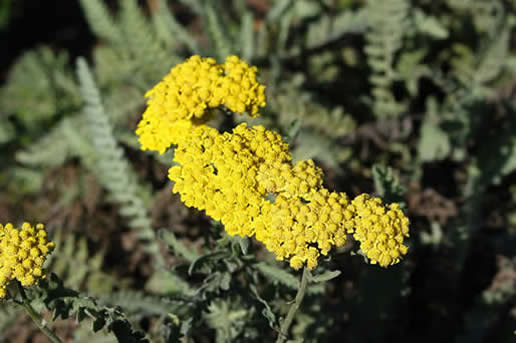
- Blooms June–October
- Gardens: THG
Yarrow (Achillea millefolium) L.
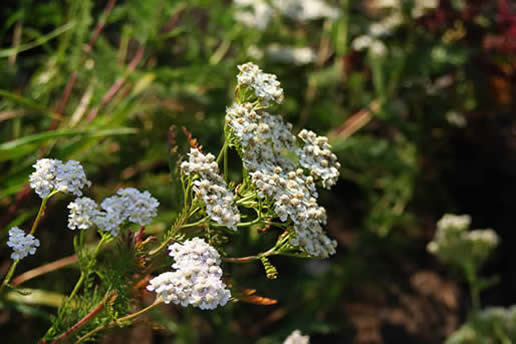
- Blooms June–October
- Gardens: EYG, TG
Anise Hyssop (Agastache foeniculum x rugosa ‘Blue Fortune’)
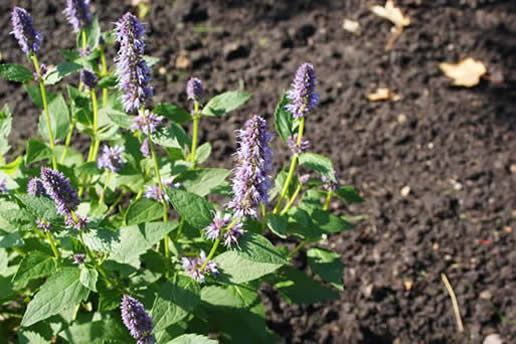
- Blooms June–August
- Gardens: EYG, THG
Hollyhock (Alcea rosea ‘Peaches ‘N Dreams’) L.
- Blooms June–September
- Gardens: BBG
- Biennial
Hollyhock (Alcea rosea ‘Maroon’) L.
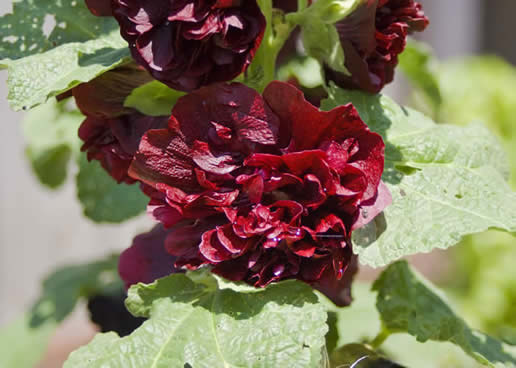
- Blooms June–September
- Gardens: BBG
- Biennial
Garlic Chives (Allium tuberosum)
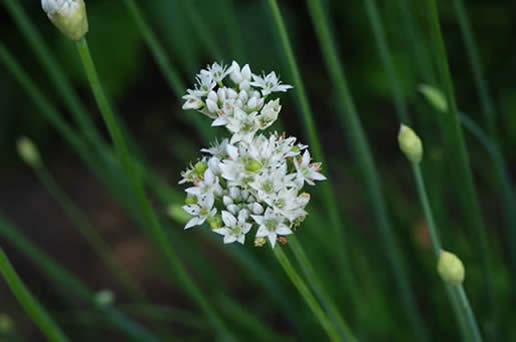
- Blooms August–September
- Gardens: THG
Columbine (Aquilegia vulgaris ‘Clementine’) L.
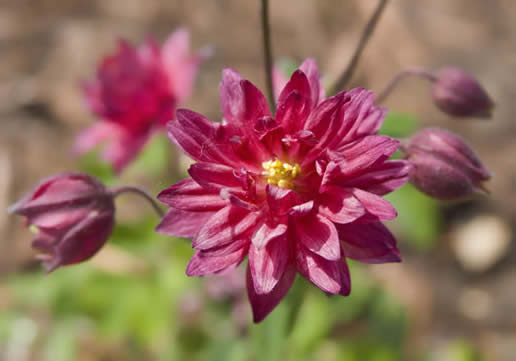
- Blooms May–July
- Gardens: BBG
Rock Cress (Arabis caucasica ‘Variegata’)
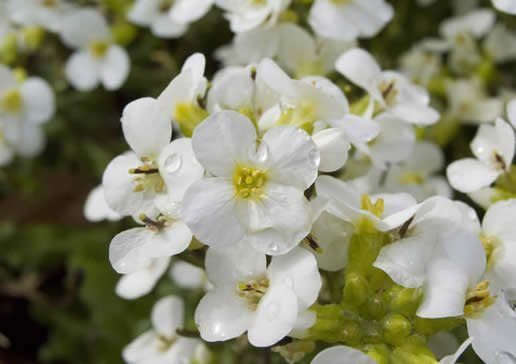
- Blooms April–May
- Gardens: EYG
Silver Brocade Artemisia (Artemisia stelleriana)
- Blooms August–October
- Gardens: EYG
Wild Ginger (Asarum canadense) L.
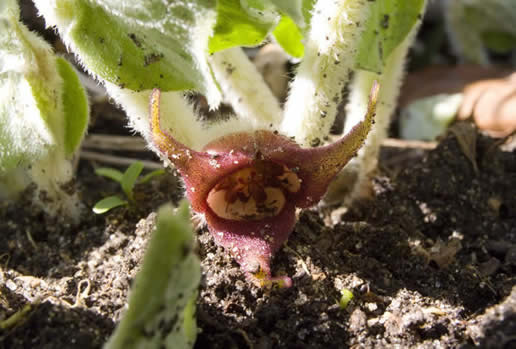
- Blooms April–May
- Gardens: THG
Swamp Milkweed (Asclepias incarnata) L.
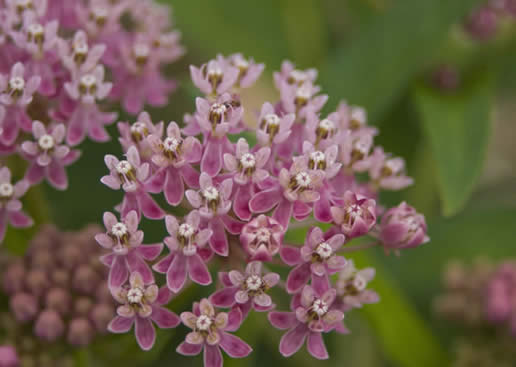
- Blooms June–August
- Gardens: BBG, THG
Butterfly Weed (Asclepias tuberosa) L.
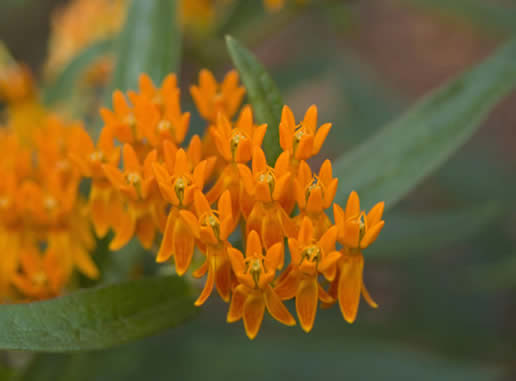
- Blooms June–August
- Gardens: BBG, EYG
New York Aster or Michaelmas Daisy (Aster dumosus ‘Wood’s Pink’) L.
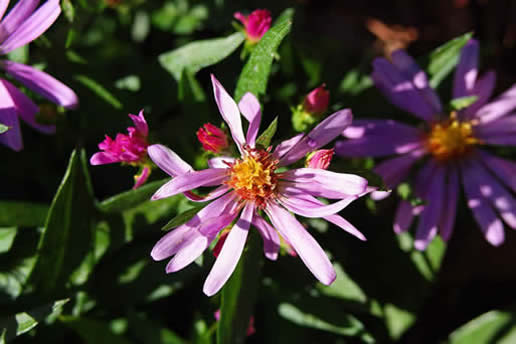
- Blooms August–September
- Gardens: BBG
New England Aster (Aster novae-angliae) L.
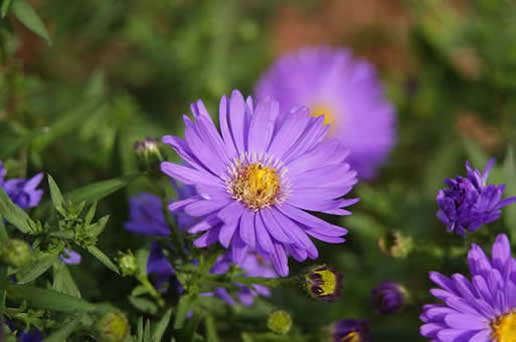
- Blooms September–October
- Gardens: BBG, TG, THG
New England Aster (Aster novae-angliae ‘Alma Potschke’) L.
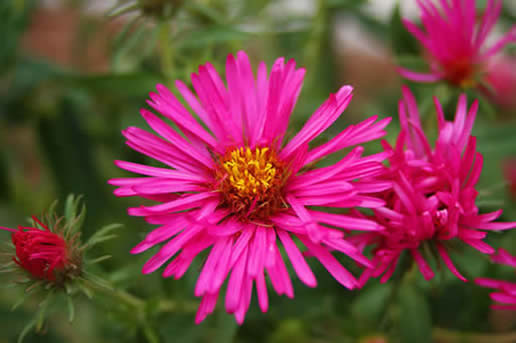
- Blooms September–October
- Gardens: BBG
False Indigo (Baptisia x variicolor ‘Twilite Prairieblues’)
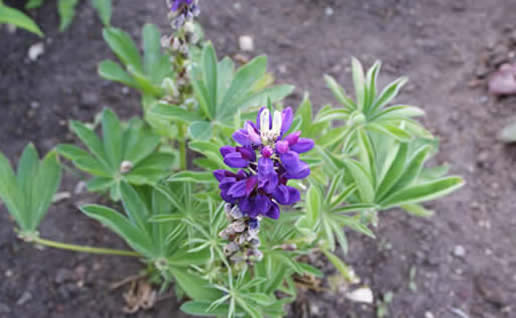
- Blooms May–July
- Gardens: EYG
Japanese Barberry (Berberis thunbergii ‘Atropurpurea Nana’)
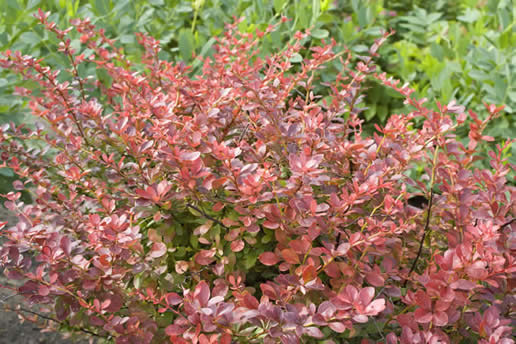
- Blooms May–June
- Gardens: EYG
Heartleaf Bergenia (Bergenia cordifolia ‘Perfect’)
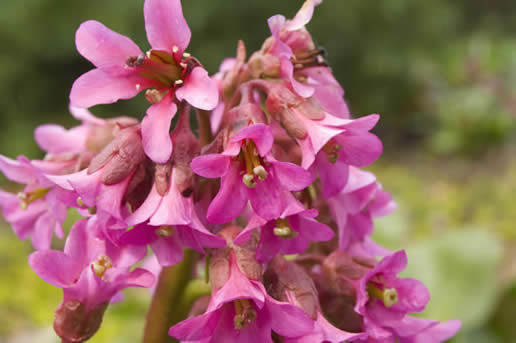
- Blooms May–June
- Gardens: EYG, GGHG
Butterfly Bush (Buddleia davidii ‘Black Knight’)
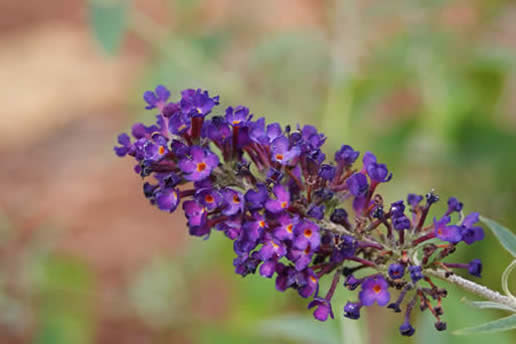
- Blooms July–September
- Gardens: BBG
Feather Reed Grass (Calamagrostis arundinacea ‘Karl Foerster’)
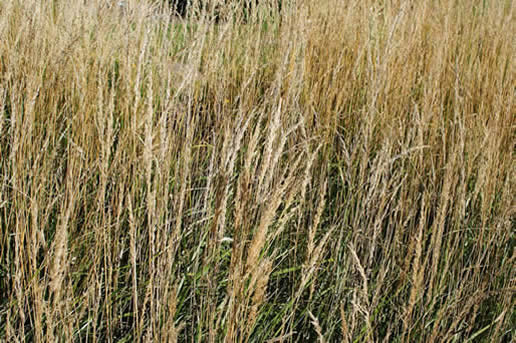
- Blooms May–October
- Gardens: EYG
Bellflower (Campanula) L.
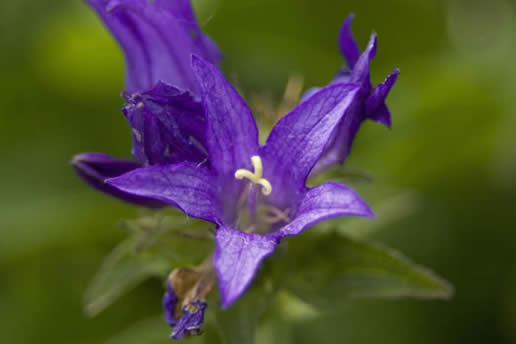
- Blooms June–August
- Gardens: TG
Pink Turtlehead (Chelone lyonii)
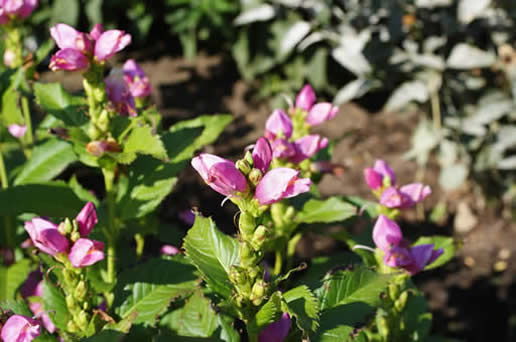
- Blooms July–September
- Gardens: EYG
Mammoth Lavender Daisy Garden Mum (Chrysanthemum hybrid) L.
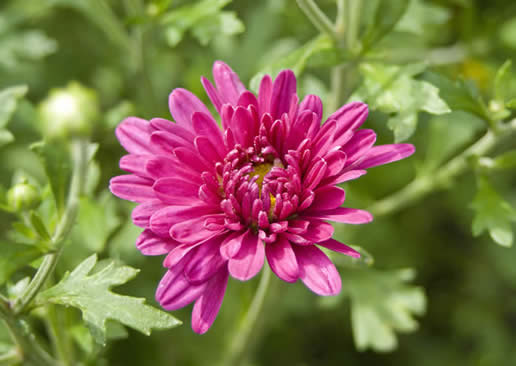
- Blooms June–September
- Gardens: EYG, TG
Mammoth Orange Garden Mum (Chrysanthemum hybrid) L.
- Blooms June–September
- Gardens: EYG, TG
Stiff Tickseed (Coreopsis palmata)
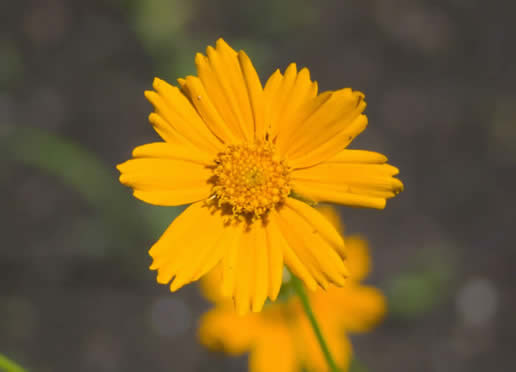
- Blooms June–August
- Gardens: EYG
Tickseed (Coreopsis lanceolata ‘Early Sunrise’) L.
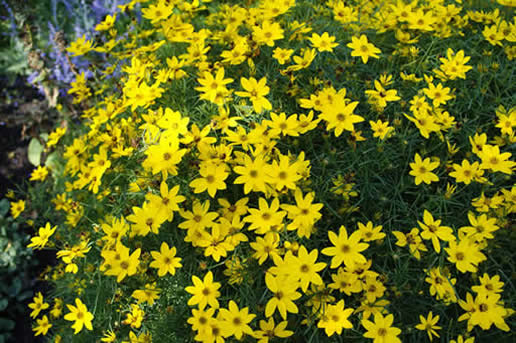
- Blooms June–August
- Gardens: EYG
Delphinium (Delphinium ‘Belladonna’) L.
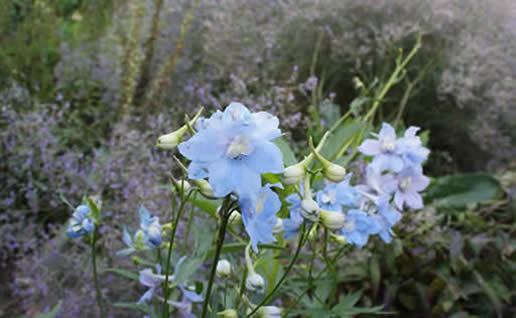
- Blooms July–September
- Gardens: TG
Delphinium (Delphinium elatum ‘Pure White Magic Fountains’) L.
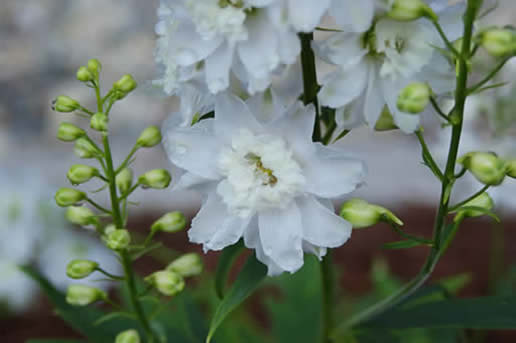
- Blooms July–September
- Gardens: BBG
Delphinium (Delphinium grandiflorum ‘Blue Butterfly’) L.
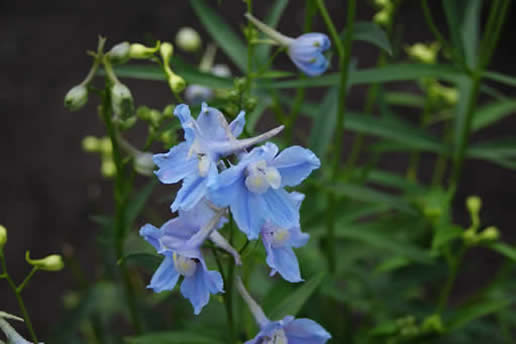
- Blooms July–September
- Gardens: TG
Foxglove (Digitalis purpurea ‘Alba’) L.
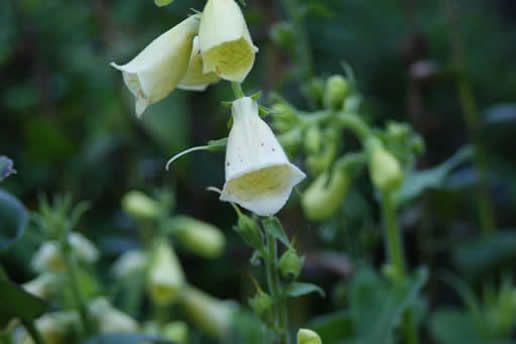
- Blooms July–September
- Gardens: TG
Foxglove (Digitalis ‘Camelot Rose’) L.
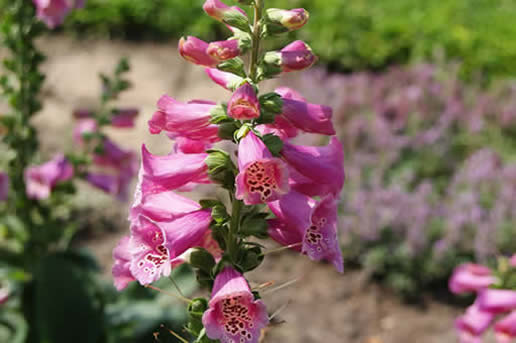
- Blooms July–September
- Gardens: THG
Purple Coneflower (Echinacea purpurea)
- Blooms June–September
- Gardens: EYG
Purple Coneflower (Echinacea purpurea ‘Bright Star’)
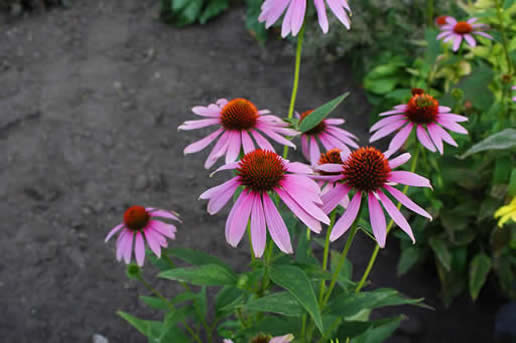
- Blooms June–September
- Gardens: TG
Purple Coneflower (Echinacea purpurea ‘Magnus’)
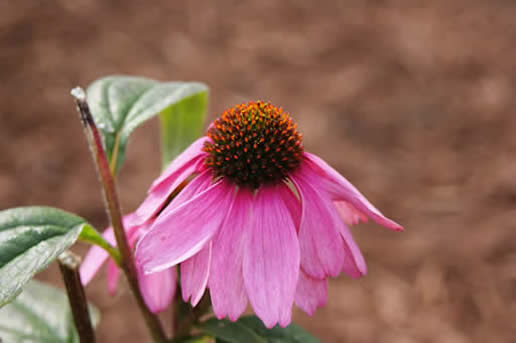
- Blooms June–September
- Gardens: BBG
Purple Coneflower (Echinacea purpurea ‘Sunrise’)
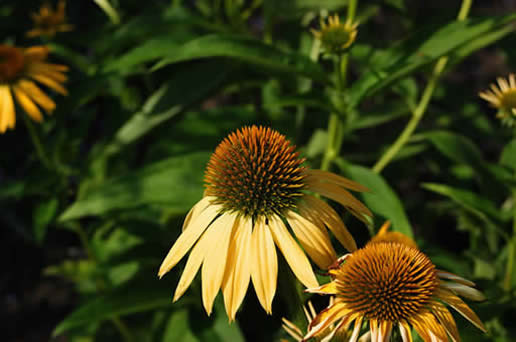
- Blooms June–September
- Gardens: TG
Globe Thistle (Echinops ‘Taplow Blue’) L.
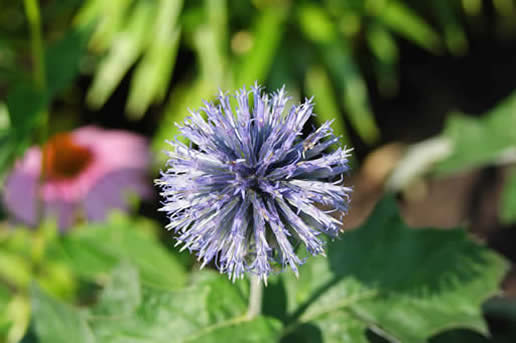
- Blooms June–August
- Gardens: EYG
Joe-pye Weed (Eupatorium purpureum ‘Gateway’) L.
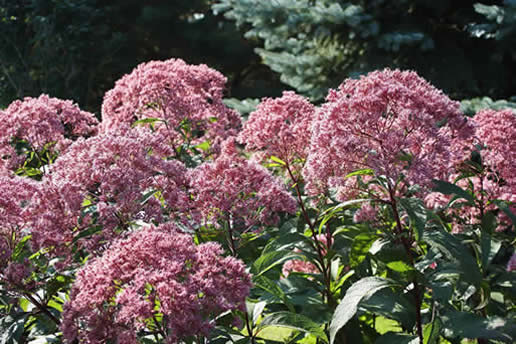
- Blooms August–September
- Gardens: BBG, EYG
Queen of the Prairie or Meadowsweet (Filipendula rubra ‘Venusta Magniticum’)
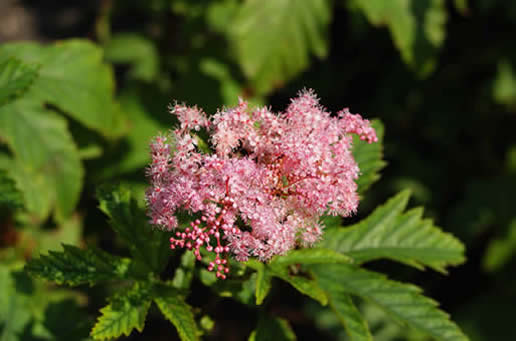
- Blooms June–July
- Gardens: EYG
Blanketflower (Gaillardia x grandiflora ‘Goblin’)
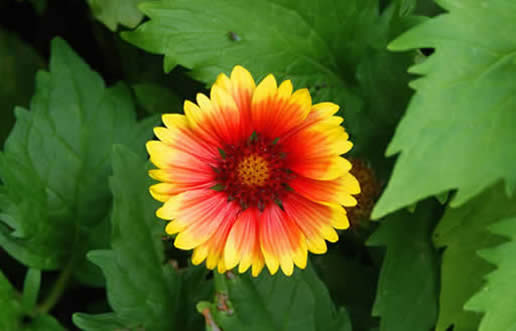
- Blooms June–September
- Gardens: THG
Oxeye (Heliopsis helianthoides ‘Summer Sun’)
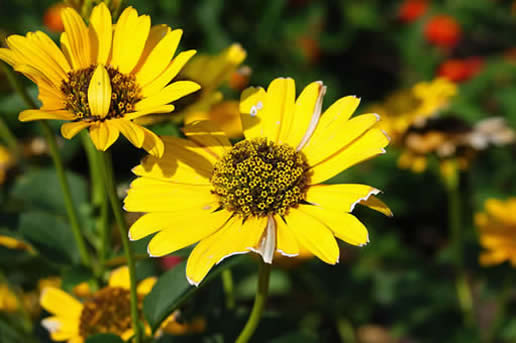
- Blooms May–July
- Gardens: EYG
Daylily (Hemerocallis ‘Stella d’Oro’) L.
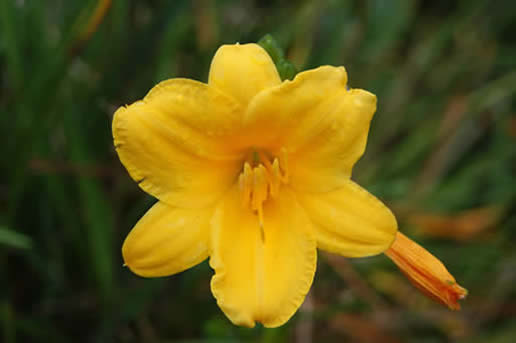
- Blooms June–October
- Gardens: EYG, TG
Daylily (Hemerocallis hybrids) L.
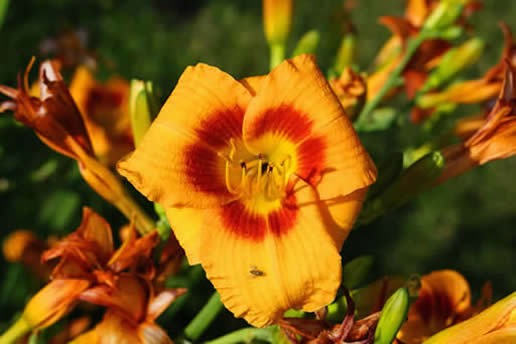
- Blooms July–September
- Gardens: EYG, TG
Coralbells (Heuchera micrantha ‘Palace Purple’)
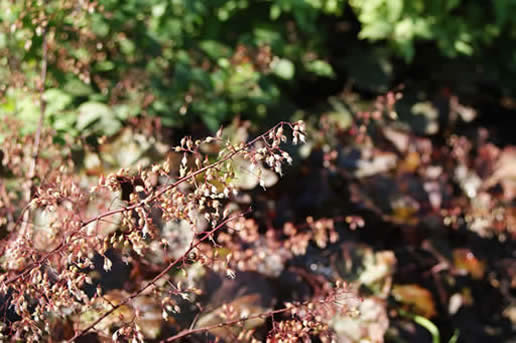
- Blooms July–September
- Gardens: EYG, TG
Kyushu Hydrangea Tree (Hydrangea paniculata ‘Kyushu’) L.
- Blooms June–August
- Gardens: EYG
Hydrangea (Hydrangea paniculata ‘Limelight’) L.
- Blooms June–August
- Gardens: TG
Orris Root (Iris pallida ‘Variegata’)
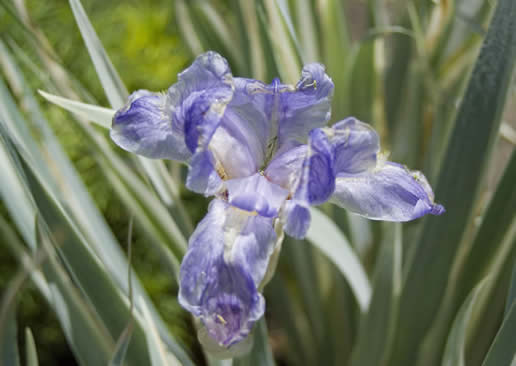
- Blooms May–June
- Gardens: EYG, TG
Siberian Iris (Iris sibirica ‘Silver Illusion’) L.
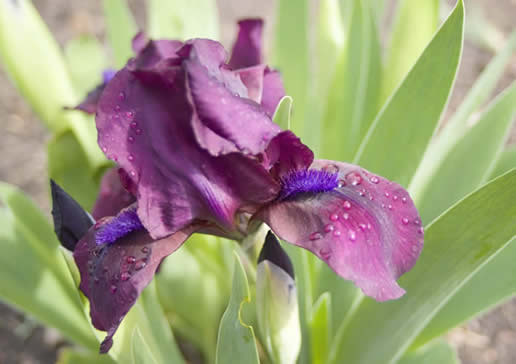
- Blooms May–June
- Gardens: EYG
Gayfeather (Liatris spicata ‘Floristan Violet’)
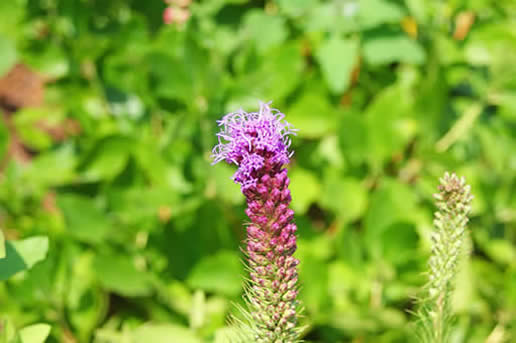
- Blooms July–August
- Gardens: TG
Oriental Lily (Lilium hybrids) L.
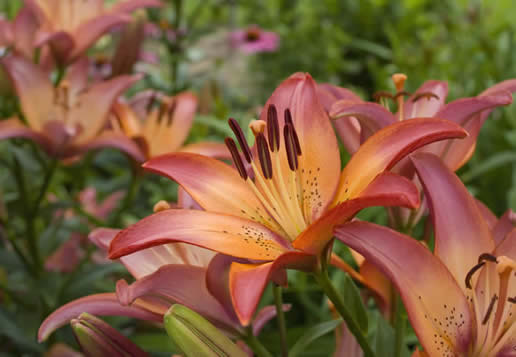
- Blooms May–July
- Gardens: EYG
Sea Lavender (Limonium latifolium)
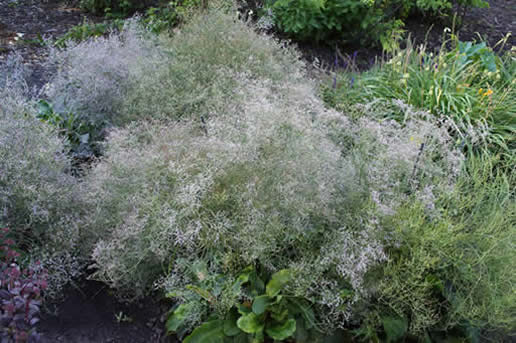
- Blooms August–September
- Gardens: TG
Maltese Cross (Lychnis chalcedonica) L.
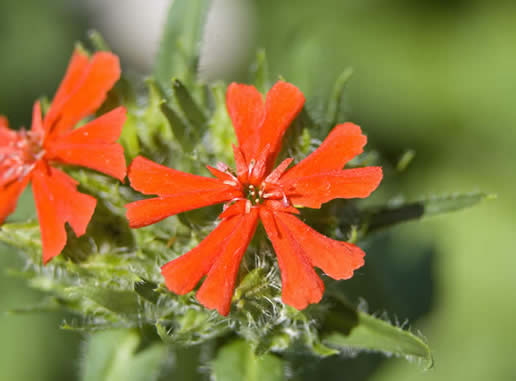
- Blooms July–September
- Gardens: EYG
Creeping Jenny or Moneywort (Lysimachia nummularia) L.
- Blooms July–August
- Gardens: EYG
Yellow Loosestrife (Lysimachia punctata) L.
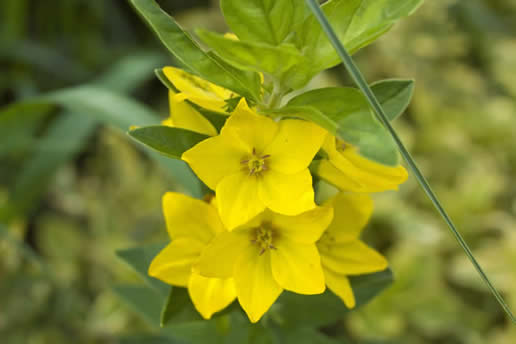
- Blooms June–August
- Gardens: EYG
Virginia Bluebell (Mertensia virginica)
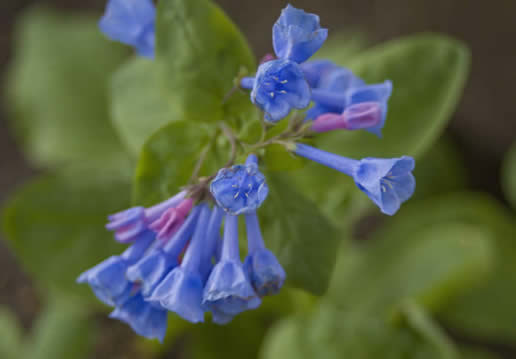
- Blooms April–May
- Gardens: GGHG
Heavy Metal Miscanthus (Miscanthus sinensis 'Heavy Metal')
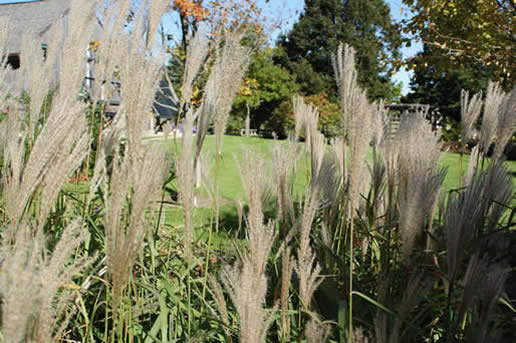
- Blooms September–October
- Gardens: EYG
Silver Feather Miscanthus (Miscanthus sinensis ‘Silberfeder’)
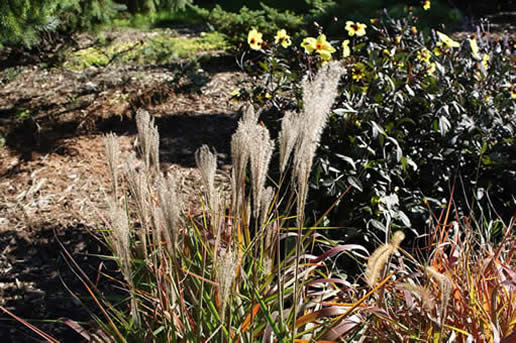
- Blooms July–October
- Gardens: TG
Variegated Maiden Grass (Miscanthus sinensis ‘Variegatus’)
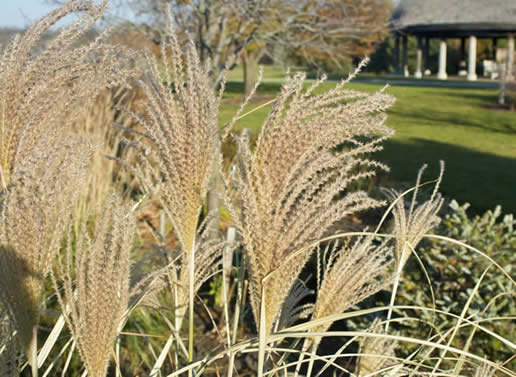
- Blooms July–October
- Gardens: EYG
Scarlet Bee Balm (Monarda didyma) L.
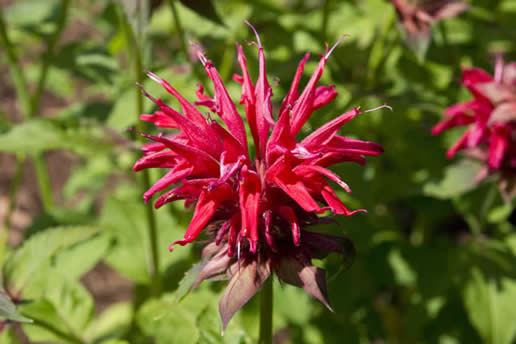
- Blooms June–September
- Gardens: BBG
Catnip (Nepeta cataria ‘Walker’s Low’) L.
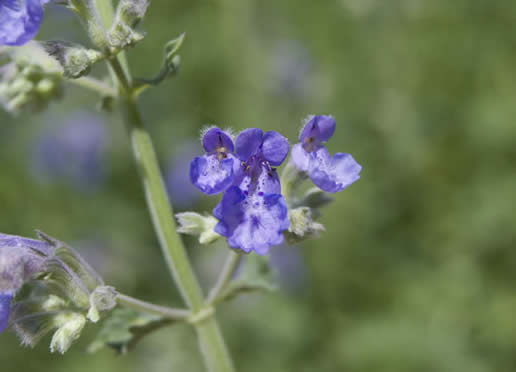
- Blooms July–October
- Gardens: THG
Russian Sage (Perovskia atriplicifolia ‘Longin’)
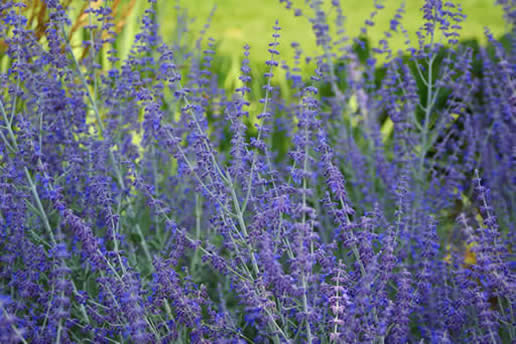
- Blooms July–October
- Gardens: EYG, TG
Phlox (Phlox subulata ‘Fort Hill’) L.
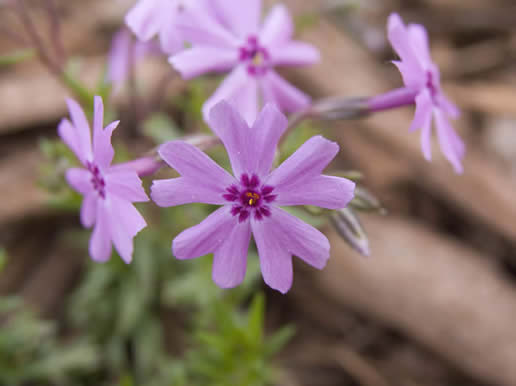
- Blooms April–June
- Gardens: BBG
Pasqueflower (Pulsatilla)
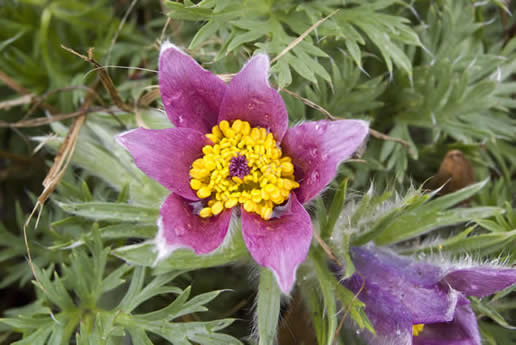
- Blooms April–May
- Gardens: EYG
P.J.M. Rhododendron (Rhododendron carolinianum x dauricum)
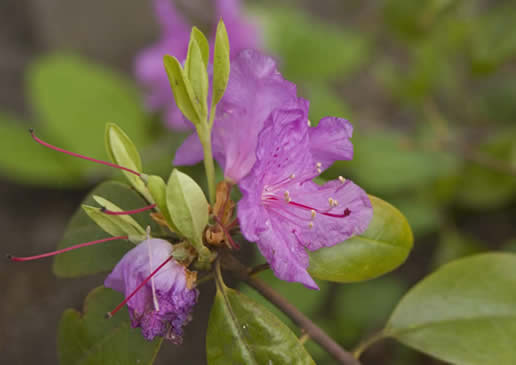
- Blooms April–May
- Gardens: GGHG
Rosemary (Rosmarinus officinalis) L.
- Blooms June–July
- Gardens: THG
Black-eyed Susan (Rudbeckia fulgida ‘Goldsturm’)
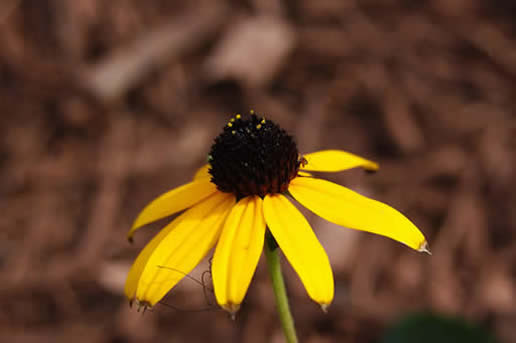
- Blooms June–September
- Gardens: BBG
Meadow Sage (Salvia sylvestris ‘Mainacht’) L.
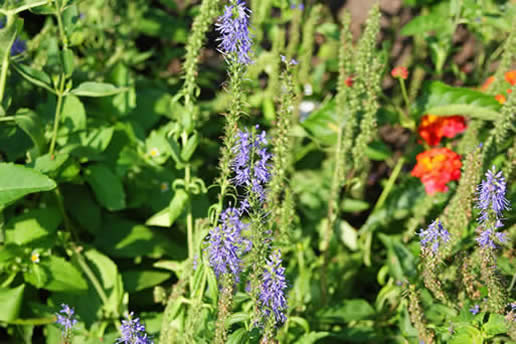
- Blooms July–September
- Gardens: EYG, TG
Variegated Stonecrop (Sedum kamtschaticum ‘Variegatum’)
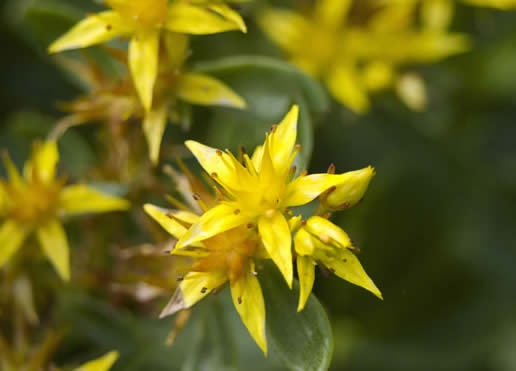
- Blooms July–August
- Gardens: EYG
Matrona Stonecrop (Sedum spectabile ‘Matrona’)
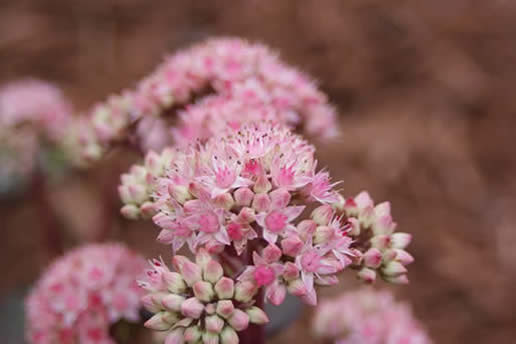
- Blooms August–October
- Gardens: BBG
Red Carpet Stonecrop (Sedum spurium ‘Red Carpet’)
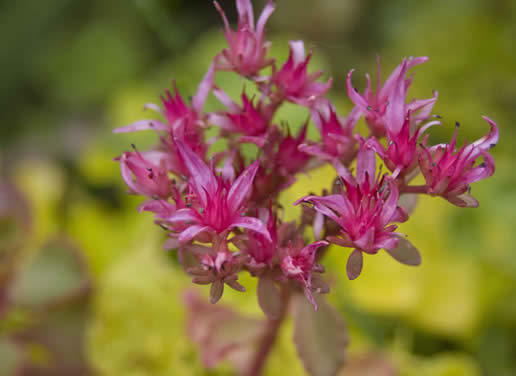
- Blooms June–August
- Gardens: EYG
Autumn Joy Sedum (Sedum telephium)
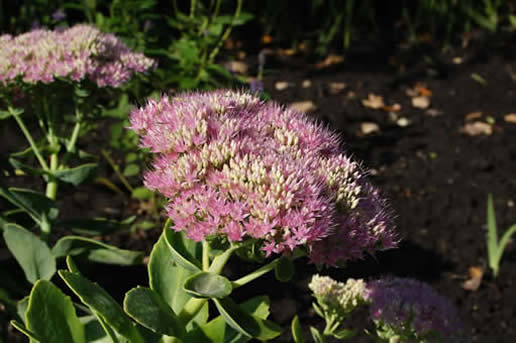
- Blooms August–October
- Gardens: EYG
Autumn Stonecrop (Sedum ‘Purple Emperor’)
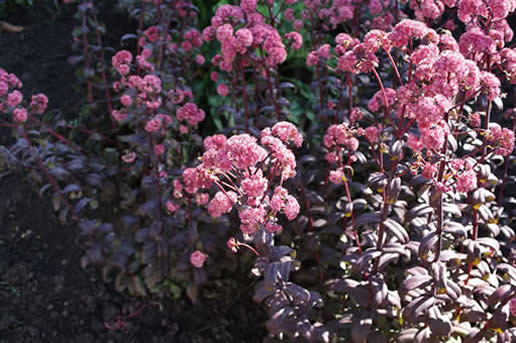
- Blooms August–October
- Gardens: TG
Goldflame Spirea (Spirea bumalda ‘Goldflame’)
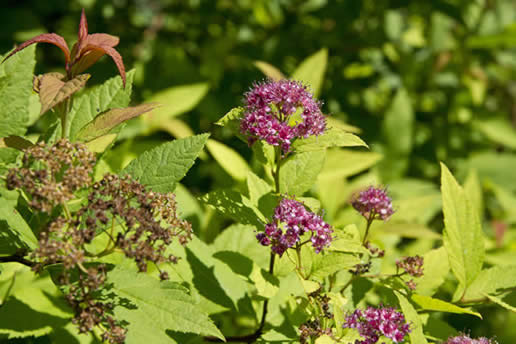
- Blooms May–August
- Gardens: EYG
Speedwell (Veronica spicata ‘Giles Van Hees’) L.
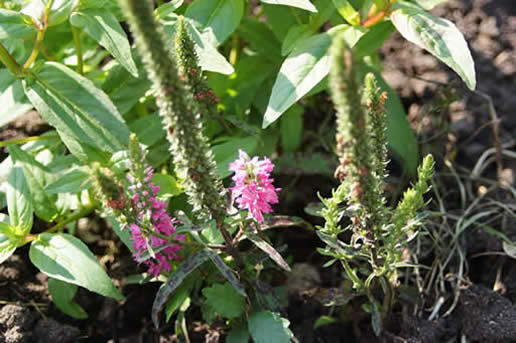
- Blooms June–August
- Gardens: BBG, EYG
Red Prince Weigela (Weigela florida 'Red Prince')
- Blooms July–September
- Gardens: BBG
Adam’s Needle (Yucca filamentosa) L.
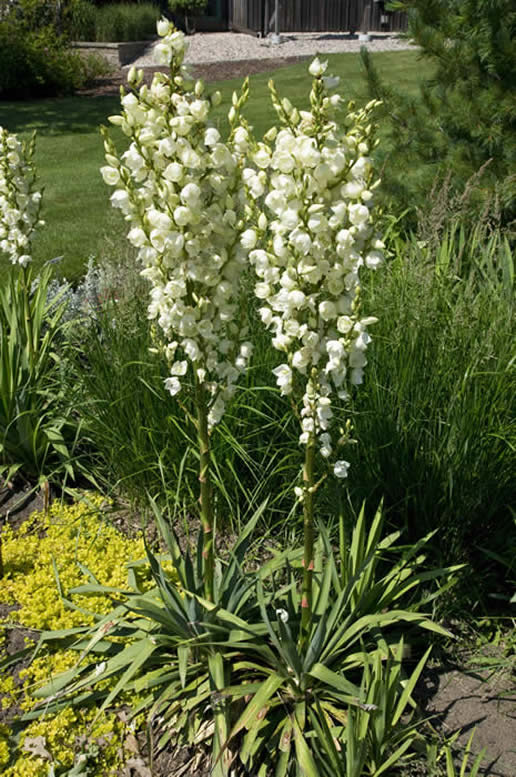
- Blooms May–July
- Gardens: EYG
Annuals (species not always planted in a given year)
Floss Flower (Ageratum houstonianum)
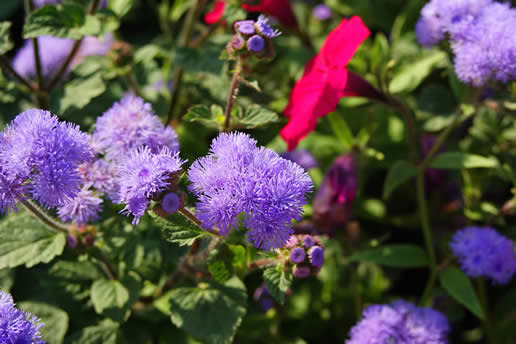
- Blooms May–October
- Gardens: AnG
Snapdragon (Antirrhinum) L.
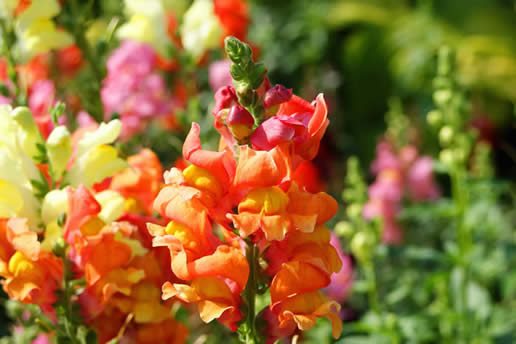
- Blooms May–October
- Gardens: AnG
Variegated Canna (Canna pretoria)
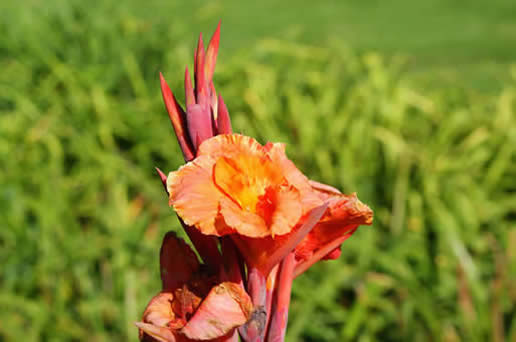
- Blooms July–September
- Gardens: EYG
Dahlia (Dahlia ‘Mystic Illusion’)
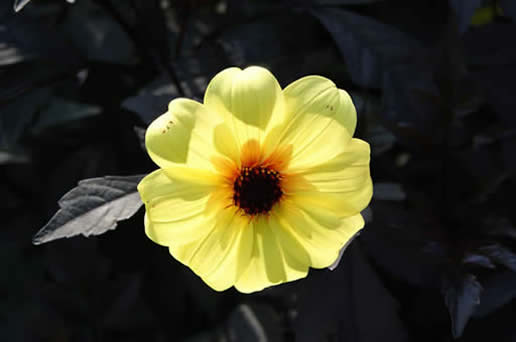
- Blooms July–October
- Gardens: EYG, TG
Impatiens (Impatiens)
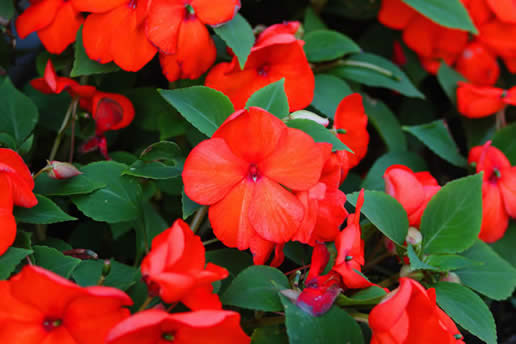
- Blooms May–October
- Gardens: AnG
Common Lantana (Lantana camara) L.
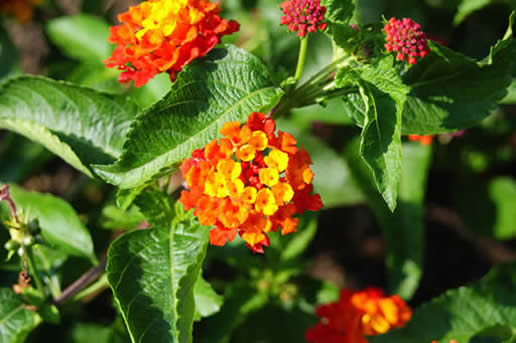
- Blooms May–October
- Gardens: EYG, THG
Egyptian Star Cluster (Pentas lanceolata)
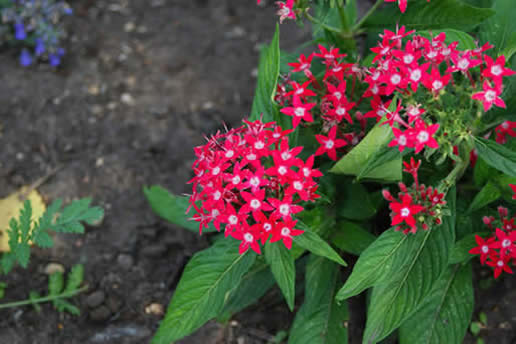
- Blooms June–September
- Gardens: THG
Petunia (Petunia)
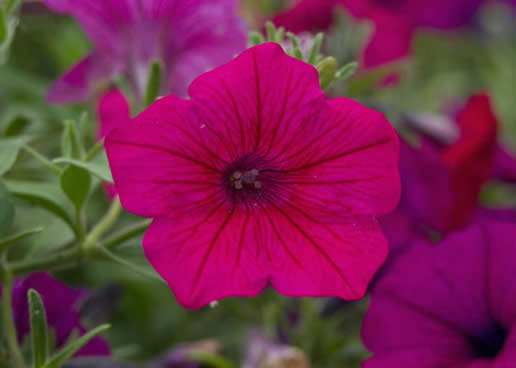
- Blooms May–October
- Gardens: AnG
Scarlet Sage (Salvia coccinea)
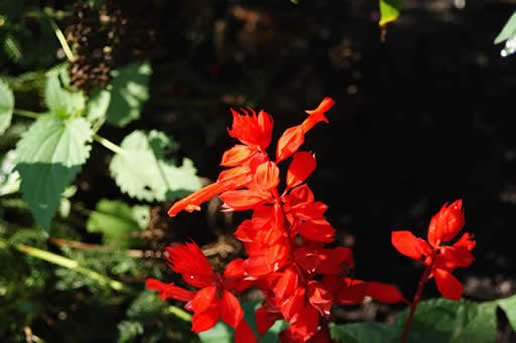
- Blooms August–September
- Gardens: TG
Mealy Sage (Salvia farinacea)
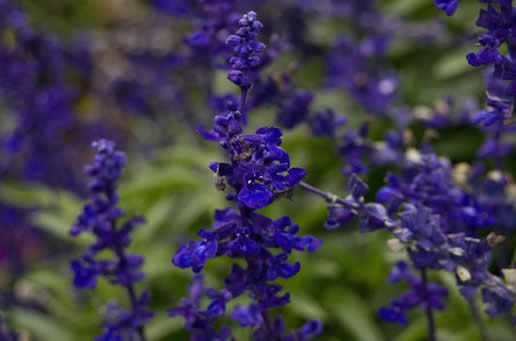
- Blooms May–October
- Gardens: AnG
Blue Sage (Salvia guaranitica)
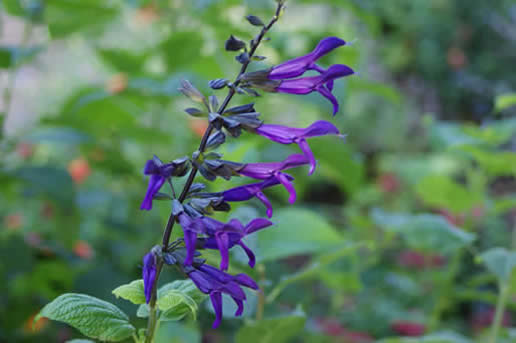
- Blooms August–September
- Gardens: THG
Dusty Miller (Senecio cineraria)
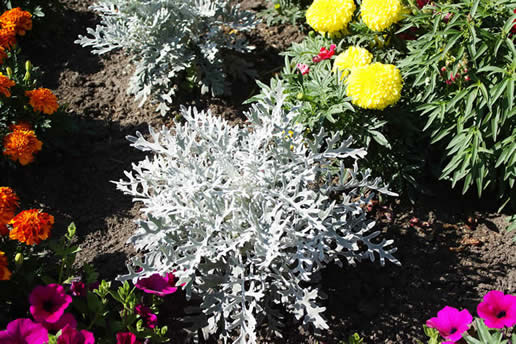
- Bloom time n/a
- Gardens: AnG
- Grown for foliage, cultivated varieties don't bloom
Marigold (Tagetes) L.
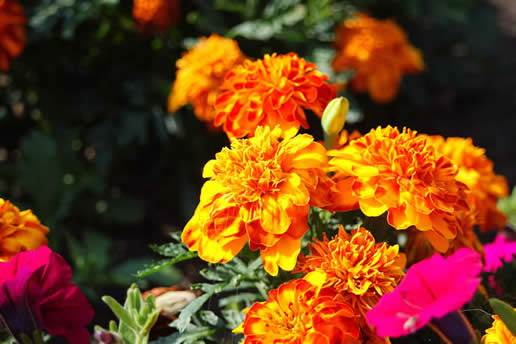
- Blooms May–October
- Gardens: AnG
*All photos taken at Gustavus by Bob Dunlap, Arboretum Naturalist unless otherwise noted.
Trees and Shrubs
A guide to some of the trees and shrubs, both planted and naturally occurring, that could be found in the Arboretum. The guide includes: photos, plant family, native range, location in arboretum or on campus, and known cultivars planted
A guide to some of the trees and shrubs, both planted and naturally occurring, that could be found in the Arboretum.
- Plant Family
- Native Range
- Location in arboretum or on campus
- Known cultivars planted
Balsam Fir (Abies balsamea)
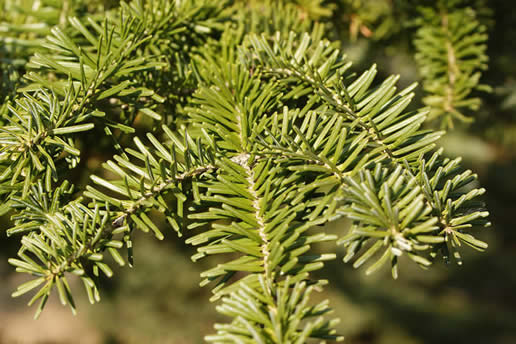
- Small plantation behind President’s House
- Eastern and central Canada, northeastern and north-central United States
- Pine Family (Pinaceae)
White Fir (Abies concolor)
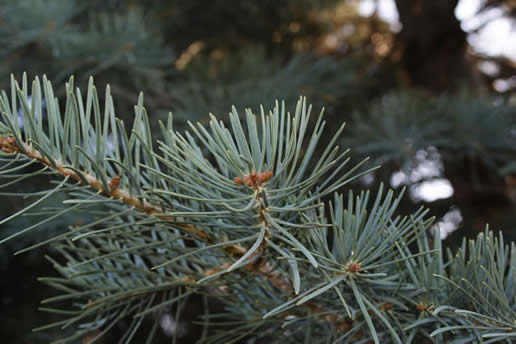
- Planted ornamentally near Interpretive Center and elsewhere on campus
- Mountains of western United States
- Cultivars: ‘Candicans’
- Pine Family (Pinaceae)
Korean Fir (Abies koreana)
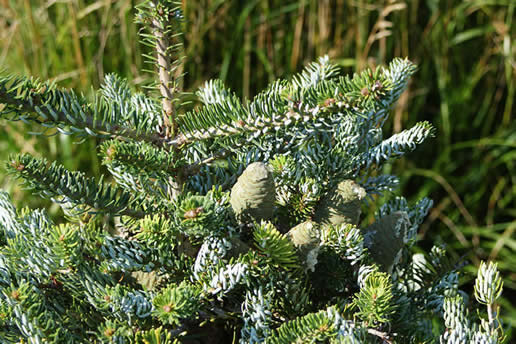
- Planted in Interpretive Center’s perennial gardens
- Mountains of South Korea
- Cultivars: ‘Horstmann’s Silberlocke’
- Pine Family (Pinaceae)
Subalpine Fir (Abies lasiocarpa)
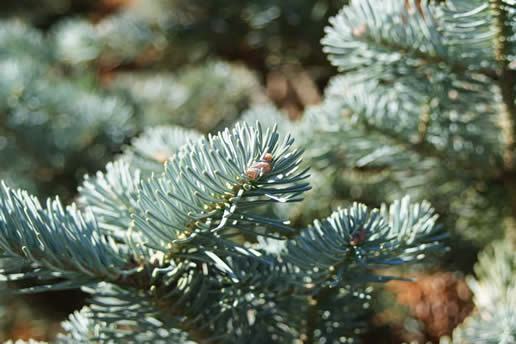
- A few trees planted in conifer garden southwest of Interpretive Center
- Mountains of western North America
- Cultivars: ‘Glauca’
- Pine Family (Pinaceae)
Amur Maple (Acer ginnala)
- Planted ornamentally in maple collection south of Borgeson cabin, has spread into Arb’s deciduous forest
- Northeastern Asia
- Maple Family (Aceraceae)
Boxelder (Acer negundo) L.
- A couple trees planted on west side of Jim Gilbert Teaching Pond, also commonly found in deciduous forest in Arb
- Eastern, central, and parts of western United States and southern Canada, also south to Guatemala
- Maple Family (Aceraceae)
Norway Maple (Acer platanoides) L.
- Planted ornamentally in maple collection south of Borgeson cabin
- Eastern and central Europe and southwest Asia
- Cultivars: ‘Crimson King’
- Maple Family (Aceraceae)
Red Maple (Acer rubrum) L.
- Planted ornamentally along Ring Road and elsewhere across campus and in Arb
- Eastern North America
- Cultivars: ‘Northwoods’
- Maple Family (Aceraceae)
Silver Maple (Acer saccharinum) L.
- Planted ornamentally across campus, also found in deciduous forest in Arb
- Eastern North America
- Maple Family (Aceraceae)
Sugar Maple (Acer saccharum)
- Commonly found in deciduous forest in Arb, also planted across campus
- Northeastern and north-central North America
- Maple Family (Aceraceae)
Freeman Maple (Acer x freemannii)
- Planted across campus
- Hybrid of Red Maple and Silver Maple
- Cultivars: ‘Autumn Blaze’
- Maple Family (Aceraceae)
Ohio Buckeye (Aesculus glabra)
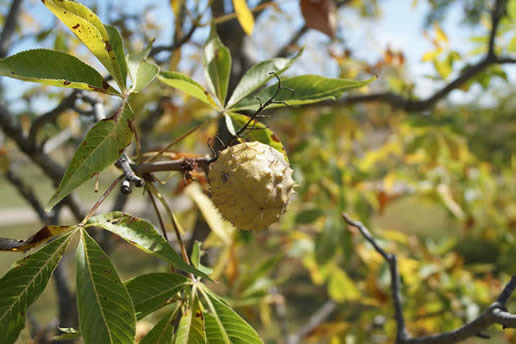
- Small plantation west of maple collection in Arb, also two trees in mall area between Confer/Vickner and Nobel halls
- Midwest United States, also some areas in southern United States and south-central Canada
- Soapberry Family (Sapindaceae)
Serviceberry (Amelanchier arborea)
- Plantation east of Borgeson cabin in Arb
- Eastern North America
- Cultivars: ‘Autumn Brilliance’
- Rose Family (Rosaceae)
River Birch (Betula nigra) L.
- Small plantation southwest of Interpretive Center, also some trees planted in deciduous forest of Arb
- Eastern and central North America
- Birch Family (Betulaceae)
Paper Birch (Betula papyrifera)
- Small plantations southwest of Interpretive Center and west of Borgeson cabin
- North America
- Birch Family (Betulaceae)
Shellbark Hickory (Carya laciniosa)
- Single trees planted on west side of Borgeson cabin in Arb
- Eastern and Midwest United States
- Walnut Family (Juglandaceae)
Southern Catalpa (Catalpa bignonioides)
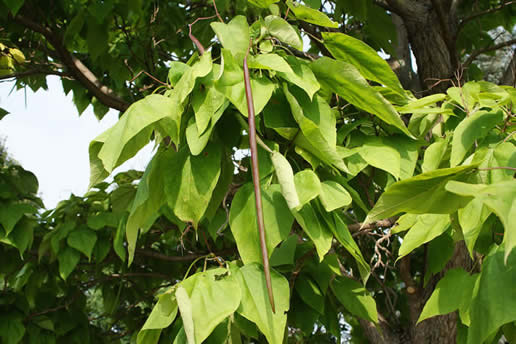
- Small plantation east of Interpretive Center
- Southeast United States
- Trumpet Creeper Family (Bignoniaceae)
Northern Catalpa (Catalpa speciosa)
- Small plantation east of Interpretive Center
- Midwest United States
- Trumpet Creeper Family (Bignoniaceae)
Hackberry (Celtis occidentalis) L.
- Planted across campus and in Arb
- North America
- Elm Family (Ulmaceae)
Red Osier Dogwood (Cornus sericea) L.
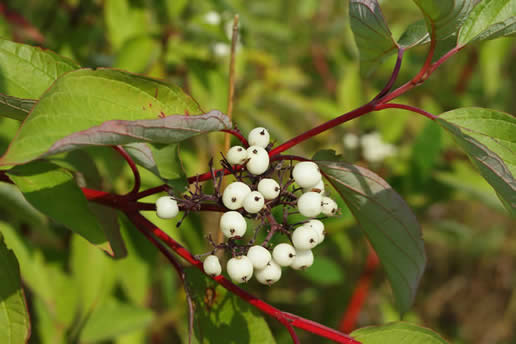
- Found throughout Arb, especially near wooded areas and along prairie edges
- Northern and western North America
- Dogwood Family (Cornaceae)
Thornless Cockspur Hawthorn (Crataegus crus-galli var. inermis)
- Planted across campus, especially near campus center on north side of campus
- Eastern and central North America
- Rose Family (Rosaceae)
Green Ash (Fraxinus pennsylvanica)
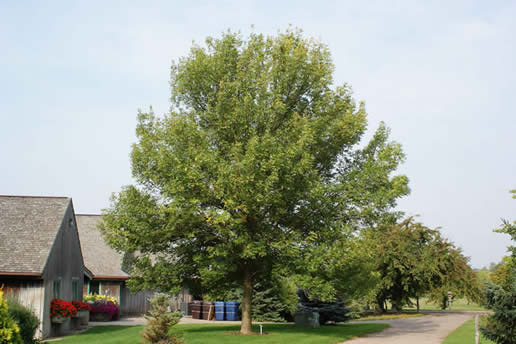
- Small plantation west of Interpretive Center, planted elsewhere across campus
- Eastern and central North America
- Cultivars: ‘Summit’
- Olive Family (Oleaceae)
Ginkgo (Ginkgo biloba) L.
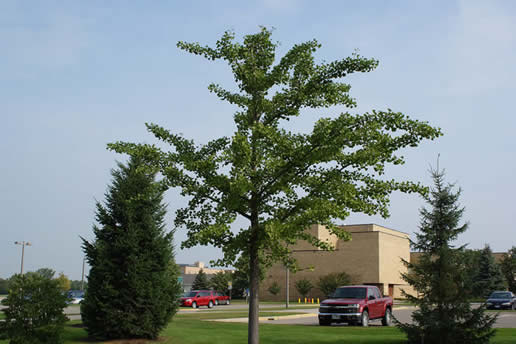
- Individual trees planted near Interpretive Center and elsewhere on campus
- Eastern China
- Ginkgo Family (Ginkgoaceae)
Honey Locust (Gleditsia triacanthos var. inermis) L.
- Planted across campus, also found in deciduous forest in Arb
- Eastern and central North America
- Cultivars: ‘Suncole’
- Legume Family (Fabaceae)
Kentucky Coffeetree (Gymnocladus dioicus)
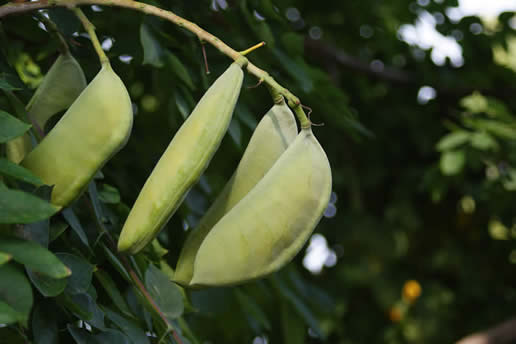
- Small plantation east of Interpretive Center
- Midwest United States (as far north as Le Sueur, MN)
- Legume Family (Fabaceae)
Black Walnut (Juglans nigra) L.
- Individual trees planted south of Borgeson cabin in Arb near buckeye plantation and elsewhere across campus
- Eastern and central North America
- Walnut Family (Juglandaceae)
Eastern Red Cedar (Juniperus virginiana) L.
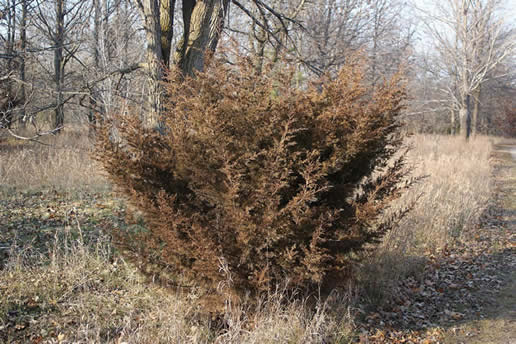
- Commonly found in coniferous and deciduous forests in Arb
- Eastern and central North America
- Cypress Family (Cupressaceae)
European Larch (Larix decidua)
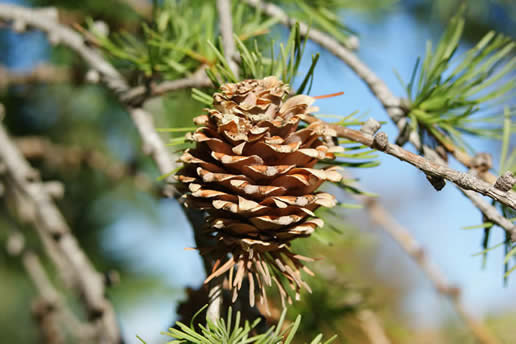
- Small plantation on north side of Jim Gilbert Teaching Pond in Arb
- Central Europe
- Pine Family (Pinaceae)
Tamarack or American Larch (Larix laricina)
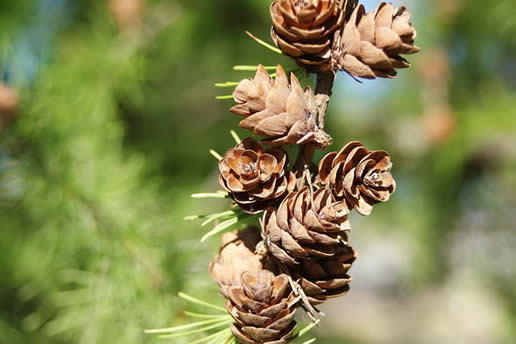
- Small plantation on north side of Jim Gilbert Teaching Pond in Arb, also individual trees planted near Interpretive Center
- Northern North America
- Pine Family (Pinaceae)
Magnolia (Magnolia sp.) L.
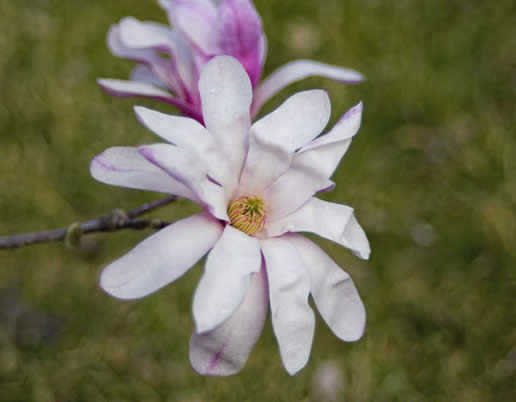
- Individual trees planted near Interpretive Center and campus center on north end of campus
- North America
- Magnolia Family (Magnoliaceae)
Apple (Malus domestica)
- Small plantation near Borgeson cabin in Arb
- Central Asia, but naturalized widely throughout the world
- Cultivars: ‘Northwest Greening,’ ‘Honey Gold Semi-Dwarf,’ ‘Wolf River Semi-Dwarf,’ ‘Haralson,’ ‘Honey Crisp,’ ‘Fireside,’ ‘Beacon,’ ‘Haralred’
- Rose Family (Rosaceae)
Crabapple (Malus sp.) L.
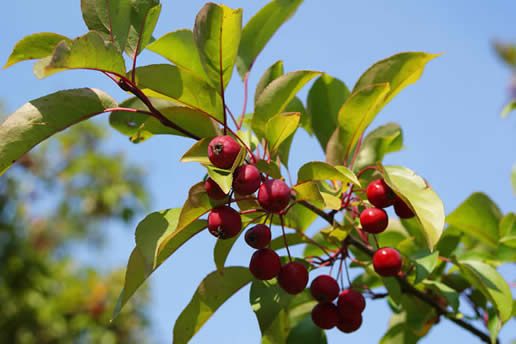
- Individual trees planted widely throughout Arb and across campus
- Northern Hemisphere
- Cultivars: ‘Flame,’ ‘Red Splendor,’ ‘Prairie Fire,’ ‘Sparkler’
- Rose Family (Rosaceae)
Red Mulberry (Morus rubra) L.
- Found in deciduous and coniferous forests in Arb
- Eastern and central North America
- Mulberry Family (Moraceae)
Ironwood or American Hophornbeam (Ostrya virginiana)
- Individual trees planted across campus, also found in deciduous forest in Arb
- Eastern and central North America
- Birch Family (Betulaceae)
Norway Spruce (Picea abies)
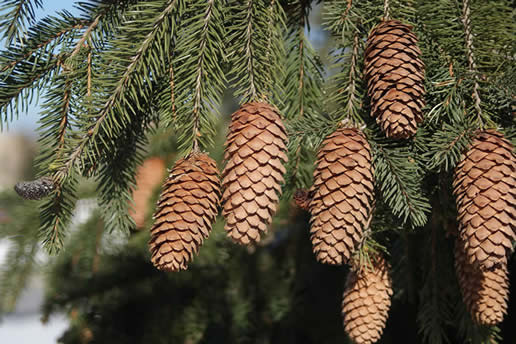
- Individual trees planted widely across campus and near Interpretive Center
- Europe
- Cultivars: ‘Aarburg,’ ‘Acrocona,’ ‘Cincinatii,’ ‘Pendula Major’
- Pine Family (Pinaceae)
White Spruce (Picea glauca)
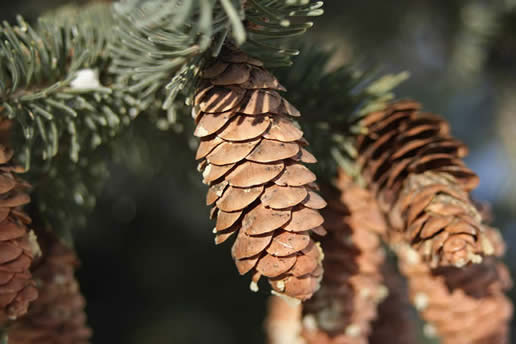
- Individual trees planted across campus and near Interpretive Center
- Northern North America
- Cultivars: ‘Coerulea,’ ‘Pendula’
- Pine Family (Pinaceae)
Black Spruce (Picea mariana)
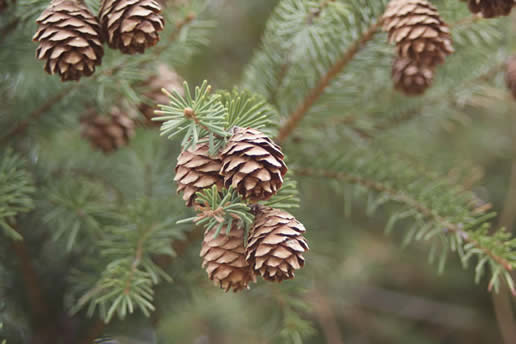
- Small plantation in conifer garden southwest of Interpretive Center
- Northern North America
- Pine Family (Pinaceae)
Serbian Spruce (Picea omorika)
- Individual trees planted in conifer garden southwest of Interpretive Center
- Western Serbia
- Pine Family (Pinaceae)
Colorado Blue Spruce (Picea pungens)
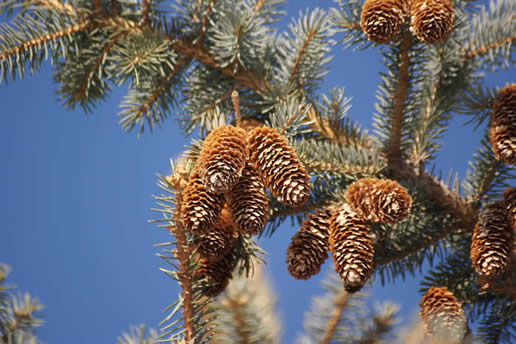
- Individual trees planted widely across campus and near Interpretive Center
- Western North America
- Cultivars: ‘Globosa,’ ‘Iseli Foxtail,’ ‘Montgomery’
- Pine Family (Pinaceae)
Jack Pine (Pinus banksiana)
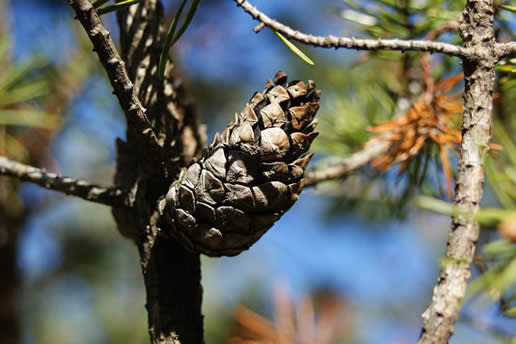
- Several trees planted in coniferous forest near North Arb Ponds
- Northeastern and north-central North America
- Pine Family (Pinaceae)
Ponderosa Pine (Pinus ponderosa)
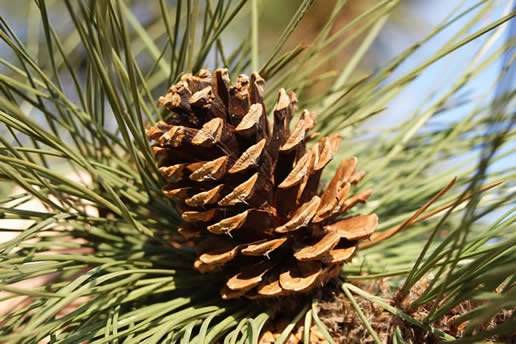
- Individual trees planted near Jones Northern Forest Ponds and east of Interpretive Center parking lot
- Western North America
- Pine Family (Pinaceae)
Red or Norway Pine (Pinus resinosa)
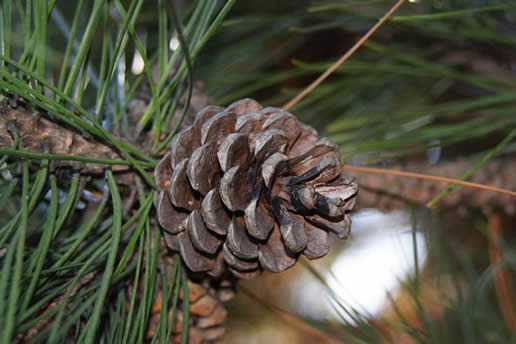
- Planted widely across campus and in coniferous forest in Arb
- Northeast and north-central North America
- Pine Family (Pinaceae)
- State Tree of Minnesota
Eastern White Pine (Pinus strobus) L.
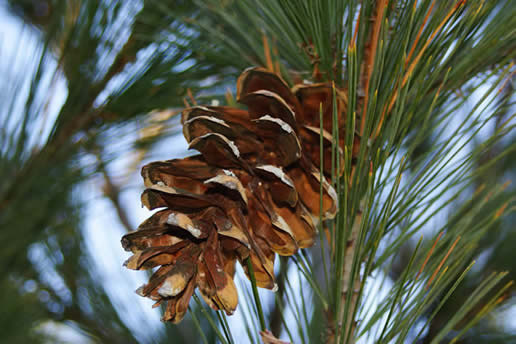
- Planted widely across campus and in coniferous forest in Arb
- Eastern and central North America
- Cultivars: ‘Alba,’ ‘Macopin’
- Pine Family (Pinaceae)
Scotch Pine (Pinus sylvestris) L.
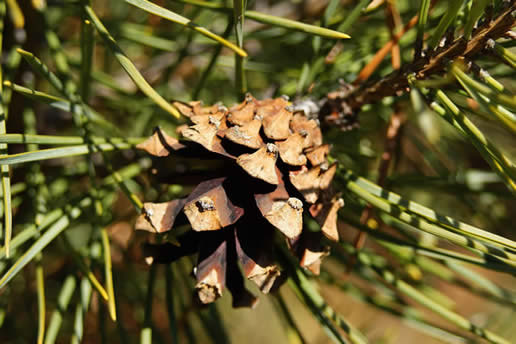
- Planted widely across campus and near Interpretive Center
- Europe and western Asia
- Pine Family (Pinaceae)
Eastern Cottonwood (Populus deltoides)
- Commonly found in deciduous forest in Arb, also planted elsewhere across campus
- Eastern, central, and southwest United States, northern Mexico
- Willow Family (Salicaceae)
Quaking Aspen (Poplulus tremuloides)
- Commonly found in deciduous forest in Arb, also planted elsewhere across campus
- North America
- Willow Family (Salicaceae)
Pin Cherry (Prunus pensylvanica) L.
- Small plantations southwest of Interpretive Center and near Borgeson cabin
- Northern North America
- Rose Family (Rosaceae)
Black Cherry (Prunus serotina)
- Small plantations southwest of Interpretive Center and near Borgeson cabin
- Eastern and southwest North America
- Rose Family (Rosaceae)
Common Chokecherry (Prunus virginiana) L.
- Small plantation southwest of Interpretive Center
- North America
- Cultivars: ‘Canada Red’
- Rose Family (Rosaceae)
Douglas Fir (Pseudotsuga menziesii)
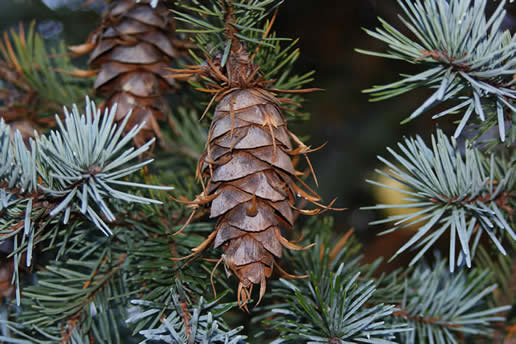
- Individual trees planted near Interpretive Center on south side of parking lot
- Western North America
- Cultivars: ‘Blue’
- Pine Family (Pinaceae)
White Oak (Quercus alba) L.
- Individual trees planted in Presidents Oak Grove west of Interpretive Center and elsewhere across campus
- Eastern North America
- Beech Family (Fagaceae)
Swamp White Oak (Quercus bicolor)
- Individual trees planted in Presidents Oak Grove west of Interpretive Center and elsewhere across campus
- Midwest and northeast United States, southeast Canada
- Beech Family (Fagaceae)
Northern Pin Oak (Quercus ellipsoidalis)
- Individual trees planted in Presidents Oak Grove west of Interpretive Center and elsewhere across campus
- Northern Midwest United States, south-central Canada
- Beech Family (Fagacea)
Bur Oak (Quercus macrocarpa)
- Individual trees planted in Presidents Oak Grove west of Interpretive Center and elsewhere across campus, also commonly found in deciduous forest in Arb
- Eastern and central North America, south-central Canada
- Beech Family (Fagaceae)
Pin Oak (Quercus palustris)
- Individual trees planted in Presidents Oak Grove west of Interpretive Center
- Eastern United States
- Beech Family (Fagaceae)
Red Oak (Quercus rubra) L.
- Individual trees planted in Presidents Oak Grove west of Interpretive Center and elsewhere across campus, also commonly found in deciduous forest in Arb
- Eastern North America
- Beech Family (Fagaceae)
White Willow (Salix alba) L.
- Plantation near Jim Gilbert Teaching Pond
- Europe, western and central Asia
- Cultivars: ‘Tristis’
- Willow Family (Salicaceae)
Corkscrew Willow (Salix matsudana)
- Plantation near Jim Gilbert Teaching Pond
- Northwest China
- Cultivars: ‘Tortuosa’
- Willow Family (Salicaceae)
European Mountain-Ash (Sorbus aucuparia) L.
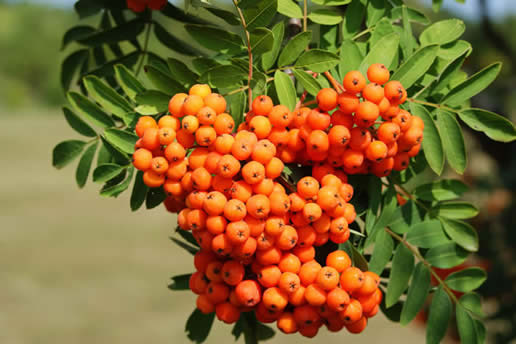
- Small plantation west of Interpretive Center
- Europe and northern Asia
- Rose Family (Rosaceae)
Canada Yew (Taxus canadensis)
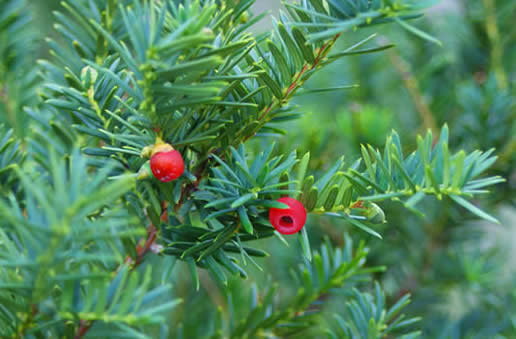
- Planted behind Interpretive Center and near buildings across campus
- Eastern and central North America
- Yew Family (Taxaceae)
Arborvitae or White Cedar (Thuja occidentalis) L.
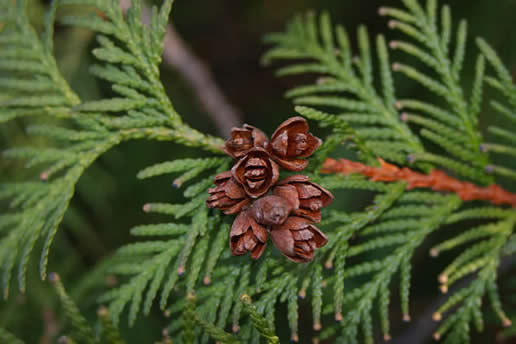
- Planted ornamentally across campus and in Arb
- Northeastern North America
- Cultivars: 'Sunkist'
- Cypress Family (Cupressaceae)
American Basswood or Linden (Tilia americana) L.
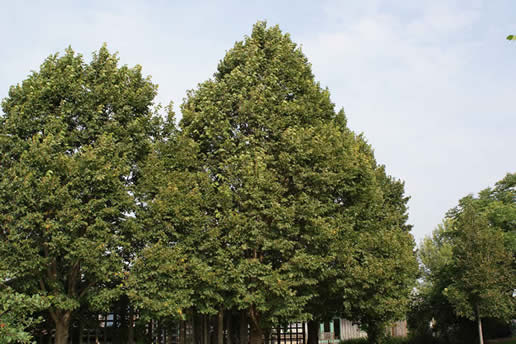
- Individual trees planted widely across campus and near Interpretive Center
- Eastern and central North America
- Cultivars: ‘Sentry’
- Mallow Family (Malvaceae)
Greenspire Linden (Tilia cordata)
- Individual trees planted in Linden collection west of Borgeson cabin?
- Europe and western Asia
- Mallow Family (Malvaceae)
Littleleaf Linden (Tilia x flavescens)
- Individual trees planted in Linden collection west of Borgeson cabin
- Hybrid from American Basswood and Greenspire Linden
- Cultivars: ‘Glenleven’
- Mallow Family (Malvaceae)
Eastern Hemlock (Tsuga canadensis)
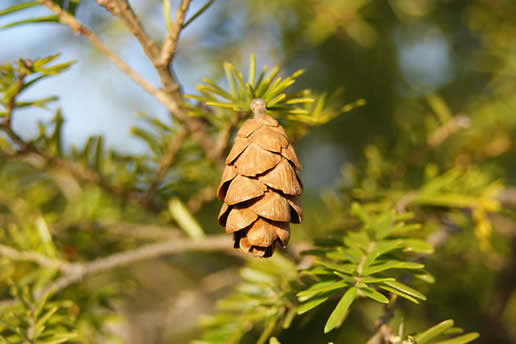
- Individual trees planted near campus center and Nobel Hall, also single tree planted in lawn area west of Interpretive Center
- Eastern North America
- Pine Family (Pinaceae)
Wayfaring Tree (Viburnum lantana) L.
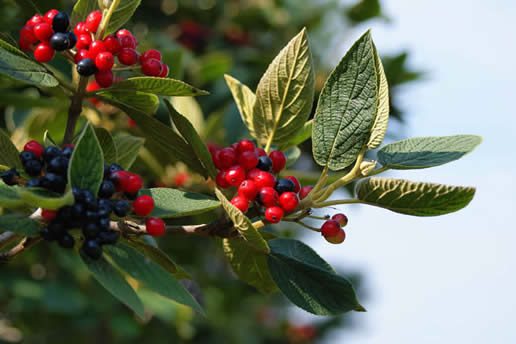
- Individual trees planted in perennial gardens near Interpretive Center and elsewhere in Arb
- Western Europe, northern Africa, and southwestern Asia
- Honeysuckle Family (Caprifoliaceae)
Highbush Cranberry (Viburnum trilobum) L.
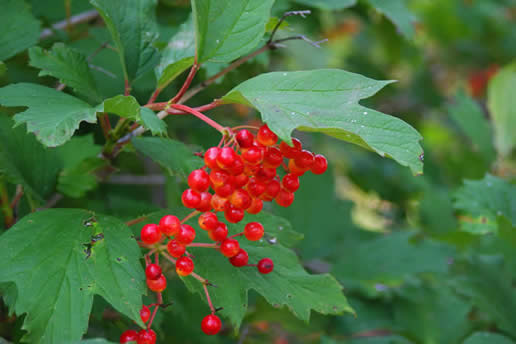
- Plantations behind Interpretive Center and southeast of Borgeson cabin in Arb
- Northern North America
- Honeysuckle Family (Caprifoliaceae)
* All photos taken at Gustavus by Bob Dunlap, Arboretum Naturalist unless otherwise noted.
Prairie Grasses and Wildflowers
The following is a guide to some of the prairie plant species that can be found in the restored Uhler Prairie and Coneflower Prairie in the Arboretum. The guide includes: plant family and period of blooming.
The following is a guide to some of the prairie plant species that can be found in the restored Uhler Prairie and Coneflower Prairie in the Arboretum.
- Plant Family
- Period of blooming
Yarrow (Achillea millefolium) L.
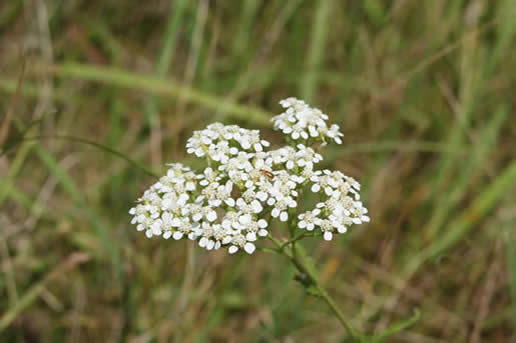
- Blooms June–September
- Aster Family (Asteraceae)
Fragrant Giant Hyssop (Agastache foeniculum)
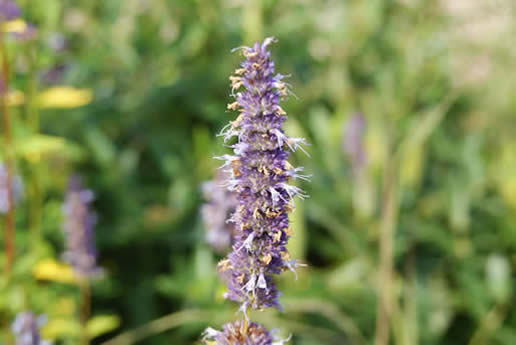
- Blooms July–August
- Mint Family (Lamiaceae)
Prairie Onion (Allium stellatum)
- Blooms July–August
- Lily Family (Liliaceae)
Leadplant (Amorpha canescens)
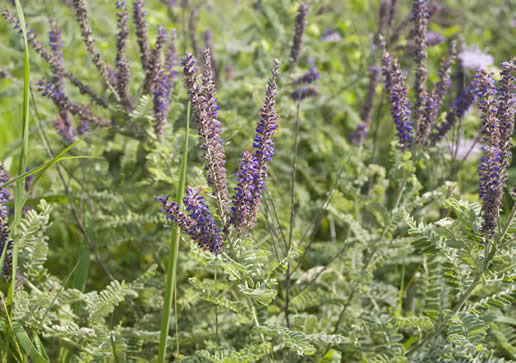
- Blooms June–July
- Pea Family (Fabaceae)
Big Bluestem (Andropogon gerardii)
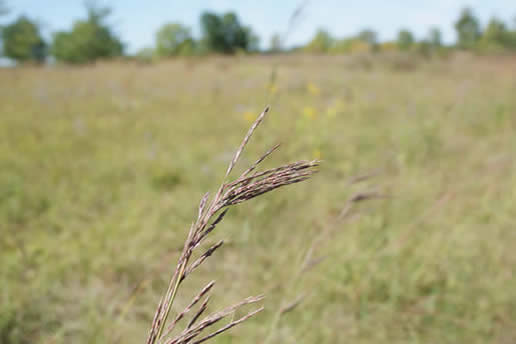
- Blooms July–September
- Grass Family (Poaceae)
Windflower or Thimbleweed (Anemone cylindrica)
- Blooms May–June
- Buttercup Family (Ranunculaceae)
Pussy Toes (Antennaria neglecta)
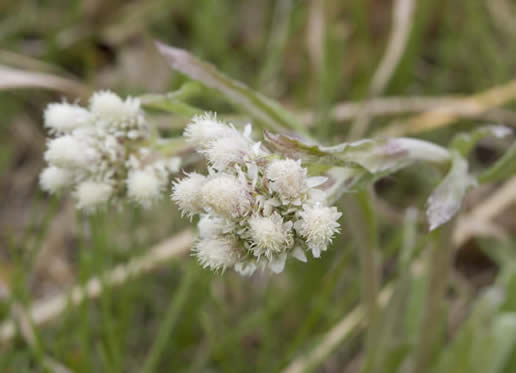
- Blooms April–June
- Aster Family (Asteraceae)
Columbine (Aquilegia canadensis) L.
- Blooms May–June
- Buttercup Family (Ranunculaceae)
Prairie Sage (Artemisia ludoviciana)
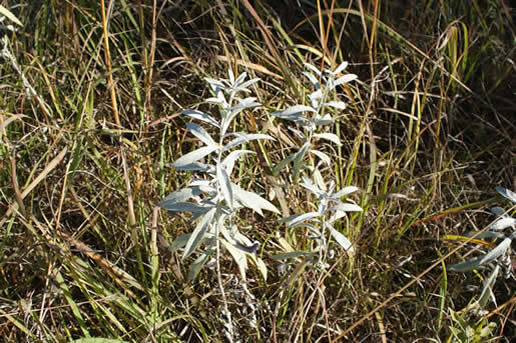
- Blooms July–September
- Aster Family (Asteraceae)
Common Milkweed (Asclepias syriaca) L.
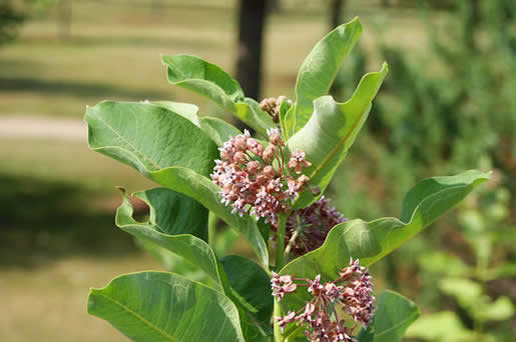
- Blooms June–August
- Milkweed Family (Asclepiadaceae)
Butterfly Weed (Asclepias tuberosa) L.
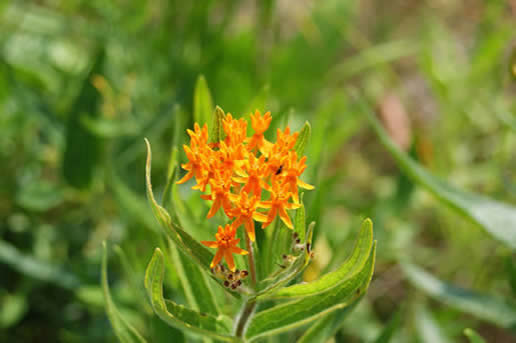
- Blooms June–August
- Milkweed Family (Asclepiadaceae)
Whorled Milkweed (Asclepias verticillata) L.
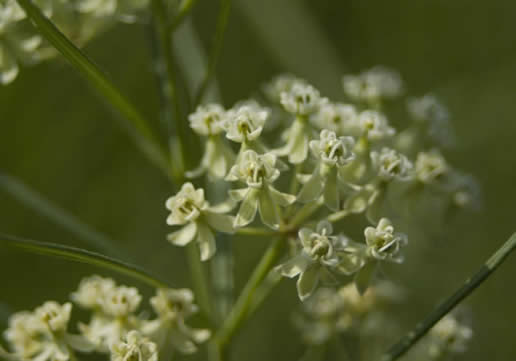
- Blooms June–August
- Milkweed Family (Asclepiadaceae)
Heath Aster (Aster ericoides) L.
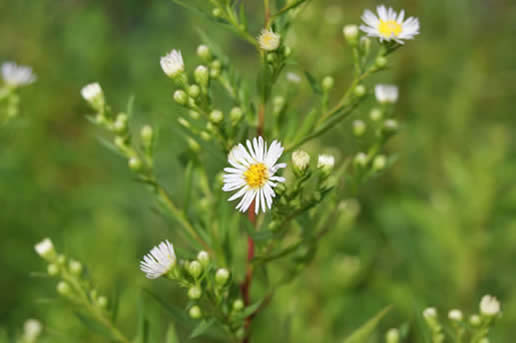
- Blooms August–October
- Aster Family (Asteraceae)
Smooth Blue Aster (Aster laevis) L.
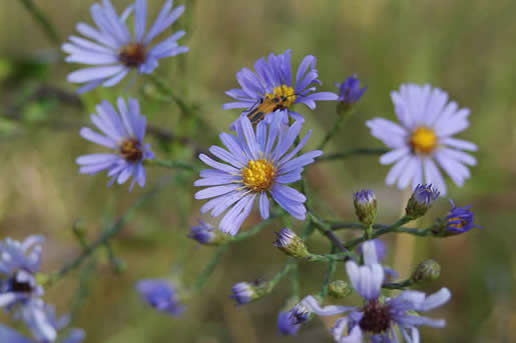
- Blooms August–October
- Aster Family (Asteraceae)
Aromatic Aster (Aster oblongifolium)
- Blooms September–October
- Aster Family (Asteraceae)
White Upland Aster (Aster ptarmicoides)
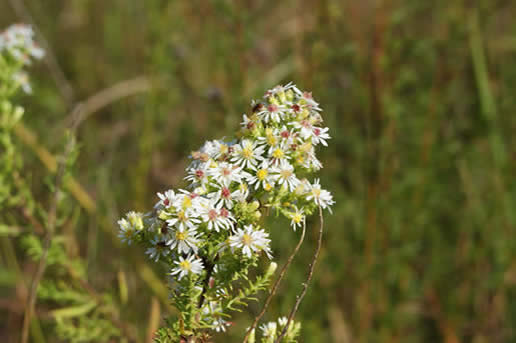
- Blooms August–September
- Aster Family (Asteraceae)
Silky Aster (Aster sericeus)
- Blooms August–September
- Aster Family (Asteraceae)
Canada Milk Vetch (Astragalus canadensis) L.
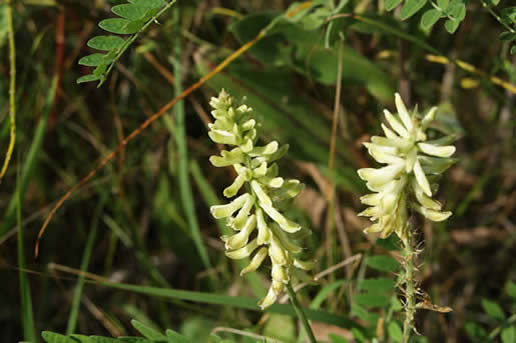
- Blooms July–August
- Pea Family (Fabaceae)
Ground Plum (Astragalus crassicarpus)
- Blooms May–June
- Pea Family (Fabaceae)
Side Oats Grama (Bouteloua curtipendula)
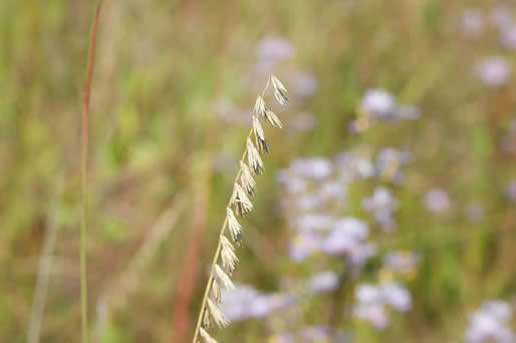
- Blooms July–September
- Grass Family (Poaceae)
Hairy Grama (Bouteloua hirsuta)
- Blooms May–June
- Grass Family (Poaceae)
Prairie Brome (Bromus kalmii)
- Blooms June–August
- Grass Family (Poaceae)
Harebell (Campanula rotundifolia) L.
- Blooms July–August
- Campanula Family (Campanulaceae)
New Jersey Tea (Ceanothus americanus) L.
- Blooms May–July
- Buckthorn Family (Rhamnaceae)
Golden Aster (Chrysopsis villosa)
- Blooms July–August
- Aster Family (Asteraceae)
Prairie Coreopsis or Stiff Tickseed (Coreopsis palmata)
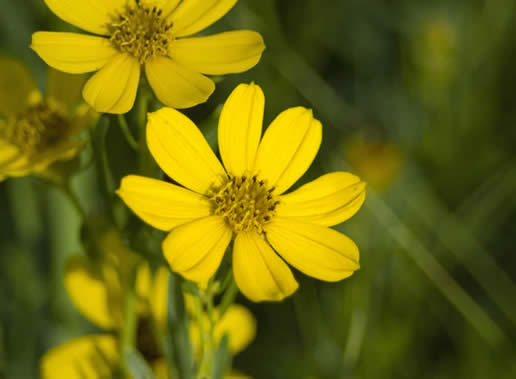
- Blooms June–August
- Aster Family (Asteraceae)
White Prairie Clover (Dalea candida)
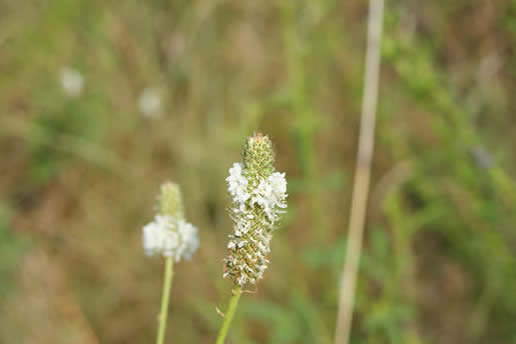
- Blooms June–September
- Pea Family (Fabaceae)
Purple Prairie Clover (Dalea purpurea)
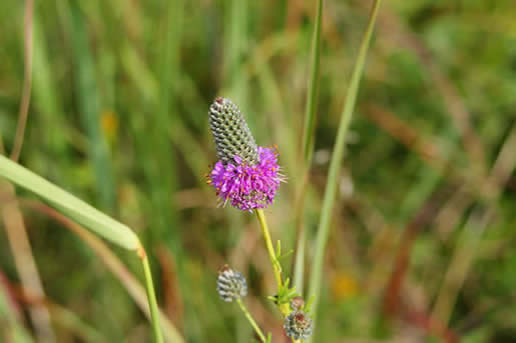
- Blooms June–September
- Pea Family (Fabaceae)
Prairie Larkspur (Delphinium virescens)
- Blooms May–June
- Buttercup Family (Ranunculaceae)
Canada Wild Rye (Elymus canadensis) L.
- Blooms July–September
- Grass Family (Poaceae)
Northern Bedstraw (Galium boreale) L.
- Blooms June–August
- Bedstraw Family (Rubiaceae)
White Prairie Gentian (Gentiana flavida)
- Blooms August–September
- Gentian Family (Gentianaceae)
Prairie Smoke (Geum triflorum)
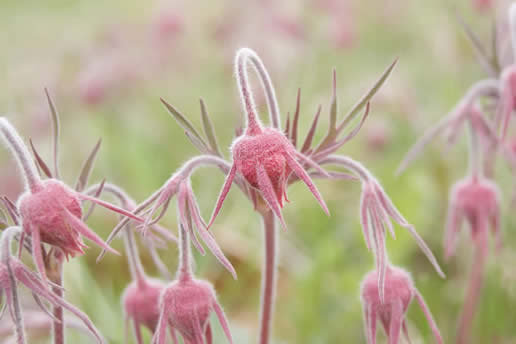
- Blooms April–June
- Rose Family (Rosaceae)
Frostweed (Helianthemum bicknellii)
- Blooms July–August
- Rock-rose Family (Cistaceae)
Stiff Sunflower (Helianthus laetiflorus)
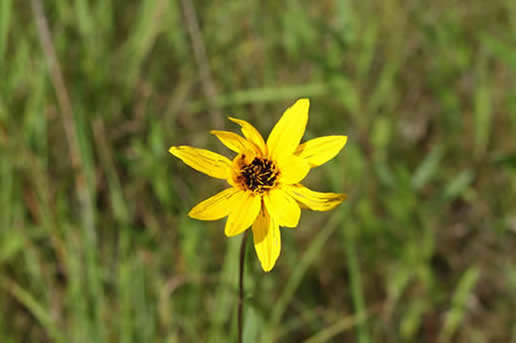
- Blooms July–September
- Aster Family (Asteraceae)
Ox-eye (Heliopsis helianthoides) L.
- Blooms June–September
- Aster Family (Asteraceae)
Alumroot (Heuchera richardsonii)
- Blooms May–June
- Saxifrage Family (Saxifragaceae)
Path Rush (Juncus tenuis)
- Blooms May–September
- Rush Family (Juncaceae)
June Grass (Koeleria macrantha)
- Blooms June–July
- Grass Family (Poaceae)
Round-headed Bush Clover (Lespedeza capitata)
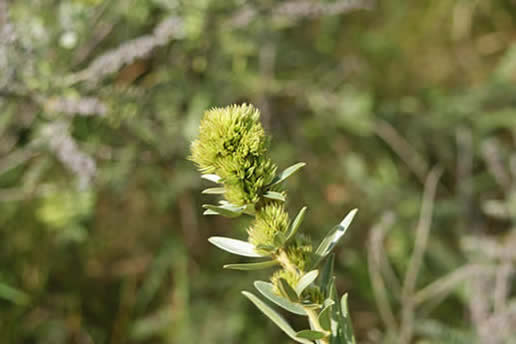
- Blooms August–September
- Pea Family (Fabaceae)
Rough Blazing Star (Liatris aspera)
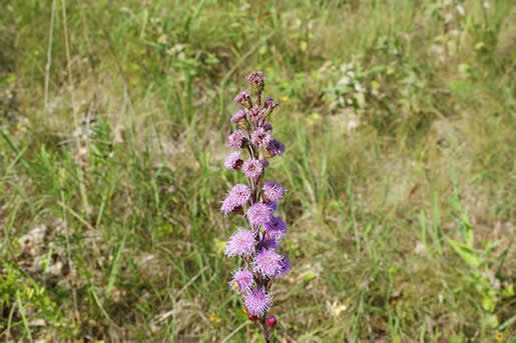
- Blooms July–September
- Aster Family (Asteraceae)
Dotted Blazing Star (Liatris punctata)
- Blooms September–October
- Aster Family (Asteraceae)
Prairie Blazing Star (Liatris pycnostachya)
- Blooms August–September
- Aster Family (Asteraceae)
Great Blue Lobelia (Lobelia siphilitica) L.
- Blooms July–September
- Bluebell Family (Campanulaceae)
Pale Lobelia (Lobelia spicata)
- Blooms June–August
- Bluebell Family (Campanulaceae)
Wild Bergamot (Monarda fistulosa) L.
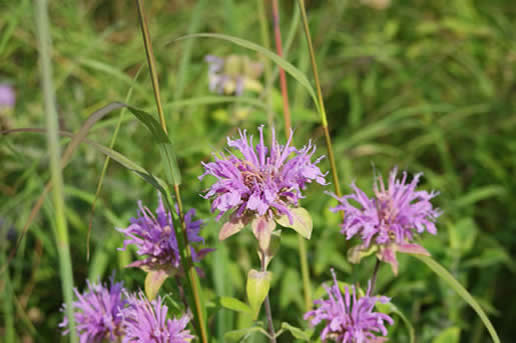
- Blooms July–September
- Mint Family (Lamiaceae)
Switchgrass (Panicum virgatum) L.
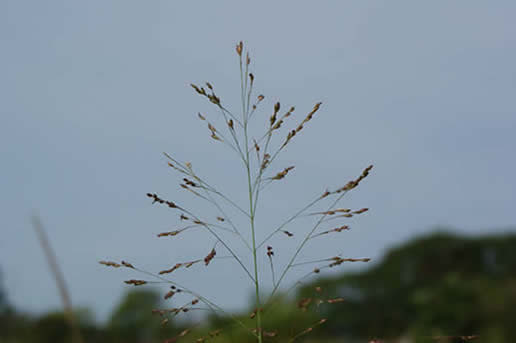
- Blooms August–October
- Grass Family (Poaceae)
Lilac Penstemon (Penstemon gracilis)
- Blooms May–July
- Snapdragon Family (Scrophulariaceae)
Prairie Phlox (Phlox pilosa) L.
- Blooms April–June
- Phlox Family (Polemoniaceae)
Prairie Cinquefoil (Potentilla arguta)
- Blooms June–July
- Rose Family (Rosaceae)
Sweet Everlasting (Pseudognaphalium obtusifolium)
- Blooms August–October
- Aster Family (Asteraceae)
Prairie Coneflower (Ratibida pinnata)
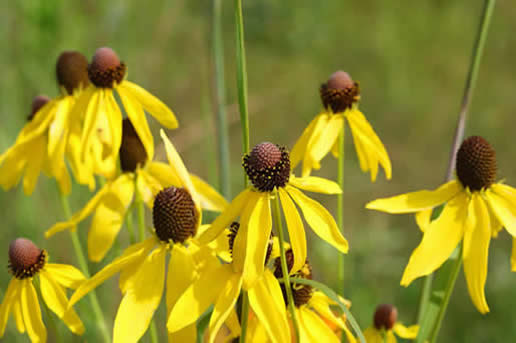
- Blooms June–August
- Aster Family (Asteraceae)
Prairie Rose (Rosa arkansana)
- Blooms June–August
- Rose Family (Rosaceae)
Black-eyed Susan (Rudbeckia hirta) L.
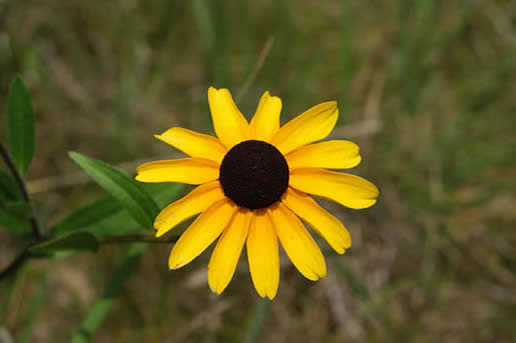
- Blooms June–September
- Aster Family (Asteraceae)
Prairie Groundsel (Senecio plattensis)
- Blooms May–June
- Aster Family (Asteraceae)
Prairie Blue-eyed Grass (Sisyrinchium campestre)
- Blooms May–July
- Iris Family (Iridaceae)
Canada Goldenrod (Solidago canadensis) L.
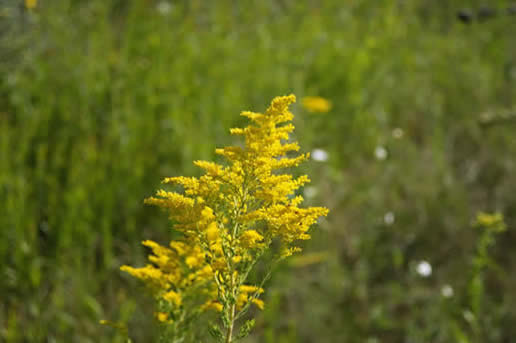
- Blooms August–October
- Aster Family (Asteraceae)
Gray Goldenrod (Solidago nemoralis)
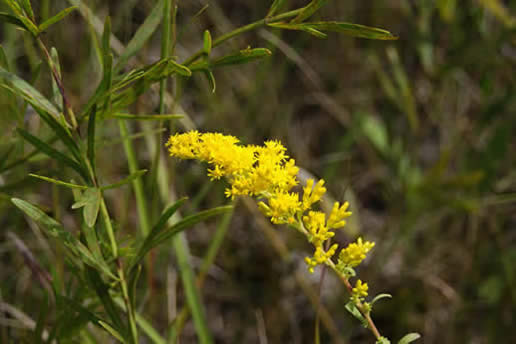
- Blooms August–October
- Aster Family (Asteraceae)
Stiff Goldenrod (Solidago rigida) L.
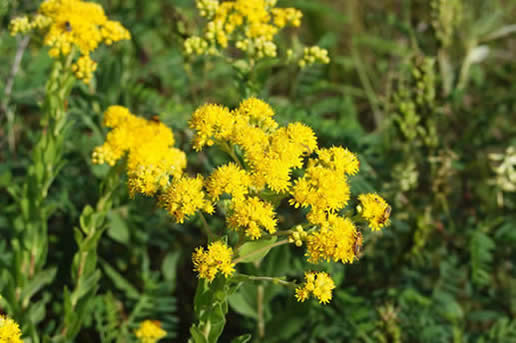
- Blooms August–October
- Aster Family (Asteraceae)
Showy Goldenrod (Solidago speciosa)
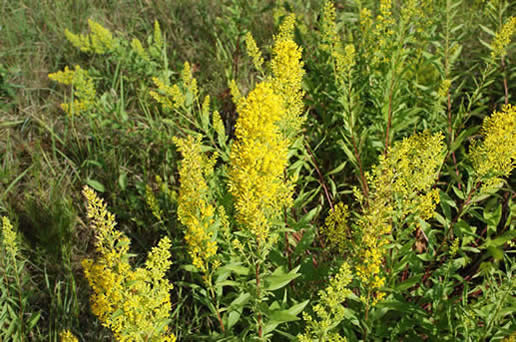
- Blooms August–October
- Aster Family (Asteraceae)
Indian Grass (Sorghastrum nutans)
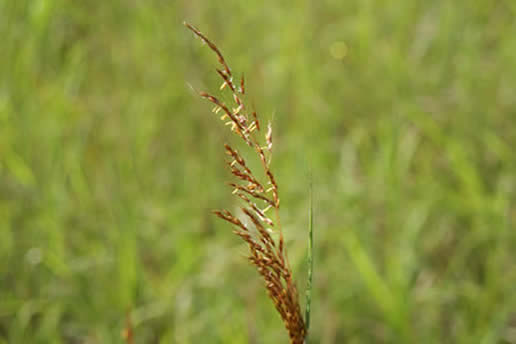
- Blooms August–October
- Grass Family (Poaceae)
Prairie Dropseed (Sporobolus heterolepis)
- Blooms August–October
- Grass Family (Poaceae)
Porcupine Grass (Stipa spartea)
- Blooms May–June
- Grass Family (Poaceae)
Hoary Vervain (Verbena stricta)
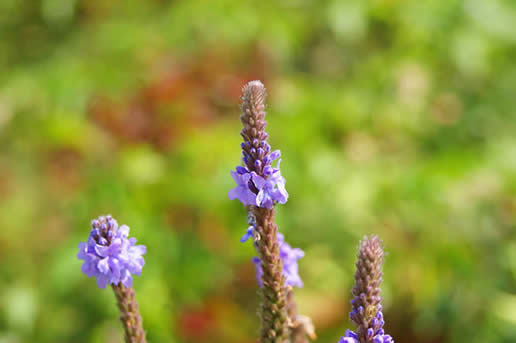
- Blooms June–September
- Verbena Family (Verbenaceae)
Culver’s Root (Veronicastrum virginicum)
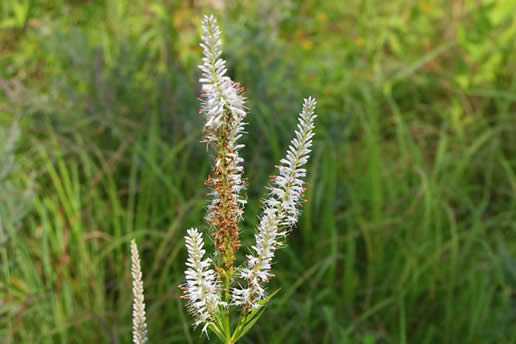
- Blooms July–September
- Snapdragon Family (Scrophulariaceae)
Golden Alexander (Zizia aurea)
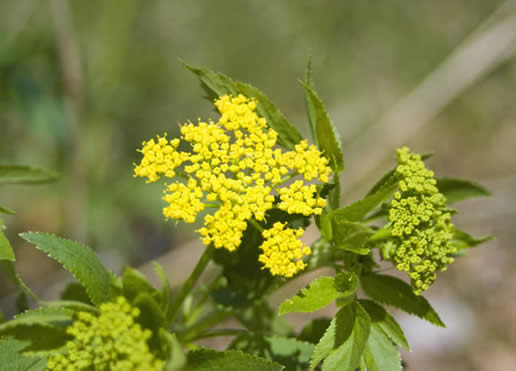
- Blooms May–June
- Carrot Family (Apiaceae)
* All photos taken at Gustavus by Bob Dunlap, Arboretum Naturalist unless otherwise noted.
Birds
The Arboretum is located on an important flyway for migrating birds and serves as prime breeding habitat for several species. The guide includes: photos, family, status/distribution and habitat in southern Minnesota, most commonly heard vocalizations, size, and how often it is seen on or from campus.
The Arboretum is located on an important flyway for migrating birds and serves as prime breeding habitat for several species.
The following is an online guide to 174 species that have been observed at the college, 2004-present.
- Family
- Status/distribution and habitat in southern Minnesota
- Most commonly heard vocalizations
- Size
- Status at Gustavus (how often it is seen on or from campus)
- Additional information
Species listed alphabetically. For taxonomic list, click here.
American Bittern (Botaurus lentiginosus)
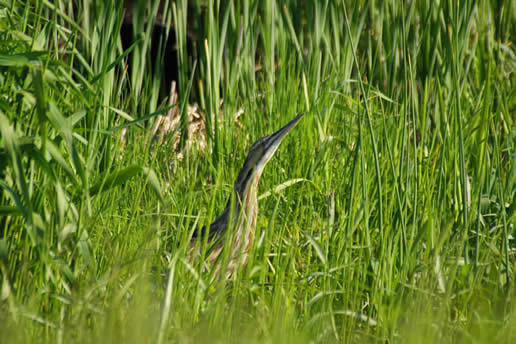
Photo taken near Thief River Falls, Pennington County
- Migrant, passes through late April to mid-May and then mid-August to mid-September
- Status: Very rare, one bird observed foraging in Jones Northern Forest Ponds in late April 2006
- Habitat: cattail marsh
- Call is a distinctive, loud, pumping “plum-puddin’”
- Length just over 2 feet
American Crow (Corvus brachyrhynchos)
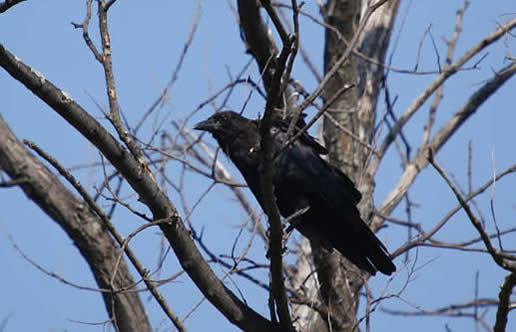
- Permanent year-round resident
- Status: Common in Arb and across campus, sometimes perch on chapel
- Habitat: open country
- Most common vocalization is a loud, conspicuous “kaw” repeated one or more times
- Length 18 inches, wingspan 3 feet
American Goldfinch (Carduelis tristis) L.
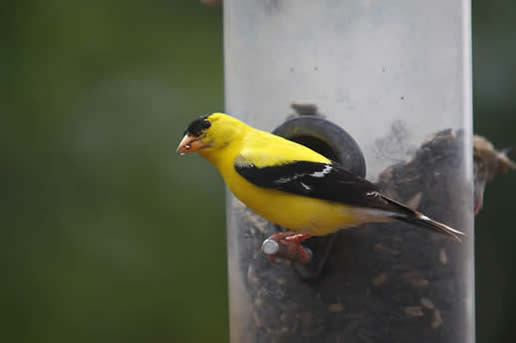
- Permanent year-round resident
- Status: Uncommon, most often observed in Arb near Interpretive Center, absent some winters
- Habitat: open country, suburban areas
- Song is a musical warble of high notes, call (often given in flight) is a two-note high-pitched “tweet-tweet”
- Length 5 inches
American Kestrel (Falco sparverius) L.
- Present early March to late November, some may overwinter
- Status: Uncommon, seen infrequently in Arb and around campus
- Habitat: open country, farmland, often seen sitting on power lines along roads
- Call is a high-pitched, harsh “ki-ki-ki-ki”
- Length 10 inches, wingspan just under 2 feet, females larger than males
American Pipit (Anthus rubescens)
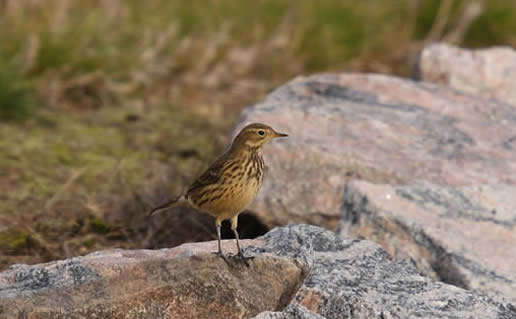
Photo taken near Gaylord, Sibley County
- Migrant, passes through mid-April to mid-May and then late September to early November
- Status: Rare, seen/heard flying over campus only a couple times each spring/fall
- Habitat: open country, grasslands, lakeshores
- Call note, given in flight, is high-pitched two-note “pip-ip”
- Length 7 inches
American Redstart (Setophaga ruticilla) L.
- Present early May to late September, some migrate through spring/fall
- Status: Uncommon, seen infrequently in Arb during migration
- Habitat: forested areas, dense woods
- Song is highly variable, but generally consists of 3 or 4 high notes given rapidly
- Length 5 inches
American Robin (Turdus migratorius) L.
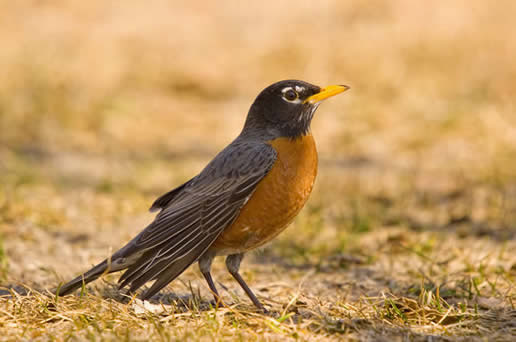
- Present early March to late November, many migrate through spring/fall, some may overwinter
- Status: Abundant, especially in March and April when hundreds can be seen foraging for worms in lawns around campus
- Habitat: open country, suburban and wooded areas
- Song is a series of variable squeaks, chirps, and whistles given frequently and conspicuously by birds on territory
- Length 10 inches
American Tree Sparrow (Spizella arborea)
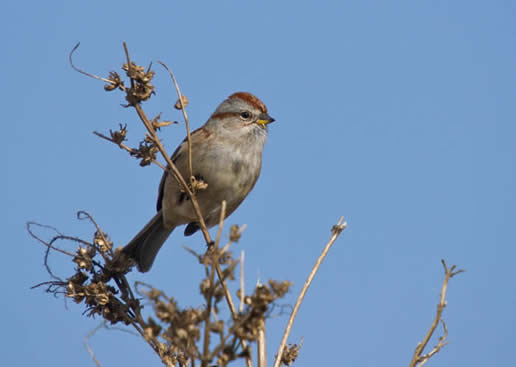
- Present early November through early April, usually arrives and departs with juncos
- Status: Uncommon, seen infrequently in Arb near shrubby areas and prairie
- Habitat: open country, grasslands, suburban areas near feeders
- Call is a thin, soft, high-pitched “seet”; in late March, birds begin to sing a fast warbling song with trills and chirps
- Length 6 inches
American White Pelican (Pelecanus erythrorhynchos)
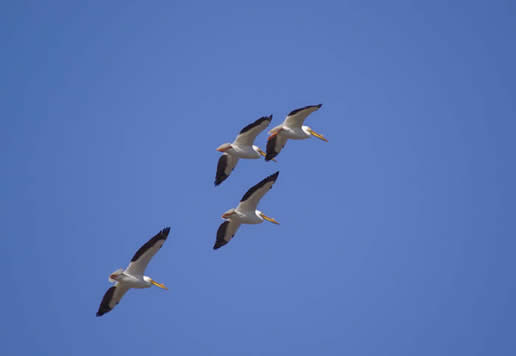
Photo taken at Cobb River WPA, Blue Earth County
- Migrant, passes through late March to mid-May and then late August to early October
- Status: Uncommon, kettles (sometimes numbering in the hundreds) can be seen flying over campus infrequently during migration
- Habitat: open country, shallow wetlands
- Generally silent
- Length 6 feet, wingspan 9 feet
American Woodcock (Scolopax minor)
- Present late March through early October
- Status: Very rare, one bird heard displaying at night in Arb in late March 2007
- Habitat: shrubby openings, grasslands near woods or shrubs
- Calls, given during courtship display, include a loud, nasal “PEENT!” as well as twittering and chirping during flight
- Length 11 inches
Bald Eagle (Haliaeetus leucocephalus) L.
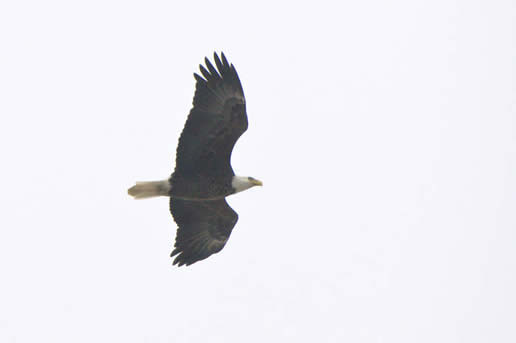
- Present year-round, some migrate through spring/fall
- Status: Uncommon, can be seen flying over campus at any time of year
- Habitat: lakes and rivers, sometimes found in farmlands during winter
- Voice is not the majestic shriek often heard in films and television; rather, calls include loud chirping and clucking notes given in a series
- Length 3 feet, wingspan 7 feet, females larger than males
Baltimore Oriole (Icterus galbula) L.
- Present mid-May through late September, some migrate through spring/fall
- Status: Uncommon, seen infrequently, mostly during migration in May
- Habitat: semi-open areas, woodlands, suburban areas with tree stands
- Song is a series of sweet warbling notes
- Length 9 inches
Bank Swallow (Riparia riparia) L.
- Present late April through early October, most migrate through spring/fall
- Status: Rare, seen occasionally with other swallows during migration
- Habitat: cliffs, slopes along rivers, gravel pits
- Song is a series of fast scratchy notes
- Smaller than other swallows; length 5 inches
Barn Swallow (Hirundo rustica) L.
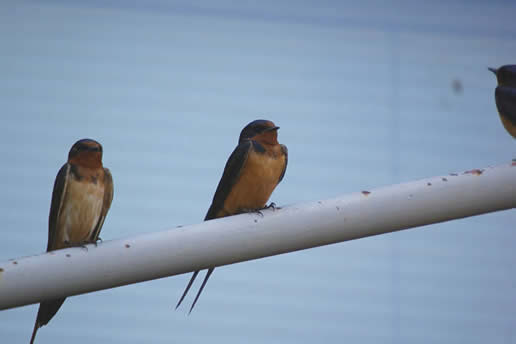
- Present mid-April through early October, some migrate through spring/fall
- Status: Common, easily seen flying around campus, often nests under roof edges of buildings
- Habitat: open country, suburban areas
- Song is a series of alternating squeaky notes
- Length 7 inches
Barred Owl (Strix varia)
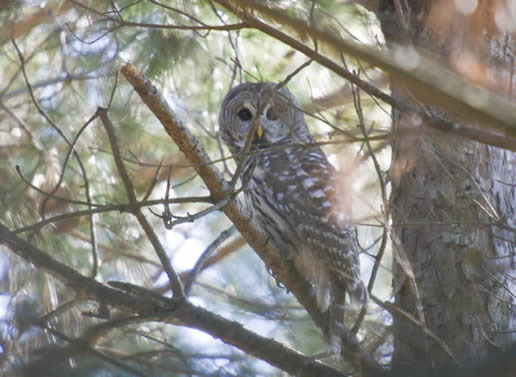
- Permanent year-round resident
- Status: Very rare, only observations from mid-October and early November
- Habitat: dense woodlands often near streams and rivers
- Voice is a loud, cackling “who-cooks-for-you,” sometimes immediately followed by “who-cooks-for-you-all”
- Length just under 2 feet, wingspan 3-4 feet, females larger than males
Belted Kingfisher (Megaceryle alcyon) L.
- Present late March through late November, some may overwinter
- Status: Rare, seen only a few times each year near Arb ponds
- Habitat: lakes, rivers, streams, wetlands near trees
- Voice is a fast series of identical dry, chattering notes
- Length 12 inches
Black Tern (Chlidonias niger) L.
- Present early May through late September
- Status: Rare, seen once or twice each year, most often in May
- Habitat: cattail marshes, lakes and ponds with cattail edges
- Call is a harsh, scolding “keek”
- Length 10 inches
Black-and-white Warbler (Mniotilta varia) L.
- Migrant, passes through early to late May and then late August to late September
- Status: Uncommon, seen infrequently in Arb during migration
- Habitat: woodlands, forested areas
- Song is a series of high-pitched squeaky notes; sounds similar to squeaky bike wheels
- Length 5 inches
- Forages for insects by creeping along branches like nuthatches and creepers
Black-billed Cuckoo (Coccyzus erythropthalmus)
- Present mid-May through mid-September
- Status: Very rare, one bird observed in Arb in early May 2007
- Habitat: woodlands, forested areas, forest edges
- Calls include a loud, guttural “coo-coo-coo-coo” repeated several times as well as dry, clacking vocalizations given in a series
- Length 12 inches
Black-capped Chickadee (Poecile atricapilla) L.
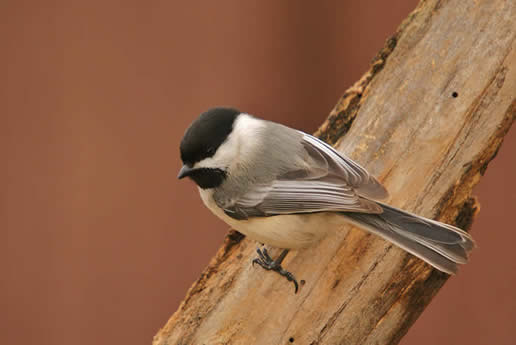
Photo taken near Shakopee, Scott County
- Permanent year-round resident
- Status: Common, seen and heard easily near trees and shrubs in Arb
- Habitat: woodlands, semi-open areas with trees, suburban areas near feeders
- Spring song is a sweet, two-note whistled “spring’s here”; call is a harsh “chick-a-dee-dee-dee”
- Length 5 inches
Black-throated Green Warbler (Dendroica virens)
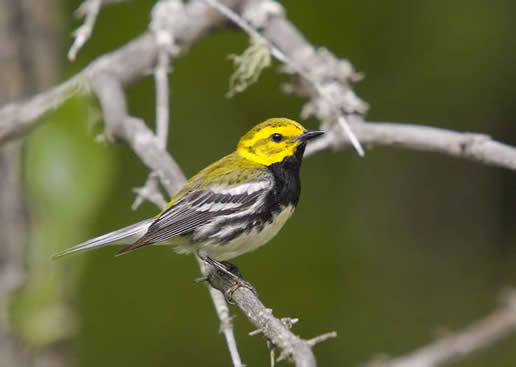
Photo taken along Gunflint Trail, Cook County
- Migrant, passes through early to late May and then late August to mid-September
- Status: Very rare, one bird observed in Arb in early May 2009
- Habitat: woodlands, forested areas
- Song is a buzzy “zee zee zo zo zeet!” or sometimes a faster “zee-zee-zee-zee-zo-zeet!”
- Length 5 inches
Blackburnian Warbler (Dendroica fusca)
- Migrant, passes through mid- to late May and then late August to late September
- Status: Very rare, one bird observed in Arb in mid-May 2010
- Habitat: woodlands, forested areas
- Song is a series of high, sweet “tee-dle” notes ending with a rising “seeEE”
- Length 5 inches
Blackpoll Warbler (Dendroica striata)
- Migrant, passes through mid- to late May and then late August to mid-September
- Status: Rare, seen once or twice each year during migration, most often in May
- Habitat: woodlands, forested areas
- Song is a series or trill of identical very high-pitched notes
- Length 5 inches
Blue Jay (Cyanocitta cristata) L.
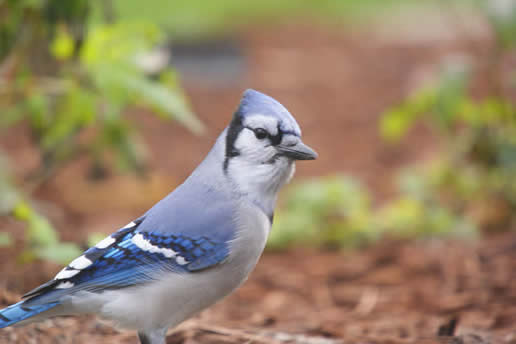
- Permanent year-round resident, large numbers sometimes seen migrating along MN River spring/fall
- Status: Common, frequently encountered in Arb
- Habitat: semi-open country, suburban areas
- Vocalizations vary from high-pitched whistles to lower guttural noises; call note is often a loud, harsh “jay”
- Length 11 inches
Blue-gray Gnatcatcher (Polioptila caerulea) L.
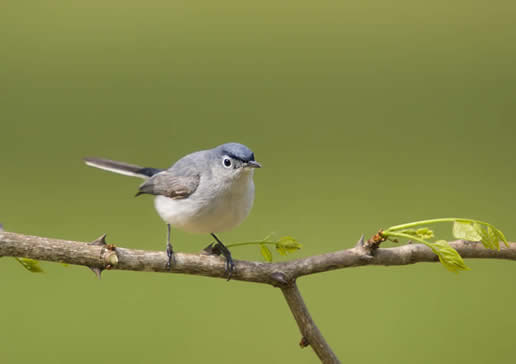
Photo taken near Ottawa Township, Le Sueur County
- Present late April through mid-September, some migrate through spring/fall
- Status: Rare, seen most often during migration in May and September
- Habitat: deciduous woodlands, forested areas
- Voice is most often one or two identical wheezy notes
- Length 4 inches
Blue-headed Vireo (Vireo solitarius)
- Migrant, passes through early to late May and then late August to late September
- Status: Uncommon, seen infrequently in Arb during migration
- Habitat: woodlands, forested areas
- Voice is a series of faintly blurry three-note phrases, not as sweet or as fast as Red-eyed Vireo but not as blurry or as slow as Yellow-throated Vireo
- Length 5 inches
Blue-winged Teal (Anas discors) L.
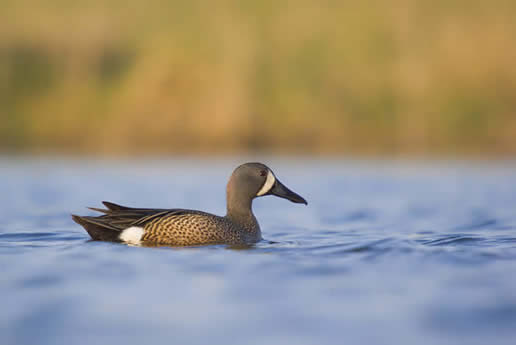
Photo taken at Cobb River WPA, Blue Earth County
- Present mid-March through mid-October, many migrate through spring/fall
- Status: Uncommon, seen infrequently in Arb ponds
- Habitat: lakes, ponds, marshes
- Voice is soft and squeaky
- Length 15 inches
Bobolink (Dolichonyx oryzivorus) L.
- Present mid-May through early September
- Status: Rare, seldom seen during migration in May and September
- Habitat: prairies, open grasslands, weedy fields
- Voice is distinctly metallic and bubbly, likened to R2D2 from Star Wars
- Length 7 inches
Bonaparte’s Gull (Chroicocephalus philadelphia)
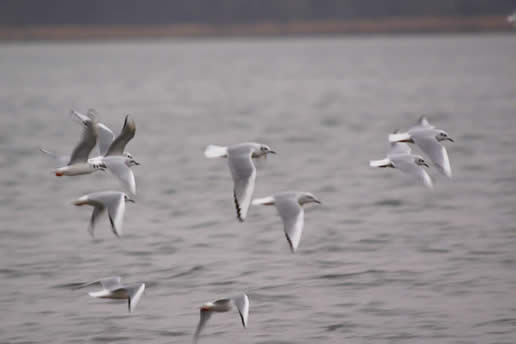
Photo taken at Scotch Lake, Le Sueur County
- Migrant, passes through late March to mid-May and then mid-September to early November
- Status: Very rare, one flock seen flying over campus in late September 2004
- Habitat: large lakes, open wetlands
- Voice is a harsh, ternlike “kerrr”
- Length 14 inches
Broad-winged Hawk (Buteo platypterus)
- Migrant, passes through late April to late May and then early September to early October, some may nest
- Status: Rare, occasionally seen flying over campus during migration, usually in kettles
- Habitat: dense woodlands
- Voice is a very high-pitched whistle, reminiscent of steam escaping from a tea kettle
- Length 15 inches, wingspan 3 feet, females larger than males
Brown Creeper (Certhia americana)
- Migrant, passes through late March to early May and then late September to mid-November, some may overwinter
- Status: Uncommon, seen infrequently in Arb and in trees around campus during migration
- Habitat: woodlands, forested areas
- Call is a high-pitched, one-syllable “seeeeet”
- Length 5 inches
- Can be difficult to spot as it creeps up trees (nuthatches creep down)
Brown Thrasher (Toxostoma rufum) L.
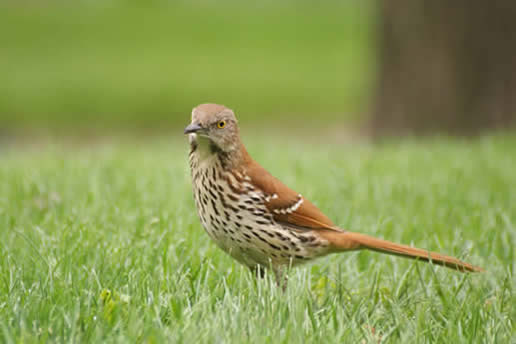
- Present late April through mid-October, many migrate through in spring
- Status: Common migrant through Arb in late April and early May, some may nest
- Habitat: open country, areas with scattered trees, shrubby thickets
- Song is a repertoire of two-note phrases, often “cover-it-up, cover-it-up,” phrases can mimic other sounds
- Length 12 inches
Brown-headed Cowbird (Molothrus ater)
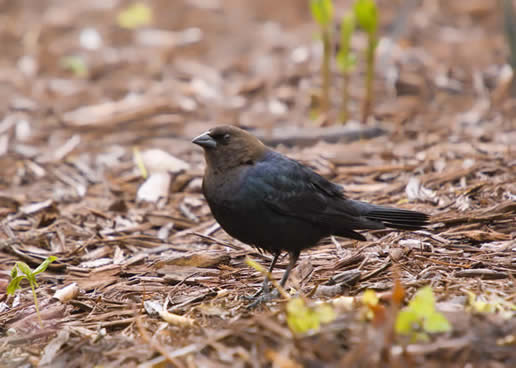
- Present early April through late October, some may overwinter
- Status: Uncommon, seen infrequently in open areas around campus
- Habitat: open country, open woodlands, areas with scattered trees, pastures
- Song is a short sequence of high-pitched whistles and bubbly noises
- Length 8 inches
- Brood parasite; lays its eggs in other birds’ nests, chicks are raised by “foster parents”
Cackling Goose (Branta hutchinsii)
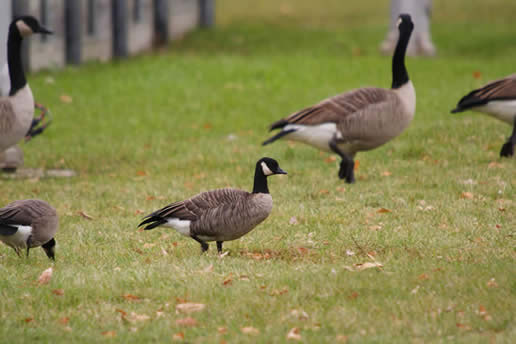
Photo taken at Spring Lake Park in North Mankato, Nicollet County
- Migrant, passes through mid-March to early May and then late September to late November, some may overwinter with flocks of Canada Geese
- Status: Rare, seen occasionally in flocks flying over campus during migration
- Habitat: lakes, wetlands
- Voice is higher-pitched than the familiar “honk” of Canada Goose
- Length just over two feet; basically looks like a small Canada Goose with a shorter neck and stubbier bill
- Split from Canada Goose in 2004
Canada Goose (Branta canadensis) L.
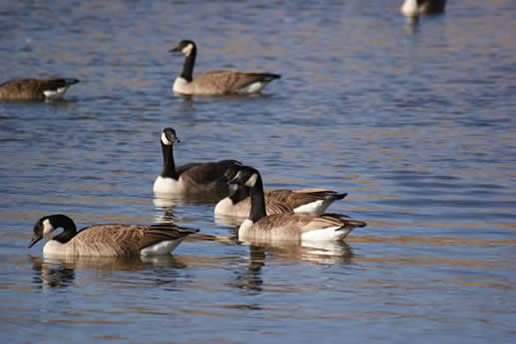
Photo taken at Spring Lake Park in North Mankato, Nicollet County
- Present mid-March through late November, most migrate through spring/fall, some may overwinter
- Status: Common, seen often in flocks flying over campus, frequently nests in Arb ponds
- Habitat: lakes, wetlands, ponds
- Voice is a loud, distinctive “honk”
- Length 4 feet, some subspecies are smaller (may be split like Cackling Goose)
Cape May Warbler (Dendroica tigrina)
- Migrant, passes through mid- to late May and then late August to late September
- Status: Very rare, two birds observed in Arb in mid-May 2009
- Habitat: woodlands, forested areas
- Song is a short series of very high, slightly slurred notes
- Length 5 inches
Caspian Tern (Sterna caspia)
- Migrant, passes through early to late May and then late August to early October
- Status: Very rare, one flock seen flying over Arb in mid-May 2005
- Habitat: lakes, wetlands, ponds
- Voice is a deep, scratchy “aayyyy”
- Length 20 inches
Cedar Waxwing (Bombycilla cedrorum)
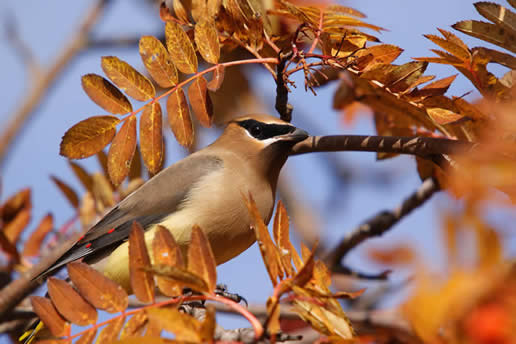
- Permanent year-round resident
- Status: Common, flocks can be seen daily around campus, highest numbers seen in October feeding on berries
- Habitat: open areas with scattered trees, residential areas
- Voice is a high-pitched “seeeeee”
- Length 7 inches
- Birds feeding on fermented berries in winter/early spring become visibly tipsy
Chestnut-sided Warbler (Dendroica pensylvanica) L.
- Migrant, passes through mid- to late May and then late August to mid-September
- Status: Uncommon, seen infrequently in Arb during migration
- Habitat: woodlands, forested areas
- Song is a sweet, whistled “please-to-please-to-MEET-ya” with accent usually on second-to-last syllable
- Length 5 inches
Chimney Swift (Chaetura pelagica) L.
- Present late April through late September
- Status: Common, can be seen daily flying high around campus, especially near chapel
- Habitat: open areas, most often in cities or towns near buildings (colonies nest in chimneys)
- Voice is a series of high-pitched “chip” notes given in flight
- Length 5 inches
Chipping Sparrow (Spizella passerina)
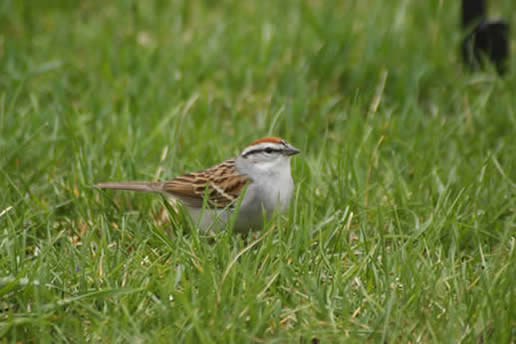
- Present early April through late October
- Status: Common, seen in open areas around campus, most frequently encountered “little brown bird” at Gustavus
- Habitat: open country, suburban areas, lawns
- Song is a dry, fast, high-pitched trill of “chip” notes
- Length 5 inches
Clay-colored Sparrow (Spizella pallida)
- Present mid-April through late October
- Status: Uncommon, seen infrequently around campus, most often during migration in early May
- Habitat: open country, grasslands, areas with scattered trees and shrubs
- Song is a series of short, dry, identical “buzz” notes
- Length 5 inches
Cliff Swallow (Petrochelidon pyrrhonota)
- Present late April through early October
- Status: Uncommon, infrequently seen flying around campus with other swallows
- Habitat: open country, colonies build nests under bridges
- Voice consists of short squeaky and buzzy phrases
- Length 6 inches
Common Grackle (Quiscalus quiscula) L.
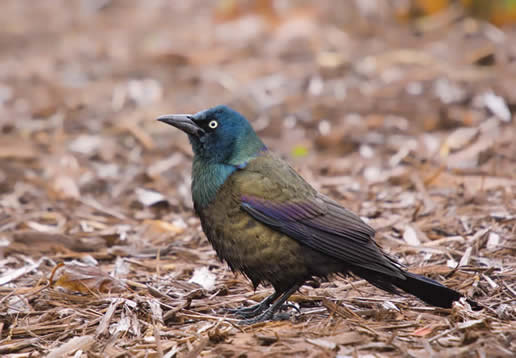
- Present late March through late November, some flocks may overwinter
- Status: Common, can be seen daily around campus, flocks (often mixed with other blackbirds) numbering in the thousands sometimes migrate over campus
- Habitat: open country, suburban areas, farmland
- Song is a scratchy, squeaky, upslurred “skleeek”
- Length 12 inches
Common Loon (Gavia immer)
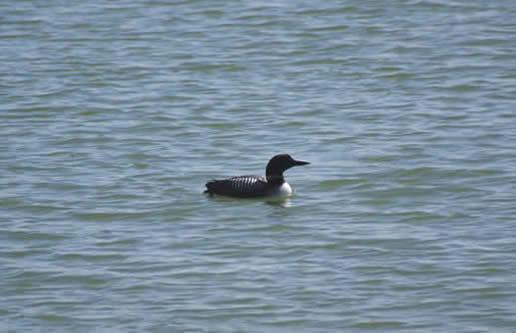
Photo taken near Luverne, Rock County
- Migrant, passes through late March to late May and then early October to mid-November
- Status: Very rare, one bird seen flying over campus in late May 2009
- Habitat: large, deep lakes
- Voice is a loud, piercing yodel
- Length 3 feet
- State Bird of Minnesota
Common Merganser (Mergus merganser) L.
- Present early October through mid-April, winters near open water
- Status: Very rare, small flock of five birds observed flying over campus in early March 2010
- Habitat: lakes, rivers, large wetlands
- Voice is a harsh croaking
- Length 2 feet
Common Nighthawk (Chordeiles minor)
- Present mid-May through late September
- Status: Common, frequently seen flying high around campus around dusk, often near chapel; large numbers migrate over campus in fall
- Habitat: open areas, cities and towns near buildings (birds nest on buildings with flat roofs)
- Call is a buzzy, nasal “meep” given in flight
- Length 10 inches
Common Redpoll (Carduelis flammea) L.
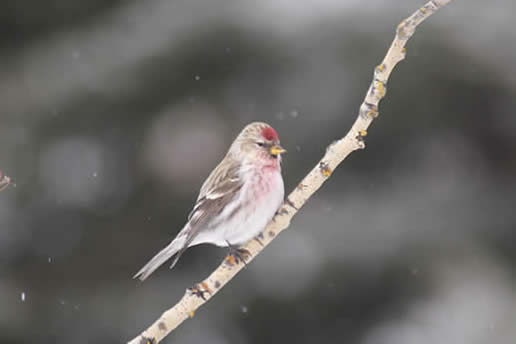
Photo taken near Meadowlands, St. Louis County
- Present early November through late March
- Status: Rare, seen occasionally in small flocks around campus, absent entirely some years
- Habitat: conifer stands, suburban areas near feeders
- Call is a series of short, dry chirping notes
- Length 5 inches
Common Yellowthroat (Geothlypis trichas) L.
- Present mid-May through early October
- Status: Uncommon, seen infrequently in Arb near ponds
- Habitat: Wetlands, marshes, moist woodlands
- Song is a loud, distinctive “witchity-witchity-witchity”
- Length 5 inches
Cooper’s Hawk (Accipiter cooperii)
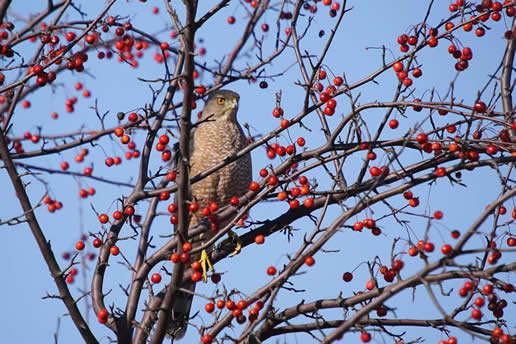
- Permanent year-round resident
- Status: Uncommon, seen infrequently around campus but may be encountered daily, nests in Arb
- Habitat: woodlands, forested areas
- Voice is a loud, harsh “kak” often repeated in a series
- Length 17 inches, wingspan 3 feet, females larger than males
Dark-eyed Junco (Junco hyemalis) L.
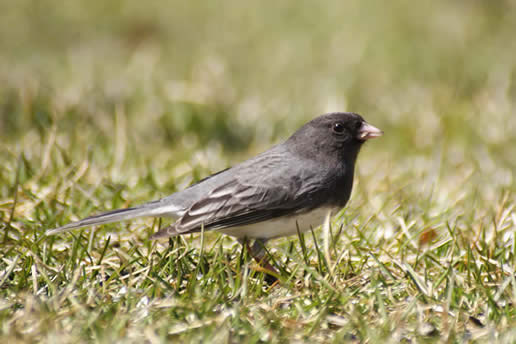
- Present late September through late April
- Status: Common, seen daily, especially at Interpretive Center feeders
- Habitat: open areas, suburban areas near feeders
- Call is a series of rapid chip notes, spring song is like Chipping Sparrow but slightly faster
- Length 6 inches
Dickcissel (Spiza americana)
- Present late May through late August, abundant some years but rare others
- Status: Uncommon, but only observations are from summer 2011 in Coneflower Prairie
- Habitat: grasslands, agricultural fields, open areas
- Song is a distinct “dick-dick, cissel-cissel” or any combination of “dick” and “cissel” notes
- Length 6 inchs
Double-crested Cormorant (Phalacrocorax auritus)
- Present mid-March through early November, most migrate through spring/fall
- Status: Rare, seen once or twice each season flying over campus
- Habitat: ponds, lakes, rivers, large wetlands
- Generally silent
- Length 3 feet, wingspan 4 feet
- Flocks in flight often form straight lines instead of Vs
Downy Woodpecker (Picoides pubescens) L.
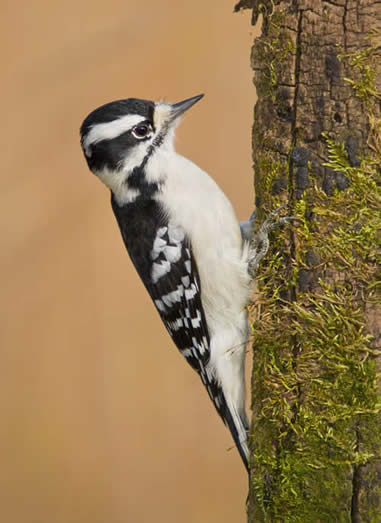
Photo taken near Ottawa Township, Le Sueur County
- Permanent year-round resident
- Status: Uncommon, usually seen daily but easily overlooked, often found near Interpretive Center
- Habitat: woodlands, forested areas, suburban areas near feeders
- Call note is a harsh “chik,” longer call is a fast series of high notes that slurs downward at end
- Length 7 inches
Eastern Bluebird (Sialia sialis) L.
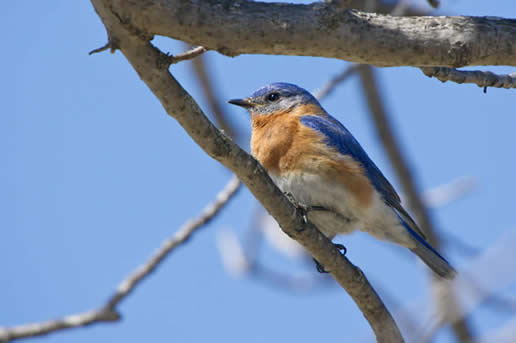
- Present early March through mid-November, some may overwinter
- Status: Uncommon, but in 2009 one pair nested in bluebird houses in Arb, sometimes small flocks seen during fall migration in October
- Habitat: open areas with scattered trees, suburban areas near bluebird houses
- Song is a series of three or four sweet “cheer” notes, call (often given in flight) is a two-note “cheer-up”
- Length 7 inches
Eastern Kingbird (Tyrannus tyrannus) L.
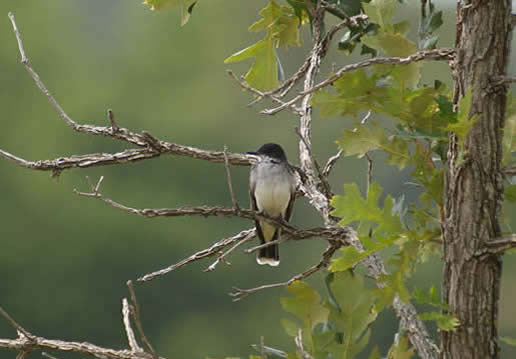
- Present early May through late September
- Status: Uncommon, seen infrequently during migration, more often encountered during summer
- Habitat: open areas with scattered trees, grasslands, often perches on telephone wires along roads
- Song is a series of high, sharp “kisk” notes, calls similar but shorter
- Length 9 inches
Eastern Meadowlark (Sturnella magna) L.
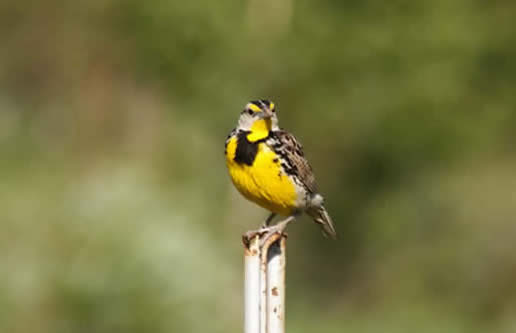
Photo taken near Sandstone, Pine County
- Present mid-March through late October
- Status: Very rare, one bird sang on territory in Uhler Prairie for several weeks mid-April to mid-May 2006
- Habitat: grasslands, open country with scattered cedars
- Song is an emphatic, high-pitched, whistled “spring-of-the-year!”
- Length 10 inches
Eastern Phoebe (Sayornis phoebe)
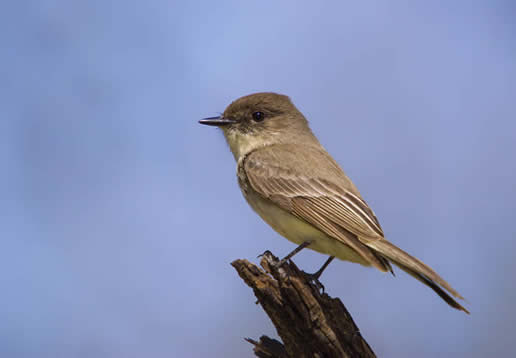
Photo taken near Ottawa Township, Le Sueur County
- Present late March through mid-October
- Status: Common, encountered frequently in Arb
- Habitat: Semi-open woodlands, open areas with scattered trees, often near water
- Full song consists of two phrases: the first a loud, downward “FEE-bee,” the second a loud, upward “fee-BEE”; often only one phrase is given
- Length 7 inches
- Characteristic behavior of frequently “pumping” its tail up and down when perched
Eastern Towhee (Pipilo erythrophthalmus) L.
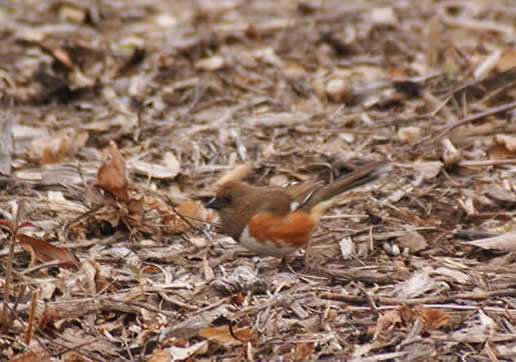
- Present mid-April through late October
- Status: Very rare, one bird seen in Arb in early May 2006 and another near Interpretive Center in early May 2009
- Habitat: Woodlands adjacent to open areas, open country with dense thickets
- Song is a loud, three note “drink-your-teeee!” or two note “your-teeee!” with the final “teeee” approaching a trill, call note is often a sharp “tow-hee”
- Length 8 inches
- Foraging behavior is often characterized by intense “digging” into underbrush
Eastern Wood-Pewee (Contopus virens) L.
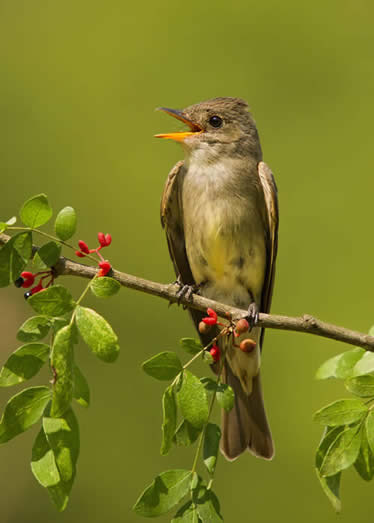
Photo taken near Ottawa Township, Le Sueur County
- Present early May through late September
- Status: Rare, seen once or twice each season, most often during migration
- Habitat: woodlands, forested areas, dense tree stands
- Full song consists of two phrases: the first a whistled, rising “pee-WEEEE,” the second a whistled, falling “PEE-oooo”; often only one phrase is given. Note pattern of pewee’s song is UP THEN DOWN whereas pattern of Eastern Phoebe’s song is DOWN THEN UP.
- Length 6 inches
European Starling (Sturnus vulgaris) L.
- Permanent year-round resident
- Status: Common, seen daily, often near buildings, sometimes nests in wood duck house in north Arb ponds
- Habitat: found in almost any habitat, urbanized and agricultural areas
- A true mimic, can imitate sounds of other birds and animals, often chooses to mimic meadowlarks and pewees. Also often repeats high-pitched whistles.
- Length 9 inches
- Introduced in North America
Field Sparrow (Spizella pusilla)
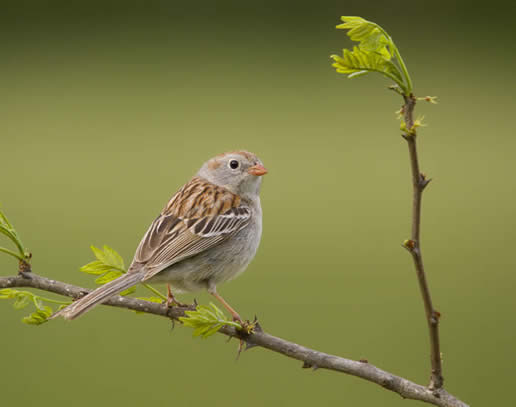
Photo taken near Ottawa Township, Le Sueur County
- Present mid-April through early October
- Status: Common, often heard singing in open areas of Arb
- Habitat: Open areas with scattered trees, brushy areas
- Song is a high trill that starts slow, speeds up, and ends fast, similar to the pattern of a bouncing ball
- Length 5 inches
Forster’s Tern (Sterna forsteri)
- Present mid-April through late September
- Status: Rare, seen once or twice each season, most often during spring migration, but nests in colonies at Swan Lake only ten miles away
- Habitat: shallow lakes and wetlands, marshes with thick cattail cover
- Voice is a harsh “kee-er,” often given when scolding
- Length 13 inches
Fox Sparrow (Passerella iliaca)
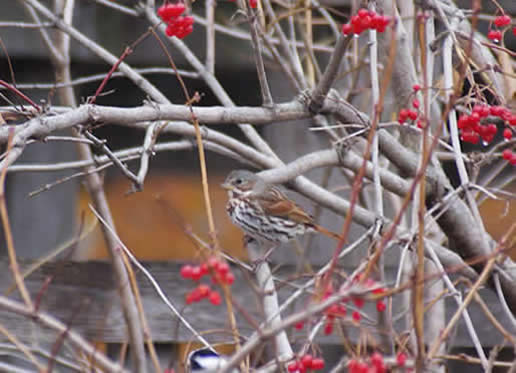
- Migrant, passes through late March to early May and then late September to mid-November
- Status: Uncommon, infrequently seen in Arb, sometimes found underneath feeders
- Habitat: brushy edges of open areas, forests with dense undergrowth, thickets
- Song is a rather melodious series of high and low whistles
- Length 7 inches
- When foraging, displays a distinctive “digging” behavior similar to towhees
Franklin’s Gull (Larus pipixican)
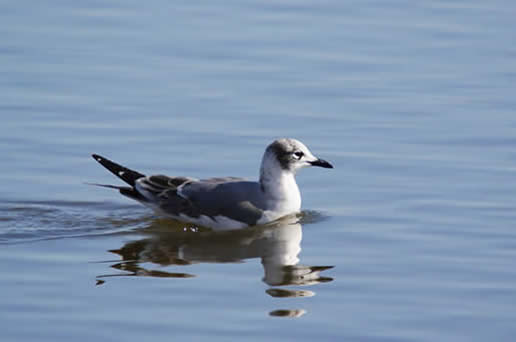
Photo taken near Gaylord, Sibley County
- Migrant, passes through late March to late May and then mid-August to late October
- Status: Uncommon, most often seen in large flocks flying high over campus, usually in fall
- Habitat: shallow lakes, large wetlands, farm fields (during migration)
- Voice is a raspy “keel”
- Length 14 inches
Golden Eagle (Aquila chrysaetos) L.
- Migrant, passes through in small numbers mid-April to early May and then early October to early November, some may overwinter
- Status: Very rare, one bird seen flying over Arb in mid-October 2004
- Habitat: Open country, river bluffs
- Voice consists of soft chirps
- Length 3 feet, wingspan just under 7 feet, females larger than males
- Bald Eagle has larger wingspan, but Golden Eagle has heavier body
Golden-crowned Kinglet (Regulus satrapa)
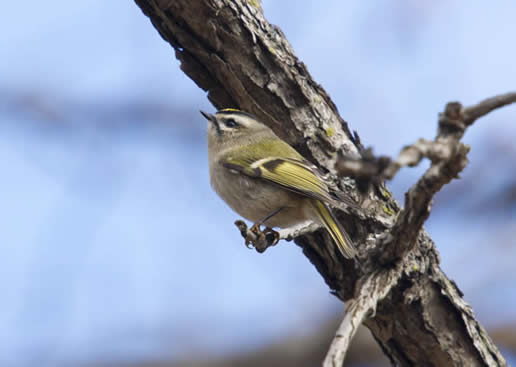
- Migrant, passes through late March to early May and then late September to mid-November, some may overwinter
- Status: Common, can be seen daily in Arb and in trees around campus
- Habitat: Woodlands, most areas with trees
- Call is a high-pitched “see-see-see” similar to Brown Creeper but with two or more distinct syllables
- Length 4 inches
Grasshopper Sparrow (Ammodramus savannarum)
- Present late April through early September
- Status: Rare, heard more often than seen in Coneflower Prairie
- Habitat: dry grasslands
- Song is a high-pitched buzz reminiscent of the sound made by an insect, preceded by a few high-pitched introductory notes; also frequently gives a more varied series of high-pitched buzzes
- Length 5 inches
Gray Catbird (Dumetella carolinensis) L.
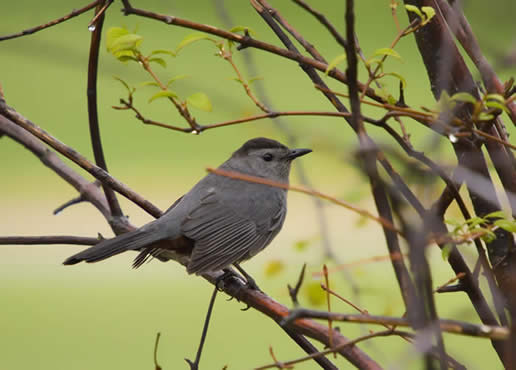
- Present early May through mid-October
- Status: Uncommon, seen and heard infrequently throughout Arb
- Habitat: shrubby areas, dense thickets, semi-open woodlands
- Song is a repertoire of one-note phrases (Brown Thrasher has two-note phrases), common call is a “meeee” reminiscent of a cat’s meow
- Length 9 inches
Gray-cheeked Thrush (Catharus minimus)
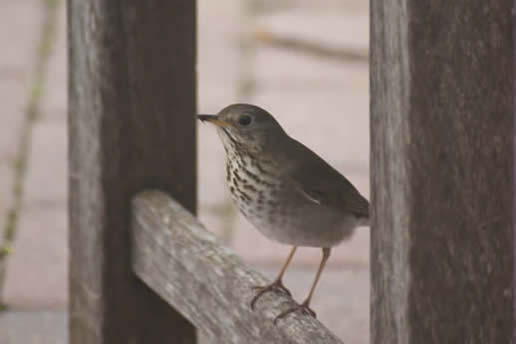
- Migrant, passes through mid- to late May and then mid-August to early October
- Status: Rare, seen once or twice each year, most often in spring
- Habitat: woodlands, forested areas
- Song is a rapid series of flutelike notes that rises then falls
- Length 7 inches
Great Blue Heron (Ardea herodias) L.
- Present mid-March to early November
- Status: Uncommon, sometimes stops to forage in Arb ponds, most often seen flying over campus
- Habitat: wetlands, lakes, rivers
- Voice is a harsh grunting or squawking; rather vocal for a heron
- Length 4 feet, wingspan 6 feet
Great Crested Flycatcher (Myiarchus crinitus) L.
- Present mid-May through mid-September
- Status: Rare, seen a few times each year in Arb, most often during migration in May
- Habitat: woodlands, forested areas
- Voice is a loud, sharp “WHEEP!” or “WHEEP-EEP!”
- Length 9 inches
Great Egret (Ardea alba) L.
- Present mid-March to early November
- Status: Uncommon, sometimes stops to forage in Arb ponds, most often seen flying over campus
- Habitat: wetlands, lakes, rivers
- Voice is a harsh squawking
- Length just under 4 feet, wingspan just under 5 feet
- Closely related to Great Blue Heron
Great Horned Owl (Bubo virginianus)
- Permanent year-round resident
- Status: Uncommon, infrequently seen sitting in trees or on top of Borgeson Cabin around dusk at any time of year, often heard from Arb at night
- Habitat: woodlands, forested areas
- Adult voice is a loud, hooting “whooo’s awake? meee too.” Males make lower-pitched hoots than females. Juveniles make raspy, screeching vocalizations.
- Length 2 feet, wingspan 4 feet, females larger than males
- Largest North American owl by weight, has been known to kill hawks larger than itself
Greater White-fronted Goose (Anser albifrons)
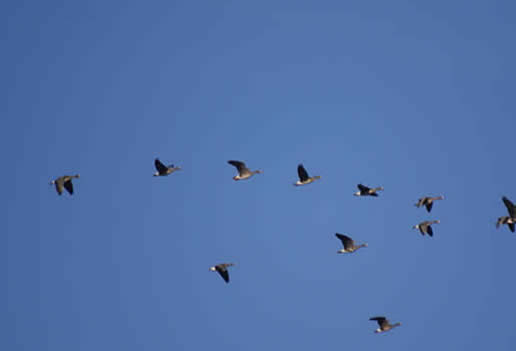
Photo taken near Jackson, Jackson County
- Migrant, passes through mid-March to late April and then late October to mid-November
- Status: Rare, seen once or twice each season, sometimes mixed in with flocks of other geese
- Habitat: lakes, wetlands
- Voice is a high-pitched two-note honk
- Length just over 2 feet
- Often called “Specklebellies” by hunters
Green Heron (Butorides virescens) L.
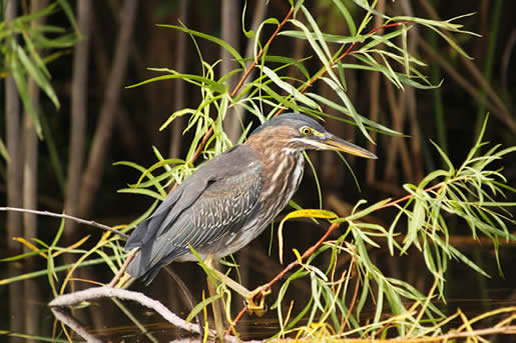
- Present early May through early October
- Status: Uncommon, infrequently seen foraging around Arb ponds
- Habitat: marshes, ponds, small lakes
- Voice is a sharp, loud “keer”
- Length 18 inches
Hairy Woodpecker (Picoides villosus) L.
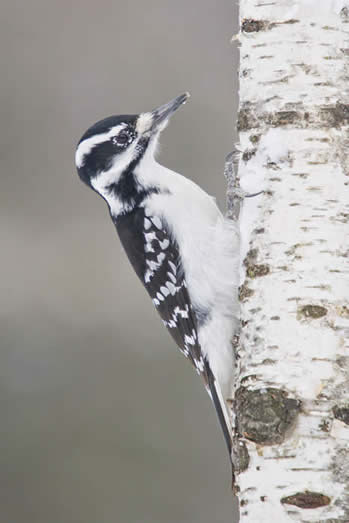
Photo taken south of St. Peter, Nicollet County
- Permanent year-round resident
- Status: Uncommon, infrequently seen in Arb
- Habitat: woodlands, forested areas
- Call note is a sharp “chik” higher pitched than Downy, longer call is a fast series of high notes that stays on same level (Downy drops at end)
- Length 9 inches
Harris’s Sparrow (Zonotrichia querula)
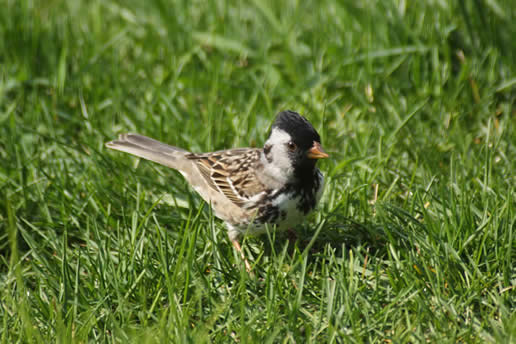
- Migrant, passes through mid-April to mid-May and then late September to early November
- Status: Rare, seen only a few times each year
- Habitat: open country, semi-open woodlands, brushy areas
- Song is two or three lazy high notes on same pitch; sometimes gives buzzy notes instead of high notes
- Length 7 inches
Hermit Thrush (Catharus guttatus)
- Migrant, passes through early April to early May and then late September to mid-November
- Status: Uncommon, infrequently seen in Arb and elsewhere around campus
- Habitat: woodlands, semi-open areas, suburban areas with trees
- Song is a series of musical, flutelike notes that begins with a single, distinct whistle followed by fast, rising notes
- Length 7 inches
Herring Gull (Larus argentatus)
- Migrant, passes through mid-March to late April and then mid-October to late November, some may overwinter
- Status: Very rare, one bird seen flying over Arb in mid-October 2008
- Habitat: shallow lakes and wetlands, sandy beaches, urban areas (when foraging)
- Voice is a loud, high, piercing “kaaw”
- Length 2 feet
Hoary Redpoll (Carduelis hornemanni)
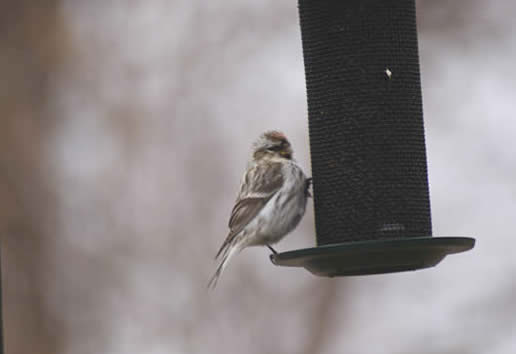
- Present early November through late March
- Status: Very rare, one bird observed at Interpretive Center’s feeders in late March 2009
- Habitat: conifer stands, suburban areas near feeders
- Voice identical to that of Common Redpoll
- Length 5 inches
- Look for paler redpoll with white rump, no streaks on undertail coverts, and stubbier bill
Hooded Merganser (Lophodytes cucullatus) L.
- Present mid-March through mid-November
- Status: Very rare, pair seen flying over campus in late March 2009, but nests nearby during summer
- Habitat: wooded ponds and lakes, forest wetlands
- Voice is a low, guttural croaking
- Length 18 inches
Horned Lark (Eremophila alpestris) L.
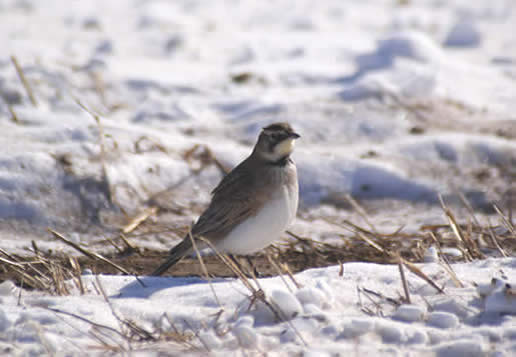
Photo taken near Henderson, Sibley County
- Present mid-February through late November, some may overwinter
- Status: Uncommon, most often seen in Coneflower Prairie area or flying over campus
- Habitat: open country, agricultural fields
- Song is a rapid series of rising tinkling notes, call is a high-pitched two-note “tee-dee”
- Length 7 inches
House Finch (Carpodacus mexicanus)
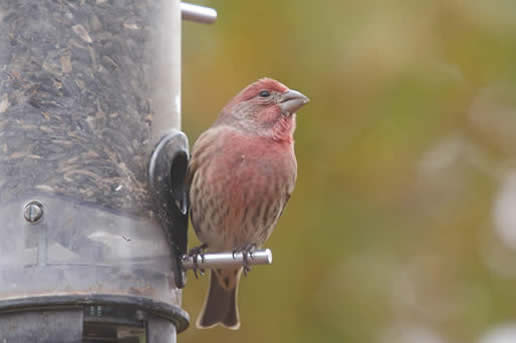
- Permanent year-round resident
- Status: Common, seen daily around campus, especially near Interpretive Center
- Habitat: developed areas, farmlands
- Song is a whistled series of sweet high notes, call is a high, sweet “chirp”
- Length 6 inches
House Sparrow (Passer domesticus) L.
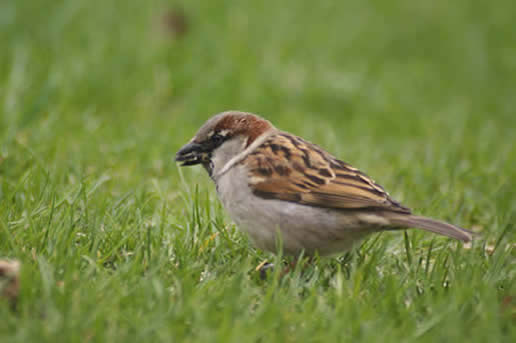
- Permanent year-round resident
- Status: Common, seen daily around campus, often near buildings and parking lots
- Habitat: developed areas, urban areas
- Call is a sharp “chirp” lower than House Finch
- Length 6 inches
- Introduced in North America; an Old World sparrow unrelated to North American sparrows
House Wren (Troglodytes aedon)
- Present late April through late October
- Status: Common, seen daily in Arb
- Habitat: woodlands, forested areas, suburban areas with trees
- Song is a loud series of fast high notes that slightly tapers off at end
- Length 5 inches
Indigo Bunting (Passerina cyanea) L.
- Present mid-May through late September
- Status: Rare, seen once or twice each year in Arb, most often during migration in May
- Habitat: woodlands, semi-open areas, brushy areas with trees
- Song is a series of several warbling two-note phrases: “fire! fire! where? where? here! here!”
- Length 5 inches
Killdeer (Charadrius vociferus) L.
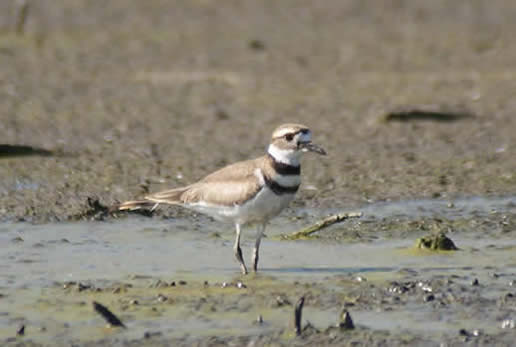
Photo taken near Fort Ridgely State Park, Nicollet County
- Present mid-March through early November
- Status: Common, often seen near ballfields and large expanses of grass on campus
- Habitat: open country, agricultural fields, suburban lawns, abandoned lots
- Voice is an emphatic two-note “kill-deer!”, also a series of high, fast “ki” notes
- Length 10 inches
Lapland Longspur (Calcarius lapponicus) L.
- Migrant, passes through late February to late April and then late September to late November, some may overwinter
- Status: Rare, seen a few times each season, most often as flyovers in early spring and late fall
- Habitat: open country, grasslands, farmfields, roadsides in winter
- Flight calls most often heard; single, sweet “dew” as well as a dry rattle
- Length 6 inches
Lark Sparrow (Chondestes grammacus)
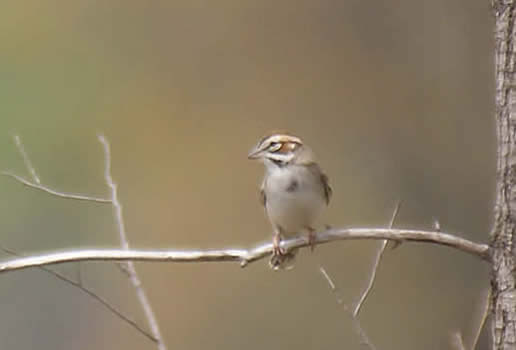
- Present late April through mid-September
- Status: Rare, seen a couple times each year, most often during migration in May
- Habitat: open country with scattered trees, prairie bluffs along rivers, gravel pits
- Song is a sweet series of warbling and chirping notes seemingly without a pattern, call a distinctive metallic “tink”
- Length 6 inches
Least Flycatcher (Empidonax minimus)
- Present early May through late September
- Status: Uncommon, infrequently seen in wooded areas of Arb, most often during migration
- Habitat: woodlands, forested areas
- Song is a quick, two-note “che-bek” that rises somewhat on the second syllable
- Length 5 inches
Le Conte’s Sparrow (Ammodramus leconteii)
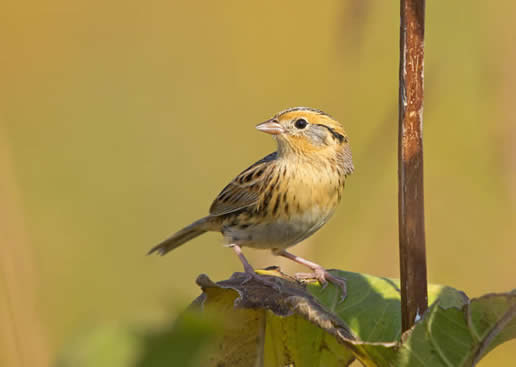
- Migrant, passes through late April to mid-May and then late September to mid-October
- Status: Very rare, only observations from mid-October 2010 in Coneflower Prairie, but probably present there each fall in moderate numbers
- Habitat: prairies, grasslands, wet meadows
- Song begins with one sharp note followed by a high-pitched, electric-sounding buzz
- Length 5 inches
Lincoln’s Sparrow (Melospiza lincolnii)
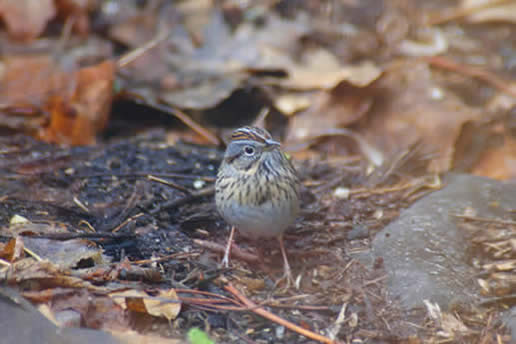
- Migrant, passes through mid-April to mid-May and then late September to late October
- Status: Uncommon, infrequently seen in wooded or shrubby areas of Arb
- Habitat: forested areas, semi-open woodlands, shrubby areas
- Song is a rising, accelerating warble that drops at the end with a few chirping notes
- Length 5 inches
Long-eared Owl (Asio otus) L.
- Present late October through mid-April
- Status: Very rare, only observation from early November 2010 in coniferous forest in northern part of Arb
- Habitat: dense conifer stands (especially cedars) near open areas
- Voice is a single, monotonous “hoo” repeated once every three or four seconds
- Length 15 inches, wingspan 3 feet, females larger than males
Magnolia Warbler (Dendroica magnolia)
- Migrant, passes through early to late May and then mid-August to late September
- Status: Uncommon, infrequently seen in Arb during migration
- Habitat: woodlands, forested areas
- Song is a whistled “please-to-be-WITH-you” that starts slow and ends fast, with the accent on the second-to-last syllable
- Length 5 inches
Mallard (Anas platyrhynchos) L.
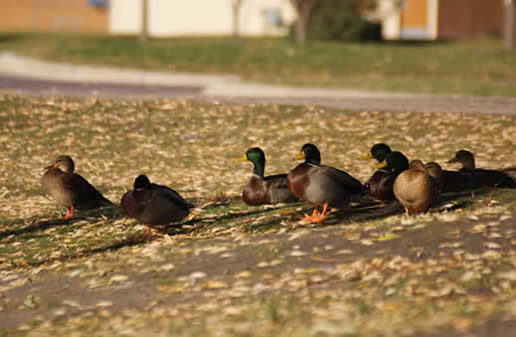
Photo taken at Spring Lake Park in North Mankato, Nicollet County
- Present early March through late November, some may overwinter
- Status: Common, seen often in flocks flying over campus, frequently nests in Arb ponds
- Habitat: lakes, wetlands, ponds
- Voice is the familiar “quack”
- Length just under 2 feet
Marsh Wren (Cistothorus palustris)
- Present late April through early November
- Status: Rare, seen a few times each season near north Arb ponds
- Habitat: wetlands, cattail marshes, lakes with cattail edges
- Song is a squeaking rattle reminiscent of a sewing machine
- Length 5 inches
Merlin (Falco columbarius) L.
- Present early October through late April
- Status: Rare, seen a few times each season anywhere on campus
- Habitat: Woodlands and forested areas near openings, open areas with scattered trees
- Call is a high-pitched, harsh “ki ki ki ki” like American Kestrel but often rises and falls
- Length 11 inches, wingspan 2 feet, females larger than males
Mourning Dove (Zenaida macroura) L.
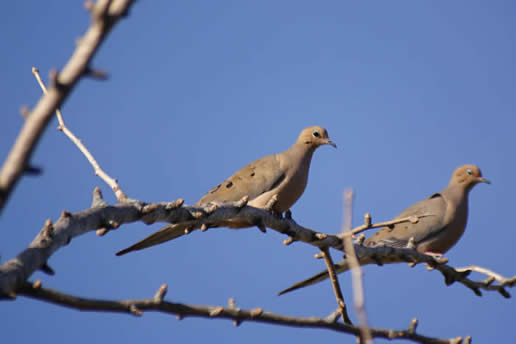
- Present mid-March through early November, some may overwinter
- Status: Common, seen daily around campus
- Habitat: open and semi-open country, open areas near trees, developed areas
- Voice is a sad, slow “hoooo-OOOO hoo hoo”
- Length 12 inches
Mourning Warbler (Oporornis philadelphia)
- Migrant, passes through mid-May to early June and then late August to late September
- Status: Very rare, one bird seen near Jones Northern Forest Ponds in early September 2008
- Habitat: woodlands, forested areas with dense or shrubby undergrowth
- Song is a series of sweet, loud whistles that drops off at the end: “TO-RY TO-RY TO-RY tor tor”
- Length 5 inches
Nashville Warbler (Vermivora ruficapilla)
- Migrant, passes through early to late May and then mid August to late September
- Status: Uncommon, seen infrequently in Arb, more common in fall
- Habitat: woodlands, forested areas
- Song is a series of several high notes on the same pitch followed by a series of slightly lower, faster notes approaching a trill
- Length 5 inches
Northern Cardinal (Cardinalis cardinalis) L.
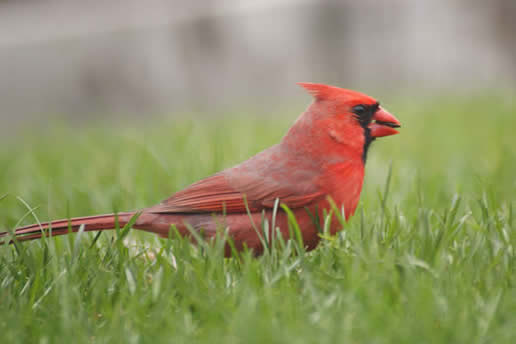
- Permanent year-round resident
- Status: Common, frequently present in Arb and elsewhere around campus
- Habitat: semi-open woodlands, open areas near shrubby cover, residential areas
- Song begins with two or three upslurred sweet notes followed by three or four lower sweet notes: “cheer-y? cheer-y? cheer-y? cheer cheer cheer”
- Length 8 inches
Northern Flicker (Colaptes auratus) L.
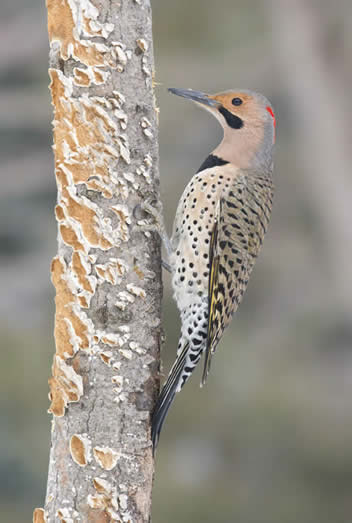
Photo taken south of St. Peter, Nicollet County
- Present mid-March through mid-November, some may overwinter
- Status: Uncommon, infrequently seen in Arb, good numbers can be seen during migration
- Habitat: semi-open woodlands, open areas with scattered trees
- Voice consists of a series of loud, dry, chattering notes that stays on same pitch, also frequently gives one-note “keer!” call
- Length 12 inches
- Birds in our range are “Yellow-shafted” form
Northern Goshawk (Accipiter gentilis) L.
- Present early November through early April
- Status: Very rare, one bird seen flying over Arb in January 2005
- Habitat: woodlands, forested areas, open areas near tree stands
- Voice is a series of high-pitched, harsh “kee” notes
- Length 20 inches, wingspan just over 3 feet, females larger than males
Northern Harrier (Circus cyaneus) L.
- Present mid-March through late November, some may overwinter
- Status: Rare, seen only a few times each year, most often flying over Arb during migration
- Habitat: grasslands and prairies, grassy marshes and wetlands
- Voice consists of soft, raspy barking sounds as well as higher-pitched whistles
- Length just under 2 feet, wingspan just under 4 feet, females larger than males
Northern Mockingbird (Mimus polyglottos) L.
- Migrant, passes through most often in May, but possible any time of year
- Status: Very rare, one bird seen near Borgeson Cabin in mid-May 2005 and another bird in almost the exact same location in late May 2009
- Habitat: open areas with scattered trees, shrubby areas, gardens, residential areas with adjacent cover
- Song is a repertoire of phrases consisting of three or more notes, can mimic other sounds (including car alarms)
- Length 10 inches
Northern Parula (Parula americana) L.
- Migrant, passes through early to late May and then mid-August to mid-September
- Status: Very rare, one bird observed in Arb in mid-May 2005
- Habitat: woodlands, forested areas
- Song is a rising buzz that sounds like it tips over at the end, sometimes the rising buzz is separated into several short buzzes instead of one long one
- Length 4 inches
Northern Rough-winged Swallow (Stelgidopteryx serripennis)
- Present late April through late September
- Status: Rare, seen only a few times each year, most often during migration
- Habitat: rivers and river bluffs, steep banks
- Song consists of several dry, blurry notes likened to “raspberries”
- Length 6 inches
Northern Shrike (Lanius excubitor) L.
- Present mid-October through early April
- Status: Very rare, one bird seen on campus in mid-November 2007
- Habitat: open areas, grasslands with scattered trees and shrubs, often seen perched on telephone wires along roadsides
- Song is a complex warble similar to that of a finch
- Length 10 inches
- Song is used to mimic small birds and thereby lure prey
Northern Waterthrush (Seiurus noveboracensis)
- Migrant, passes through early to late May and then mid-August to late September
- Status: Very rare, one bird observed near Jones Northern Forest Ponds in mid-May 2010
- Habitat: wooded streams and wetlands
- Song begins with a few high whistles followed by rapid, descending chirping notes
- Length 6 inches
Orange-crowned Warbler (Vermivora celata)
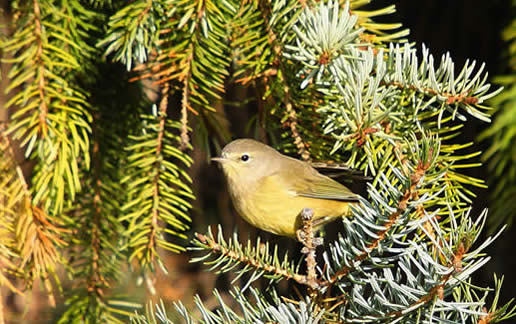
- Migrant, passes through late April to mid-May and then late September to early November
- Status: Uncommon, infrequently encountered in Arb, most often in fall
- Habitat: woodlands, forested areas
- Song is a high-pitched trill followed by short, sweet notes
- Length 5 inches
Orchard Oriole (Icterus spurius) L.
- Present mid-May through mid-September
- Status: Rare, seen once or twice each season, most often during migration in May
- Habitat: open areas with scattered trees, semi-open woodlands, shrubby areas
- Song is a series of sweet notes interspersed with scratchy, drier notes
- Length 7 inches
Osprey (Pandion haliaetus) L.
- Present mid-March through early November
- Status: Uncommon, infrequently seen flying over campus, most often in spring
- Habitat: lakes and other large bodies of water, rivers
- Voice consists of sweet whistles
- Length 2 feet, wingspan 5 feet
Ovenbird (Seiurus aurocapillus) L.
- Present early May through late September
- Status: Rare, seen once or twice each season, most often during migration, but nests at Seven-Mile Creek south of St. Peter
- Habitat: woodlands, forested areas
- Song is a loud, distinctive, rising “teacher-teacher-TEACHER”
- Length 6 inches
Palm Warbler (Dendroica palmarum)
- Migrant, passes through early to late May and then mid-August to late October
- Status: Uncommon, infrequently seen in Arb during migration
- Habitat: semi-open woodlands, forest edges, open areas with scattered trees
- Song is a sweet, soft trill
- Length 5 inches
- Frequently pumps tail like Eastern Phoebe
Peregrine Falcon (Falco peregrinus)
- Present mid-March through early November, most often seen during migration
- Status: Rare, seen once or twice each year during migration in May or September, but nests in downtown Mankato
- Habitat: cliff edges, river bluffs, urban areas; wetlands during migration
- Voice is a series of high, harsh, rising “reee!” notes
- Length 16 inches, wingspan just over 3 feet, females larger than males
Philadelphia Vireo (Vireo philadelphicus)
- Migrant, passes through mid- to late May and then mid-August to late September
- Status: Rare, seen once or twice each year in Arb
- Habitat: woodlands, forested areas
- Song is very similar to Red-eyed Vireo: a sweet, whistled “Where are you? Here I am! Over here.” but slightly slower and lower in pitch
- Length 5 inches
Pied-billed Grebe (Podilymbus podiceps) L.
- Present early April through early November
- Status: Rare, seen once or twice each season in Arb ponds, most often during migration
- Habitat: lakes, ponds, marshes with open water
- Voice is a loud, fast, downslurred series of high-pitched, pumping notes
- Length 12 inches
Pileated Woodpecker (Dryocopus pileatus) L.
- Permanent year-round resident
- Status: Very rare, one bird present in Arb for a few days in mid-November 2009
- Habitat: dense woodlands
- Voice consists of a loud, piercing series of “kee” notes as well as single clucking calls; drumming is very loud but trails off at end
- Length 17 inches, wingspan just under 3 feet
Pine Siskin (Carduelis pinus)
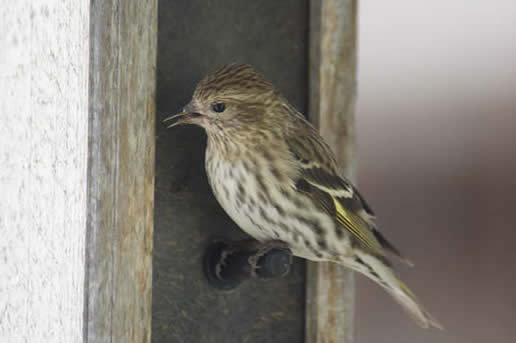
- Present mid-September through early May, may nest some years
- Status: Uncommon, infrequently seen in small flocks in Arb, often near Interpretive Center; very common some winters
- Habitat: open areas with scattered conifers, suburban areas near feeders
- Song is a fast, rizing buzz: “zzzzzziiIIP!”, call note (often given in flight) is a buzzy “zeet”
- Length 5 inches
Pine Warbler (Dendroica pinus)
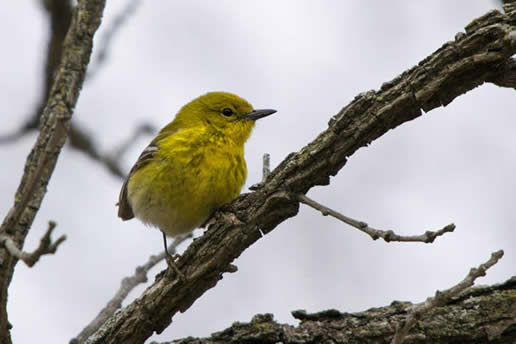
- Migrant, passes through mid- to late April and then late September to mid-October
- Status: Very rare, one bird present in deciduous forest north of Borgeson Cabin with a flock of Yellow-rumped Warblers in mid-April 2011
- Habitat: woodlands, forested areas
- Song is a high trill similar to that of Chipping Sparrow but generally sweeter in quality
- Length 5 inches
Purple Finch (Carpodacus purpureus)
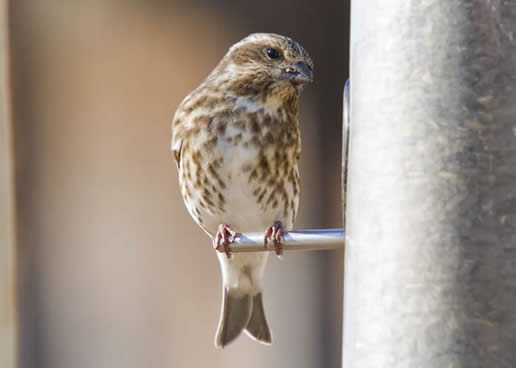
- Present early October through mid-April
- Status: Rare, seen once or twice each season, most often heard flying over campus
- Habitat: semi-open woodlands, suburban areas near feeders
- Song is a sweet, rolling warble, flight call a distinctive, short “kip”
- Length 6 inches
Purple Martin (Progne subis) L.
- Present mid-April through late September
- Status: Rare, seen once or twice each year, most often during migration
- Habitat: open areas near large bodies of water and colonial man-made nesting houses
- Call (often given in flight) is a distinctive, downslurred “kewr”
- Length 8 inches
Red Crossbill (Loxia curvirostra) L.
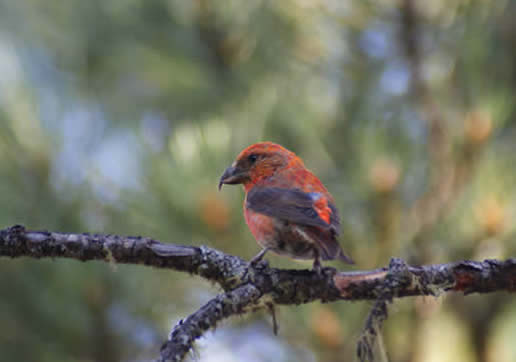
Photo taken near Custer, South Dakota
- Migrant, fall only, passes through late October to early December
- Status: Very rare, one bird observed flying over campus in early November 2004 and a small flock present on campus for a few days (feeding on pine/spruce cones) in late October 2006
- Habitat: large stands of pine and spruce trees
- Call note (often given in flight) is a sharp “jip”
- Length 6 inches
Red-bellied Woodpecker (Melanerpes carolinus) L
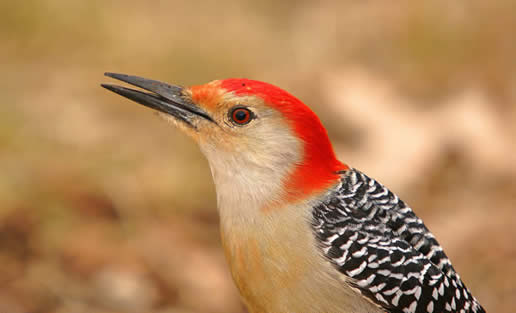
Photo taken near Shakopee, Scott County
- Permanent year-round resident
- Status: Rare, seen only a few times each season, most often near Interpretive Center, seemingly absent in winter
- Habitat: woodlands, forested areas, suburban areas near large trees
- Frequent call is a harsh “chew” repeated several times, infrequently gives a long chattering call
- Length 9 inches
Red-breasted Nuthatch (Sitta canadensis) L.
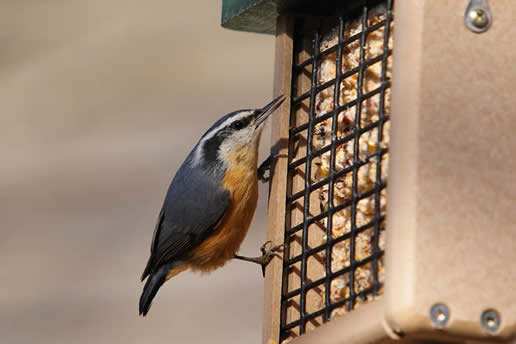
- Present late August through late April
- Status: Uncommon, infrequently seen in Arb, most often near conifers
- Habitat: woodlands, forested areas, suburban areas near feeders
- Voice is a wheezy “nee-nee-nee” higher in pitch and more nasal than White-breasted Nuthatch
- Length 5 inches
Red-eyed Vireo (Vireo olivaceus) L.
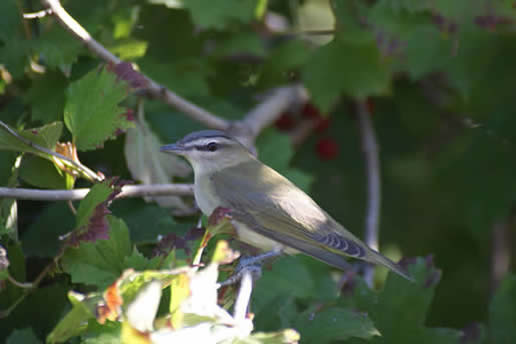
- Present mid-May through late September
- Status: Uncommon, infrequently seen in Arb, more common during migration
- Habitat: woodlands, forested areas
- Song is a sweet, whistled series of three-note phrases: “Where are you? Here I am! Over here.” repeated several times, call note is a harsh, raspy “jeee”
- Length 6 inches
Red-headed Woodpecker (Melanerpes erythrocephalus) L.
- Present early May through late October
- Status: Very rare, one bird seen flying over Arb in mid-May 2005
- Habitat: open areas with scattered large, dead trees, often near pastures
- Voice consists of harsh, relatively soft “terrr” calls
- Length 9 inches
Red-shouldered Hawk (Buteo lineatus)
- Permanent year-round resident
- Status: Very rare, one bird seen flying over campus in mid-May 2005, but possible any time of year
- Habitat: dense deciduous woodlands, river valleys
- Song is a raspy, harsh “keer keer keer” repeated several times
- Length 17 inches, wingspan just over 3 feet, females larger than males
Red-tailed Hawk (Buteo jamaicensis)
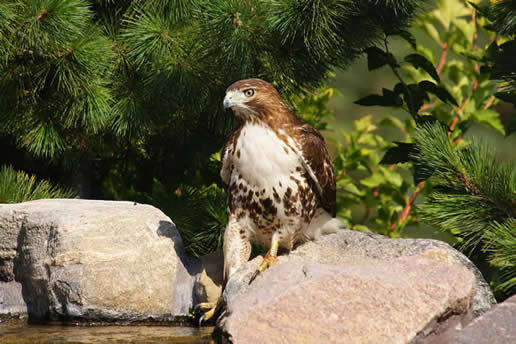
- Permanent year-round resident
- Status: Common, seen frequently during summer and migration, but generally absent from campus in winter
- Habitat: open areas, often seen perched on telephone poles along roadsides
- Voice is a loud, piercing “kiieeerrr” that is often mistakenly played as Bald Eagle’s vocalization on television and in films
- Length 20 inches, wingspan just over 4 feet, females larger than males
Red-winged Blackbird (Agelaius phoeniceus) L.
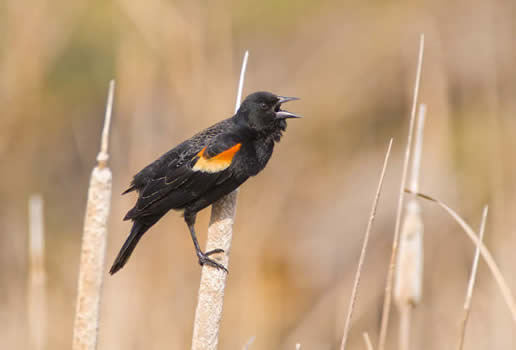
Photo taken near Swan Lake, Nicollet County
- Present mid-March through mid-November, some may overwinter
- Status: Common, seen daily in Arb, flocks during migration can number well into the thousands
- Habitat: wetlands, marshes, grassy lakes and ponds
- Song is a jubilant, loud “konk-a-ree!”, call note is a dry “chek”
- Length 9 inches
Ring-billed Gull (Larus delawarensis)
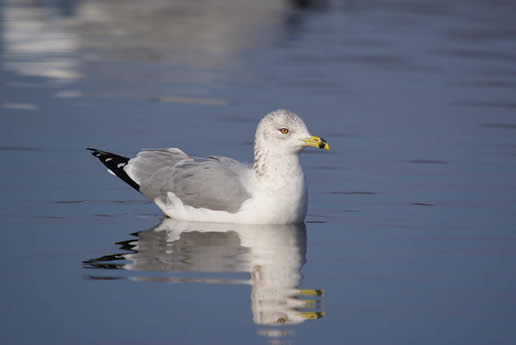
Photo taken at McCarrons Lake in Roseville, Ramsey County
- Present mid-March through late November
- Status: Uncommon, seen infrequently flying over campus, most often in flocks during migration
- Habitat: shallow lakes and wetlands, sandy beaches, urban areas (when foraging)
- Voice is a piercing “eeaaw”
- Length 18 inches
Ring-necked Pheasant (Phasianus colchicus) L.
- Permanent year-round resident
- Status: Uncommon, infrequently seen in Arb, most often near prairie or woodland edges
- Habitat: grasslands, woodland edges, agricultural fields
- Voice is a loud, harsh, two-note “aw-aw”
- Length 2 feet, males larger than females
- Introduced in North America
Rock Pigeon (Columba livia)
- Permanent year-round resident
- Status: Common, present almost daily, possible anywhere on campus
- Habitat: urban and developed areas
- Voice is a soft, gentle cooing
- Length 13 inches
- Introduced in North America
Rose-breasted Grosbeak (Pheucticus ludovicianus) L.
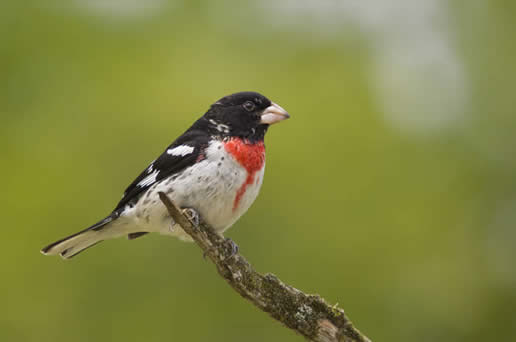
Photo taken near Ottawa Township, Le Sueur County
- Present early May through late September
- Status: Rare, seen a few times each year in Arb, most often during migration
- Habitat: woodlands, forested areas, residential areas near feeders
- Song is a very sweet warble, likened to a “robin with singing lessons”
- Length 8 inches
Ruby-crowned Kinglet (Regulus calendula) L.
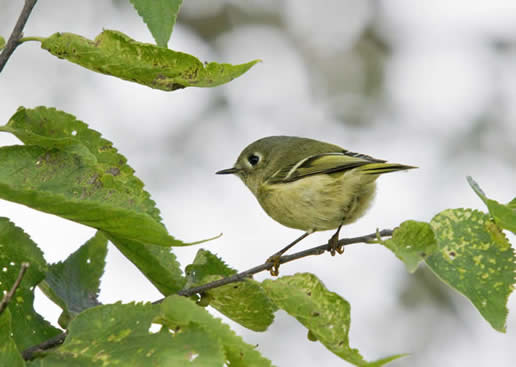
- Migrant, passes through early April to mid-May and then mid-September to late October
- Status: Common, encountered daily in Arb during migration
- Habitat: woodlands, forested areas, shrubby areas near trees
- Most frequently heard vocalization is a chattering “che-che” call
- Length 4 inches
- Red spot on crown is often concealed but becomes visible when bird is scolding, especially in spring
Ruby-throated Hummingbird (Archilochus colubris) L.
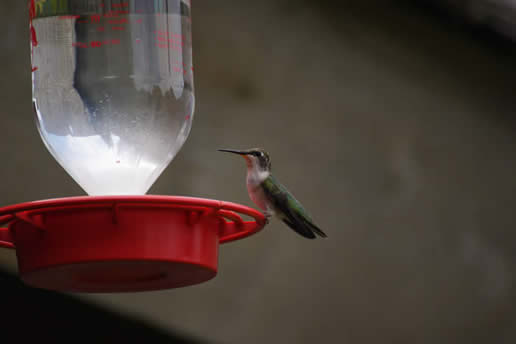
- Present early May through late September
- Status: Uncommon, most frequently encountered in gardens near Interpretive Center and chapel, also often seen at hummingbird feeder at Interpretive Center
- Habitat: woodlands, forested areas, gardens, open areas near shrubs and trees, residential areas near feeders
- Voice is a high-pitched squeaking repeated several times
- Length 3 inches
Rusty Blackbird (Euphagus carolinus)
- Migrant, passes through mid-March to mid-April and then late September to mid-November, some may overwinter
- Status: Rare, a few flocks seen flying over campus spring/fall
- Habitat: wetlands, grassy marshes, wet meadows, farm fields during migration
- Song begins with a gurgling sound that rises into a high-pitched whistle (reminiscent of a rusty hinge on a door); flight calls a sharp, dry “chek” very similar to Red-winged Blackbird
- Length 9 inches
Savannah Sparrow (Passerculus sandwichensis)
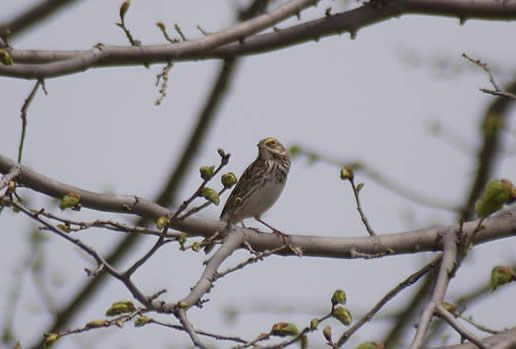
- Present early April through early November
- Status: Rare, seen or heard a few times each year, most often near prairie in Arb
- Habitat: open country, grasslands, farm fields
- Song is a high, slightly buzzy “I’m a saVANN-ah” with the accent on the second-to last syllable and the last two syllables drawn out
- Length 5 inches
Scarlet Tanager (Piranga olivacea)
- Present mid-May through late September
- Status: Very rare, one bird seen in Arb in mid-September 2009
- Habitat: woodlands, densely forested areas
- Song is a burry, somewhat hoarse warble, likened to a “robin with a sore throat,” also frequently gives two-note “chick-burr” call
- Length 7 inches
Sedge Wren (Cistothorus platensis)
- Present early May through late October
- Status: Very rare, two birds heard vocalizing near Jones Northern Forest Ponds in late September 2009
- Habitat: prairies and grasslands, wet meadows
- Song begins with two or three dry chip notes followed by a faster series: “che, che, che-che-che”
- Length 4 inches
Sharp-shinned Hawk (Accipiter striatus)
- Present mid-October through late April
- Status: Rare, seen a few times each year, often chasing small birds
- Habitat: woodlands, forested areas, residential areas near feeders
- Call consists of high, sharp “kik” notes
- Length 12 inches, wingspan 2 feet, females larger than males
Smith’s Longspur (Calcarius pictus)
- Migrant, passes through early to late April and then early to late October, rare anywhere in Minnesota
- Status: Very rare, one bird observed near hill in Coneflower Prairie in mid-April 2011
- Habitat: large prairies consisting of relatively short-length grasses
- Flight call most often heard; rattle similar to that of Lapland Longspur but somewhat slower and sweeter, does not give “dew” calls
- Length 6 inches
Snow Bunting (Plectrophenax nivalis) L.
- Present late October through late March
- Status: Very rare, one bird seen on campus near Arb in mid-March 2005, but flocks can be found on farm roads just west of St. Peter most winters
- Habitat: open country, grasslands, farm fields, beaches
- Calls include chattering and buzzy notes as well as a sweet, high-pitched “dew”
- Length 7 inches
Snow Goose (Chen caerulescens) L.
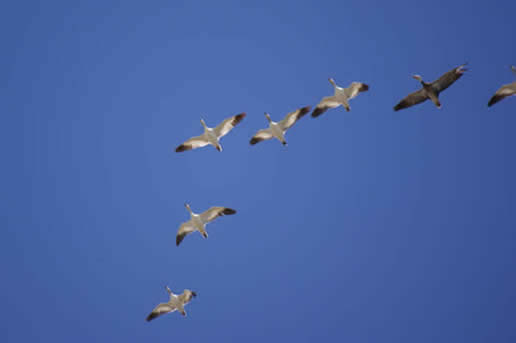
Photo taken near Luverne, Rock County
- Migrant, passes through mid-March to late April and then late October to mid-November
- Status: Very rare, one flock observed flying over campus in late March 2007
- Habitat: lakes, wetlands
- Voice is a harsh “keek”
- Length just over 2 feet
Solitary Sandpiper (Tringa solitaria)
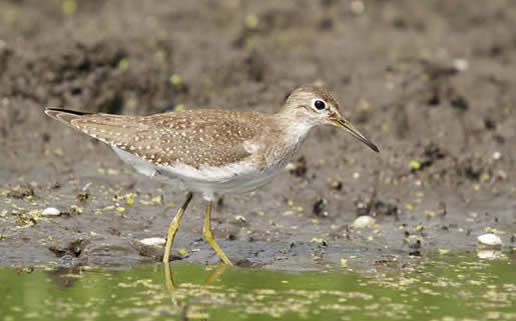
Photo taken near Swan Lake, Nicollet County
- Migrant, passes through mid-April to late May and then mid-July to late October
- Status: Rare, seen or heard flying over campus a few times each year during migration, mostly in spring
- Habitat: wetlands, mudflats, flooded fields, wooded marshes
- Voice is a high, loud, two-note “weet-weet!” or sometimes three-note “weet-weet-weet!”
- Length 8 inches
Song Sparrow (Melospiza melodia)
- Present late March through mid-November
- Status: Common, encountered daily near Arb ponds
- Habitat: wetlands, marshes, ponds and lakes with shrubby or grassy edges, wooded areas near water
- Song is a high, sweet “hip-hip-hooray!” followed by a few lower notes
- Length 6 inches
Sora (Porzana carolina) L.
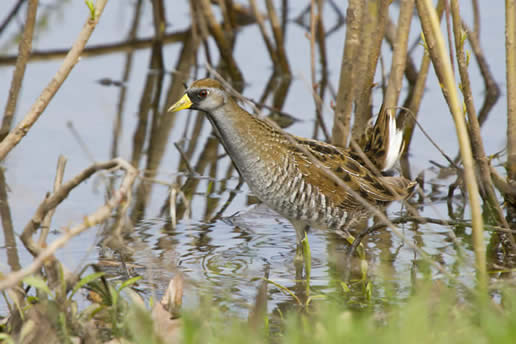
- Present mid-April through early October
- Status: Rare, seen or heard once or twice each year in Arb ponds, most often during migration in May
- Habitat: cattail marshes, grassy wetlands
- Calls include a high, clear “so-ra?” and a loud, descending whinny
- Length 9 inches
Swainson’s Hawk (Buteo swainsoni)
- Present mid-April through early October
- Status: Very rare, one bird seen flying over Arb in late September 2009
- Habitat: grasslands, open areas, agricultural fields with scattered trees
- Voice is a loud, screeching “kiieeerr” like Red-tailed Hawk but higher and softer
- Length 20 inches, wingspan just over 4 feet, females larger than males
Swainson’s Thrush (Catharus ustulatus)
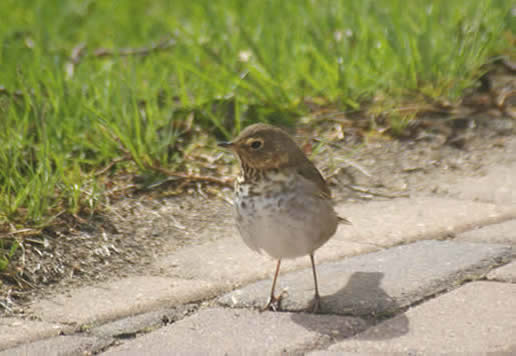
- Migrant, passes through late April to late May and then mid-August to late September
- Status: Uncommon, infrequently encountered in Arb and grassy, sheltered areas around campus during migration
- Habitat: woodlands, forested areas, open areas near shrubby cover
- Song is a series of musical, flute-like notes that rises from beginning to end
- Length 7 inches
Swamp Sparrow (Melospiza georgiana)
- Present early April through early November
- Status: Rare, seen a few times each year near Arb ponds
- Habitat: wetlands, marshes, ponds and lakes with shrubby or grassy edges
- Song is a trill of “chip” notes, distinctly slower and sweeter than Chipping Sparrow
- Length 6 inches
Tennessee Warbler (Vermivora peregrina)
- Migrant, passes through mid- to late May and then mid-August to early October
- Status: Uncommon, seen infrequently in Arb, more common in fall
- Habitat: woodlands, forested areas
- Song is a series of high-pitched notes that starts slow and then accelerates
- Length 5 inches
Tree Swallow (Tachycineta bicolor)
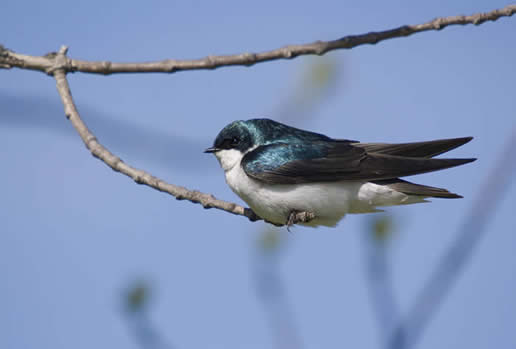
- Present early April through mid-October
- Status: Common, seen daily flying around campus, sometimes nests in bluebird houses
- Habitat: open country, grasslands, parks, residential areas
- Voice consists of short bubbly notes sometimes strung together in a longer sequence
- Length 6 inches
Trumpeter Swan (Cygnus buccinator)
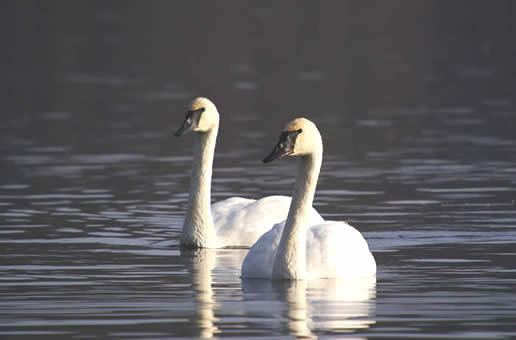
Photo taken at Lake Vadnais, Ramsey County
- Permanent year-round resident (winters near open water)
- Status: Very rare, two birds observed flying together over Interpretive Center in February 2010
- Habitat: lakes, large wetlands
- Voice is a low, distinct bugling
- Length 5 feet, wingspan just under 7 feet
Tundra Swan (Cygnus columbianus)
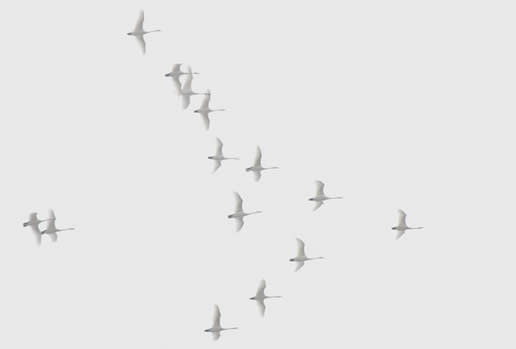
- Migrant, passes through mid-March to late April and then late October to early November
- Status: Rare, a few flocks seen flying over campus each year, mostly in spring
- Habitat: lakes, ponds, marshes, wetlands
- Voice is a distinctive, musical whistling (often given in flight)
- Length just over 4 feet
Turkey Vulture (Cathartes aura) L.
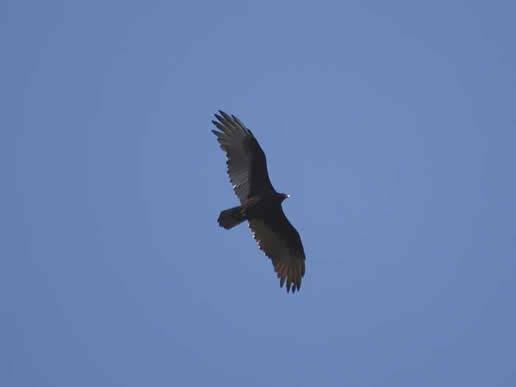
Photo taken near Kasota, Le Sueur County
- Present mid-March through mid-October
- Status: Common, seen daily flying above campus in small kettles
- Habitat: open country, river valleys, urban areas near tall buildings or towers (for roosting)
- Generally silent, sometimes a low, dry squawk is given
- Length just over two feet, wingspan just under 6 feet
- Soaring birds hold their wings held up above body in a distinctive “V” profile called a dihedral (soaring Bald Eagle holds wings level with body)
Vesper Sparrow (Pooecetes gramineus)
- Present late March through early November
- Status: Rare, seen/heard a few times each year, often near prairie
- Habitat: open country, grasslands, farm fields
- Song is similar to that of Song Sparrow but somewhat drier and ends on a series of rising notes
- Length 6 inches
Warbling Vireo (Vireo gilvus)
- Present mid-May through late September
- Status: Very rare, one bird seen near Jones Northern Forest Ponds in mid-May 2011
- Habitat: semi-open areas, especially near water
- Song is a rising jumble of high notes: “if-I-could-see-you-I-would-squeeze-you-and-I-would-squeeze-you-till-you-squirt!”
- Length 5 inches
White-breasted Nuthatch (Sitta carolinensis)
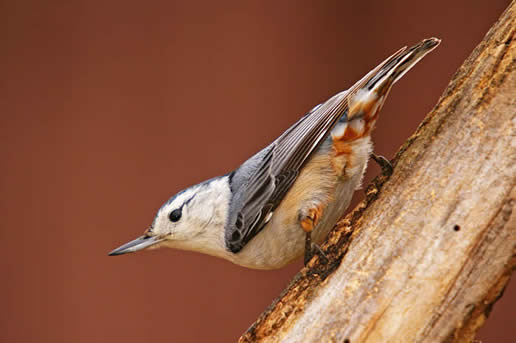
Photo taken near Shakopee, Scott County
- Permanent year-round resident
- Status: Uncommon, infrequently seen in Arb, often near Interpretive Center, seemingly absent in winter
- Habitat: woodlands, forested areas, open areas near trees, residential areas near feeders
- Voice is a nasal “nay-nay-nay”
- Length 6 inches
White-crowned Sparrow (Zonotrichia leucophrys)
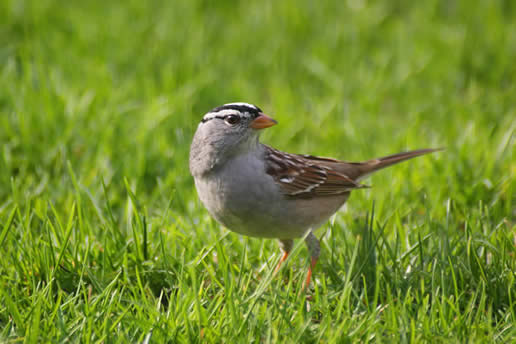
- Migrant, passes through mid-April to mid-May and then late September to early November
- Status: Uncommon, encountered infrequently in Arb during migration, often near Interpretive Center feeders
- Habitat: shrubby areas, open areas with scattered trees and shrubs, residential areas near feeders
- Song begins with several high-pitched whistles followed by quick, buzzy chirps and trills
- Length 7 inches
White-eyed Vireo (Vireo griseus)
- Rare vagrant to Minnesota, possible anytime mid-May through mid-November
- Status: Very rare, one bird seen near Interpretive Center in mid-November 2008
- Habitat: semi-open woodlands, woodland edges, dense shrubby areas
- Song begins with a single, emphatic “chik!” note followed by a quick, scratchy series of up and down notes
- Length 5 inches
White-throated Sparrow (Zonotrichia albicollis)
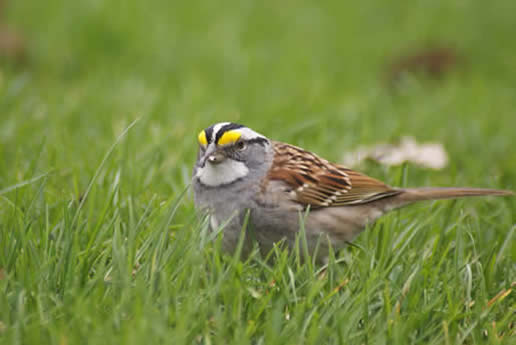
- Migrant, passes through mid-April to mid-May and then mid-September to early November
- Status: Common, seen daily in Arb during migration, often near Interpretive Center feeders
- Habitat: woodlands, forested areas, shrubby areas, open areas near woods, residential areas near feeders
- Song is a sweet, whistled “Old Sam Peabody Peabody Peabody” or “Oh sweet Canada Canada Canada”
- Length 7 inches
White-winged Crossbill (Loxia leucoptera)
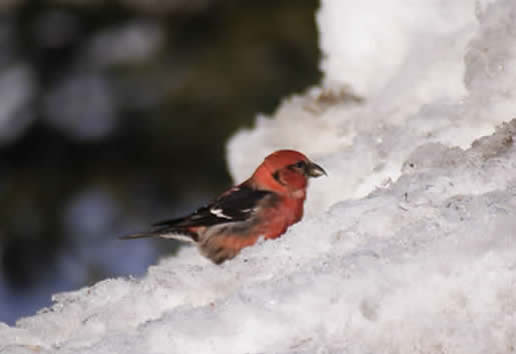
- Present late November through late March
- Status: Very rare, only observations from late January to late March 2009 during which up to 45 birds were seen at once near Interpretive Center
- Habitat: spruce stands, particularly of White Spruce (Picea glauca)
- Calls include a dry but distinctive two-note “chi-chi”, often repeated in longer sequences
- Length 6 inches
Wild Turkey (Meleagris gallopavo) L.
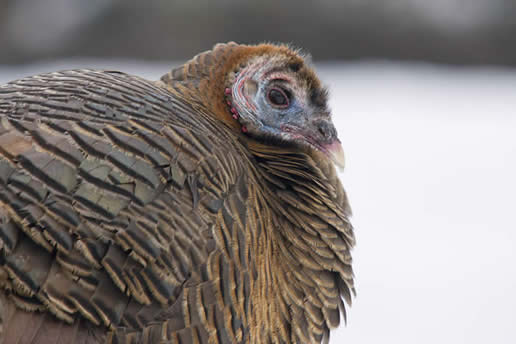
Photo taken south of St. Peter, Nicollet County
- Permanent year-round resident
- Status: Rare, seen only a few times each year, most often in summer, but increasing
- Habitat: woodlands, forested areas, brushlands
- Calls include various clucking sounds in addition to the distinct “gobble” repeated in a short series
- Length 4 feet, wingspan 5 feet
Wilson’s Snipe (Gallinago delicata)
- Present late March through mid-November, some may overwinter
- Status: Rare, seen or heard only a couple times each year near Arb ponds
- Habitat: wooded wetlands, marshes, streams
- Voice is a distinctive winnowing that begins softer and ends louder
- Length 11 inches
Wilson’s Warbler (Wilsonia pusilla)
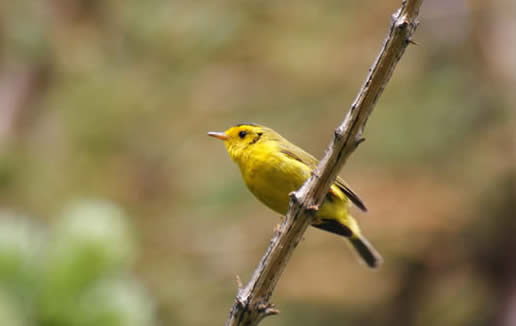
Photo taken at Indian Peaks Wilderness Area, Colorado
- Migrant, passes through mid- to late May and then mid-August to late September
- Status: Uncommon, infrequently seen in Arb during migration
- Habitat: woodlands, forested areas
- Song is a series of high notes on same pitch ending in a couple lower or fainter notes
- Length 5 inches
Winter Wren (Troglodytes troglodytes) L.
- Migrant, passes through mid-April to early May and then late September to late October
- Status: Rare, seen only a couple times each year, most often in fall
- Habitat: woodlands, forested areas, areas with dense shrubs
- Voice is a very long series of high-pitched, rolling, up and down whistles
- Length 4 inches
Wood Duck (Aix sponsa) L.
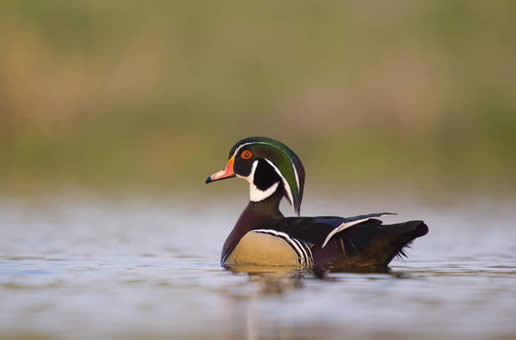
Photo taken at Cobb River WPA, Blue Earth County
- Present mid-March through early November
- Status: Uncommon, infrequently seen near Arb ponds or flying over campus, has never nested in Wood Duck house in north Arb pond
- Habitat: wooded areas near water
- Voice is a nervous, squealing, high-pitched “eeeeeee”
- Length 19 inches
Yellow Warbler (Dendroica petechia) L.
- Present early May through mid-September
- Status: Uncommon, infrequently seen near ponds in Arb, elsewhere during migration
- Habitat: open woodlands, forest edges, shrubby areas near water
- Song is a high, whistled “sweet! sweet! I’m so sweet”
- Length 5 inches
Yellow-bellied Flycatcher (Empidonax flaviventris)
- Migrant, passes through mid- to late May and then mid-August to early September
- Status: Very rare, one bird seen in Arb in late August 2008
- Habitat: woodlands, forested areas, often near water
- Song is a two-note “che-bunk,” with the second syllable lower and somewhat nasal
- Length 5 inches
Yellow-bellied Sapsucker (Sphyrapicus varius) L.
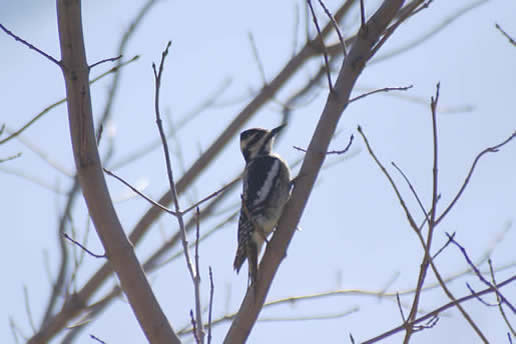
- Present mid-April through early November, some may overwinter
- Status: Uncommon, encountered infrequently in Arb, most often during spring migration
- Habitat: woodlands, forested areas
- Voice consists of high squeals as well as quick chattering notes
- Length 8 inches
Yellow-headed Blackbird (Xanthocephalus xanthocephalus) L.
- Present mid-April through early October
- Status: Rare, seen only once or twice each year, but nests at Swan Lake only ten miles away
- Habitat: grassy marshes, prairie wetlands, lakes and ponds with cattail edges
- Voice begins with bubbly notes followed by a metallic, rusty “zheeeeeee”
- Length 10 inches
Yellow-rumped Warbler (Dendroica coronata) L.
- Migrant, passes through early April to mid-May and then mid-September to early November
- Status: Common, seen daily in Arb during migration, abundant some days in fall
- Habitat: woodlands, forested areas, open areas near trees
- Voice is a series of sweet notes that begins on one pitch and ends on another
- Length 5 inches
- Often seen fly-catching from exposed perch like flycatchers
Yellow-throated Vireo (Vireo flavifrons)
- Present mid-May through late September
- Status: Rare, seen only a few times each year, most often during migration in May
- Habitat: woodlands, forested areas
- Song is a slow, blurry series of two- and three-note phrases: “Threeee-eight! Are you there? Right here!”
- Length 5 inches
* All photos taken at Gustavus by Bob Dunlap, Arboretum Naturalist unless otherwise noted.
Wildlife
The following is a guide to other wildlife that may be encountered in the Arboretum. The guide includes: photos, family, habitat: where it can be found in southern Minnesota, most commonly heard vocalizations, size, diet, and when and how often it is seen on campus.
The following is a guide to other wildlife that may be encountered in the Arboretum.
- Family
- Habitat: where it can be found in southern Minnesota
- Most commonly heard vocalizations
- Size
- Diet
- Status at Gustavus (when and how often it is seen on campus)
- Additional information
Mammals
Red Squirrel (Tamiasciurus hudsonicus)
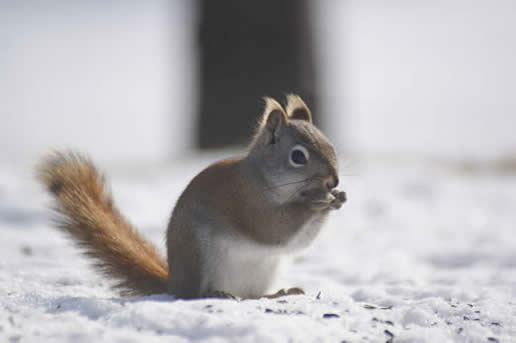
- Status: commonly seen near coniferous trees in Arb throughout the year, more often encountered in winter near Interpretive Center
- Habitat: coniferous and mixed woodlands, suburban areas near bird feeders
- Vocalizations include a loud, sharp “chek,” also a series of similar notes
- Length up to 16 inches
- Diet: nuts, seeds, fruit, berries, insects
Eastern Gray Squirrel (Sciurus carolinensis)
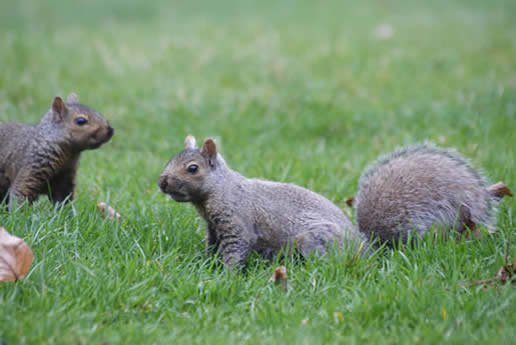
- Status: commonly seen near trees in Arb throughout the year, especially near the Interpretive Center
- Habitat: woodlands, forested areas, suburban areas near bird feeders
- Vocalizations include chirps and harsh scolding notes
- Length up to 2 feet
- Diet: nuts, seeds, fruit, berries, insects
Thirteen-lined Ground Squirrel (Spermophilus tridecemlineatus)
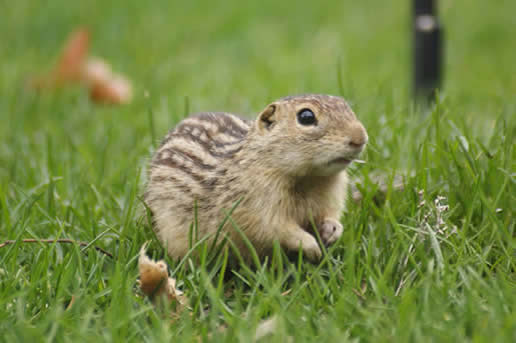
- Status: abundant across campus from early April to mid-October, frequently seen foraging in lawns
- Habitat: grassy, open areas, suburban lawns and gardens, prairies
- Vocalizations include a high, sharp squeak
- Length up to 12 inches
- Diet: plants, fruit, seeds, insects
- Commonly called "gopher"
Eastern Chipmunk (Tamias striatus) L.
- Status: infrequently seen in Arb, most often near wooded areas
- Habitat: woodlands, forested areas, suburban lawns and gardens
- Vocalizations include variety of chirping notes
- Length up to 8 inches
- Diet: plants, fungi, seeds, nuts, fruit, insects
American Badger (Taxidea taxus)
- Status: burrows frequently found in open areas in Arb, especially in Coneflower Prairie, but animal itself is rarely seen
- Habitat: grasslands, large lawn expanses, agricultural fields
- Vocalizations include growling and harsh hissing sounds
- Length up to 3 feet
- Diet: ground squirrels and other small mammals are preferred, but small reptiles, amphibians, fish, birds, and insects are also consumed
- Primarily nocturnal
White-tailed Deer (Odocoileus virginianus)
Photo taken west of St. Peter, Nicollet County by Andy Frederick
- Status: infrequently seen in Arb throughout the year, most often in woodlands during morning and evening hours
- Habitat: woodlands, forested areas
- Vocalizations include a loud, abrupt snort
- Length up to 7 feet, height up to 5 feet
- Diet: plants, fungi, seeds, nuts, berries
Eastern Cottontail (Sylvilagus floridanus)
- Status: abundant most years across campus, frequently seen foraging in lawns
- Habitat: grassy, open areas, suburban lawns and gardens
- Generally silent
- Length up to 16 inches
- Diet: plants, fruit, seeds
Northern Short-tailed Shrew (Blarina brevicauda)
- Status: infrequently seen in Arb, most often near dense cover or bird feeders
- Habitat: grasslands, woodlands, forested areas, suburban lawns and gardens
- Generally silent or inaudible
- Length up to 5 inches
- Diet: seeds, fungi, insects, earthworms, other small rodents
- Highly carnivorous, consumes up to three times its weight in food each day
Deer Mouse (Peromyscus maniculatus)
- Status: infrequently seen in Arb during warm months, often near wooded areas
- Habitat: variety of habitats, most often woodlands and forested areas
- Generally silent or inaudible
- Length up to 10 inches
- Diet: plants, fungi, seeds, fruit, insects
- Primarily nocturnal
Little Brown Myotis (Myotis lucifugus)
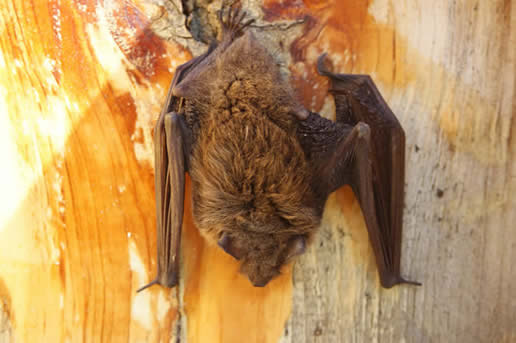
- Status: commonly seen flying around Arb near dusk and lighted areas around campus at night mid-May to late September, sometimes found sleeping on sides of buildings during daytime
- Habitat: variety of habitats, roosts in trees and old buildings
- Vocalizations generally inaudible
- Length up to 4 inches, wingspan up to 11 inches
- Diet: flying insects (including mosquitoes)
- Hibernates through winter in caves or other protected, enclosed spaces
Reptiles and Amphibians
Common Garter Snake (Thamnophis sirtalis) L.
- Status: infrequently seen throughout Arb early April to late October, especially near wetlands
- Habitat: variety of habitats, open areas near woody or grassy cover
- Generally silent
- Length up to 3 feet
- Diet: variety of prey including insects, small birds and rodents, frogs
- Not harmful to humans
Eastern Plains Garter Snake (Thamnophis radix)
- Status: infrequently seen in Arb early May to late October, most often foraging in lawns or near prairie
- Habitat: variety of habitats, most often seen in open areas near woody or grassy cover
- Generally silent
- Length up to 3 feet
- Diet: variety of prey including insects, small birds and rodents, frogs
- Not harmful to humans
American Toad (Bufo americanus)
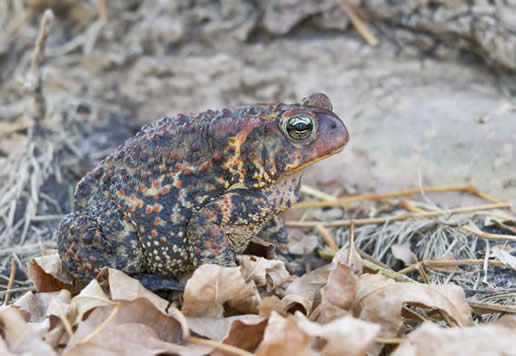
- Status: infrequently seen in Arb early April to mid-October, most often near wetlands and wooded areas
- Habitat: wetlands, woodlands, forested areas, suburban lawns near water
- Call is a high-pitched trill lasting around ten seconds
- Length up to 4 inches
- Diet: insects, worms, other small invertebrates
- Hibernates through winter in underground burrows
Western Chorus Frog (Pseudacris triseriata)
- Status: infrequently seen but easily heard near Arb ponds late March to early November, most often heard in spring
- Habitat: wetlands, cattail marshes
- Call is a loud, rising clicking sound, reminiscent of running a thumb across the teeth of a comb
- Length up to 1 inch
- Diet: flies, mosquitoes, other small invertebrates
- Often called “cricket frogs”
Gray Treefrog (Hyla versicolor)
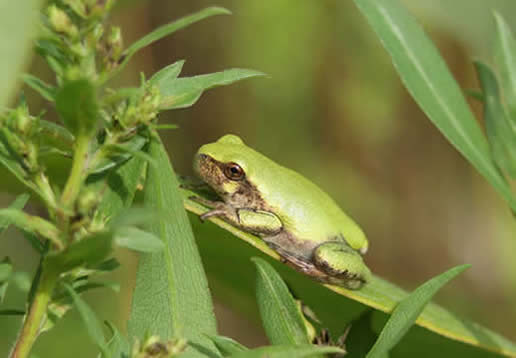
- Status: commonly found in Arb early May to early October, often sitting on plant leaves or tree limbs
- Habitat: variety of habitats, often near gardens or wetlands, suburban areas near trees
- Call is a high trill lasting a couple seconds, often sounding like a soft police whistle
- Length up to 2 inches
- Diet: insects, other small invertebrates
- Ability to camouflage skin with its surroundings; found in shades of green, brown, and gray
Wood Frog (Rana sylvatica)
- Status: infrequently heard (and rarely seen) in Arb near Jones Northern Forest Ponds early April to early October, most often heard in April
- Habitat: wooded wetlands
- Call is a “quacking” similar to that of a duck but softer more subtle
- Length up to 3 inches
- Diet: insects, other invertebrates
- One of the first frogs to call in spring along with Western Chorus Frog
Northern Leopard Frog (Rana pipiens)
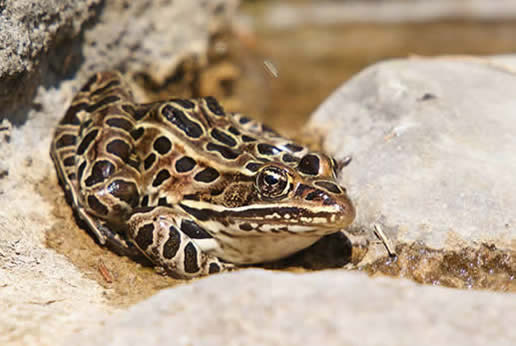
- Status: commonly seen and heard near Arb ponds late April to late October
- Habitat: ponds, wetlands, suburban lawns near water
- Call is a low croaking sound followed by quick, soft notes
- Length up to 5 inches
- Diet: insects, other invertebrates, small frogs
- State Amphibian of Minnesota
*All photos taken at Gustavus by Bob Dunlap, Arboretum Naturalist unless otherwise noted.
Insects
The following is a guide to some of the insects that may be encountered in the Arboretum. The guide includes: photos, family, habitat: where it can be found in southern Minnesota, most commonly heard vocalizations (if applicable), size, and when and how often it is seen on campus.
The following is a guide to some of the insects that may be encountered in the Arboretum.
- Family
- Habitat: where it can be found in southern Minnesota
- Most commonly heard vocalizations (if applicable)
- Size
- Status at Gustavus (when and how often it is seen on campus)
- Additional information
Butterflies and Moths
Monarch (Danaus plexippus)
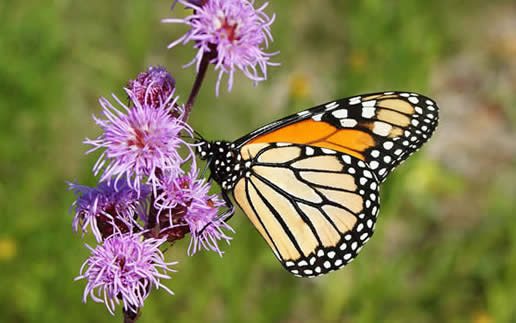
- Status: commonly seen in prairies and gardens of Arb and rest of campus mid-May to early October
- Habitat: prairies and grasslands, especially where milkweed (host plant) is plentiful
- Wingspan up to 4 inches
- State Butterfly of Minnesota
Viceroy (Limenitis archippus)
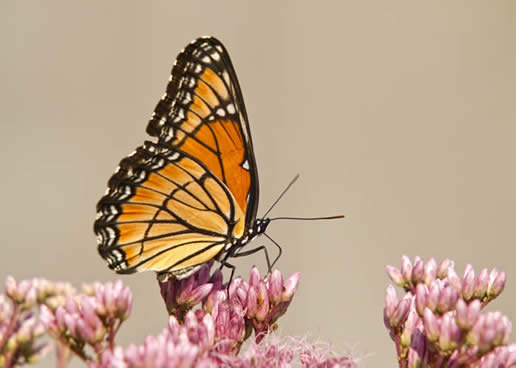
- Status: infrequently seen in prairies and gardens of Arb and rest of campus late May to early October
- Habitat: open areas near willows and poplars (host plants)
- Wingspan up to 3 inches
- Mimics the monarch in appearance; while the monarch is poisonous to predators, the viceroy is not
Red-spotted Purple (Limenitis arthemis)
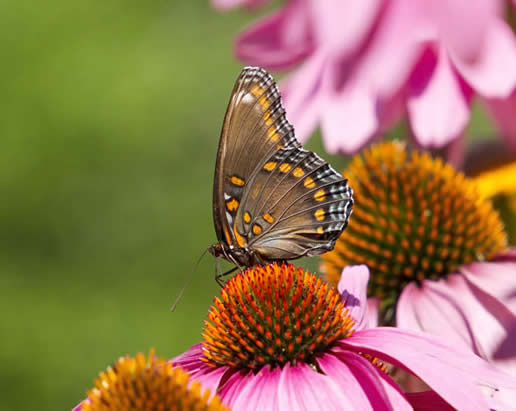
- Status: very rarely seen in gardens of Arb, only observations from late July 2010 and early August 2011
- Habitat: open woodlands and forest edges, especially near birches, willows, and poplars (host plants)
- Wingspan up to 3 inches
- Now considered the same species as the White Admiral, which is a butterfly more common in northern Minnesota
Eastern Tiger Swallowtail (Papilio glaucus) L.
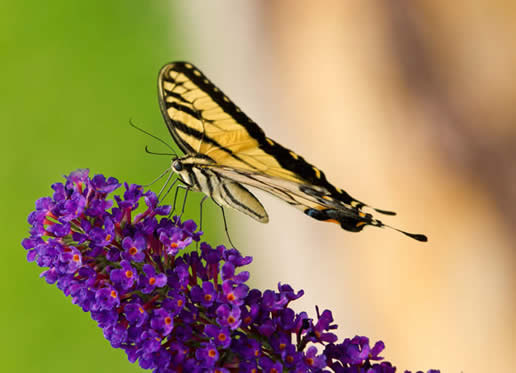
- Status: infrequently seen in gardens and wooded areas of Arb and rest of campus mid-May to late September
- Habitat: semi-open to dense woodlands, open areas near trees, especially where poplars (host plants) are present
- Wingspan up to 5 inches
- Males are yellow, but females can be either yellow morph or dark morph
Eastern Black Swallowtail (Papilio polyxenes)
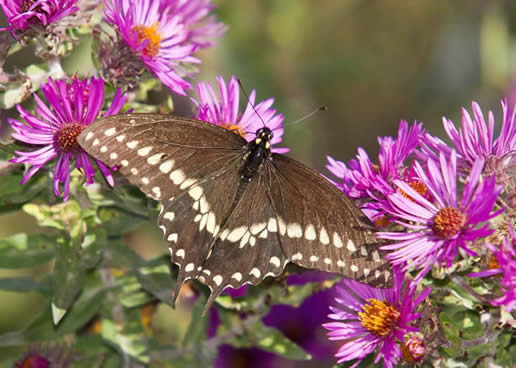
- Status: seen only a few times each year in gardens of Arb from late May to mid-October
- Habitat: grasslands, open areas near gardens, especially where members of the carrot family (host plants) are present
- Wingspan up to 4 inches
Painted Lady (Vanessa cardui) L.
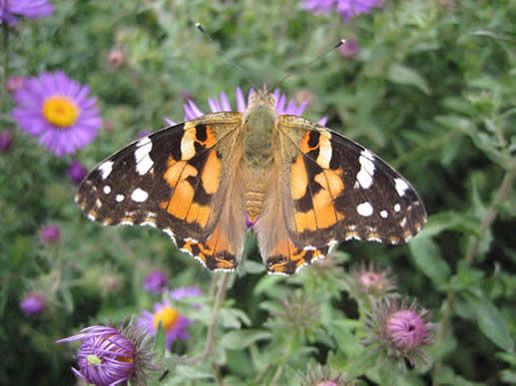
- Status: infrequently seen in prairies and gardens of Arb and rest of campus early May to early October
- Habitat: prairies and grasslands, especially where asters and thistles (host plants) are present
- Wingspan up to 3 inches
- Found on every continent except Antarctica
Red Admiral (Vanessa atalanta) L.
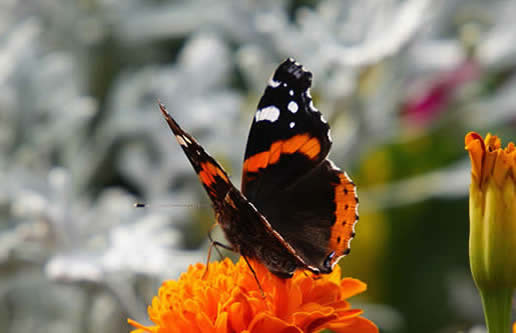
- Status: infrequently seen in gardens of Arb and rest of campus early May to early October
- Habitat: woodlands, wet grasslands, suburban areas where nettles (host plants) are present
- Wingspan up to 3 inches
- Unable to survive cold winters, the northern populations of this species are usually replenished by emigrants from southern populations
Clouded Sulphur (Colias philodice)
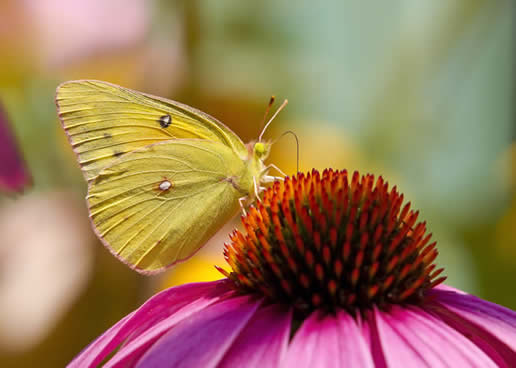
- Status: commonly seen in gardens of Arb and rest of campus late May to early October
- Habitat: grasslands, open areas where vetches and clovers (host plants) are present
- Wingspan up to 2 inches
- Males of this species are always yellow while females can appear whitish or light greenish
Cabbage White (Pieris rapae) L.
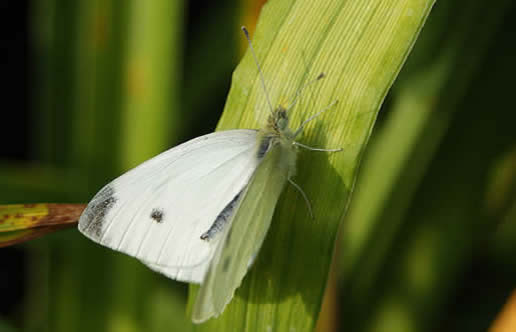
- Status: commonly seen across campus early May to early October
- Habitat: open woodlands, grasslands, open rural and urban areas where mustards (host plants) are present
- Wingspan up to 2 inches
- Introduced in North America (native to Europe, Africa, and Asia)
Pearl Crescent (Phyciodes tharos)
- Status: commonly seen in prairies and gardens of Arb and rest of campus early May to early October
- Habitat: prairies, pastures, semi-open woodlands, especially where asters (host plants) are present
- Wingspan up to 1 inch
White-lined Sphinx (Hyles lineate)
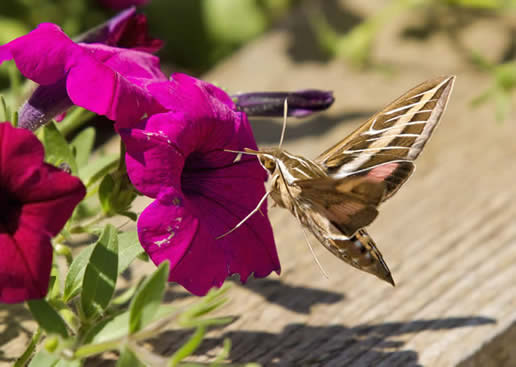
- Status: infrequently seen in gardens of Arb and rest of campus late May to late September, most often near dusk
- Habitat: wide variety of habitats, gardens
- Wingspan up to 4 inches
- Often mistaken for hummingbirds
Hummingbird Clearwing (Hemaris thysbe)
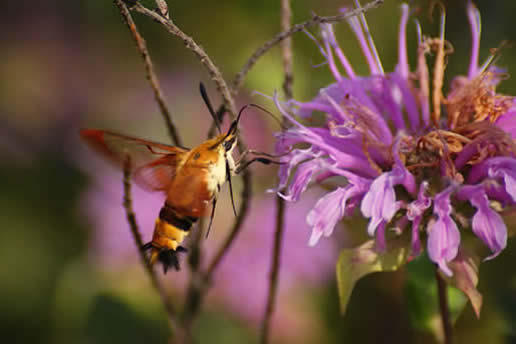
- Status: very rarely seen in gardens and prairies of Arb, only observations from early August 2009 and late July 2011
- Habitat: wide variety of habitats, gardens
- Wingspan up to 2 inches
- Mimics bumblebees
Dragonflies and Damselflies
Common Green Darner (Anax junius)
- Status: commonly seen in Arb near wetlands mid-April to early October, large numbers seen migrating in May and September
- Habitat: prairies, wetlands, areas near water
- Wingspan up to 4 inches
- One of only two North American insects that truly migrates (other is monarch butterfly)
Meadowhawk (Sympetrum sp.)
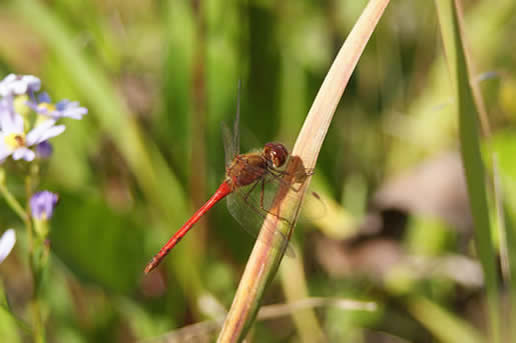
- Status: commonly seen in Arb near prairies and wetlands late May to late September
- Habitat: prairies, grassy areas near water
- Wingspan up to 2 inches
- Females and juveniles are golden in color
Twelve-spotted Skimmer (Libellula pulchella)
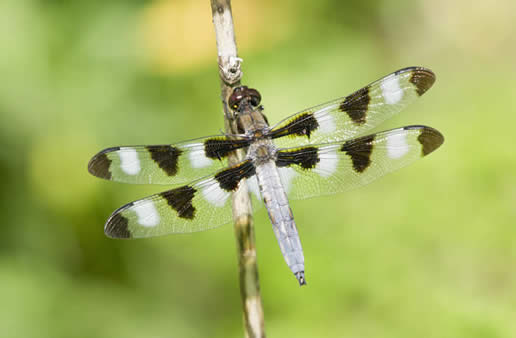
Photo taken near Grand Marais, Cook County
- Status: commonly seen throughout Arb, especially near prairies and wetlands, late May to late September
- Habitat: prairies, wetlands, grassy areas near water
- Wingspan up to 3 inches
Widow Skimmer (Libellula luctuosa)
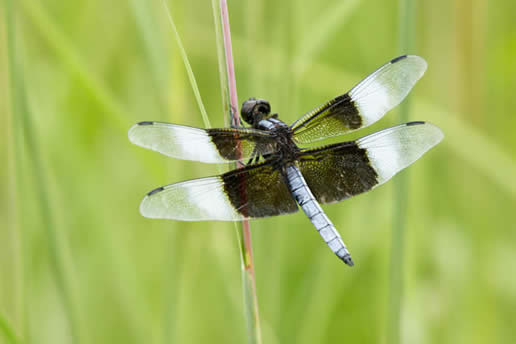
- Status: commonly seen throughout Arb, especially near prairies and wetlands, late May to late September
- Habitat: prairies, wetlands, grassy areas near water
- Wingspan up to 3 inches
Cicadas
Annual Cicada (Tibicen canicularis)
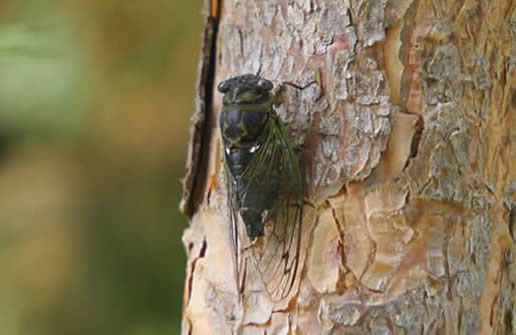
- Status: heard daily in Arb and across campus late June to early October, most often around midday, exoskeletons frequently found on tree trunks and wooden structures
- Habitat: woodlands, forested areas, open areas with trees
- Voice is a loud, monotonous buzz lasting up to 10 seconds (made with its abdomen)
- Length up to 2 inches
- Usually begins buzzing once temperature reaches 70°F
Scissors-grinder Cicada (Tibicen auletes)
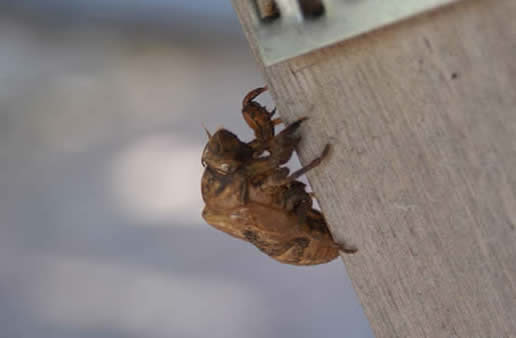
- Status: infrequently heard in Arb and across campus late June to late September, most often around midday, exoskeletons frequently found on tree trunks and wooden structures
- Habitat: woodlands, forested areas, open areas with trees
- Voice is a loud buzz that alternates up and down in pitch such that it sounds like a saw grinding, lasts up to 5 minutes
- Length up to 2 inches
- Usually begins buzzing once temperature reaches 80°F
Crickets, Grasshoppers, and Katydids
Bush Katydid (Scudderia sp.)
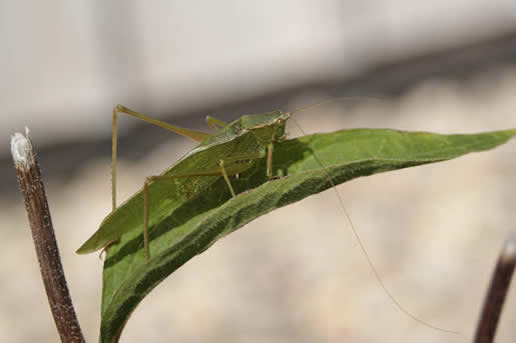
- Status: infrequently seen on plants in Arb and elsewhere across campus, frequently heard at night
- Habitat: gardens, shrubby areas
- Voice is a loud series of short click-like buzzes repeated several times
- Length up to 3 inches
- Similar to grasshoppers in appearance, katydids are more closely related to crickets
Carolina Grasshopper (Dissosteira carolina) L.
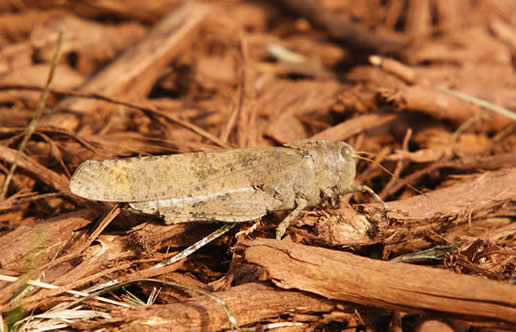
- Status: commonly seen in Arb along trails and in open areas
- Habitat: grasslands, open areas, disturbed areas
- Length up to 3 inches
- Cryptically colored at rest, this species reveals dark blue wings outlined in yellow when in flight
Bees and Wasps
Western Honeybee (Apis mellifera) L.
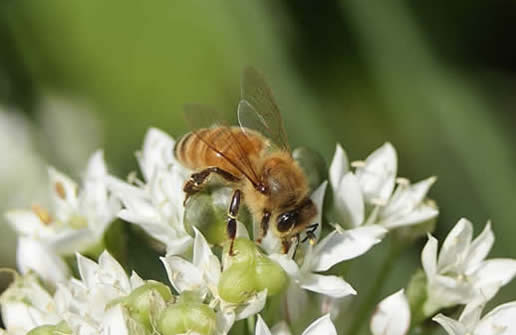
- Status: commonly seen nectaring in gardens of Interpretive Center early May to mid-October
- Habitat: gardens, suburban areas, anywhere near flowers
- Length up to ½ inch
- Originally native to Europe, Asia, and Africa
Bumblebee (Bombus sp.)
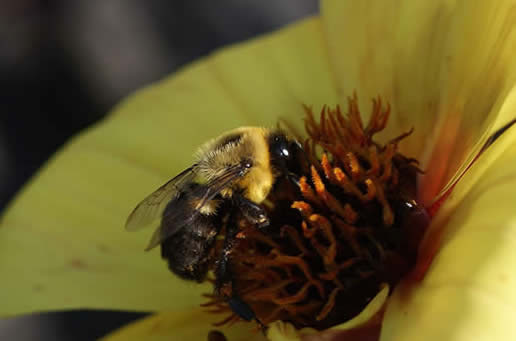
- Status: commonly seen nectaring in gardens of Interpretive Center early May to mid-October
- Habitat: gardens, suburban areas, anywhere near flowers
- Length up to ¾ inch
- Both bumblebees and honeybees are important pollinators of crops and wildflowers
Downy Yellowjacket (Vespula flavopilosa)
- Status: infrequently seen in gardens of Interpretive Center early May to early October
- Habitat: gardens, suburban areas, anywhere near flowers
- Length up to ½ inch
- Like all yellowjackets, this species is a classic “picnic pest,” attracted to both sweets and meaty foods
Great Golden Digger Wasp (Sphex ichneumoneus)
- Status: seen in small numbers around gardens of Interpretive Center early May to early October
- Habitat: gardens, suburban areas, anywhere near flowers
- Length up to 2 inches
- A solitary rather than colonial wasp, this species feeds on crickets, grasshoppers, and katydids
Great Black Wasp (Sphex pennsylvanicus)
- Status: commonly seen nectaring in gardens of Interpretive Center early May to mid-October
- Habitat: gardens, suburban areas, anywhere near flowers
- Length up to 2 inches
- While other wasps generally nest up high and in trees, this species nests in holes in the ground
* All photos taken at Gustavus by Bob Dunlap, Arboretum Naturalist unless otherwise noted.